
Have you ever stopped to think about the bird droppings you see around your home or workplace? It might seem like just a messy nuisance, but could it actually be putting your health at risk?
What you don’t know about these tiny splatters could surprise you. You’ll discover the hidden dangers bird droppings may carry and learn simple steps you can take to protect yourself and your loved ones. Keep reading—your health might depend on it.
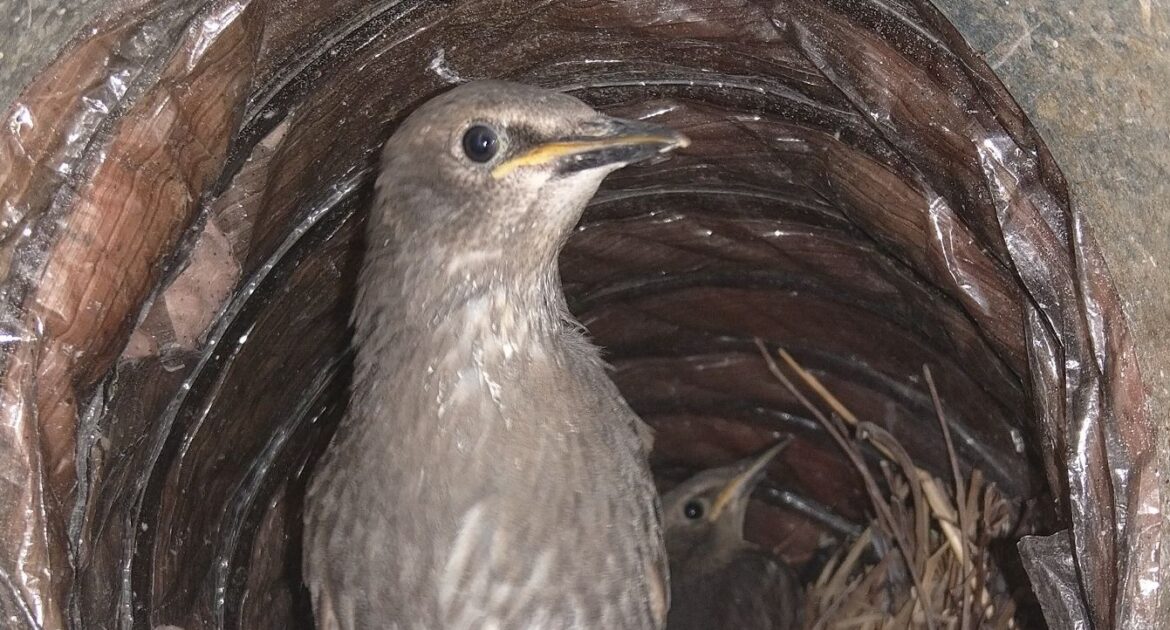
Credit: www.skedaddlewildlife.com
Health Risks Of Bird Droppings
Bird droppings can carry harmful germs. These germs can affect human health in many ways. It is important to know the risks.
People who clean bird droppings or live near birds may face health problems. The risks range from mild to serious.
Diseases Linked To Bird Droppings
Bird droppings may contain bacteria, fungi, and viruses. These can cause illnesses in humans. Some common diseases include:
- Histoplasmosis
- Cryptococcosis
- Psittacosis
- Salmonellosis
Respiratory Issues
Breathing in dust from dry bird droppings can harm the lungs. It may cause coughing, wheezing, or shortness of breath. People with asthma or lung problems are more at risk.
| Symptom | Possible Cause |
|---|---|
| Cough | Inhalation of fungal spores |
| Chest pain | Inflammation from infection |
| Fever | Body fighting germs |
| Shortness of breath | Blocked airways |
Allergic Reactions
Some people may have allergies to bird droppings. Symptoms include sneezing, itchy eyes, and skin rash. Repeated exposure can worsen these reactions.
- Runny nose
- Watery eyes
- Skin irritation
- Difficulty breathing

Credit: thepestexpertsayrshire.co.uk
How Bird Droppings Spread Germs
Bird droppings carry many germs that can harm humans. These germs spread in different ways.
Understanding how germs move helps us avoid health risks from bird droppings.
Contamination Of Surfaces
Bird droppings land on many surfaces like benches, cars, and sidewalks. Germs live in the droppings and stay on these surfaces for days.
- Touching contaminated surfaces can transfer germs to your hands.
- Hands can carry germs to your mouth, eyes, or nose.
- Cleaning surfaces without protection can spread germs further.
Airborne Particles And Dust
Dry bird droppings can break into tiny particles. These particles mix with dust and float in the air.
| Source | How Germs Spread |
| Dry Bird Droppings | Particles float in the air and can be breathed in |
| Disturbed Dust | Dust with germs settles on skin and clothes |
| Cleaning Without Masks | Inhaling germs from airborne particles |
Common Environments With Bird Dropping Hazards
Bird droppings can carry germs and cause health problems for people. They are often found in places where birds gather or rest. Understanding where these hazards appear helps keep areas clean and safe.
This article looks at common environments where bird droppings pose health risks. We focus on urban areas, parks, and buildings.
Urban Areas
City streets and busy sidewalks often have many pigeons and seagulls. These birds leave droppings on benches, sidewalks, and public transport stops. The droppings can spread bacteria and fungi that harm human health.
- Sidewalks and benches
- Bus and train stations
- Streetlights and traffic signals
- Outdoor cafes and markets
Parks And Outdoor Spaces
Parks attract many birds because of trees and water sources. Bird droppings in these areas can contaminate playgrounds, picnic tables, and walking paths. This makes it risky for children and adults to touch or walk through these spots.
| Location | Common Bird Types | Health Risks |
| Playgrounds | Gulls, Pigeons | Skin infections, respiratory issues |
| Picnic Areas | Doves, Sparrows | Food contamination |
| Walking Trails | Starlings, Crows | Fungal infections |
Buildings And Roofs
Birds like to roost on building ledges and rooftops. Their droppings can damage roofs and walls. The dried droppings become dust that spreads in the air and can cause breathing problems.
Places where bird droppings are often found on buildings include:
- Window sills and balconies
- Air conditioning units
- Roof gutters and chimneys
- Outdoor signage and lighting
Safe Cleaning Practices
Bird droppings can carry germs that may harm your health. Cleaning them safely is very important to avoid infections.
Using the right tools and methods protects you and keeps your space clean. Follow these steps to clean bird droppings properly.
Protective Gear To Use
Wear protective gear to avoid contact with harmful bacteria in bird droppings. This gear also helps prevent breathing in dust or particles.
- Gloves: Use waterproof gloves to protect your hands.
- Mask: Wear a mask to avoid breathing in dust or germs.
- Goggles: Protect your eyes from splashes.
- Long-sleeved clothing: Cover your skin fully.
Effective Cleaning Methods
Use safe cleaning methods to remove bird droppings without spreading germs. Avoid dry sweeping or brushing, which can spread dust.
- Soak the droppings with water mixed with detergent or disinfectant.
- Use a disposable cloth or paper towels to wipe the area.
- Rinse the surface with clean water after cleaning.
- Let the area dry completely.
Disposal Of Contaminated Materials
Throw away all materials used to clean bird droppings safely. This prevents germs from spreading to other areas.
| Material | Disposal Method |
|---|---|
| Gloves | Dispose in a sealed plastic bag |
| Paper towels or cloths | Place in a sealed plastic bag and trash |
| Cleaning water | Pour down a drain with running water |
Preventing Bird Dropping Accumulation
Bird droppings can cause damage and health problems. It is important to keep areas clean and free of droppings.
Preventing bird droppings helps protect buildings and reduces health risks from bacteria and fungi.
Bird Deterrent Techniques
Using bird deterrents stops birds from landing and making droppings. Many tools can keep birds away safely.
Common deterrents include spikes, nets, and reflective surfaces. These make places uncomfortable for birds.
- Install bird spikes on ledges and roofs
- Use bird nets to block nesting areas
- Hang reflective tape or shiny objects
- Place decoy predators like plastic owls
- Use sound devices that scare birds away
Regular Maintenance Tips
Cleaning bird droppings regularly stops buildup and damage. It also lowers health risks from germs.
Check areas often and clean droppings with safe products. Protect yourself by wearing gloves and a mask.
- Clean droppings weekly to prevent stains
- Use water and mild detergent for cleaning
- Wear protective gear during cleaning
- Seal cracks and holes to stop nesting
- Inspect and maintain deterrent devices
When To Seek Medical Help
Bird droppings can pose health risks. Knowing when to seek medical help is important. Early attention can prevent serious issues.
If you come into contact with bird droppings, watch for symptoms. This guide helps you understand when to consult a doctor.
Symptoms To Watch For
Some symptoms require immediate attention. Be aware of your body’s reactions.
- Fever or chills
- Breathing difficulties
- Persistent cough
- Severe headache
- Nausea or vomiting
Professional Diagnosis And Treatment
A doctor can diagnose infections from bird droppings. They may recommend specific treatments.
Consult a healthcare provider for:
- Accurate diagnosis
- Appropriate medication
- Follow-up care
| Symptom | Possible Condition | Recommended Action |
| Fever | Histoplasmosis | See a doctor |
| Cough | Psittacosis | Seek medical advice |
| Breathing issues | Cryptococcosis | Immediate care |

Credit: www.thesparklegang.uk
Frequently Asked Questions
Are Bird Droppings Harmful To Human Health?
Yes, bird droppings can carry harmful pathogens like bacteria, fungi, and viruses. These can cause respiratory issues and infections in humans, especially if inhaled or contacted directly.
Can Bird Droppings Cause Respiratory Diseases?
Bird droppings contain fungi such as Histoplasma, which can lead to respiratory infections like histoplasmosis. Inhaling dried droppings increases the risk of lung-related illnesses.
How To Safely Clean Bird Droppings?
Wear gloves and a mask when cleaning droppings. Use disinfectants and avoid dry sweeping to prevent airborne particles and reduce health risks.
Do Bird Droppings Damage Property?
Yes, bird droppings are acidic and can corrode metals, damage paint, and deteriorate building materials over time. Prompt cleaning helps prevent structural damage.
Conclusion
Bird droppings can carry germs that harm health. They may cause allergies and infections. Keeping areas clean reduces risks effectively. Avoid touching droppings with bare hands. Use gloves and wash hands well afterward. Regular cleaning helps protect your family and pets.
Stay safe by managing bird waste carefully. Simple steps prevent health problems easily. Remember, small actions make a big difference.




