
Have you ever wondered why tropical birds dazzle us with their bright and beautiful colors more than birds anywhere else? Their stunning feathers seem to burst with every shade imaginable, capturing your attention instantly.
But there’s more to these vibrant colors than just looks—they hold secrets about survival, attraction, and even the environment. If you’re curious about what makes tropical birds so uniquely colorful and how it affects their lives, keep reading. You’re about to discover fascinating reasons that will change the way you see these feathered wonders forever.
Credit: www.iflscience.com
Vibrant Colors In Tropical Birds
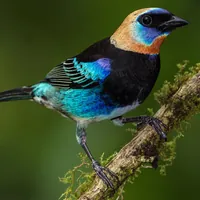
Tropical birds display some of the most vibrant colors on Earth. Their feathers shine with bright reds, blues, greens, and yellows. These colors catch the eye and make tropical birds stand out in lush forests. The vivid hues serve many purposes, from attracting mates to blending with flowers and fruits.
The secret behind their dazzling colors lies in unique pigments and special feather structures. The way light interacts with their feathers also plays a big role. These factors combine to create the rich palette seen in tropical birds.
Unique Pigments And Structures
Tropical birds use special pigments to produce bright colors. Carotenoids give reds, oranges, and yellows. These pigments come from the bird’s diet, often from eating fruits and insects.
Another pigment, melanin, creates blacks and browns. It also strengthens feathers. Tropical birds have a mix of pigments that create stunning color patterns.
Feather structure adds another layer of color. Tiny layers in feathers reflect light in special ways. This reflection causes iridescence, making colors shift and glow.
- Microscopic structures cause blues and greens.
- Light waves reflect and scatter to show colors.
- Structural colors last longer than pigment colors.
Role Of Light And Environment
Light affects how we see bird colors. Bright sunlight in tropical areas enhances color brightness. Shadows and filtered light through leaves also change color appearance.
Forest environments provide a colorful background. Birds blend or contrast with leaves, flowers, and fruits. This helps with camouflage or signaling.
Colors may also help birds communicate. Bright colors can warn rivals or attract mates. Light and environment shape how colors evolve in tropical birds.
Evolutionary Advantages
Tropical birds display a dazzling range of colors for important evolutionary reasons. Their bright feathers do not just catch the eye. They serve key roles in survival and reproduction. Color helps these birds adapt to their unique environments and improve their chances of thriving.
Mating And Attraction
Bright colors help tropical birds attract mates. Males often show off vivid feathers during courtship displays. These colors signal health and strong genes to females. A bird with rich colors stands out among others. This increases its chance to find a partner and reproduce. Colorful plumage acts like a natural advertisement of fitness.
Camouflage And Survival
Colors also help birds hide from predators. Tropical forests have complex light and shadow patterns. Birds use bright colors to blend with flowers, fruits, and leaves. This makes it harder for predators to spot them. Some birds even mimic the colors of poisonous or unpalatable species. This form of camouflage increases their chances of survival in the wild.
Environmental Influences
Tropical birds showcase vibrant colors due to unique environmental factors. These factors shape their appearance and help them survive. The environment influences their colors through climate, habitat, diet, and nutrition. Each element plays a key role in making tropical birds more colorful.
Climate And Habitat
Tropical regions have warm temperatures all year. This stable climate allows birds to maintain bright feathers. Dense forests and varied habitats create many light conditions. Birds adapt by developing vivid colors to stand out or blend in.
Bright colors help with mating and communication in these busy environments. Colorful feathers also protect birds by confusing predators. The rich plant life provides shelter and places to hide. This encourages birds to evolve striking color patterns to fit their surroundings.
Diet And Nutrition
Tropical birds eat a variety of fruits, seeds, and insects. These foods contain pigments called carotenoids. Carotenoids give feathers red, orange, and yellow shades. A rich diet of colorful foods helps birds produce brighter feathers.
Protein and vitamins from their diet support feather health and shine. Birds with better nutrition grow stronger and more vibrant plumage. Diet quality directly affects how bright and colorful the feathers become.

Credit: www.freepik.com
Comparison With Non-tropical Birds
Comparing tropical birds with their non-tropical counterparts reveals striking differences in color and behavior. These differences help explain why tropical birds often appear more vibrant and diverse. Understanding these contrasts can change how you see birds in your own backyard or during travels.
Color Patterns And Diversity
Tropical birds display an incredible range of colors and patterns that often outshine non-tropical species. Their feathers can shine with blues, reds, greens, and yellows all at once. In contrast, many non-tropical birds lean towards more muted browns, grays, and whites.
This vibrant coloration in tropical birds serves many purposes beyond beauty. It helps them blend into the bright, lush environments of rainforests or signal to potential mates. You might wonder why birds in less colorful environments don’t evolve similar patterns. The answer lies in their habitat and survival needs, which favor camouflage over display.
Behavioral Differences
Tropical birds often exhibit more complex behaviors linked to their bright colors. They use their vivid feathers in elaborate courtship dances and territorial displays. These behaviors are less common among non-tropical birds, where simpler calls or movements are typical.
Your experience watching tropical birds might include witnessing these lively displays firsthand. This intensity in behavior matches the visual signals they send with their feathers. Do you think such behaviors make tropical birds easier or harder to spot compared to their duller relatives?
Scientific Studies And Discoveries
Scientific studies have shed fascinating light on why tropical birds display such vibrant and diverse colors. Researchers have investigated the evolutionary, environmental, and biological factors that contribute to their stunning plumage. These discoveries not only deepen our understanding of nature but also challenge us to think about the complex ways animals communicate and survive.
Recent Research Highlights
Recent studies reveal that the intense colors of tropical birds often result from sexual selection, where brighter feathers help attract mates. Some species use color signals to show health and vitality, influencing their chances of reproducing.
Scientists have also found that the dense forest environment plays a role. Bright colors stand out in the dim, green surroundings, making it easier for birds to recognize each other.
Another surprising finding is how birds can see ultraviolet light, which humans cannot. This means their colorful displays might be even more vivid than what we perceive.
Technological Advances In Color Analysis
New technologies like spectrophotometry allow scientists to measure bird feather colors with incredible precision. This helps identify subtle differences that were once invisible to the naked eye.
High-speed cameras and 3D imaging provide insights into how light interacts with feather structures, explaining how some birds create shimmering effects.
These tools have practical benefits for you as a birdwatcher or nature enthusiast. They can guide you in spotting and identifying species based on color patterns you might have missed before.
Human Impact And Conservation
The vibrant colors of tropical birds captivate our imaginations and bring joy to birdwatchers worldwide. However, human activities have a profound impact on these stunning creatures. As we strive to understand and protect them, it’s crucial to explore the threats they face and the efforts underway to ensure their survival.
Threats To Colorful Species
Tropical birds face numerous threats due to human activities. Deforestation for agriculture and urban development destroys their natural habitats, leaving them with fewer places to live and breed. Illegal wildlife trade also poses a significant risk, as these beautiful birds are often captured and sold as exotic pets.
Pollution, especially pesticides, further endangers these species by contaminating their food sources. Climate change adds another layer of complexity, altering ecosystems and forcing birds to adapt quickly or face extinction. You might wonder, how can we help these birds in such dire circumstances?
Efforts To Preserve Tropical Birds
Conservationists and organizations worldwide are working tirelessly to protect tropical birds. Habitat restoration projects aim to rebuild the forests and environments these birds call home. By planting trees and restoring natural landscapes, we can provide safe havens for them to thrive.
Education programs raise awareness about the importance of these species and the need for their protection. When communities understand the value of preserving their local wildlife, they are more likely to engage in conservation efforts. You can play a part too by supporting initiatives that focus on sustainable living and biodiversity protection.
Isn’t it fascinating to think about how much our actions can influence the fate of these colorful birds? What steps will you take today to contribute to their conservation?
:focal(1061x707:1062x708)/https://tf-cmsv2-smithsonianmag-media.s3.amazonaws.com/filer_public/2c/74/2c74a43f-f969-4fbf-9165-2b8227ec68a6/gettyimages-898596862.jpg)
Credit: www.smithsonianmag.com
Frequently Asked Questions
Why Are Tropical Birds More Colorful Than Others?
Tropical birds are more colorful due to abundant sunlight and diverse habitats. Bright colors help in mating, camouflage, and communication. These birds evolved vivid plumage to attract mates and blend into vibrant environments, enhancing survival and reproduction in tropical ecosystems.
How Does Environment Affect Tropical Bird Colors?
The tropical environment offers rich vegetation and varied lighting. This promotes bright colors for camouflage and signaling. High humidity and temperature influence pigment production, making tropical birds display more intense and diverse hues compared to birds in temperate zones.
Do Tropical Birds Use Color For Mating?
Yes, tropical birds use bright colors to attract mates. Vibrant feathers signal health and genetic fitness. Males often display striking colors during courtship to impress females, increasing their chances of reproductive success in competitive tropical habitats.
What Pigments Make Tropical Birds Colorful?
Tropical birds’ colors come from pigments like melanins, carotenoids, and psittacofulvins. Carotenoids produce reds and yellows, while melanins yield blacks and browns. Psittacofulvins, unique to parrots, create bright reds and oranges, contributing to the vivid tropical bird palette.
Conclusion
Tropical birds show bright colors to attract mates and stay safe. Their environment lets them use vivid colors without risk. These colors help them find food and warn others. Bright feathers also show health and strength. Nature shapes these birds in special ways.
Their colors tell stories about survival and beauty. Understanding this helps us appreciate wild birds more. Colors in tropical birds are truly amazing to see.




