
Are you ready to attract more colorful birds to your yard? Knowing exactly where to hang bird feeders can make all the difference.
The right spot not only brings more feathered friends but also keeps them safe and comfortable. Imagine watching your garden come alive with birdsong every day. You’ll discover simple tips to choose the perfect locations for your feeders. Keep reading, and turn your outdoor space into a vibrant haven for birds you’ll love to watch.

Credit: www.amazon.com
Choosing The Right Location
Choosing the right location for your bird feeders is key to attracting birds and keeping them safe. A good spot offers a mix of comfort and protection. Birds need easy access to food and a safe place to rest. The right balance of sunlight, shade, and shelter makes a big difference.
Balancing Sunlight And Shade
Place feeders where birds get morning sun. It helps them warm up after cold nights. Afternoon shade protects them from harsh heat. Sunlight also keeps seed dry and fresh. Too much sun can spoil seeds quickly. Shade keeps feeders cooler and more inviting.
Avoiding Windy Areas
Strong wind scares birds away. It can blow seeds everywhere. Choose a spot sheltered by trees or buildings. A calm area helps birds eat without stress. Wind protection also prevents feeder damage. Look for natural barriers to block wind.
Ensuring Easy Access For Birds
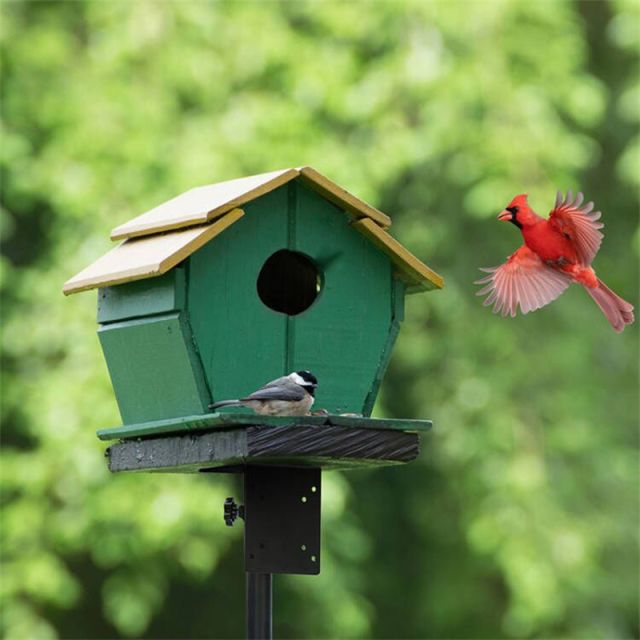
Birds need clear, open space to reach feeders. Avoid placing feeders near busy paths or noisy spots. Birds prefer quiet and safety. Keep feeders close to bushes or trees. They offer quick escape routes from predators. Easy access means more bird visits.
Credit: www.kingsyard.com
Near Natural Cover
Placing bird feeders near natural cover helps birds feel safe and comfortable. Trees and shrubs offer a good hiding place and protection from bad weather. Birds use these areas to rest before and after feeding. Natural cover also attracts more birds by providing food and shelter.
Placing Feeders Close To Trees And Shrubs
Put feeders within 3 to 10 feet of trees or shrubs. This distance lets birds quickly escape if threatened. Trees also offer shade, keeping food fresh longer. Avoid placing feeders too close, which may invite predators or cause messes on the plants.
Providing Shelter From Predators
Natural cover helps birds hide from cats, hawks, and other dangers. Thick bushes or dense branches make it harder for predators to catch birds. Position feeders so birds can fly to safety easily. This setup encourages more birds to visit regularly and feed safely.
Visibility And Safety
Choosing the right spot to hang bird feeders affects both bird safety and your enjoyment. Birds need clear views to spot food and watch for predators. At the same time, the feeder should protect them from dangers like cats or window collisions. Balancing visibility with safety keeps birds coming back.
Choosing Visible Spots For Birds
Place feeders where birds can easily see them from the sky or nearby trees. Open spaces near bushes or tree branches work well. Birds feel safer when they can quickly fly to cover if threatened.
- Pick spots with good sunlight to attract more birds.
- Keep feeders near natural shelter like shrubs or tall plants.
- Make sure the area is quiet and free from heavy foot traffic.
Keeping Feeders Away From Windows
Windows can confuse birds and cause crashes. Place feeders either very close (within 3 feet) or far away (over 30 feet) from windows. This reduces the chance of birds flying fast into glass.
- Use window decals or screens if feeders must be near glass.
- Position feeders so birds approach from the side, not head-on.
- Keep feeders away from reflective surfaces that create false images.
Different Heights For Different Birds
Different bird species prefer feeding at various heights. Setting feeders at multiple levels attracts a wider variety of birds. It also keeps them comfortable and safe while eating. Understanding these height preferences helps you choose the right spot for each feeder.
Low Feeders For Ground Birds
Ground birds like doves, sparrows, and juncos prefer feeders close to the ground. Place feeders about 1 to 2 feet above the soil. This height lets these birds feed naturally and feel secure.
Use platform feeders or trays on the ground. Keep the area clean to avoid attracting pests. Adding some cover nearby, like shrubs, offers protection from predators.
High Feeders For Songbirds
Songbirds such as finches, chickadees, and cardinals like feeders placed higher up. Hang feeders 5 to 6 feet above the ground for best results. This height keeps them safe from cats and other ground threats.
Use hanging or pole-mounted feeders. Place them near trees or bushes for quick escape routes. This setup encourages more visits from colorful and lively songbirds.
Creating A Bird-friendly Yard
Creating a bird-friendly yard invites more birds to visit and stay longer. It means making a safe and welcoming space with food, water, and shelter. Birds need more than just feeders. They thrive in yards that offer a natural environment. Small changes can make a big difference in attracting birds.
Combining Feeders With Birdbaths
Birdbaths attract birds by offering fresh water for drinking and bathing. Place birdbaths near feeders but with some space. Birds feel safer when they can drink and eat close but still watch for danger.
- Keep birdbaths clean and filled with fresh water.
- Choose shallow baths with gentle slopes for easy access.
- Place baths in open areas to prevent hiding predators.
Water helps birds stay healthy and active. It also encourages different bird species to visit your yard.
Adding Native Plants For Habitat
Native plants provide shelter and natural food for birds. They attract insects, seeds, and berries birds love. Planting native shrubs, trees, and flowers creates a safe home.
- Choose plants that bloom in different seasons for year-round food.
- Use dense bushes for nesting and hiding spots.
- Leave some leaf litter or dead wood for insects and shelter.
Native plants support the whole bird ecosystem. They make your yard a natural haven that birds prefer over bare spaces.
Adjusting For Seasonal Changes
Adjusting bird feeders for seasonal changes ensures birds have access to food year-round. Seasonal shifts affect sunlight and weather conditions. These factors impact where and how you hang bird feeders. By adapting to these changes, you help provide a consistent food source for birds.
Moving Feeders With Changing Sunlight
Sunlight changes with each season. In winter, the sun sits lower in the sky. This affects where you place bird feeders for optimal exposure. Move feeders to sunny spots during cold months. Sunlight helps keep feeders warm and visible to birds. In summer, consider shaded areas. Shaded spots prevent overheating and keep seeds fresh.
Preventing Ice And Snow Build-up
Winter weather can be harsh. Snow and ice can block bird feeders. This makes food inaccessible. Position feeders under coverings or tree branches. These offer protection from snow. Regularly check and clear feeders. This prevents build-up and ensures birds can feed. Consider using heated bird baths. These provide water when other sources freeze.
Tips For Maintenance And Cleanliness
Choose a spot that is easy to reach for regular cleaning and refilling. Place feeders away from windows to prevent bird collisions and keep the area tidy to avoid pests. Regular maintenance keeps birds safe and your garden neat.
Keeping your bird feeders clean is essential to maintain a healthy environment for your feathered friends. Not only does it prevent the spread of disease, but it also ensures that your backyard remains an inviting place for birds. Let’s dive into some practical tips for maintaining and cleaning your bird feeders effectively.Regular Cleaning Schedules
Establish a routine to clean your bird feeders at least once a week. This might seem frequent, but it’s crucial to prevent bacteria buildup. A simple wash with warm water and mild soap will usually suffice. Make sure to rinse thoroughly to avoid soap residue. If you have multiple feeders, consider staggering their cleaning schedules to make the task more manageable. You can also involve family members in the cleaning process, making it a fun and educational activity for everyone.Preventing Mold And Spoiled Food
Moldy or spoiled food can deter birds and even harm them. Check your feeders daily for damp or clumped seeds, especially after rain. Use weather guards or place feeders under a sheltered area to keep food dry. You can also try using seed trays with drainage holes. If you notice mold, remove the affected food immediately and clean the feeder before restocking. Have you ever noticed how quickly mold can form during humid weather? Taking these precautions can help keep your feathered visitors safe and healthy.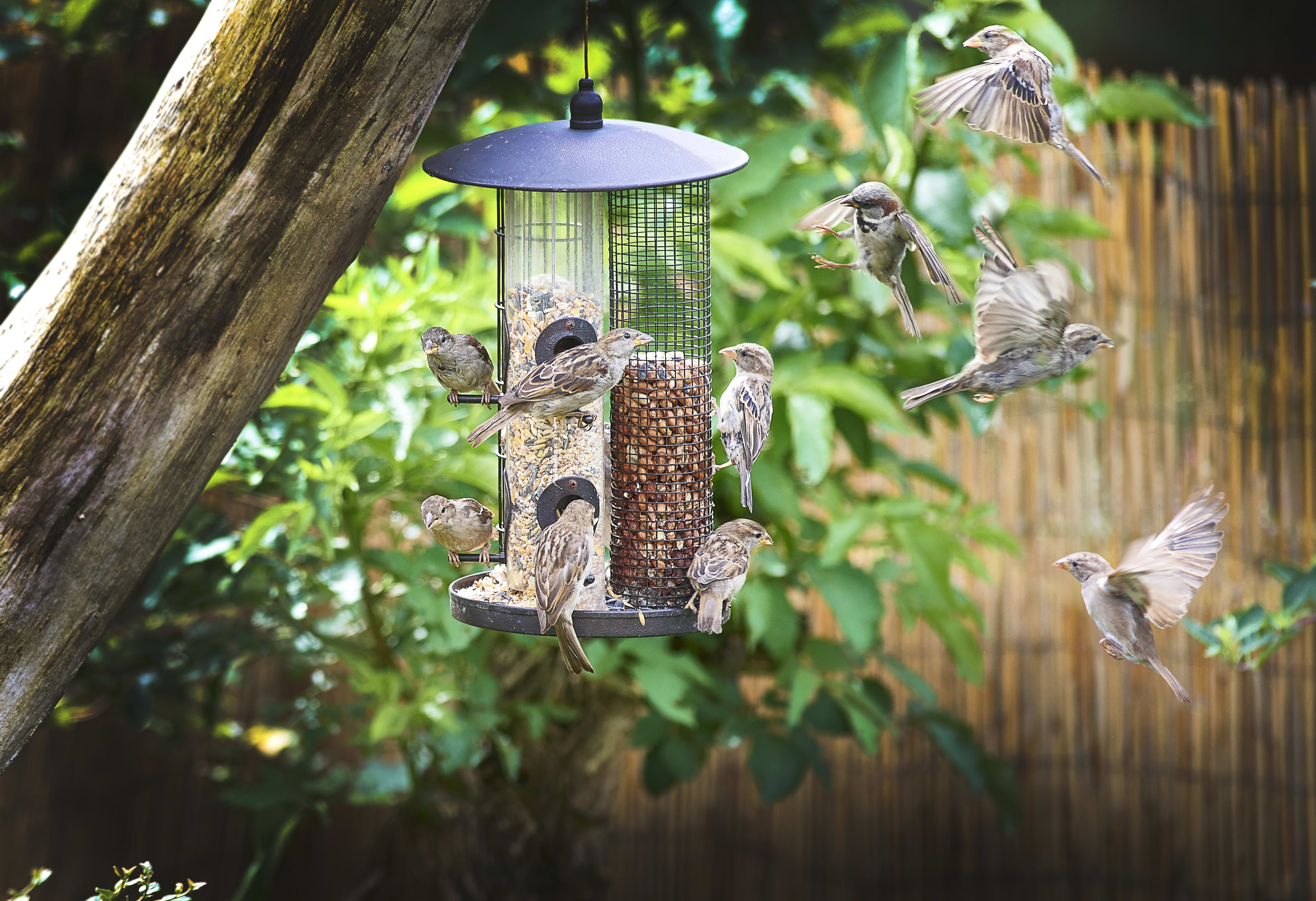
Credit: dengarden.com
Frequently Asked Questions
Where Is The Best Location To Hang Bird Feeders?
The best location is near trees or shrubs for shelter and perching. Place feeders 3-5 feet off the ground and away from predators. Ensure visibility for birds and easy access for refilling and cleaning.
How Far Should Bird Feeders Be From Windows?
Keep feeders at least 3 feet from windows to prevent bird collisions. Alternatively, placing feeders 30 feet away reduces impact risk. Use window decals to further protect birds if closer placement is necessary.
Can I Hang Bird Feeders In Windy Areas?
Avoid placing feeders in very windy spots. Strong winds can spill seeds and deter birds. Choose sheltered locations that protect feeders from harsh weather and keep seeds dry.
Should Bird Feeders Be Near Birdbaths Or Water Sources?
Yes, placing feeders near water attracts more birds. Birds need water for drinking and bathing. Position birdbaths within 10-15 feet of feeders for convenience and increased bird visits.
Conclusion
Choosing the right spot to hang bird feeders helps birds feel safe and welcome. Place feeders near trees or shrubs for shelter and easy landing. Keep them away from busy areas to avoid scaring birds. Clean feeders regularly to keep birds healthy.
Watching birds up close brings joy and peace. Small changes in feeder placement make a big difference. Enjoy nature’s visitors right in your backyard. Start with simple steps and see which spots work best. Happy bird watching!




