
Have you ever wondered when birds prefer to visit your bird bath? Knowing the best time of day to attract these feathered friends can make your backyard come alive with activity.
Whether you want to enjoy their lively splashes or help them stay refreshed, understanding their habits can make all the difference. Keep reading to discover the secret times when birds flock to bird baths and how you can make your space their favorite stop.
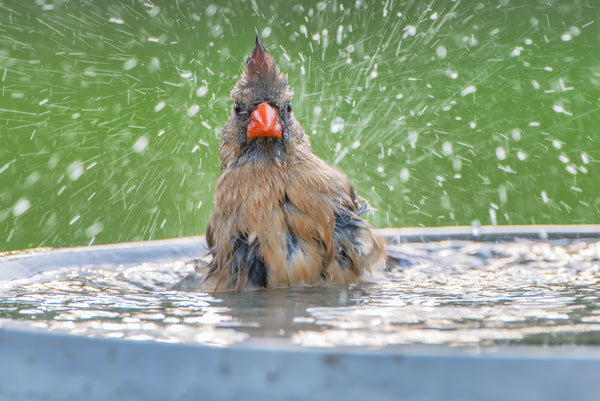
Credit: sunnydazedecor.com
Daily Patterns Of Bird Bathing
Birds visit bird baths at different times throughout the day. Their bathing habits change with the sun and temperature. Understanding these daily patterns helps you enjoy watching birds more. It also helps keep bird baths clean and full of fresh water.
Morning Activity
Birds are most active in the morning. They use bird baths to clean feathers and drink water. The cooler air makes morning the best time for bathing. Many species arrive at dawn to refresh before starting their day.
Midday Behavior
During midday, birds visit bird baths less often. The sun is strong and temperatures rise. Birds rest in the shade to avoid heat. Some still come to drink water but bathing slows down.
Evening Visits
Birds return to bird baths in the evening. The air cools, and they prepare for night. Bathing cleans dirt and dust from feathers. Evening visits help birds stay healthy and comfortable overnight.
Factors Influencing Bathing Times
Birds choose specific times to use bird baths based on several factors. These factors impact their safety, comfort, and hydration needs. Understanding these helps predict when birds are most active at baths. It also guides how to set up a bird bath for better bird visits.
Temperature Effects
Birds prefer cooler parts of the day for bathing. Early morning and late afternoon are common times. High midday heat can make birds avoid the bath to prevent overheating. Water temperature also matters. Cold water can discourage bathing, while warm water attracts more birds.
Predator Presence
Birds watch for predators before using a bath. They avoid times when predators are active nearby. Dawn and dusk can be risky due to low visibility. Birds choose safer daylight hours to stay alert. A quiet, safe environment invites more bird visits.
Seasonal Changes
Bird bathing habits change with seasons. In hot summer months, birds bathe more to cool down. Winter bathing may decrease due to cold water and low temperatures. Spring and fall see moderate bathing as birds prepare for migration or breeding. Seasonal water availability also affects bathing times.
Bird Species And Their Bathing Habits
Bird species have different times and ways to use bird baths. Their bathing habits depend on their daily routines and needs. Understanding these habits helps in attracting various birds to your yard. Some birds prefer the cool morning hours, while others enjoy baths in the heat of the day. A few species even visit bird baths during the night. Each group has unique behaviors that shape their bathing patterns.
Early Risers
Many small birds take their baths early in the morning. These birds include sparrows, finches, and chickadees. Morning baths help them clean their feathers after a night of rest. Bathing early also prepares them for the day ahead. The water is usually calm and fresh, making it ideal for quick dips. Early risers avoid midday heat and stay safe from predators.
Afternoon Bathers
Larger birds often bathe in the afternoon. Robins, blue jays, and cardinals like the warmth of the midday sun. Bathing in the afternoon helps these birds cool down. It also helps remove dust and dirt from their feathers. Afternoon bathers usually take longer baths than early risers. They may splash around vigorously, enjoying the sun’s warmth.
Nocturnal Visitors
Some bird species visit baths at night. Owls and nightjars are examples of nocturnal bathers. These birds are active after dark and use baths to stay clean. Nighttime baths are quieter and safer for these birds. They avoid competition and disturbance from daytime birds. Providing a safe, well-lit bird bath can attract these nocturnal visitors.

Credit: www.birdwatchingdaily.com
Optimizing Bird Baths For Peak Use
Birds often visit baths early in the morning and late afternoon when temperatures are cooler. Placing bird baths in shaded areas encourages more frequent use throughout the day. Fresh, clean water attracts birds and keeps them coming back.
Bird baths can be a delightful addition to your garden, providing a refreshing oasis for our feathered friends. To ensure these charming visitors make the most of your bird bath, it’s essential to optimize it for peak use. Understanding when birds are most active and tailoring your setup can make all the difference. By focusing on the right placement, maintaining water quality, and enticing more birds, you can create a bustling bird bath that brings joy to both you and your avian guests.Placement Tips
Position your bird bath in a spot that is easily accessible yet safe for birds. A shady area is ideal to keep the water cool and fresh, offering a respite during hot days. Place it near trees or shrubs to provide a quick escape route from predators. Birds feel more secure knowing they can swiftly seek cover if needed. Ensure the bath is at a height that deters cats but is still within reach for smaller birds. A stand or pedestal can help achieve this balance.Water Quality And Maintenance
Clean, fresh water is crucial for attracting birds. Change the water every two to three days to prevent algae growth and mosquito breeding. Scrub the basin regularly with a brush to remove any dirt or bacteria. Avoid using harsh chemicals; a simple mixture of vinegar and water works wonders. Consider adding a small solar-powered fountain or dripper. Moving water not only stays fresh longer but also catches the attention of nearby birds.Attracting More Birds
Enhance your bird bath setup with a variety of bird-friendly plants nearby. This provides food and habitat options, enticing different species to visit. Offer seeds or bird feeders in the vicinity to encourage frequent visits. Remember to keep them well-stocked to maintain a bustling bird community. Think about adding decorative stones or pebbles inside the bath. These give smaller birds a place to perch while they drink or bathe, making them feel more comfortable. By optimizing your bird bath with these practical tips, you’ll create a thriving sanctuary that draws in a diverse array of birds, enriching your outdoor space with life and color. What changes will you make to your bird bath today?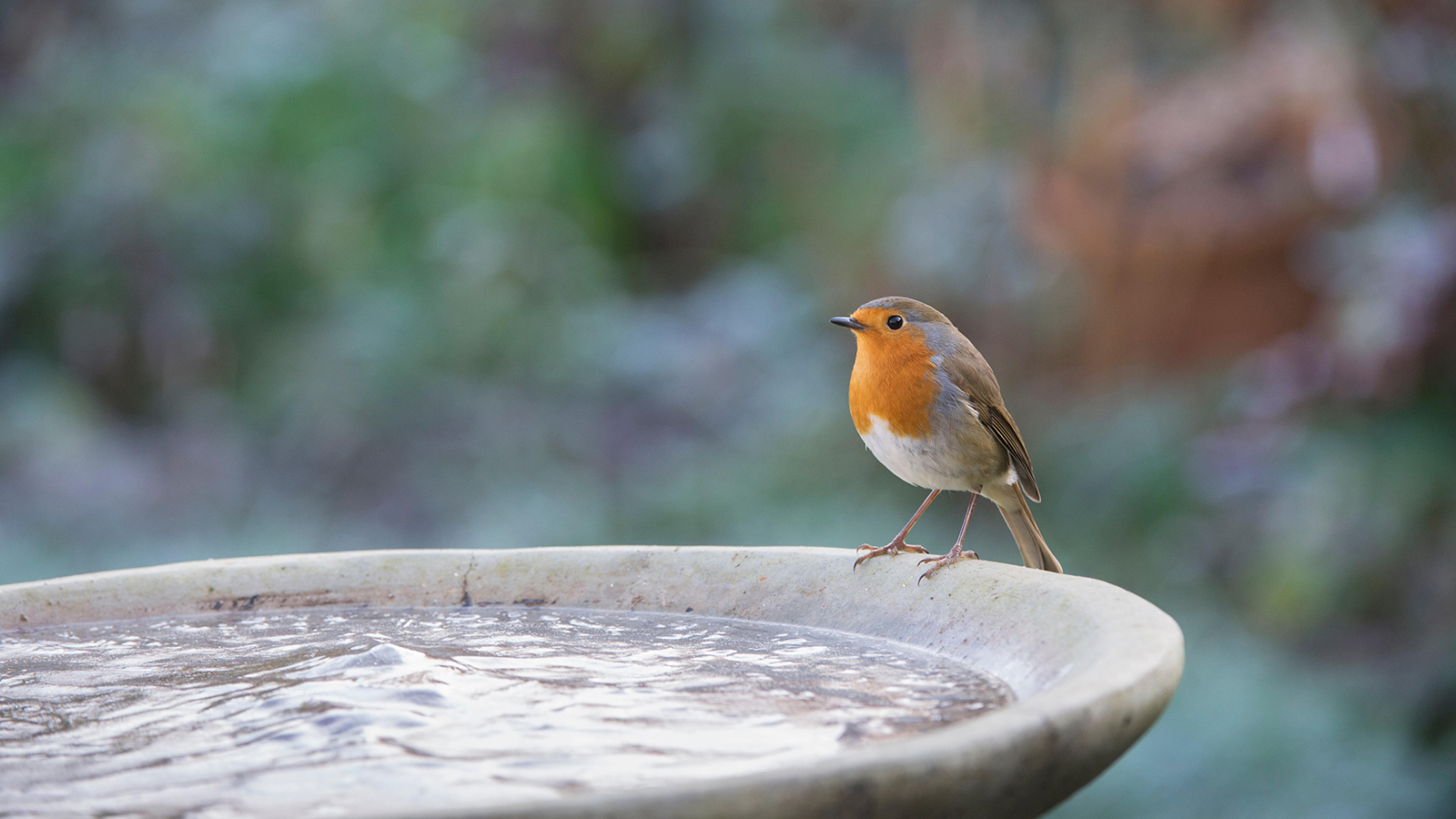
Credit: www.homesandgardens.com
Frequently Asked Questions
When Do Birds Usually Visit Bird Baths?
Birds typically visit bird baths early morning and late afternoon. These times offer cooler temperatures and safer conditions for drinking and bathing.
Why Do Birds Prefer Morning For Bird Baths?
Morning visits help birds hydrate after the night and clean their feathers. Cooler air and less human activity make mornings ideal.
Are Bird Baths Used More In Hot Or Cold Weather?
Bird baths see more use in hot weather. Birds need extra water to cool down and maintain feather health.
How Long Do Birds Stay At Bird Baths?
Birds usually stay a few minutes. They quickly drink, bathe, and then fly off to avoid predators.
Conclusion
Birds often visit baths early in the morning and late afternoon. These times are cooler and safer for them. Bird baths need fresh, clean water to attract birds. Keep the water level shallow and change it regularly. Watching birds enjoy baths can bring calm and joy.
Providing a bath helps birds stay healthy and hydrated. Try placing your bird bath in a quiet, shady spot. This simple act supports local wildlife every day.




