
Are you thinking about raising backyard chickens but worried about bird flu? You’re not alone.
Many chicken owners wonder if keeping birds at home is safe when outbreaks make the news. The truth is, understanding the risks and how to protect your flock—and yourself—is key. You’ll discover practical tips and important facts that will help you keep your chickens healthy and your family safe.
Keep reading to learn how to enjoy your backyard flock without fear.
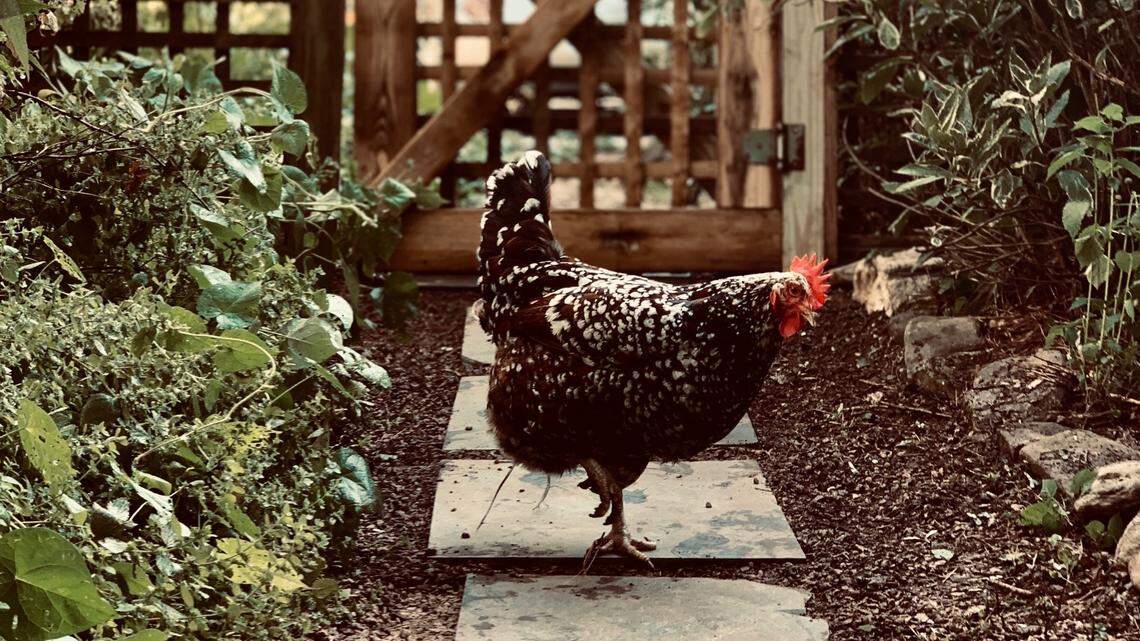
Credit: www.newsobserver.com
Risks Of Bird Flu For Backyard Chickens
Keeping backyard chickens can be rewarding, but it’s important to be aware of the risks bird flu poses to your flock. Bird flu, also known as avian influenza, is a contagious viral infection that can spread quickly among birds. Understanding these risks helps you protect your chickens and maintain a healthy coop.
How Bird Flu Spreads
Bird flu spreads primarily through direct contact with infected birds or their droppings. Wild birds, especially waterfowl, often carry the virus without showing symptoms, making them a hidden threat to backyard flocks.
Contaminated surfaces, feed, water, and even clothing or equipment can transfer the virus. Have you ever thought about how easily a visit to a park with wild birds might affect your chickens? Taking precautions to avoid contact between your flock and wild birds is crucial.
Symptoms In Chickens
Bird flu symptoms vary but often include sudden death, lethargy, swollen combs, and respiratory distress. You might notice your chickens coughing, sneezing, or having a drop in egg production.
Sometimes symptoms are subtle, so regular observation is key. Have you checked your chickens for unusual behavior or signs of illness recently? Early detection can make a big difference in managing outbreaks.
Impact On Backyard Flocks
Bird flu can devastate backyard flocks, causing high mortality rates and severe illness. Beyond the health impact, outbreaks often lead to quarantine or culling orders from authorities to prevent further spread.
This means losing birds and facing strict restrictions on movement and sales. How prepared are you to handle an outbreak in your own flock? Planning ahead can help minimize losses and keep your chickens safe.
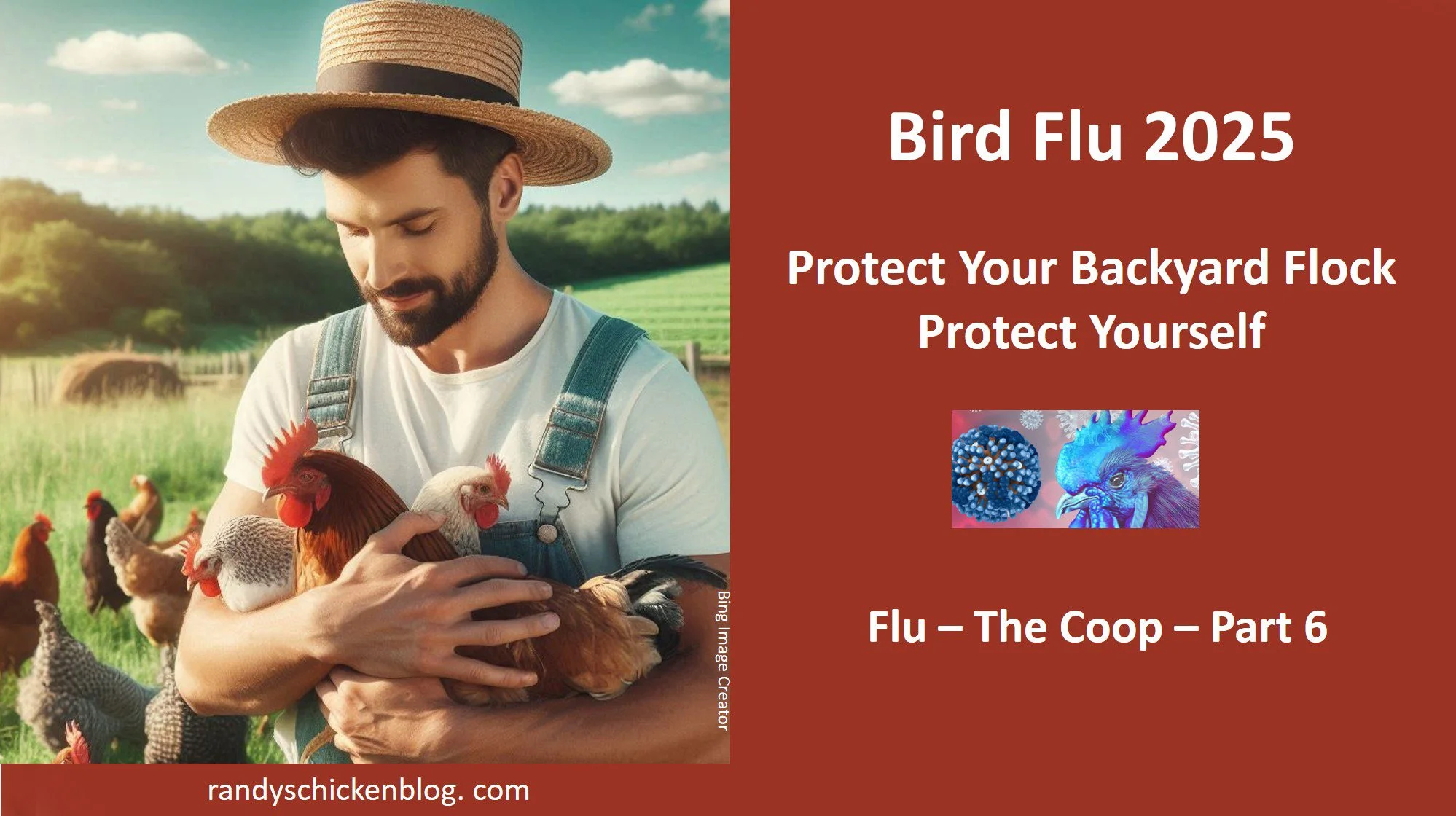
Credit: www.randyschickenblog.com
Preventing Bird Flu In Backyard Flocks
Keeping backyard chickens safe from bird flu requires careful prevention. Bird flu spreads quickly among birds and can be harmful. Taking strong steps helps protect your flock and home. Understanding how to stop the virus is key.
Biosecurity Measures
Biosecurity means keeping disease away from your chickens. Clean your hands before and after handling birds. Use separate clothes and shoes for the coop. Disinfect tools and equipment regularly. Keep visitors away from the flock. Remove dead birds quickly and safely.
Safe Feeding And Watering Practices
Use clean feeders and water containers every day. Avoid leaving food on the ground. Store feed in sealed containers to stop pests. Provide fresh water often to prevent contamination. Do not share feed with wild birds or other animals.
Limiting Contact With Wild Birds
Wild birds can carry bird flu without signs. Keep chickens in a secure coop or run. Cover outdoor areas with netting to block wild birds. Remove standing water where wild birds gather. Avoid feeding chickens outside where wild birds visit.
Safe Handling And Care During An Outbreak
Handling and caring for backyard chickens during a bird flu outbreak demands extra caution and vigilance. Your safety and the health of your flock depend on strict hygiene and protective measures. The following tips help you minimize risks while ensuring your chickens stay as healthy as possible.
Protective Gear For Handlers
Always wear protective gear before entering the chicken coop. Use disposable gloves, a face mask, and boots that can be cleaned or discarded after use. This gear prevents the virus from spreading to you or other animals.
Think about your daily routine: are you touching your face or phone while caring for your chickens? Avoid these habits to reduce contamination risks. Changing clothes and washing hands thoroughly after handling chickens is essential.
Cleaning And Disinfecting Coop
Clean the coop regularly with approved disinfectants that kill bird flu viruses. Remove all bedding and droppings before applying the disinfectant to hard surfaces. This step breaks the virus’s survival cycle.
Focus on high-touch areas like feeders, waterers, and door handles. Using a scrub brush helps remove dirt and organic matter that can protect the virus. Don’t forget to clean tools and equipment used inside the coop as well.
Monitoring Flock Health
Watch your chickens closely for signs of illness such as sudden death, coughing, sneezing, or reduced egg production. Early detection can stop the disease from spreading further.
Keep a daily health log to track any changes in behavior or appearance. If you notice any symptoms, contact your local veterinarian immediately. Prompt action can save your flock and protect your neighborhood.
When To Seek Veterinary Help
Signs like sudden weakness, loss of appetite, or unusual behavior in backyard chickens need quick veterinary attention. Early help can prevent bird flu from spreading and protect both birds and humans. Always watch for respiratory problems or strange droppings as warning signs.
Having backyard chickens can be a rewarding experience, but it’s crucial to know when to seek veterinary help, especially concerning bird flu. Understanding the signals that indicate a serious health issue is vital for the well-being of your feathered friends. Recognizing when to act can make a significant difference in managing the health of your flock and ensuring the safety of your household.Recognizing Severe Symptoms
Early detection of severe symptoms in chickens can save lives. Look for signs like sudden drop in egg production, respiratory issues, or lethargy. If you notice your chickens exhibiting these symptoms, it’s time to consult a veterinarian. Sometimes, you might observe unusual swelling around the head or a noticeable color change in the comb. These can be indicators of a serious underlying problem. Trust your instincts; if something seems off, it’s better to be cautious.Testing And Diagnosis
A professional diagnosis is essential for addressing bird flu. Your veterinarian may recommend tests to confirm the presence of the virus. These tests can provide clear guidance on the next steps for treatment. Timely testing can prevent the spread of the virus to other birds in your flock. It also helps you understand the specific strain of bird flu, which can influence the treatment plan. Remember, acting quickly can protect both your chickens and your family.Treatment Options
Once diagnosed, your veterinarian will discuss treatment options. This may include antiviral medications or supportive care to ease symptoms. The goal is to improve your chickens’ health while preventing further spread. In some cases, quarantine measures might be necessary to protect other animals and humans. Your vet will guide you on creating an effective isolation area. It’s essential to follow these recommendations to ensure the safety of your entire flock. Do you feel prepared to handle a health crisis with your chickens? Understanding when to seek help is a crucial part of responsible poultry keeping. Prioritize their health, and you’ll enjoy the benefits of a thriving backyard flock.Legal And Community Guidelines
Understanding the legal and community guidelines around keeping backyard chickens is crucial, especially with concerns about bird flu. These rules help protect both your flock and your neighbors. Knowing what actions to take and where to find support can make a big difference in managing risks effectively.
Reporting Cases
If you suspect bird flu in your backyard chickens, reporting it immediately is essential. This helps authorities track the disease and prevent it from spreading. Many local agriculture departments have hotlines or online forms for quick reporting.
Failing to report can lead to larger outbreaks and even legal trouble. Have you checked how to report cases in your area yet?
Local Regulations On Backyard Chickens
Your city or county likely has specific rules about keeping chickens. These may include limits on the number of birds, coop placement, and biosecurity measures. Knowing these helps you avoid fines and keeps your flock safer.
Some places require permits or regular health inspections. It’s wise to visit your local government’s website or speak to an animal control officer to get the full picture.
Community Support And Resources
Many communities offer resources like workshops, local poultry clubs, and vet services focused on backyard chickens. These can provide valuable advice on preventing and managing bird flu. Connecting with fellow chicken keepers also offers moral support and practical tips.
Have you tapped into your local network? You might find guidance that makes caring for your birds easier and safer.

Credit: www.randyschickenblog.com
Frequently Asked Questions
Can Backyard Chickens Catch Bird Flu Easily?
Yes, backyard chickens can catch bird flu through contact with wild birds or contaminated surfaces. Proper hygiene and biosecurity reduce risk.
How To Protect Backyard Chickens From Bird Flu?
Keep chickens indoors during outbreaks, avoid wild bird contact, disinfect equipment, and monitor bird health regularly to prevent infection.
Is Bird Flu Dangerous To Humans From Backyard Chickens?
Bird flu transmission to humans is rare but possible. Avoid direct contact with sick birds and practice good hygiene for safety.
What Are Bird Flu Symptoms In Backyard Chickens?
Symptoms include coughing, sneezing, swollen eyes, decreased egg production, and sudden death. Early detection helps control the spread.
Conclusion
Backyard chickens can be safe with proper care and attention. Keep your coop clean and watch your birds closely. Limit contact with wild birds to reduce risks. Regular health checks help spot problems early. Washing hands after handling birds protects your family.
Staying informed about bird flu outbreaks is important. Small steps make a big difference for safety. Enjoy your chickens while keeping health in mind. Safe chickens mean happy homes and healthy families.




