
Have you ever wondered if it’s legal to shoot birds in your backyard? Maybe those noisy birds are driving you crazy, or you want to protect your garden from damage.
Before you take any action, it’s important to know the rules that apply to you. Shooting birds isn’t just about aiming and firing; there are laws designed to protect wildlife and keep you safe. Keep reading to find out what you need to know to stay on the right side of the law and avoid costly mistakes.
Your backyard peace depends on it.
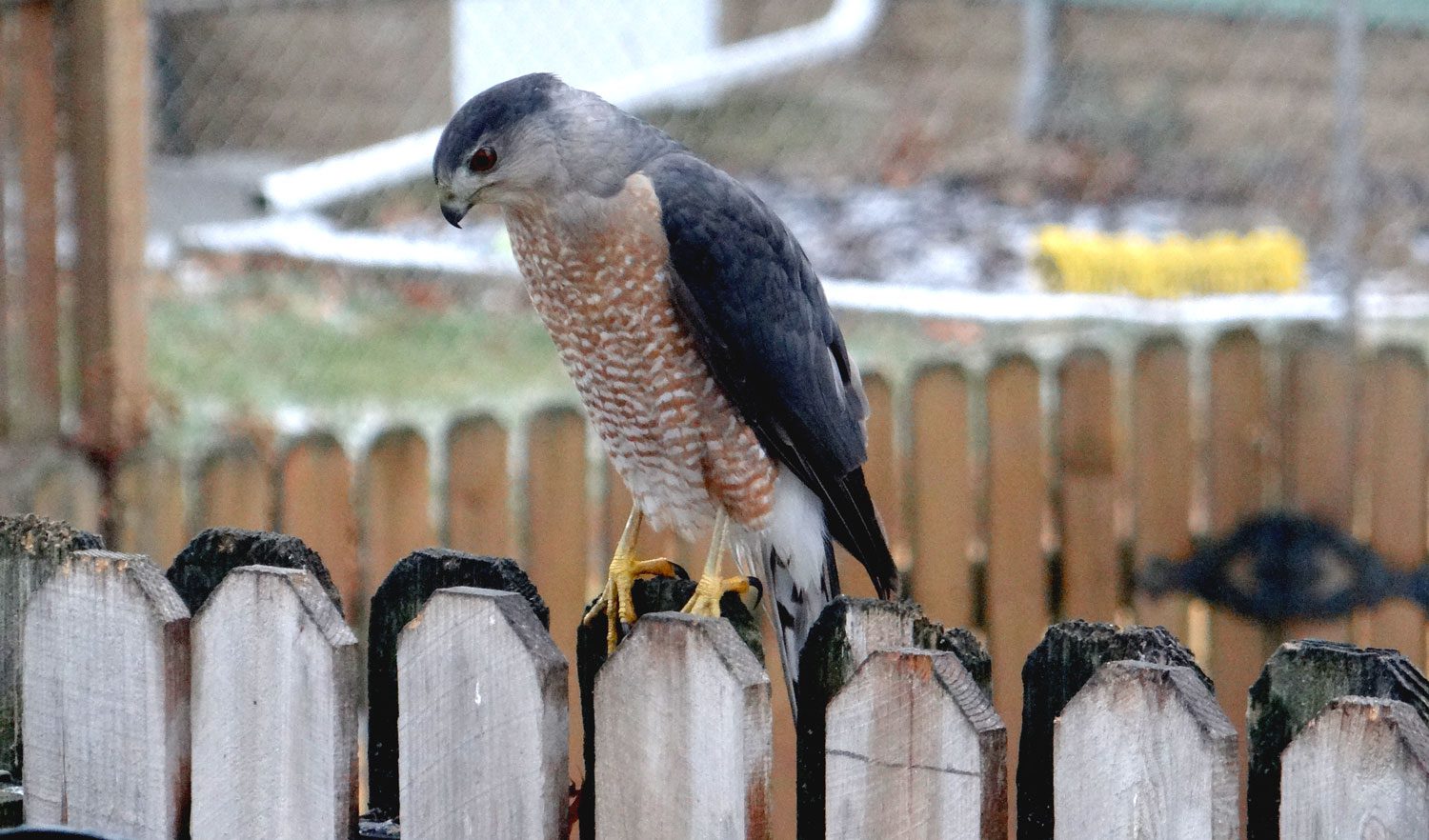
Credit: www.allaboutbirds.org
Laws On Backyard Bird Shooting
Shooting birds in your backyard involves several legal rules. These laws protect wildlife and ensure safety for everyone. Understanding these laws helps avoid fines and legal trouble. The rules come from different levels of government. Each level has its own set of regulations. Here is a look at the main laws on backyard bird shooting.
Federal Wildlife Protection
The federal government protects many bird species. The Migratory Bird Treaty Act makes it illegal to shoot protected birds. This law covers most native birds in the U.S. Violating it can lead to heavy fines and jail time. Federal laws also regulate hunting seasons and limits. These rules help keep bird populations safe and healthy.
State Regulations
Each state has its own rules about shooting birds. States set specific hunting seasons and allowed species. Some states require permits or licenses for bird shooting. Rules vary a lot from one state to another. State laws also control the types of weapons allowed. Knowing your state’s laws is very important before shooting birds.
Local Ordinances
Local governments often have extra rules. These may ban shooting in certain areas or times. Many cities and towns prohibit discharging firearms in residential zones. Noise and safety concerns drive these local rules. Always check local ordinances before shooting in your backyard. Breaking local laws can lead to fines or police action.
Types Of Birds Protected
Knowing which birds are protected helps you understand the legal boundaries around shooting birds in your backyard. Not all birds are fair game, and some species have strong protections under the law. Let’s look closely at the main types of birds you need to watch out for before taking any action.
Migratory Birds
Migratory birds are covered by the Migratory Bird Treaty Act, a strict federal law. This means it’s illegal to shoot, capture, or kill these birds without a special permit. Birds like robins, sparrows, and many types of ducks fall under this category.
Think about the last time you saw a bright red cardinal or a graceful blue jay in your yard. These familiar visitors are often protected, so shooting them can lead to hefty fines or legal trouble. Are you sure you can identify all migratory birds before taking aim?
Endangered Species
Endangered birds have even stronger legal protection due to their risk of extinction. Species such as the California condor or the whooping crane are protected under the Endangered Species Act. Harming these birds, even accidentally, is a serious offense.
If you spot a rare bird in your backyard, your best move is to enjoy it safely from a distance. Protecting these fragile populations is critical. How would you feel if your actions contributed to the loss of a species?
Common Backyard Birds
Not all common backyard birds are off-limits, but many still enjoy some protection. Birds like pigeons or starlings are often considered pests and may be legally controlled under certain conditions. However, local laws vary widely, so it’s important to check your area’s rules.
Even if a bird looks like a nuisance, shooting it may not be the right choice. Non-lethal options like deterrents or habitat modification often work better. What alternatives can you try before reaching for a firearm?
Permits And Licenses
Understanding the permits and licenses required for shooting birds in your backyard is crucial to stay within the law. These legal documents regulate who can hunt, when, and what species can be targeted. Ignoring these rules can lead to serious consequences, so knowing the details helps you avoid trouble and protect wildlife responsibly.
When Permits Are Required
Permits are often needed if you plan to hunt certain bird species or use firearms in your backyard. Protected birds, migratory species, or game birds usually require specific permissions. Even if your state allows shooting on private property, a permit might still be mandatory depending on local wildlife regulations.
Ask yourself: Are the birds you want to shoot listed as protected or game species? If yes, you likely need a permit. Also, consider the time of year—hunting seasons are strictly regulated to conserve populations.
How To Obtain Licenses
Licenses typically come from your state’s fish and wildlife department. You can usually apply online or visit their office in person. The process may include filling out forms, paying fees, and sometimes passing a safety course.
- Check your state’s official wildlife website for application details.
- Prepare identification and residency proof, if required.
- Complete any mandatory hunter education or safety training.
Obtaining the right license isn’t just paperwork—it’s a way to learn about local hunting laws and safe practices. Have you checked if your license needs renewal each year?
Penalties For Violations
Violating permit or license requirements can result in fines, loss of hunting privileges, or even criminal charges. Penalties vary by state but often include hefty fines and possible confiscation of equipment.
For instance, shooting protected birds without a permit can lead to fines exceeding several hundred dollars. Worse, repeated offenses might land you in court or jail.
Is the risk worth it? Following the law protects both you and the wildlife. It also ensures hunting remains a respected and sustainable activity.

Credit: www.reddit.com
Alternatives To Shooting Birds
Many people enjoy watching birds in their backyard. But not everyone wants them there. Rather than using harmful methods like shooting, consider other options. These alternatives can help keep birds away humanely.
Humane Deterrents
There are many simple ways to deter birds. Reflective objects can scare them away. Hang old CDs or shiny tape near bird hotspots. Motion-activated water sprinklers also work well. Birds dislike sudden movements and water sprays. These methods do not harm birds.
Bird Control Devices
Bird control devices are effective and safe. Ultrasonic bird repellers emit sounds that disturb birds. Humans can’t hear these sounds. Place the devices near areas you want to protect. Bird spikes are another option. Install them on ledges or roofs. They make landing difficult for birds. These devices help keep birds away without causing harm.
Habitat Modification
Changing your yard can reduce bird visits. Remove bird feeders and birdbaths. Birds will have fewer reasons to visit. Trim trees and bushes to eliminate nesting spots. Use bird netting to cover fruit trees or plants. This keeps birds from eating your produce. Simple changes can make your yard less attractive to birds.
Safety Considerations
Shooting birds in your backyard involves serious safety concerns. Understanding these risks helps protect you and those around you. Always prioritize safety to avoid accidents and legal trouble.
Firearm Safety In Residential Areas
Handling guns near homes needs extra care. Always check your surroundings before shooting. Never shoot towards buildings or busy areas. Use firearms only in safe, open spaces.
Keep guns unloaded until ready to shoot. Store firearms securely to prevent unauthorized access. Follow local laws about firearm use in neighborhoods.
Risks To Neighbors And Pets
Bullets can travel far and cause harm beyond your yard. Neighbors, children, and pets may be at risk. Loud gunshots can also disturb people and animals.
Consider the flight path of your shots carefully. Avoid shooting near places where people or pets gather. Always inform neighbors if you plan to shoot.
Legal Consequences Of Unsafe Shooting
Unsafe shooting can lead to fines, arrests, and loss of firearm rights. Laws vary by location but often include strict penalties. Reckless shooting can cause criminal charges.
Violating local firearm rules may result in civil lawsuits. Insurance may not cover damages from unsafe shooting. Follow all legal guidelines to avoid serious trouble.
Case Studies And Legal Precedents
Exploring case studies and legal precedents helps clarify the rules about shooting birds in your backyard. These examples show how courts and authorities handle such cases. They reveal what actions are lawful and which are not. Understanding past rulings guides responsible behavior and prevents legal trouble.
Notable Legal Cases
One famous case involved a homeowner shooting a protected bird species. The court ruled against the homeowner, citing federal wildlife laws. Another case focused on crop damage caused by birds. The court allowed limited action but required permits. These cases highlight that laws vary by bird species and location.
Enforcement Actions
Wildlife officers often respond to complaints about shooting birds. They investigate and may issue fines or confiscate weapons. In some areas, police patrol more during nesting seasons. Enforcement is strict when endangered birds are involved. Authorities encourage reporting illegal shooting to protect wildlife.
Lessons Learned
- Always check local and federal laws before taking action.
- Protected species cannot be harmed without special permission.
- Permits are often required for controlling nuisance birds.
- Consult wildlife officials for guidance to avoid penalties.
- Respect for nature helps maintain a safe environment.

Credit: www.yahoo.com
Frequently Asked Questions
Is It Legal To Shoot Birds In My Backyard?
Shooting birds in your backyard is generally illegal due to wildlife protection laws. Certain bird species are protected federally and by state laws. Always check local regulations before considering any action to avoid legal consequences.
Which Birds Are Protected From Shooting By Law?
Many birds like songbirds, raptors, and migratory species are protected. The Migratory Bird Treaty Act prohibits shooting most native birds. Violating these laws can result in fines or criminal charges.
Can I Shoot Invasive Or Pest Birds Legally?
In some areas, invasive birds like pigeons or starlings may be controlled legally. However, specific permits or local laws often regulate this. Always verify your local wildlife regulations before taking action.
What Are The Penalties For Shooting Protected Birds?
Penalties can include hefty fines, imprisonment, or both. Federal and state laws enforce strict consequences for harming protected birds. It is important to understand and comply with these laws to avoid penalties.
Conclusion
Shooting birds in your backyard often breaks laws. Many places protect birds to keep nature safe. Always check local rules before taking any action. Remember, harming wildlife can lead to fines or worse. Respecting animals helps keep your community healthy.
Enjoy watching birds without causing them harm. Stay informed and act responsibly to avoid trouble. Your choices matter for the environment and your safety.




