
Choosing the right binoculars can completely change your bird watching experience. You want clear views, comfortable use, and gear that fits your style.
But with so many options out there, how do you find the perfect pair? This guide will help you understand what really matters when picking binoculars. By the end, you’ll feel confident to spot every feather and detail like a pro.
Ready to see birds like never before? Let’s dive in.
:max_bytes(150000):strip_icc()/tal-opticron-oregon-4-pc-oasis-8x42-binocular-kathryn-braet-5-92012e7d06b945acbff37493422bab6a.jpeg)
Credit: www.travelandleisure.com
Key Binocular Features
Choosing binoculars for bird watching requires attention to key features. These features affect how clearly and comfortably you see birds. Understanding these basics helps pick the best binoculars for your needs.
Magnification And Lens Size
Magnification shows how much closer birds appear. A 8x or 10x magnification works well for bird watching. Lens size refers to the diameter of the front lenses in millimeters. Larger lenses let in more light, giving brighter images. A common size is 42mm, balancing brightness and weight.
Field Of View
The field of view means the width of the area you see through binoculars. A wide field of view makes spotting birds easier. It helps track birds in motion or in dense trees. Look for binoculars with at least 300 feet at 1000 yards for good viewing.
Exit Pupil And Eye Relief
Exit pupil is the light beam size that reaches your eye. Calculate it by dividing lens size by magnification. A larger exit pupil gives brighter images, especially in low light. Eye relief is the distance you can hold binoculars from your eyes. Longer eye relief helps if you wear glasses.
Prism Types
Binoculars use two common prism types: roof and porro prisms. Roof prisms are compact and lightweight. Porro prisms offer better depth and wider view but are bulkier. Both types provide clear images if well made. Choose based on comfort and budget.

Credit: www.basicsofbirding.com
Choosing The Right Magnification
Choosing the right magnification is a key factor when picking binoculars for bird watching. The magnification you select affects how close and clear the birds appear, as well as how steady the image feels. Finding a balance between zoom power and ease of use can change your birding experience dramatically.
Benefits Of Lower Magnification
Lower magnification, typically between 6x and 8x, offers a wider field of view. This makes it easier to locate and follow fast-moving birds in dense foliage or open skies.
With less zoom, your hands can hold the binoculars more steady, reducing image shake. This is especially helpful during long birding sessions or if you don’t use a tripod.
Lower magnification binoculars are usually lighter and more compact, which means you can carry them comfortably for hours. Have you noticed how tiring it can get to hold heavy gear all day?
Advantages Of Higher Magnification
Higher magnification, such as 10x or more, lets you see small details on distant birds clearly. You can observe feather patterns, colors, and behaviors without disturbing the wildlife.
However, higher magnification narrows your field of view and increases image shake. This can make it challenging to keep the bird in sight, especially if it’s moving quickly.
If you choose higher magnification, consider using binoculars with image stabilization or a tripod. Do you prefer getting closer views even if it means more setup or effort?
Lens Quality And Coatings
Lens quality and coatings play a crucial role in how well your binoculars perform during bird watching. These factors directly affect the sharpness, brightness, and color accuracy of the images you see. Paying attention to these details can transform your birding experience, helping you spot even the most elusive species with ease.
Types Of Lens Coatings
Lens coatings come in several types, each designed to reduce glare and improve light transmission. The most basic is a single-coated lens, which has one layer of anti-reflective coating. While better than no coating, it may still cause some glare and reduce image brightness.
Fully multi-coated lenses have multiple layers on all air-to-glass surfaces, offering the best performance. They reduce reflections significantly and allow more light to reach your eyes, making the image brighter and clearer. Many high-quality birding binoculars use fully multi-coated lenses.
Some binoculars also feature special coatings like phase correction coatings on roof prisms, which improve resolution and contrast. Knowing what coatings your binoculars have helps you understand the quality of the view you’ll get.
Impact On Image Brightness And Clarity
Have you ever struggled to see birds clearly during dawn or dusk? This is when good lens coatings really matter. They maximize the amount of light that enters your binoculars, making images appear brighter even in low light.
Clearer images mean you’ll notice finer details like feather patterns and subtle color changes. This can help you identify species faster and with more confidence. Poor coatings can cause haziness or ghosting, leading to eye strain and frustration.
When choosing binoculars, ask yourself how often you’ll be birding in dim conditions. Investing in lenses with high-quality coatings can make your viewing much more enjoyable and effective.
Comfort And Durability
When selecting binoculars for bird watching, comfort and durability are crucial factors that can significantly enhance your experience. Imagine being on a birding adventure, only to find your binoculars too heavy or cumbersome. You want a pair that feels like a natural extension of your eyes, not a burden on your neck. Let’s dive into some key aspects to consider.
Weight And Size Considerations
Choosing the right weight and size can make or break your bird watching experience. Lightweight binoculars reduce strain, allowing you to enjoy birding for longer periods. Yet, it’s essential to ensure they still provide a robust, clear view.
Compact models are great for travel and ease of use, but they may sacrifice some optical quality. Consider your typical birding environments—whether you’re hiking long trails or strolling through local parks will influence your choice.
Weatherproofing And Build Quality
Mother Nature can be unpredictable. Rain showers and misty mornings shouldn’t stop your bird watching adventures. Opt for binoculars with good weatherproofing features.
Look for models labeled as waterproof or fog proof. High-quality seals can prevent moisture from affecting internal components. A durable build ensures your equipment withstands rough use and accidental drops.
Grip And Ergonomics
When you spot that elusive bird, the last thing you want is a slippery grip. A well-designed ergonomic grip ensures stability and ease of handling.
Consider binoculars with textured rubber coatings. These not only provide a firm hold but also add an extra layer of protection. Ask yourself, do they feel comfortable in your hands during extended use?
Remember, the best binoculars are the ones that feel like they belong in your hands. Take the time to test different models. Your neck and eyes will thank you on your next birding excursion!
Additional Features To Consider
Choosing the right binoculars involves more than just magnification and lens size. Some extra features can improve your bird watching experience. These features help you see clearer images, adjust quickly, and carry your binoculars easily. Understanding these options makes your choice smarter and more suited to your needs.
Focus Mechanisms
Focus mechanisms control how you sharpen the image. Central focus wheels are common and easy to use. They let you adjust both eyepieces at once. Some binoculars have individual focus for each eyepiece. This option is good for people with different vision in each eye. Fast and smooth focus helps track moving birds quickly.
Diopter Adjustment
Diopter adjustment fine-tunes the focus for one eye. It compensates for slight vision differences between your eyes. Usually found near the right eyepiece, it helps get a sharp image. Set the diopter once, then only use the main focus wheel. This feature makes viewing more comfortable and clear over long periods.
Accessories And Carrying Options
Carrying binoculars comfortably matters during long bird walks. Look for padded straps or harnesses that reduce neck strain. Protective cases keep your binoculars safe from dust and damage. Some cases offer quick access for fast viewing. Lens covers protect lenses and keep them clean. Cleaning cloths help maintain clear views at all times.
Budgeting For Binoculars
Choosing the right binoculars for bird watching involves budgeting wisely. Binoculars come in different price ranges, each offering unique features. Understanding your budget helps you make the right choice without overspending.
Entry-level Options
Entry-level binoculars are perfect for beginners. They are affordable and easy to use. These models often have basic features suitable for casual bird watching. You can find reliable options under $100. They offer good magnification and clear images for the price.
Mid-range Choices
Mid-range binoculars provide better quality and durability. They usually range from $100 to $300. These binoculars offer enhanced optics and better construction. They are ideal for those who bird watch regularly. Expect features like water resistance and improved clarity.
Premium Models
Premium binoculars cater to serious bird watchers. They can cost over $300. These models provide exceptional image quality and advanced features. Superior build quality ensures longevity and precision. They are perfect for detailed observations in varied conditions.
Testing Binoculars Before Purchase
Testing binoculars before buying is essential for bird watching. It helps ensure the binoculars suit your needs. This step prevents disappointment and wasted money. You get to experience how they feel and perform outdoors. Testing also reveals the clarity and comfort level. Proper testing gives confidence in your choice.
Trying In Real Birdwatching Conditions
Take binoculars outside to test them in natural light. Look at birds or distant objects to check image sharpness. Notice how easy it is to focus quickly. Use them in different weather, like sunny or cloudy days. Walk around to see how they feel when carried. Testing in real conditions shows their true performance.
What To Look For During Testing
- Clarity: The image should be bright and clear without blurriness.
- Field of view: Check how wide the viewing area is at once.
- Focus speed: See if you can focus fast on moving birds.
- Weight: They should feel light enough for long use.
- Comfort: Test the grip and eye relief for your comfort.
- Durability: Check if they seem sturdy and well-built.
- Ease of use: Make sure adjustments are simple and smooth.
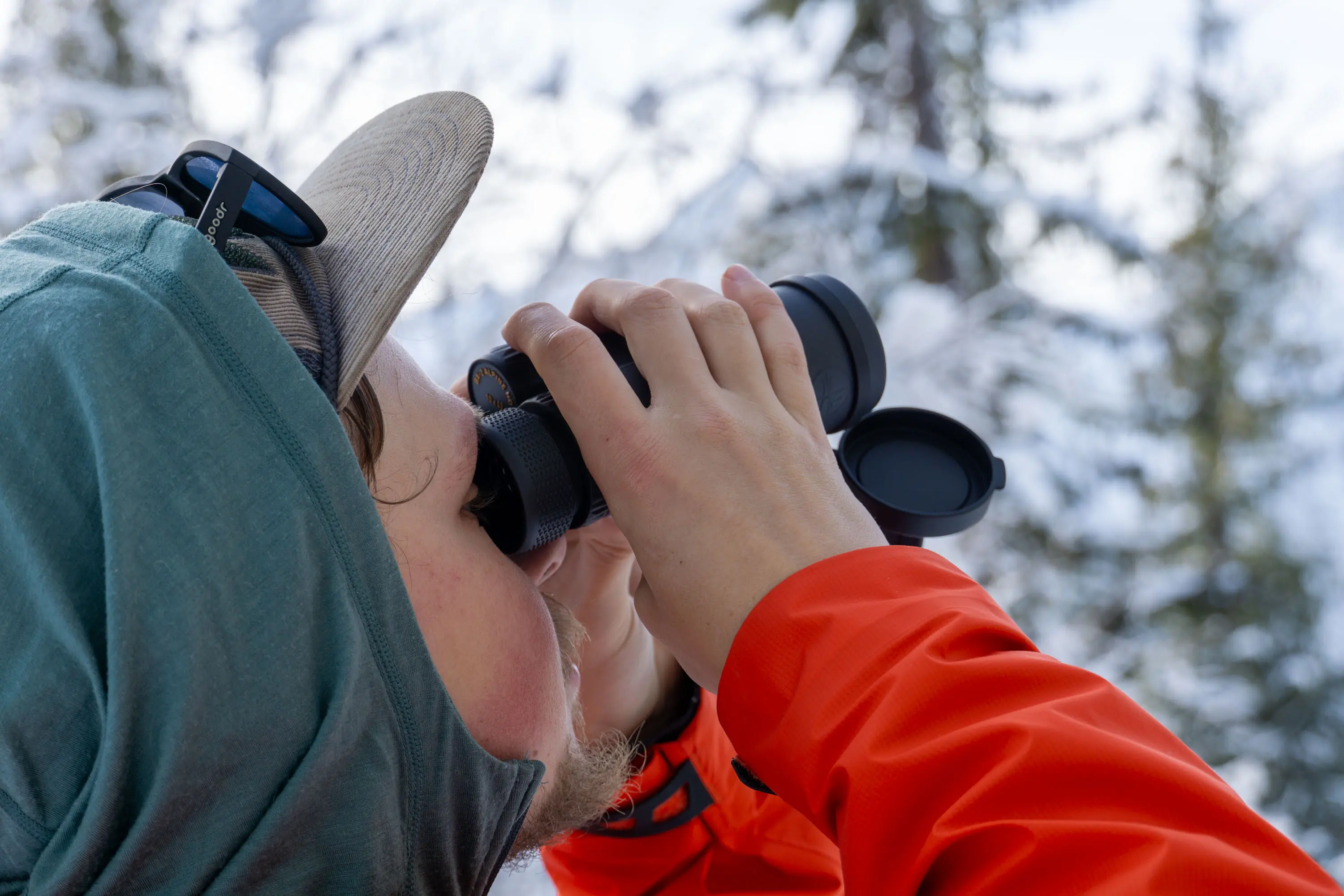
Credit: gearjunkie.com
Frequently Asked Questions
What Magnification Is Best For Bird Watching Binoculars?
A 8x or 10x magnification is ideal for bird watching. It provides a clear view without excessive shaking or narrow field of view. Higher magnifications can be harder to stabilize and track moving birds.
How Important Is The Objective Lens Size In Binoculars?
Objective lens size affects brightness and clarity. Larger lenses (32mm to 42mm) let in more light, improving image quality in low light. However, bigger lenses add weight, so balance size with comfort for long bird watching sessions.
Should I Choose Waterproof Binoculars For Bird Watching?
Yes, waterproof binoculars are highly recommended for bird watching. They protect your optics from rain, fog, and moisture. This durability ensures clear views in various weather conditions and extends the life of your binoculars.
What Is The Field Of View And Why Does It Matter?
Field of view is the width of the area visible through binoculars. A wider field helps spot and follow birds more easily. Look for binoculars with at least 300 feet at 1000 yards for bird watching.
Conclusion
Choosing the right binoculars makes bird watching more fun and clear. Think about size, weight, and lens quality first. Comfort matters since you might use them for hours. Don’t forget to check the zoom and focus features. A good pair helps you see birds up close and in detail.
Take your time picking binoculars that fit your needs well. Enjoy every moment in nature with the perfect view. Happy bird watching!




