
Have you ever thought about creating a cozy home for birds right in your backyard? Making bird houses out of gourds is a simple and fun way to do just that.
Not only will you provide a safe space for your feathered friends, but you’ll also add a unique, natural decoration to your garden. In this guide, you’ll discover easy steps to turn ordinary gourds into beautiful bird homes that birds will love.
Ready to bring more life and charm to your outdoor space? Let’s dive in and make your own gourd bird houses!
Choosing The Right Gourds
Choosing the right gourds is a crucial step in making bird houses that are both functional and attractive to birds. The gourd’s size, shape, and condition directly affect how welcoming it will be for your feathered friends. Picking the perfect gourd means you’re not just creating art; you’re building a safe home for birds.
Types Of Gourds For Bird Houses
Not all gourds work well for bird houses. You want gourds with a hard shell and a shape that provides enough space inside for birds to nest comfortably.
- Bottle Gourds:These are long and narrow with a round base, making them ideal for small birds like wrens and chickadees.
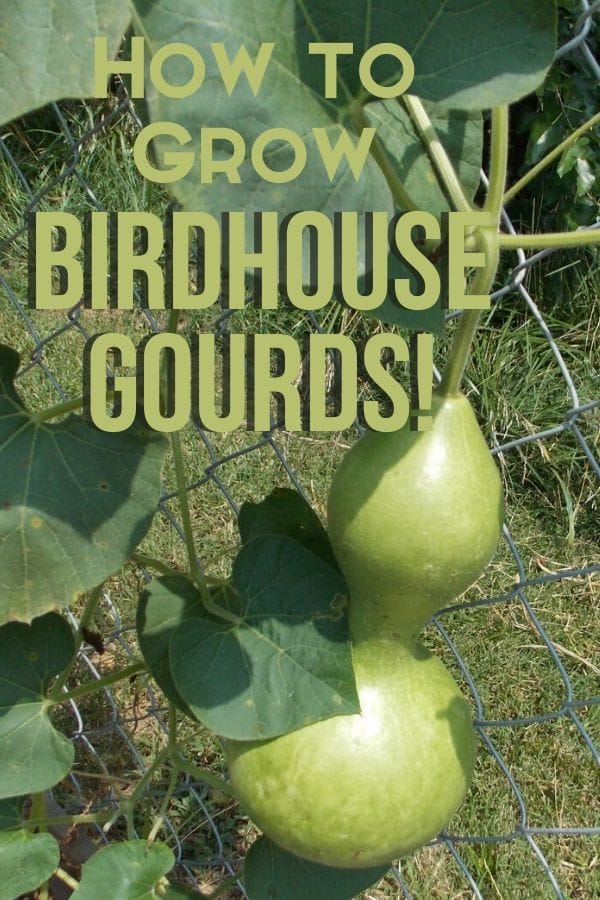
- Birdhouse Gourds:Naturally shaped like a birdhouse, these gourds often have a bulbous body with a narrow neck, perfect for nesting.
- Apple Gourds:Round and sturdy, apple gourds suit larger birds such as bluebirds.
Choosing the right gourd type can determine which bird species will visit your bird house. What birds do you want to attract?
Selecting Healthy Gourds
Healthy gourds have a strong, firm shell without soft spots or cracks. Soft areas can lead to mold or pests that harm the birds.
Look for gourds that feel heavy for their size, which usually means they have thick walls. Avoid gourds with holes or blemishes, except the natural opening you plan to create.
I once picked a gourd with a small crack, hoping it would be fine after drying. It ended up moldy inside, which wasted time and effort. Picking gourds carefully saves you from such disappointments.
Credit: littlesproutslearning.co
Preparing Gourds For Crafting
Preparing gourds for crafting is a vital step before turning them into bird houses. Proper preparation ensures the gourds are clean, dry, and ready for carving or painting. This process helps preserve the gourds and makes your craft last longer.
The first part involves cleaning and drying the gourds thoroughly. This removes dirt and prevents mold growth. Next, removing seeds and pulp clears the inside, creating a perfect hollow space for birds.
Cleaning And Drying
Start by wiping the gourds with a damp cloth to remove surface dirt. Avoid soaking them in water, which can cause damage. Use a soft brush to clean stubborn spots gently.
Place the gourds in a warm, dry area with good air circulation. This helps them dry evenly and prevents mold. Drying can take several weeks, so be patient. Turn the gourds occasionally to expose all sides to air.
Removing Seeds And Pulp
Once dry, cut a hole in the gourd’s body for the bird entrance and to remove the inside material. Use a spoon or stick to scoop out seeds and pulp.
Make sure to clean all the soft parts inside. Rinse the inside with a small amount of water if needed, and dry again completely. This step creates a safe, clean space for birds to nest.
Designing Your Bird House
Designing your bird house from gourds is a creative and rewarding process. The shape and size of your gourd will guide your design choices, but thoughtful planning ensures the house is safe and inviting for birds. Consider the details carefully to make a comfortable home that attracts feathered friends.
Planning Entry Holes
The size and placement of entry holes are crucial. Different bird species prefer different hole sizes. For example, a 1 1/8-inch diameter works well for wrens and chickadees, while bluebirds need about 1 1/2 inches.
Place the hole about two-thirds up from the bottom of the gourd. This helps keep the nest safe from ground predators and rain. Remember, the hole should be smooth around the edges to prevent injury to the birds.
Adding Ventilation And Drainage
Proper airflow keeps the bird house comfortable and dry. Drill small holes near the top of the gourd for ventilation. These holes help regulate temperature and reduce moisture buildup inside.
Drainage is just as important. Add a few tiny holes at the bottom to let any rainwater escape. This simple step prevents mold and keeps the nest healthy for your new tenants.

Credit: thegardendiaries.blog
Cutting And Shaping Gourds
Cutting and shaping gourds involves carefully removing the top and hollowing out the inside. Smooth edges create safe openings for birds. This process turns gourds into cozy, natural bird houses.
Creating a birdhouse from a gourd is not only a rewarding DIY project but also a delightful way to attract feathered friends to your garden. The process begins with cutting and shaping the gourd, a crucial step that requires attention and care. Properly cutting and shaping your gourd ensures that your birdhouse is both functional and attractive, offering a safe haven for birds.Tools Needed
To start, gather the essential tools for cutting and shaping your gourd. You’ll need a sturdy pair of gloves to protect your hands and a small hand saw or a jigsaw for making precise cuts. A drill with a variety of bits is crucial for creating entrance holes and drainage. Additionally, sandpaper or a rotary tool helps in smoothing the edges, ensuring no rough parts are left that could harm birds.Safe Cutting Techniques
Safety is key when working with tools. Always wear gloves and safety goggles to protect yourself from dust and debris. Begin by marking the spot where you want the entrance hole; it should be large enough for birds to enter but small enough to deter predators. Using the drill, carefully create the entrance hole. After drilling, use sandpaper to smooth the edges, ensuring a safe entryway for your avian visitors. Remember, patience is crucial—rushing can lead to mistakes or injuries. By following these guidelines and using the right tools, you’ll craft a beautiful and safe birdhouse that enhances your garden’s charm. Have you thought about what kind of birds you hope to attract with your new creation?Decorating Your Bird House
Decorating your gourd bird house is where your creativity really shines. It not only makes your birdhouse attractive but also helps protect it from the elements. Adding personal touches can turn a simple gourd into a charming home that birds will love and you will enjoy seeing in your garden.
Painting Tips
Choose non-toxic, water-based paints to keep your birdhouse safe for birds. Bright colors can attract birds, but natural earth tones often blend better with your garden. Use thin layers of paint to avoid clogging the entrance hole or making the surface too smooth for birds to grip.
Try adding patterns or simple designs to give your birdhouse personality. Think about using stencils or painter’s tape to create clean lines or fun shapes. Remember, less is more—too much paint can trap moisture and damage the gourd over time.
Sealing And Protecting
After painting, sealing your gourd is essential for durability. Use a clear, non-toxic outdoor sealer to protect the paint and the gourd itself from rain and sun damage. A couple of thin coats usually do the trick without making the surface slippery.
Make sure the sealer you pick allows the gourd to breathe; some sealers create a waterproof barrier that can cause mold inside. Applying the sealer inside the birdhouse’s entrance and around the hole can also help extend its lifespan. Have you considered how weather in your area might affect your gourd birdhouse over time?
Installing And Maintaining
Installing and maintaining bird houses made from gourds is essential for attracting birds and keeping them safe. Proper placement helps birds find shelter easily. Regular cleaning prevents disease and keeps the gourd inviting for new visitors. Both steps increase the chances of birds returning year after year.
Best Placement Practices
- Hang gourds 5 to 10 feet above the ground for safety.
- Choose a quiet spot with little foot traffic.
- Face the entrance away from prevailing winds.
- Place near trees or shrubs for natural cover.
- Avoid direct afternoon sun to keep gourds cool.
- Use sturdy hooks or wires to secure the gourds firmly.
Cleaning And Upkeep
Clean gourds at the end of each breeding season. Remove old nesting material and debris. Use a mild bleach solution (1 part bleach to 9 parts water) to disinfect. Rinse thoroughly and let dry completely before rehanging.
Inspect gourds regularly for cracks or damage. Replace gourds that show signs of rot or wear. Keep the entrance hole clear and unobstructed. These steps help maintain a healthy environment for birds.
Troubleshooting Common Issues
Common problems with gourd birdhouses include mold and weak spots. Cleaning gourds thoroughly and drying them well helps prevent mold. Strengthening thin areas with extra coatings keeps the house sturdy and safe for birds.
Creating bird houses from gourds is a fulfilling hobby. Yet, it comes with its own challenges. Addressing these issues ensures your feathered friends find a safe haven. Let’s explore some common problems and their solutions.Preventing Mold
Mold is a common issue with gourd birdhouses. It thrives in damp conditions. Ensure your gourds are thoroughly dried. Use a well-ventilated area for drying. A fan can speed up the process. After drying, apply a clear sealant. This creates a barrier against moisture. Regularly check your birdhouse for mold. Clean any signs with a mixture of vinegar and water. This natural solution is safe for birds.Dealing With Pests
Pests can invade your gourd birdhouses. Ants and wasps are common culprits. To deter them, use peppermint oil. Apply it around the entry hole. This scent repels many insects. Check your birdhouse for nests frequently. Remove any wasp nests you find. Use gloves to protect your hands. Birds need a safe space. Address these issues for a welcoming home. Your efforts will be rewarded with happy, chirping guests.
Credit: thegardendiaries.blog
Frequently Asked Questions
What Type Of Gourds Are Best For Bird Houses?
Bottle gourds are ideal due to their size and shape. They are sturdy, hollow, and provide natural insulation. Their hard shells protect birds from weather and predators effectively.
How Do You Prepare Gourds For Bird House Making?
Clean gourds by soaking and scrubbing off dirt. Dry thoroughly for weeks to harden. Cut an entrance hole and remove seeds before sealing.
Which Birds Prefer Gourd Bird Houses?
Purple martins, wrens, and chickadees favor gourd houses. The size and shape suit their nesting habits. Providing gourds attracts these beneficial birds to your garden.
How Do You Hang Gourd Bird Houses Safely?
Use sturdy wire or strong rope to hang gourds. Place them 5 to 10 feet above ground. Ensure stability to protect birds from predators and harsh weather.
Conclusion
Making bird houses from gourds brings nature closer to home. These homes offer birds a safe place to nest. Crafting them is simple and fun for all ages. Use natural gourds, clean them well, and add entry holes. Hang them in quiet spots where birds feel safe.
Watch as your garden fills with lively, chirping visitors. This project helps birds and brightens outdoor spaces. Try it and enjoy the peaceful sounds of nature. A small effort makes a big difference for wildlife.




