
Is your concrete bird bath looking dirty or covered with unsightly mold? Mold not only ruins the appearance but can also harm the birds you want to attract.
You might think cleaning it is tough, but it’s easier than you expect. In this guide, you’ll discover simple, effective steps to get rid of mold and keep your bird bath fresh and safe. Keep reading, and you’ll have a clean bird bath that invites feathered friends back in no time.
Signs Of Mold On Concrete Bird Baths
Mold growth on concrete bird baths is common due to moisture and organic debris. Detecting mold early keeps your bird bath clean and safe. Birds rely on clean water sources. Mold can spoil the water and harm birds visiting your garden.
Visual Indicators
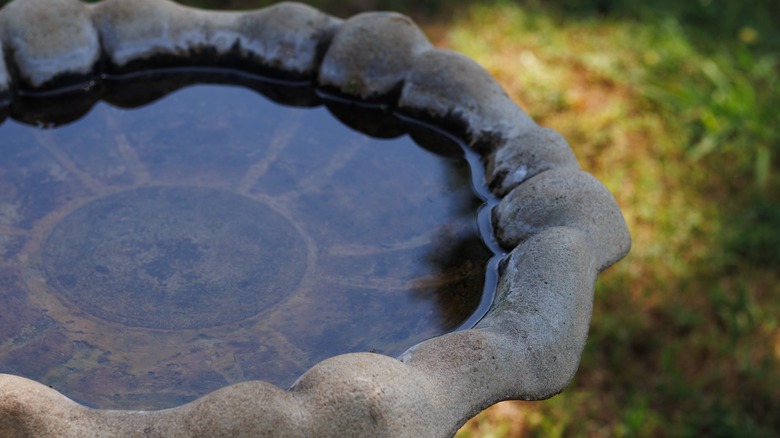
Look for fuzzy or slimy patches on the concrete surface. Mold often appears green, black, or white. Stains may cover the basin or edges. Sometimes, mold looks like dark spots or streaks. Check under the waterline and around the drain holes. A musty smell may also be present.
Health Risks For Birds
Mold in bird baths can cause illness in birds. Mold spores may lead to respiratory problems. Birds drinking contaminated water risk infections. Prolonged exposure can weaken their immune systems. Keeping the bird bath mold-free protects their health and wellbeing.
Credit: www.housedigest.com
Preparing For Mold Removal
Before tackling mold in your concrete bird bath, it’s essential to prepare properly. Getting ready helps you work efficiently and keeps you safe. Skipping this step can lead to frustration or even health risks.
Gathering Cleaning Supplies
Start by collecting all the materials you’ll need. This saves time and prevents interruptions once you begin cleaning.
- Scrub brush with stiff bristles – perfect for scrubbing rough concrete surfaces.
- Protective gloves – to keep your hands safe from mold and cleaning solutions.
- Bucket for mixing cleaning solutions.
- White vinegar or a mild bleach solution – both work well against mold.
- Old towels or rags for drying and wiping down.
- Spray bottle for applying cleaning liquids evenly.
Have you ever started cleaning only to realize you’re missing a key tool? That frustration is avoidable with a quick supply check.
Safety Precautions
Mold can affect your health, so protecting yourself is crucial. Wear gloves and consider a mask, especially if you’re sensitive to mold spores.
Choose a well-ventilated area or work outside if possible. This helps prevent inhaling airborne mold particles or fumes from cleaners.
Keep kids and pets away from the work area. Mold and cleaning chemicals can be harmful if touched or ingested.
Have you noticed sneezing or coughing while cleaning mold? That’s a sign to gear up with proper safety measures before continuing.
Effective Cleaning Methods
Cleaning mold from a concrete bird bath requires effective and safe methods. The right cleaning approach removes mold without damaging the concrete. It also keeps birds safe from harmful chemicals. Several cleaning solutions work well on moldy concrete surfaces. Some use household items, while others involve stronger agents. Choose the best method based on your needs and supplies.
Using Vinegar Solution
White vinegar is a natural and safe cleaner for mold. Its acidity kills mold spores on contact. To use:
- Mix equal parts of white vinegar and water in a spray bottle.
- Spray the solution generously on the moldy areas.
- Let it sit for at least one hour to kill mold.
- Scrub the surface with a stiff brush to remove residue.
- Rinse thoroughly with clean water to remove vinegar smell.
This method is gentle on concrete and safe for birds once rinsed.
Applying Bleach Mixture
Bleach is effective for heavy mold infestations. It kills mold quickly but requires caution. Use gloves and ensure good ventilation. Follow these steps:
- Mix one cup of bleach with one gallon of water.
- Apply the mixture to the moldy concrete using a brush or spray.
- Let it sit for 10 to 15 minutes to disinfect.
- Scrub the area to remove stubborn mold patches.
- Rinse well with water to remove all bleach traces.
Never mix bleach with ammonia or other cleaners. Keep birds away until the bath dries completely.
Alternative Natural Cleaners
Several natural cleaners help fight mold without harsh chemicals. Baking soda and tea tree oil are popular choices.
- Baking Soda:Mix two tablespoons with a cup of water. Spray on mold, scrub, and rinse.
- Tea Tree Oil:Add one teaspoon to a cup of water. Spray and leave without rinsing.
These options are eco-friendly and safe for wildlife. They work best for mild mold growth.

Credit: www.dukemanorfarm.com
Step-by-step Cleaning Process
Cleaning mold from a concrete bird bath requires a careful approach. Follow these steps to ensure a clean and safe environment for birds. Each step plays a crucial role in maintaining the bird bath’s integrity and beauty.
Draining And Scrubbing
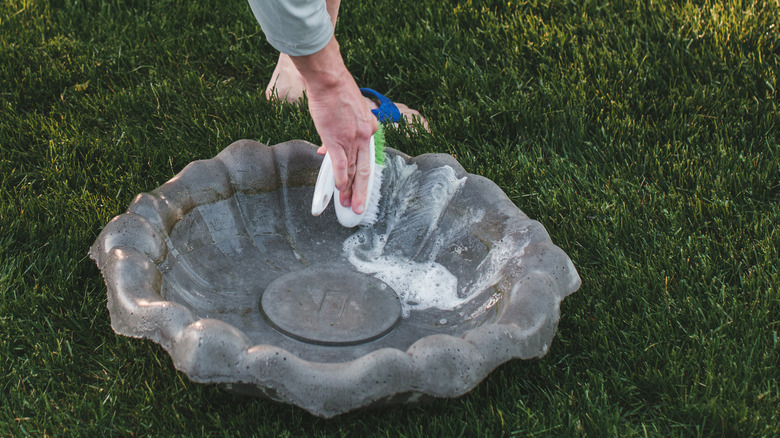
First, remove any standing water in the bird bath. Use a bucket or a small pump. Once drained, prepare a cleaning solution. Mix one part white vinegar with two parts water. This solution is effective and safe for birds. Dip a stiff brush into the mixture. Scrub the bird bath thoroughly. Pay attention to areas with visible mold. Scrub until the mold is no longer visible.
Rinsing Thoroughly
After scrubbing, rinse the bird bath with clean water. Use a garden hose or a large bucket. Ensure all cleaning solution is washed away. Check for any remaining mold spots. If necessary, repeat the scrubbing process. It’s vital to remove all traces of vinegar.
Drying The Bird Bath
Once rinsed, allow the bird bath to dry completely. Use a clean, dry towel to speed up drying. Make sure the bird bath is in a sunny area. Sunlight helps to kill any remaining mold spores. Ensure the bird bath is dry before refilling with water. A clean and dry bird bath invites birds to return.
Preventing Future Mold Growth
Stopping mold from coming back on your concrete bird bath is all about smart care and small changes. Mold loves damp, shady spots and dirty water. You can keep it away by staying on top of cleaning and making sure your bird bath stays dry and sunny as much as possible.
Regular Maintenance Tips
Cleaning your bird bath regularly is your best defense against mold. Try to empty and scrub it at least once a week using a brush and mild soap. This keeps algae and mold spores from settling and growing.
Also, rinse thoroughly to remove any soap residue that might feed mold. If you spot any slimy patches, tackle them immediately before they spread. Think of this as a quick check-up that keeps your bird bath fresh and safe for birds.
Positioning And Water Management
Where you place your bird bath matters a lot. Choose a sunny spot that dries quickly after rain. Shade and standing water invite mold and algae to thrive.
Consider adding a small fountain or dripper to keep water moving. Moving water discourages mold growth and keeps the bath appealing to birds. Have you noticed how stagnant water feels different from fresh, flowing water? Your bird bath needs the same fresh flow to stay clean.
Finally, avoid letting water sit for too long. Change it regularly, especially during warm months. This simple habit stops mold from getting a foothold in your bird bath.
When To Replace Your Bird Bath
Knowing when to replace your concrete bird bath is important for bird safety and garden beauty. Mold can often be cleaned, but sometimes damage goes beyond repair. Old, cracked, or heavily stained bird baths may no longer be safe or attractive.
Replacing a bird bath at the right time keeps your outdoor space fresh. It also prevents mold from returning and harming the birds. Watch for clear signs that cleaning is not enough.
Signs Of Irreparable Damage
- Deep cracks or large chips in the concrete
- Persistent mold stains that do not fade after cleaning
- Uneven surfaces that collect dirty water
- Loose or crumbling edges
- Foul smell or slimy texture despite thorough washing
If any of these signs appear, replacement is the safest choice. A damaged bird bath can trap water and mold, harming birds and plants.
Choosing Mold-resistant Materials
Select materials that resist mold growth for your new bird bath. Some options last longer and stay cleaner outdoors.
- Glazed ceramic with a smooth finish
- Metal bird baths made of copper or stainless steel
- Plastic or resin models with anti-fungal coatings
- Concrete with sealants designed to prevent mold
Choose a material that fits your garden style and climate. Proper cleaning and placement also help keep mold away.
Credit: www.hunker.com
Frequently Asked Questions
How Do I Remove Mold From A Concrete Bird Bath?
To remove mold, scrub the bird bath with a mixture of water and white vinegar. Use a stiff brush for better cleaning. Rinse thoroughly and let it dry in the sun to prevent mold regrowth.
What Is The Best Cleaner For Mold On Concrete?
White vinegar is a safe, effective cleaner for mold on concrete. It kills mold without harsh chemicals and is eco-friendly. You can also use a diluted bleach solution for tougher mold, but rinse well afterward.
How Often Should I Clean My Concrete Bird Bath?
Clean your concrete bird bath every two weeks during warm months. Regular cleaning prevents mold and algae buildup. Frequent maintenance keeps the water fresh and safe for birds.
Can Baking Soda Help Remove Mold From Concrete?
Yes, baking soda is a gentle mold remover. Mix it with water to form a paste, scrub the mold, then rinse. It deodorizes and prevents mold growth without harming birds or plants.
Conclusion
Cleaning mold from your concrete bird bath keeps it safe and nice. Use gentle scrubbing and natural cleaners for the best results. Regular cleaning stops mold from growing back quickly. A clean bird bath helps birds stay healthy and happy.
Keep checking your bird bath often to catch mold early. Simple care makes a big difference for your garden space. Enjoy watching birds visit your fresh, clean bird bath every day.




