
Have you ever wondered how tropical birds thrive in their lush, vibrant homes? These colorful creatures face many challenges, from finding food to staying safe from predators.
Yet, they have amazing ways to adapt that help them survive and flourish. By understanding how tropical birds adjust to their environment, you’ll see nature’s brilliance up close—and it might even change how you look at the world around you.
Keep reading, and discover the secrets behind their incredible survival skills.
:focal(1061x707:1062x708)/https://tf-cmsv2-smithsonianmag-media.s3.amazonaws.com/filer_public/2c/74/2c74a43f-f969-4fbf-9165-2b8227ec68a6/gettyimages-898596862.jpg)
Credit: www.smithsonianmag.com
Habitat And Climate Adaptations
Tropical birds have fine-tuned their bodies and behaviors to thrive in some of the world’s most challenging environments. Their habitat and climate adaptations are key to survival, helping them find food, stay safe, and reproduce successfully. Understanding these adaptations gives you a clearer picture of how nature shapes life in the tropics.
Rainforest Canopy Living
Many tropical birds make their homes high in the rainforest canopy, where sunlight filters through thick leaves. This environment offers plenty of food like fruits, insects, and nectar, but also requires agility and sharp vision to navigate dense branches.
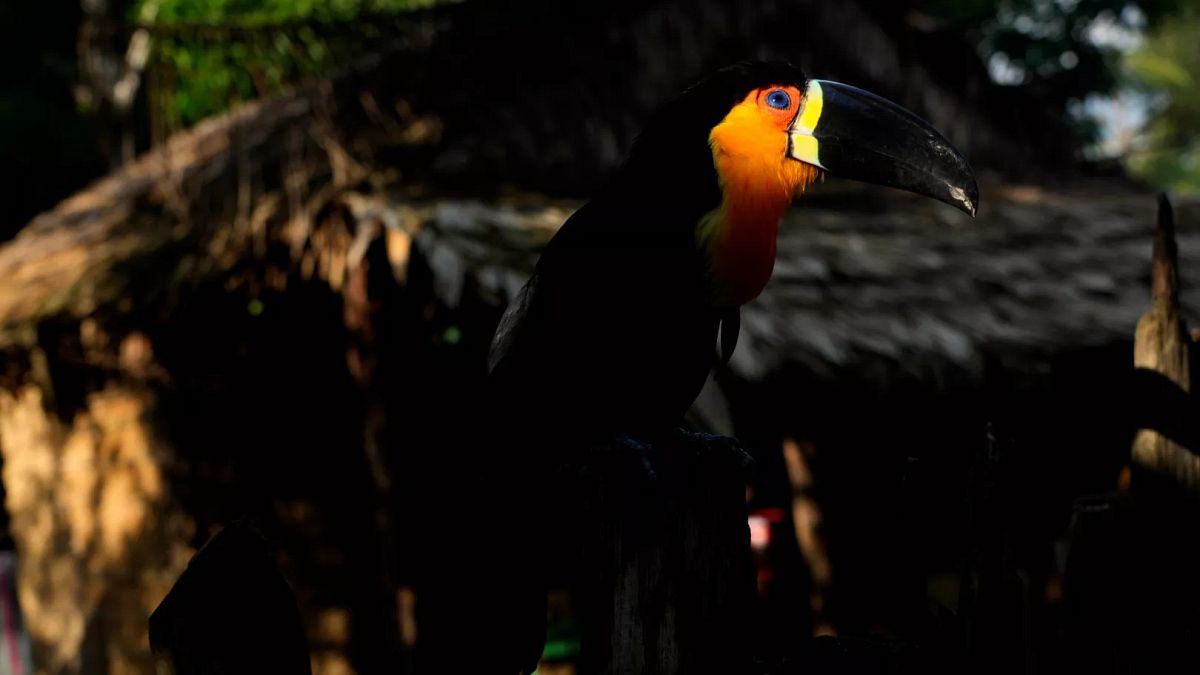
Parrots and toucans often perch on sturdy branches, using their strong feet and curved beaks to grab food. Their colorful feathers help them blend into the vibrant canopy, providing camouflage from predators.
Have you noticed how some birds seem perfectly designed for life among the treetops? Their ability to move swiftly and quietly is a survival skill honed by the dense habitat above ground.
Temperature Regulation
Tropical regions can be hot and humid, so birds need ways to keep their body temperature stable. Many species fluff their feathers to create air pockets that cool them down, much like how you might use a fan.
Some birds, like the hoatzin, pant or open their beaks to release heat, while others seek shade during the hottest parts of the day. You might see them bathing in water to lower their body temperature quickly.
Understanding these behaviors can help you spot how birds react to heat and learn what you might do to stay comfortable in similar climates.
Humidity And Moisture Handling
High humidity levels in tropical forests can cause feathers to become heavy and less effective for flying. Birds combat this by preening regularly, spreading oils from their uropygial gland to waterproof their feathers.
Species like the kingfisher often perch near water, not just for hunting but also to keep their feathers clean and dry. This constant maintenance is essential for flight and insulation.
Next time you see a bird carefully grooming itself, think about how it’s managing moisture to stay airborne and protected in a wet environment.
Physical Adaptations
Tropical birds have unique physical traits that help them live well in their hot, wet homes. These traits help with finding food, hiding from danger, and moving through thick forests. Each feature suits the bird’s way of life and the environment’s challenges.
Colorful Plumage And Camouflage
Bright feathers attract mates and show health. Colors like red, blue, and yellow stand out in green forests. Some birds use colors to hide. Patterns can break their shape among leaves and shadows. This mix of bright and hidden helps them survive and reproduce.
Beak Shapes And Functions
Bird beaks vary a lot. Long, thin beaks reach nectar in flowers. Strong, curved beaks crack nuts and seeds. Sharp beaks catch insects and small animals. The beak shape matches the bird’s food. This helps them eat well and get energy.
Wing Design And Flight Patterns
Wings help birds move fast or slow. Short, rounded wings allow quick turns in dense trees. Long, narrow wings help glide over open areas. Some birds flap fast to hover near flowers. Wing shape and flight style fit the forest and food needs.
Behavioral Strategies
Tropical birds rely heavily on behavioral strategies to survive and thrive in their vibrant, competitive environments. These behaviors are finely tuned to the demands of their habitats, helping them find food, attract mates, and raise their young successfully. Understanding these strategies can give you a deeper appreciation of how these birds navigate their complex ecosystems.
Feeding Techniques
Tropical birds have developed a variety of feeding techniques to make the most of available resources. Some, like the hummingbird, hover precisely to sip nectar from flowers, using rapid wing beats to stay suspended.
Others, such as toucans, use their large bills to reach and peel fruits that other animals cannot access. Watching a parrot crack open nuts with its strong beak shows how physical and behavioral traits combine for feeding success.
Have you noticed how some birds forage in groups, increasing their chances of spotting food? This cooperative behavior highlights the advantage of social feeding strategies.
Mating Displays And Calls
Behavior during mating season is crucial for tropical birds. Many species put on elaborate displays, like the resplendent quetzal’s vibrant plumage and unique flight patterns, to attract a mate.
Calls and songs also play a key role in communication. They help birds establish territory and signal readiness to breed. You might be surprised how distinct and complex these vocalizations can be, almost like a language unique to each species.
Consider how male birds often time their displays with environmental cues such as sunrise or rain. These behavioral patterns ensure their messages reach potential mates at the right moment.
Nesting And Raising Offspring
Tropical birds show a wide range of nesting behaviors adapted to protect their eggs and chicks. Some build nests high in the canopy to avoid ground predators, while others use camouflaged materials to blend their nests with the surroundings.
Parental care can be intense—species like the hornbill practice cooperative breeding, where helpers assist the parents in feeding and protecting the young. This teamwork increases the survival rate of offspring.
Have you ever wondered how birds decide the perfect spot for their nest? Their behavior reflects a careful balance of safety, temperature regulation, and proximity to food sources, demonstrating a remarkable understanding of their environment.
Dietary Flexibility
Tropical birds survive in diverse environments thanks to their dietary flexibility. They adjust their eating habits to fit the available food. This ability helps them thrive in changing conditions. Their diets include fruits, nectar, insects, and seasonal foods. Such variety supports their energy needs and health.
Fruit And Nectar Consumption
Many tropical birds feed on fruits rich in vitamins and sugars. Fruits provide quick energy and hydration. Nectar from flowers offers a sugary source of fuel. Birds use their specialized beaks to access nectar deep inside flowers. This diet supports birds that live in dense forests with many flowering plants.
Insect Hunting Skills
Insects are a vital protein source for tropical birds. Birds catch insects in flight or pick them off leaves and bark. Sharp eyesight and quick reflexes help in hunting. Some birds use their beaks to probe into tree bark for hidden insects. This skill boosts their survival during times when fruits are scarce.
Seasonal Food Sources
Tropical birds adapt to changes by switching food sources with seasons. They eat more fruits during harvest seasons. In dry periods, birds rely more on insects and nectar. This seasonal diet shift helps maintain their energy throughout the year. It also reduces competition for limited food supplies.
Survival Against Predators
Tropical birds face many threats from predators in their lush habitats. To survive, they have evolved unique adaptations. These adaptations help them avoid becoming prey in the vibrant, dangerous jungles.
Alarm Calls And Warning Signals
Tropical birds use alarm calls to alert others of danger. These calls vary between species but serve the same purpose. They communicate the presence of predators to nearby birds. Some birds even mimic other species’ alarm calls. This increases their chances of survival.
Warning signals also include visual displays. Bright plumage can signal a bird’s health and alertness. This deters predators from attacking them.
Flocking And Social Defense
Many tropical birds form flocks as a defense strategy. Flocking increases the number of eyes watching for threats. More eyes mean a higher chance of spotting predators early.
Social behavior also plays a role. Birds in a flock can mob a predator. They dive and swoop to confuse and drive it away.
Escape And Evasion Tactics
Birds use agile flight to escape predators. Quick, unpredictable movements make them hard targets. Some birds fly in zigzag patterns to evade capture.
Others use camouflage to blend into their environment. This makes them nearly invisible to predators. Their feathers mimic leaves, bark, or shadows.
Credit: www.euronews.com
Migration And Movement
Tropical birds show fascinating behaviors when it comes to moving through their environment. Their migration and movement patterns are not just about traveling long distances but also include subtle shifts within their habitats. Understanding these movements can change how you observe birds in your local area.
Local Movements Within Forests
Many tropical birds don’t travel far but move locally to find food or nesting sites. These short trips can be daily or seasonal, depending on resource availability. You might notice a bird hopping from tree to tree, adjusting its range as fruit or insects become more or less abundant.
These local movements help birds avoid competition and predators. Watching where they go during different times of the year can reveal a lot about their survival strategies. Have you ever tracked a bird’s path and wondered why it sticks to certain trees?
Seasonal Migration Patterns
Some tropical birds undertake seasonal migrations, often shorter than those of temperate birds. These trips can be triggered by rainy or dry seasons, pushing birds to find better feeding grounds. For example, the Scarlet Macaw moves between lowland forests and higher elevations depending on the season.
Understanding these patterns helps you predict where birds might be throughout the year. Do you know which species in your area change locations with the seasons? This knowledge can enhance your birdwatching experience.
Navigation Abilities
Tropical birds use remarkable navigation skills to find their way during migration or local movements. They rely on visual landmarks, the sun’s position, and even the Earth’s magnetic field. Some species have an innate ability to remember routes across dense forests.
Imagine relying on natural cues without maps or GPS. This makes their journeys even more impressive. Next time you see a bird flying steadily in one direction, think about the complex navigation happening inside its mind.

Credit: www.earth.com
Frequently Asked Questions
How Do Tropical Birds Survive Extreme Weather?
Tropical birds adapt by growing waterproof feathers and seeking shelter during storms. They also regulate body temperature through panting and shading. These behaviors help them endure heavy rains and high humidity common in tropical climates.
What Role Does Diet Play In Bird Adaptation?
Tropical birds have diverse diets, including fruits, insects, and nectar. Their beaks evolve for specific food sources, ensuring efficient feeding. This dietary flexibility helps them thrive in various tropical habitats with abundant but specialized resources.
How Do Tropical Birds Use Camouflage Effectively?
Tropical birds often have vibrant or patterned feathers that blend with colorful flowers or dense foliage. This camouflage protects them from predators and aids in hunting prey. It also helps them remain hidden during nesting and resting.
Why Is Vocalization Important For Tropical Birds?
Loud and diverse calls help tropical birds communicate over dense forests. Vocalization aids in mating, territory defense, and warning of predators. It’s essential for survival in noisy, crowded tropical environments.
Conclusion
Tropical birds change to live well in their homes. Their bright colors help them hide or find mates. Strong beaks let them eat many foods. They build nests in safe places to protect babies. These adaptations keep birds alive and happy.
Nature’s way of helping them fit in. Watching these birds shows how life finds a way. Each bird’s skill tells a story of survival. Their world is full of wonder and life. Understanding their changes helps us care for them better.




