
Have you ever wondered if your bird feeder could be doing more harm than good? You enjoy watching colorful birds visit your feeder, but what if it’s also a hotspot for spreading disease?
Understanding the risks and how to keep your feathered friends safe is key. You’ll discover the truth about bird feeders and disease, and learn simple steps to protect the birds you love to watch. Keep reading—your backyard visitors depend on it.
Common Myths About Bird Feeders
Bird feeders are a popular way to attract wildlife to your backyard, but they come with a lot of misinformation. Many people worry that bird feeders are a hotspot for disease, but not all concerns are backed by facts. Let’s clear up some common myths that might be holding you back from enjoying the birds visiting your feeder.
Bird Feeders Always Spread Disease
It’s easy to assume bird feeders constantly spread disease, but that’s not true. Birds can carry germs, but transmission depends on many factors like feeder type, cleanliness, and bird behavior. Feeding stations that are well-maintained rarely become centers of illness.
Think about your own experiences—do you avoid parks because of disease fears? Probably not. Similarly, with simple care, bird feeders are safe for your feathered friends.
All Bird Species Are Equally Affected
Not all birds catch or spread diseases at the same rate. Some species are more susceptible to infections, while others rarely show symptoms. For example, house finches have been known to suffer from conjunctivitis linked to feeders, but many other common backyard birds do not.
This means your choice of seed and feeder style can influence which birds visit and how likely they are to spread illness. Understanding your local birds helps you manage risks better.
Cleaning Feeders Is Unnecessary
Skipping feeder cleaning is one of the biggest myths. Dirty feeders can harbor bacteria, mold, and leftover food that attract pests and sick birds. Regular cleaning with hot water and mild soap prevents these problems and keeps your birds healthy.
Try setting a reminder to clean feeders every two weeks, or more often in wet weather. You’ll notice healthier, more vibrant visitors and fewer disease concerns.
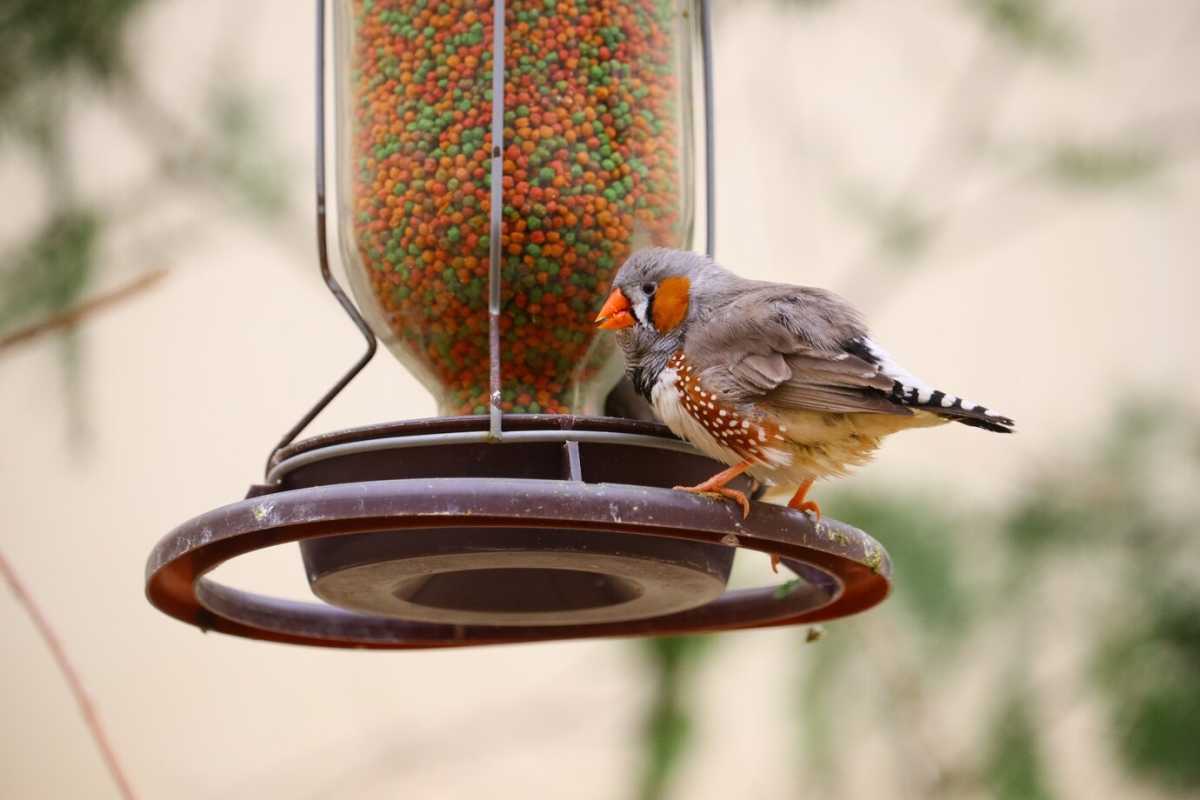
Credit: www.greenmatters.com
How Diseases Spread Among Birds
Understanding how diseases spread among birds is key to keeping your backyard safe and healthy. Birds gather around feeders in close proximity, which can create a hotspot for infections. Knowing what causes the spread helps you take smart steps to protect your feathered visitors.
Role Of Contaminated Feeders
Feeders can become breeding grounds for germs if not cleaned regularly. Old seeds, droppings, and saliva build-up create an environment where bacteria and viruses thrive. You might not notice it, but these contaminated surfaces can pass diseases from one bird to another quickly.
Think about your own experience with shared eating spaces—would you want to eat off a plate covered in someone else’s germs? Birds are no different. Cleaning your feeders weekly with a safe disinfectant can cut down on this risk dramatically.
Bird Behavior And Disease Transmission
Birds often crowd feeders, which increases contact and the chance of disease spread. Pecking order fights, sharing water sources, and preening each other all allow germs to move around. Some birds also carry diseases without showing symptoms, unknowingly infecting others.
Have you seen birds jostle for a spot at your feeder? That close contact is a perfect way for illnesses to jump from one bird to another. Observing their behavior helps you understand when extra cleaning or feeder rotation is needed to break the cycle.
Environmental Factors Influencing Spread
Weather and location affect how diseases move among birds. Damp, shaded areas promote mold and bacteria growth, while hot sun can dry out droppings, reducing germs. Wind and rain can either spread disease particles or wash them away, changing infection chances daily.
Placing feeders in well-ventilated, sunny spots can help reduce harmful germs. Also, spreading out multiple feeders lowers crowding, which cuts down disease transmission. What changes can you make to your feeding area to give birds a healthier environment?
Most Common Bird Diseases Linked To Feeders
Bird feeders attract many birds, creating close contact points. This can help diseases spread quickly among bird populations. Some diseases linked to feeders affect birds’ health severely. Understanding these diseases helps keep your backyard birds safe.
Salmonellosis
Salmonellosis is a bacterial infection common at feeders. Birds get it by eating contaminated seeds or water. Symptoms include diarrhea, lethargy, and weight loss. The bacteria survive well on dirty feeders. Cleaning feeders often reduces the risk of spreading.
Trichomoniasis
Trichomoniasis is caused by a parasite affecting birds’ throats. It spreads easily through shared water or food. Infected birds have difficulty swallowing and breathing. This disease can cause lesions and blockages in the throat. Regular feeder hygiene helps prevent its spread.
Avian Pox
Avian Pox is a viral disease seen as lesions on birds. It spreads through direct contact and contaminated surfaces. Birds with this disease often have scabs on their feet or faces. It weakens birds and makes feeding difficult. Keeping feeders clean and dry reduces infection chances.
Signs Of Disease In Backyard Birds
Spotting signs of disease in backyard birds can help protect your feathered visitors and keep your bird feeders safe. Birds often show clear physical and behavioral clues when something is wrong. By learning what to watch for, you can act quickly to reduce the spread of illness in your garden.
Physical Symptoms To Watch For
Look closely at the bird’s feathers and body. Birds with ruffled, dull, or missing feathers may be sick. Swollen eyes, unusual discharge, or crusty beaks are also red flags.
Check for breathing problems like open-mouth breathing or tail bobbing. Birds that appear thin or have swollen lumps on their legs or body could be infected. These symptoms don’t always mean disease, but they deserve attention.
Behavioral Changes
Healthy birds are active and alert. Notice if a bird is sitting quietly for long periods or seems unusually tired. A sick bird might avoid others or lose interest in food and water.
Sometimes birds may struggle to perch properly or show uncoordinated movements. If you see a bird repeatedly scratching or picking at itself, it could signal parasites or irritation. These behavioral shifts are often the first sign that something is wrong.
When To Contact Wildlife Experts
If you spot multiple birds showing signs of illness, it’s time to reach out for help. Contact local wildlife rehabilitators or bird health organizations for advice. They can offer guidance on safely handling sick birds and reducing disease spread.
Don’t try to treat wild birds yourself; improper care can worsen their condition. Instead, focus on cleaning feeders regularly and removing contaminated food. Would you feel confident identifying and reporting sick birds in your yard? Your vigilance can make a big difference.
Safe Practices For Bird Feeding
Keeping your backyard bird feeding safe is key to enjoying the beauty of visiting birds without risking their health. Birds can catch and spread diseases through feeders, but you can reduce this risk with some simple habits. These safe practices ensure your feathered friends stay healthy and keep coming back.
Regular Cleaning And Disinfecting
Cleaning your bird feeders often is the best way to stop disease spread. Old seeds, droppings, and mold can build up quickly and become harmful. Aim to clean feeders at least once every two weeks, or more often in wet weather.
Use a mild bleach solution (one part bleach to nine parts water) to disinfect feeders. Rinse thoroughly and let them dry completely before refilling. This routine keeps bacteria and fungi away from your birds.
Choosing The Right Feeder Types
Some feeders are better than others at preventing disease. Feeders that separate seeds and avoid crowding help reduce contact between birds. Tube feeders with small perches or feeders with individual seed compartments are good choices.
Avoid open trays or ground feeders where droppings can accumulate easily. These can become hotspots for germs. Think about what species visit your area and pick feeders that suit their feeding style while minimizing health risks.
Proper Placement And Maintenance
Where you place your feeder matters. Keep it in a spot with good air circulation to help seeds dry faster and reduce mold growth. Avoid placing feeders too close to windows to prevent bird collisions.
Regularly remove old, wet seeds and fallen debris from below the feeder. This cleanup limits the chances of disease spreading through contaminated ground or leftover food. How often do you check your feeder area for cleanliness?

Credit: www.cbc.ca
Alternative Ways To Support Birds
Bird feeders can sometimes spread diseases among birds. Clean feeders regularly to prevent this issue. Fresh water sources and native plants can also support bird health.
Supporting birds without the use of feeders can be both rewarding and beneficial for the birds’ health. Bird feeders, although popular, can sometimes contribute to the spread of diseases if not maintained properly. By exploring alternative methods, you can still ensure that birds thrive in your area. Let’s dive into some effective ways to support our feathered friends naturally.Natural Food Sources
Consider growing native plants that provide natural food sources for birds. Berry-producing shrubs like elderberry and serviceberry attract a variety of birds year-round. Not only do these plants provide nourishment, but they also add beauty to your garden. Seeds and nuts from trees like oaks and pines are also excellent food sources. By creating a diverse landscape, you offer birds a buffet without the risk of spreading disease. Plus, watching birds interact with their natural habitat is a delightful experience.Creating Bird-friendly Habitats
Design a garden that mimics natural habitats to attract more birds. Include elements like water sources, such as bird baths or small ponds, to provide drinking and bathing opportunities. Ensure the water is fresh and clean to avoid any health issues. Incorporate shelter options like dense shrubs and trees. These provide safe nesting sites and protection from predators. A well-thought-out habitat not only attracts birds but supports their well-being all year long.Avoiding Overcrowding At Feeders
If you do use feeders, managing the number is crucial. Spacing feeders apart helps prevent overcrowding, reducing the chance of disease spread. Clean feeders regularly to maintain a healthy environment. Observe the bird activity and adjust the number of feeders accordingly. Encourage your neighbors to do the same, creating a community effort in supporting bird health. This shared responsibility can lead to a healthier bird population in your area. Supporting birds doesn’t always mean providing feeders. By focusing on these natural and sustainable methods, you contribute to a healthier ecosystem and enjoy the beauty of birds in their natural element. Are you ready to transform your backyard into a bird paradise?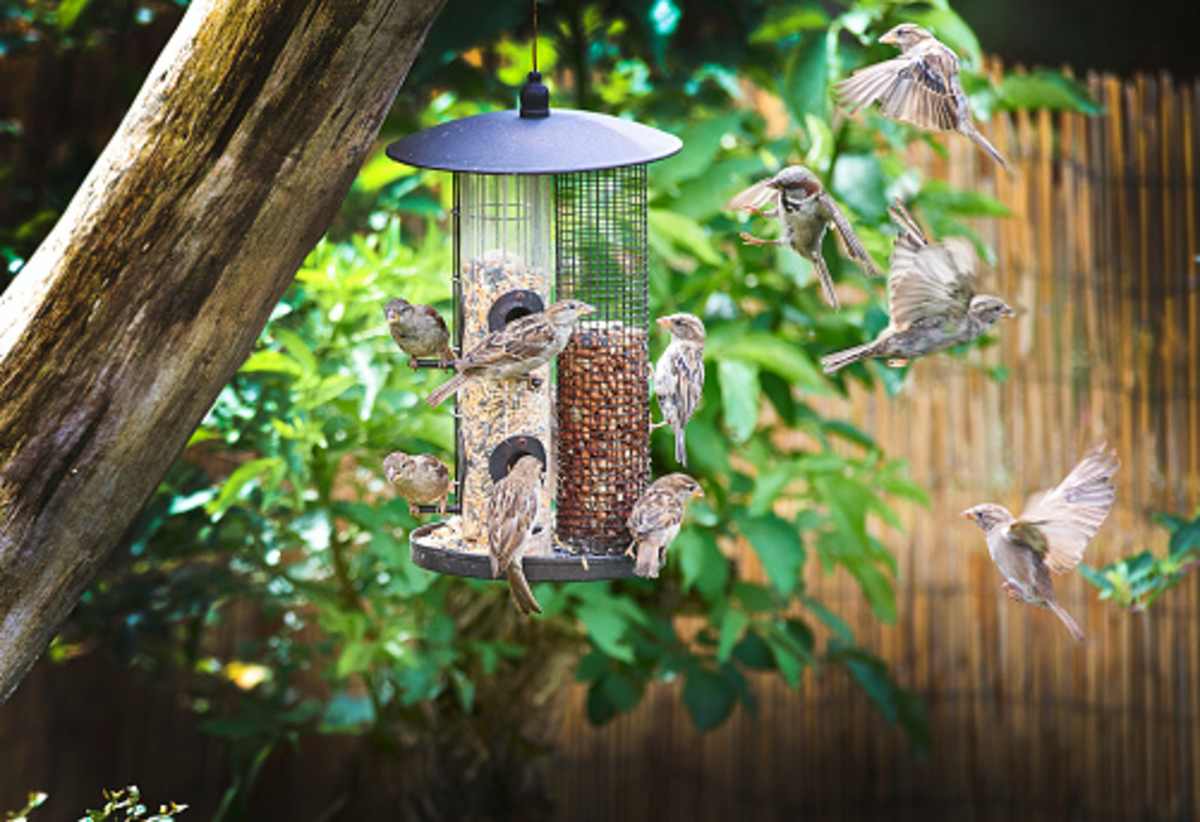
Credit: www.greenmatters.com
Frequently Asked Questions
Do Bird Feeders Cause Diseases In Wild Birds?
Yes, bird feeders can spread diseases if not cleaned regularly. Pathogens like salmonella and avian pox thrive on dirty feeders. Proper maintenance reduces infection risks and keeps birds healthy.
How Often Should Bird Feeders Be Cleaned?
Clean bird feeders every two weeks or more often in wet weather. Regular cleaning prevents mold, bacteria, and disease buildup, ensuring a safe feeding spot for birds.
What Diseases Can Spread From Bird Feeders?
Common diseases include salmonella, avian pox, and conjunctivitis. These illnesses spread through contaminated food, droppings, or feeder surfaces. Proper hygiene minimizes disease transmission.
Can Bird Feeders Harm Bird Populations?
Improper feeder hygiene can increase disease spread, potentially harming local bird populations. Responsible feeding with clean feeders supports bird health and helps maintain natural populations.
Conclusion
Bird feeders can spread disease if not cleaned often. Keep feeders dry and remove old seeds to help birds stay healthy. Watch for sick birds and clean feeders with soap and water regularly. Feeding birds brings joy and helps them, but it needs care.
Simple steps can protect birds from illness. Enjoy bird watching while keeping their environment safe and clean. Small efforts make a big difference for wild birds.




