
Are you worried about the safety of the eggs you collect from your backyard chickens? You might have heard stories about bird flu and wonder if it can be passed through those fresh eggs.
It’s natural to want to protect your family and make sure your food is safe. But how real is the risk? You’ll discover what bird flu really means for your backyard eggs and what simple steps you can take to keep your eggs—and yourself—safe.
Keep reading to clear up the confusion and enjoy your homegrown eggs with confidence.
Bird Flu And Backyard Eggs
Bird flu, also known as avian influenza, is a virus that affects birds worldwide. Backyard flocks have grown popular, and many people collect fresh eggs daily. This raises concerns about the safety of eggs from backyard chickens. Understanding bird flu and how it might relate to backyard eggs helps keep you and your flock safe.
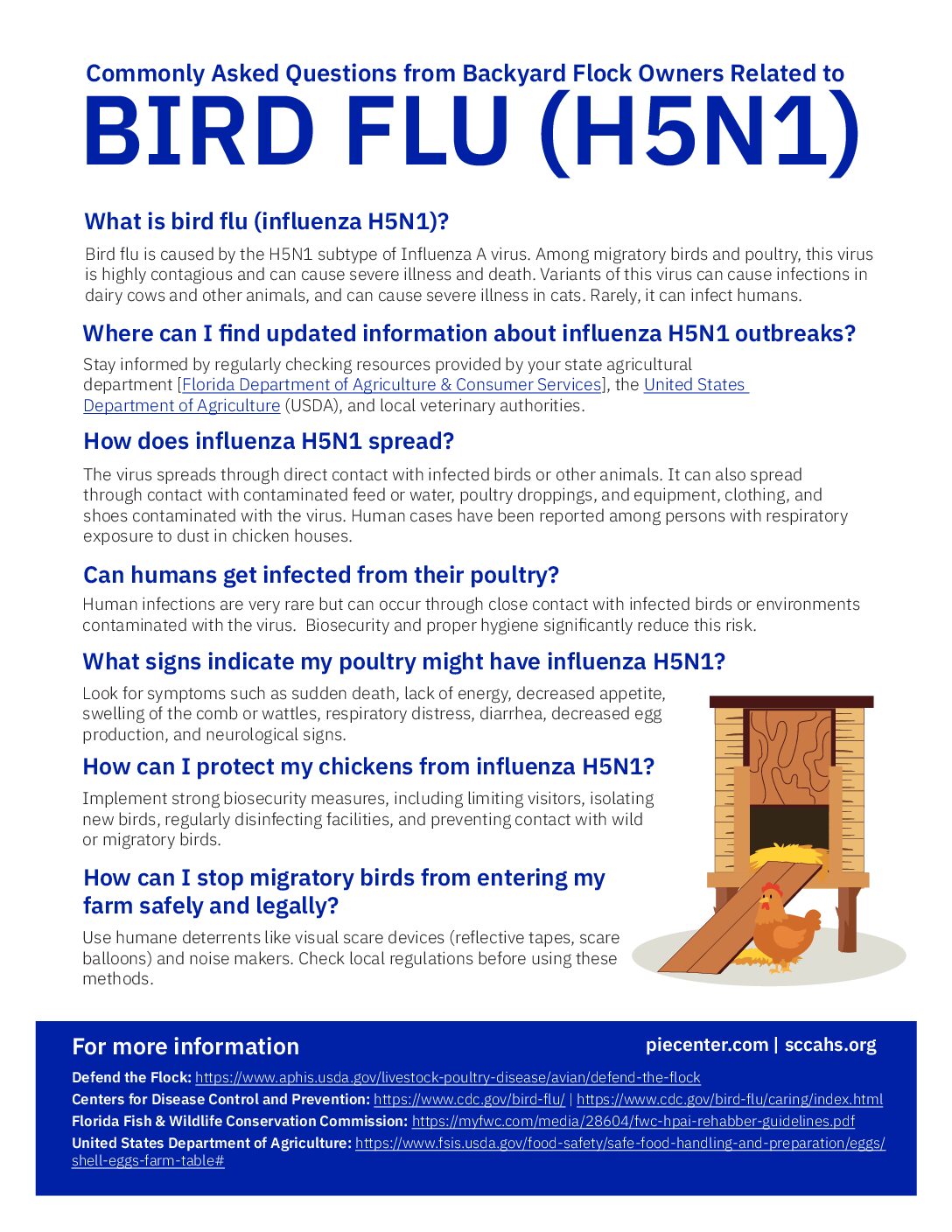
How Bird Flu Spreads
Bird flu spreads mainly through direct contact with infected birds. The virus can also be found in bird droppings, saliva, and nasal secretions. Wild birds, especially waterfowl, often carry the virus without showing signs. Backyard chickens may catch the virus if they come near wild birds or their droppings.
The virus does not usually infect eggs inside healthy hens. However, eggshells can get contaminated if they contact infected droppings or surfaces. Handling eggs with dirty hands or poor hygiene can spread the virus to people or other birds.
Risk Factors In Backyard Flocks
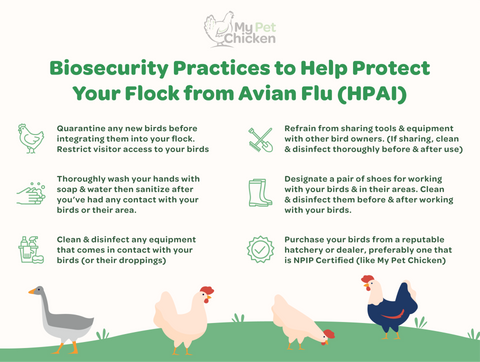
- Close contact with wild birds increases infection risk.
- Overcrowded coops create stress and weaken bird immunity.
- Poor coop hygiene allows virus buildup.
- Sharing equipment or feed between flocks spreads germs.
- Lack of biosecurity practices invites disease.
Regular cleaning, limiting wild bird contact, and monitoring bird health reduce risk. Wearing gloves and washing hands before and after handling eggs is crucial. These steps protect both your flock and your family.
Credit: www.mypetchicken.com
Egg Contamination Risks
Handling backyard eggs safely means understanding the risks of egg contamination. Bird flu can pose a threat, but not all contamination is the same. Knowing the difference between surface contamination and internal infection can help you decide how to store and prepare your eggs safely.
Surface Contamination Vs. Internal Infection
Surface contamination happens when bird flu virus lands on the eggshell. This can occur if infected birds come into contact with the eggs or the nesting area is dirty. Washing eggs carefully can reduce this risk, but you must avoid soaking them as water can push bacteria inside.
Internal infection is far less common. It happens if the virus infects the hen’s reproductive system, causing the virus to be inside the egg itself. This means even a clean shell won’t guarantee safety if the egg is infected internally.
Think about your own backyard setup. Are your hens healthy and their living space clean? This affects the chances of internal infection and surface contamination significantly.
Signs Of Infected Eggs
Identifying infected eggs isn’t always easy, but certain signs can raise red flags. Look for abnormal shells—thin, misshapen, or discolored eggshells might indicate health issues in hens. A foul smell when you crack an egg is another strong warning.
Sometimes, the egg white or yolk may appear cloudy or unusually thick. If you notice any strange colors or textures, don’t risk using that egg. Your safety matters more than wasting a few eggs.
Have you ever cracked an egg and felt unsure about its freshness? Trust your senses—they are often your first line of defense against contaminated eggs.
Safe Egg Handling Practices
Handling backyard eggs safely is crucial to protect yourself from bird flu and other potential risks. Eggs can carry bacteria or viruses on their shells, especially if hens have been exposed to illness. Taking simple precautions can greatly reduce any chance of contamination.
Washing And Storing Eggs
Never wash your eggs immediately after collecting them unless you plan to use them right away. Washing removes the protective bloom that keeps out bacteria. Instead, store eggs in a cool, dry place or in the refrigerator as soon as possible.
If you must wash eggs, use warm water that’s hotter than the egg but not scalding. Avoid soaking eggs; a quick rinse or gentle scrubbing with a brush works better. Always dry eggs thoroughly with a clean cloth or paper towel before storing.
Using Protective Gear
Protect yourself when handling eggs by wearing disposable gloves, especially if you suspect your flock might be ill. Gloves create a barrier that stops viruses or bacteria from getting on your skin. After handling eggs, always wash your hands with soap and warm water.
Consider using an apron or dedicated clothing while collecting eggs to prevent cross-contamination. If you touch your face or other surfaces without cleaning your hands, you risk spreading germs. These small steps help keep you and your family safe.
Credit: piecenter.com
Preventing Bird Flu In Backyard Flocks
Eggs from backyard flocks rarely carry bird flu if hens stay healthy. Washing eggs and keeping coops clean helps reduce risks. Handling eggs with care protects you and your birds.
Preventing Bird Flu in Backyard Flocks Keeping your backyard flock healthy is crucial, especially when it comes to preventing bird flu. The threat of this virus can be minimized with proper care and attention. By implementing strategic measures, you can protect your feathered friends and enjoy fresh eggs without worry.Biosecurity Measures
The cornerstone of preventing bird flu is robust biosecurity. Think of it as a protective shield for your flock. Limit visitors to your coop and ensure they wear clean clothes and shoes. Regularly clean and disinfect your equipment and coop. It’s not just about sweeping out the dirt; use a disinfectant effective against viruses. Set up a foot bath at the entrance to your coop, filled with a disinfectant solution. Wild birds often carry the virus, so create barriers that prevent them from mingling with your chickens. This could be as simple as installing netting over your run. Keep feed and water sources covered to avoid contamination.Monitoring Bird Health
Vigilance is key when it comes to bird health. Observe your flock daily for any signs of illness. If you notice symptoms like sneezing, coughing, or lethargy, act quickly. Isolate any sick birds immediately to prevent the spread of disease. It’s like quarantining to protect the rest of the flock. Consult a vet for a proper diagnosis and treatment plan. Keep records of your birds’ health. This helps in identifying patterns or recurring issues. Your keen eye and prompt response can make all the difference in keeping your backyard flock safe from bird flu.Cooking And Consumption Safety
Handling backyard eggs safely reduces the risk of bird flu infection. Cooking and consumption safety play a key role in protecting your health. Proper practices kill harmful viruses that may be present on or inside eggs. Follow clear steps to keep your eggs safe from contamination.
Proper Cooking Temperatures
Cooking eggs thoroughly destroys bird flu viruses. The center of the egg must reach a safe temperature. This temperature is 160°F (71°C) or higher. Use a food thermometer to check the heat. Cook eggs until both whites and yolks are firm. Avoid eating raw or undercooked eggs from backyard hens.
Avoiding Cross-contamination
Cross-contamination spreads viruses from eggs to other foods. Wash hands with soap after handling eggs. Clean all surfaces and utensils that touch raw eggs. Use separate cutting boards for eggs and other foods. Store eggs properly in the refrigerator. Keep eggs away from raw meat and poultry to prevent contamination.
When To Seek Veterinary Advice
Knowing when to seek veterinary advice is crucial if you keep backyard birds and collect their eggs. Early intervention can protect your flock and reduce the risk of spreading bird flu to humans or other animals. Don’t wait for symptoms to worsen—acting promptly can make all the difference.
Identifying Symptoms In Birds
Watch your birds closely for signs of illness. Symptoms like sudden weakness, loss of appetite, unusual droppings, or respiratory distress should raise concerns.
Notice if your birds stop laying eggs or if the eggshells appear abnormal. These can be subtle signs of infection that you might otherwise miss.
Remember, birds often hide sickness until it’s severe. If you see anything unusual, contact a vet immediately rather than hoping it will pass.
Reporting To Authorities
If you suspect bird flu, reporting the case is essential. Local agricultural or wildlife authorities need to know to prevent outbreaks.
Do not try to handle the situation alone. Reporting helps trigger proper testing and control measures that protect your community and your flock.
Authorities may ask you to quarantine your birds or follow specific hygiene rules. Cooperating quickly can stop the virus from spreading further.
Credit: www.randyschickenblog.com
Frequently Asked Questions
Can Backyard Eggs Carry Bird Flu Virus?
Backyard eggs can carry bird flu if hens are infected. Proper hygiene and cooking kill the virus, making eggs safe to eat.
How To Prevent Bird Flu From Backyard Eggs?
Wash hands after handling eggs and clean egg collection areas. Cook eggs thoroughly to prevent bird flu transmission.
Is It Safe To Eat Eggs During Bird Flu Outbreaks?
Yes, cooked eggs are safe as heat kills bird flu virus. Avoid raw or undercooked eggs during outbreaks for safety.
Can Bird Flu Spread Through Eggshell Cracks?
Eggshell cracks can allow bacteria but bird flu virus rarely penetrates shells. Proper handling and cooking reduce any risks effectively.
Conclusion
Bird flu does not usually spread through backyard eggs. Proper cleaning and cooking keep eggs safe to eat. Always wash hands after handling eggs or chickens. Keep your coop clean and watch your birds’ health. These simple steps help protect your family from illness.
Enjoy fresh eggs with peace of mind. Stay informed and follow good hygiene practices. Safe eggs mean a healthy home and happy hens.




