
Imagine having a single chart that shows every important detail of your project at a quick glance. No more digging through endless reports or missing crucial updates.
This bird’s eye view lets you see the big picture clearly and spot potential issues before they become problems. If you want to stay in control, save time, and make smarter decisions, this is the tool you’ve been waiting for.
Keep reading to discover how this simple yet powerful chart can transform the way you manage your projects.
Project Overview Chart
A project overview chart shows the main parts of a project. It helps teams and managers see the big picture quickly. This chart summarizes key details in one place.
Using a clear and simple chart saves time and improves communication. It keeps everyone focused on the project goals and progress.
Purpose And Benefits
The chart gives a quick look at the project’s status and main activities. It helps spot problems early and plan next steps. Teams use it to keep track of deadlines and resources.
- Shows project goals and timeline
- Highlights key tasks and milestones
- Improves team communication
- Helps managers track progress
- Supports quick decision-making
Key Elements To Include
A good project overview chart has clear and simple parts. Each element gives important information at a glance. Use colors and labels to make it easy to read.
| Element | Description |
| Project Name | The title or name of the project |
| Start and End Dates | When the project begins and ends |
| Key Milestones | Important events or goals during the project |
| Tasks or Phases | Main activities and their order |
| Responsible Team | Who is in charge of each task |
| Status Indicators | Shows if tasks are done, in progress, or delayed |
Credit: www.wrike.com
Types Of Project Charts
Project charts help teams see the big picture. They show tasks, deadlines, and progress clearly.
Using the right chart makes managing a project easier. Different charts work best for different needs.
Gantt Charts
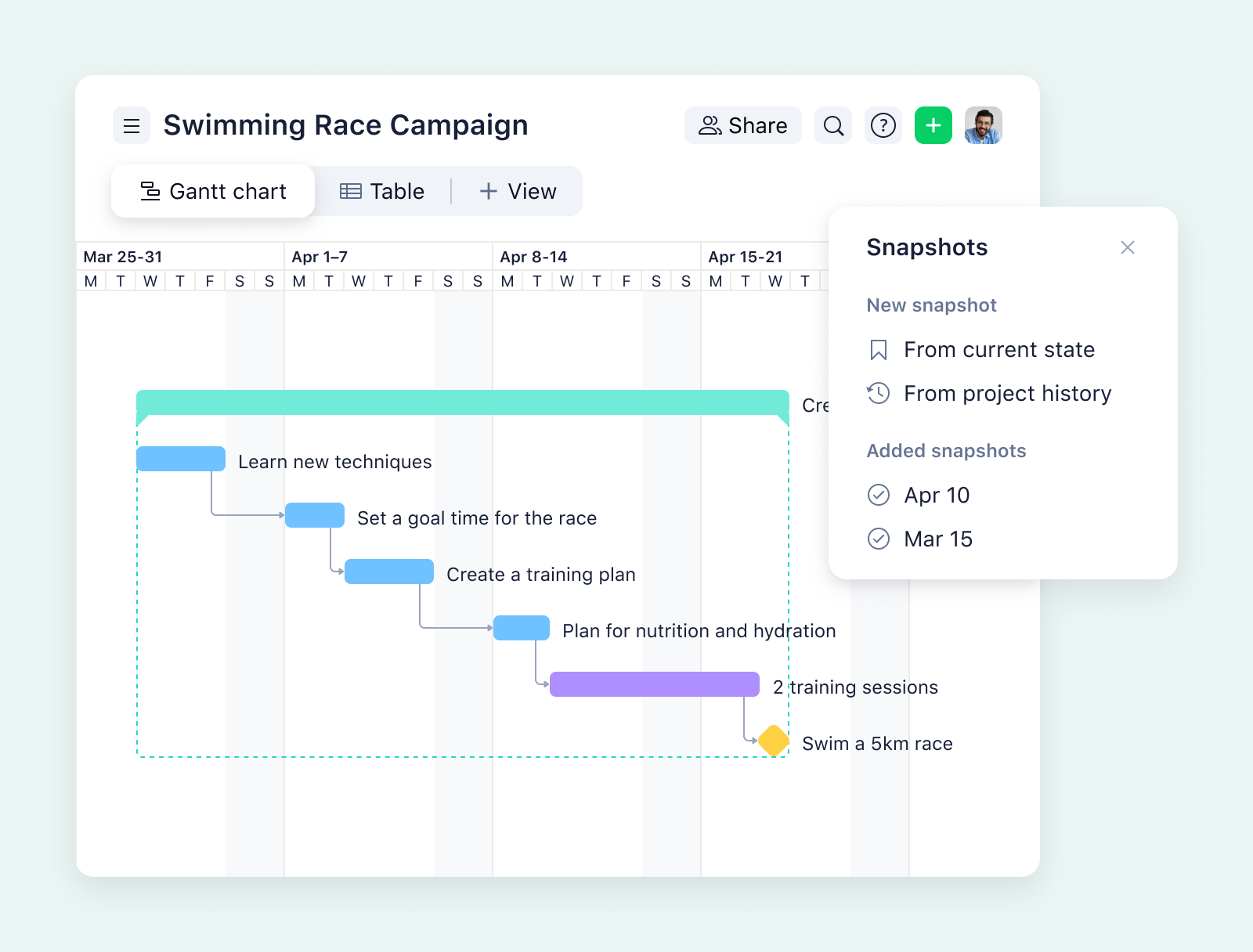
Gantt charts display tasks on a timeline. Each task is a bar showing start and end dates.
This chart helps track deadlines and task overlaps. It is good for detailed scheduling.
- Shows task duration
- Highlights dependencies between tasks
- Tracks progress visually
Kanban Boards
Kanban boards use columns to organize work stages. Cards represent individual tasks moving across columns.
This chart improves workflow visibility. Teams see what is to do, in progress, or done.
- Visual task management
- Limits work in progress
- Improves team communication
Timeline Views
Timeline views show project events in a linear sequence. They help track important dates and milestones.
This chart is simple and clear. It gives a quick overview of the project schedule.
- Displays events in order
- Highlights deadlines and milestones
- Easy to understand at a glance
Roadmaps
Roadmaps outline the project plan over time. They show goals, phases, and key deliverables.
This chart helps teams focus on long-term objectives. It connects daily tasks to bigger goals.
- Shows project goals
- Tracks major phases
- Aligns team efforts
Designing An Effective Chart
A chart gives a quick view of a project’s progress and key details. It helps teams see the big picture fast.
Designing the right chart needs clear choices about format, data, and look. Good design makes it easy to understand.
Choosing The Right Format
Pick a chart type that fits your project data. The format should show the main points clearly.
Bar charts work well for comparing tasks. Line charts show progress over time. Pie charts display parts of a whole.
- Use bar charts for task comparisons
- Use line charts for tracking progress
- Use pie charts for showing percentages
Selecting Data Points
Include only important data that tells the project story. Too much data can confuse viewers.
Focus on key tasks, deadlines, and status. Remove data that does not add value or clarity.
- Highlight major milestones
- Show deadlines and completion rates
- Exclude minor or irrelevant details
Visual Clarity And Simplicity
Keep the chart clean and simple. Avoid clutter that can distract from the main message.
Use clear labels, readable fonts, and contrasting colors. Make sure the chart is easy to read at a glance.
- Use large, simple fonts for labels
- Choose colors that stand out but don’t clash
- Remove unnecessary lines and decorations

Credit: www.smartsuite.com
Tools For Creating Charts
Charts help you see the big picture of your project. They show important data clearly.
Using the right tools makes chart creation easier and faster. You can pick from many options.
Popular Software Options
Many software programs let you create charts. Some are simple, and some are very detailed.
- Microsoft Excel: Good for basic charts and data tables.
- Google Sheets: Easy to use and share charts online.
- Tableau: Powerful tool for data visualization.
- Canva: Offers easy drag-and-drop chart design.
- Power BI: Great for business data and reports.
Customizable Templates
Templates save time and give your charts a clean look. You can change colors and shapes to fit your project.
| Template Type | Use Case | Customization Options |
| Bar Chart | Compare data points | Colors, labels, axis scales |
| Pie Chart | Show parts of a whole | Slice size, colors, legends |
| Gantt Chart | Track project timeline | Task bars, dates, milestones |
| Line Chart | Show trends over time | Line style, markers, gridlines |
Integration With Project Management Platforms
Some chart tools work inside project software. This helps keep all data in one place.
- Jira: Add charts to track issues and progress.
- Trello: Use charts to see task status and deadlines.
- Asana: Visualize project timelines and workloads.
- Monday.com: Create charts for team performance and goals.
Using Charts For Project Tracking
Charts give a clear view of a project’s status. They help teams see progress at a glance.
Using charts makes it easier to track tasks and deadlines. They show important details in one place.
Monitoring Progress
Charts show how much work is done and what is left. They help teams stay on schedule.
Visual progress lets managers spot delays early. Teams can adjust plans to meet goals on time.
- Track completed tasks vs. total tasks
- View timelines and deadlines clearly
- See progress updates in real time
Identifying Bottlenecks
Charts help find steps that slow down the project. Identifying bottlenecks lets teams fix problems fast.
When teams see where work piles up, they can reassign tasks or add resources. This keeps the project moving.
- Spot tasks taking longer than planned
- Find stages where delays occur often
- Highlight resource shortages or conflicts
Communicating With Stakeholders
Charts provide clear updates to everyone involved. They make sharing project status simple and direct.
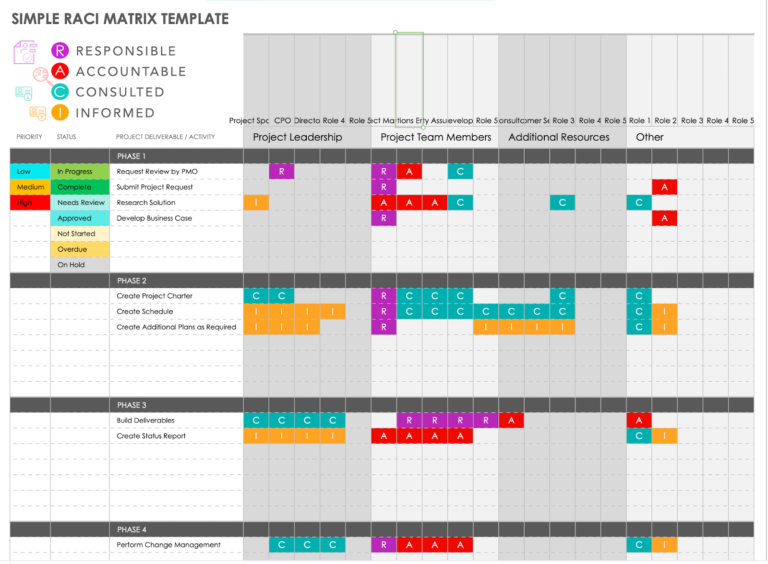
Stakeholders can see progress without reading long reports. Charts help keep all parties informed and aligned.
- Use charts in meetings to explain updates
- Share visuals to reduce misunderstandings
- Keep everyone aware of deadlines and risks
Credit: project-management.com
Best Practices And Tips
A project chart gives a clear view of the whole project. It helps teams track progress and spot issues early.
Using the chart well needs some best practices. These tips will keep your project on track.
Regular Updates
Keep the chart current by updating it often. Frequent updates show true project status and keep everyone informed.
- Set a schedule for updating the chart.
- Include all new tasks and changes immediately.
- Share updates with the whole team regularly.
Collaborative Input
Invite team members to add their data to the chart. This creates a full and accurate project picture.
| Role | Input Needed | Frequency |
| Project Manager | Update milestones and deadlines | Weekly |
| Team Members | Status of assigned tasks | Daily |
| Stakeholders | Feedback and approvals | As needed |
Adapting To Project Changes
Projects change often. Adjust your chart quickly to reflect new plans or challenges.
Tips for adapting your project chart:
- Review changes immediately after they happen.
- Communicate changes clearly to the team.
- Use the chart to plan new steps or reassign tasks.
- Keep past versions saved for reference.
Frequently Asked Questions
What Is A Bird’s Eye-view Chart?
A bird’s eye-view chart provides a comprehensive overview of a project. It visually represents the project’s key components, timelines, and milestones. This chart helps stakeholders quickly understand the project’s status and progress. It is an essential tool for project managers to communicate effectively with their teams and clients.
How Does A Bird’s Eye-view Chart Benefit Projects?
A bird’s eye-view chart enhances project transparency and communication. It allows stakeholders to grasp project scope and timelines quickly. This chart helps identify potential bottlenecks and ensures resources are allocated efficiently. It aids in tracking progress and making informed decisions, ultimately leading to successful project completion.
Why Use Visual Charts In Project Management?
Visual charts simplify complex project data, making it easier to understand. They facilitate quick decision-making by highlighting key information. Visuals engage stakeholders, improving communication and collaboration. They also help in identifying trends and potential issues early, ensuring projects stay on track and within budget.
What Elements Are Included In A Project Chart?
A project chart typically includes timelines, key milestones, resources, and deliverables. It may also show project phases and responsibilities. This visual representation ensures all stakeholders are aligned. It provides a clear roadmap of the project, helping to manage expectations and track progress effectively.
Conclusion
A clear chart helps everyone see the whole project at once. It shows tasks, deadlines, and progress in one place. Teams can spot problems early and fix them fast. Communication improves, and everyone stays on the same page. This simple tool saves time and reduces stress.
Use it to keep your project organized and smooth. A good overview makes work easier and results better.




