
Have you ever wondered where you can find the most stunning exotic birds on the planet? Imagine spotting a vibrant macaw in the Amazon or a rare bird of paradise deep in a tropical forest.
Knowing exactly where these colorful creatures live can turn your next adventure into an unforgettable experience. You’ll discover the top locations around the world where exotic birds thrive. Get ready to explore hidden gems that are perfect for bird lovers like you.
Keep reading, and your next birdwatching trip will be filled with excitement and wonder.
Rainforests Of The Amazon
The rainforests of the Amazon stretch across nine countries in South America and hold one of the richest collections of wildlife on Earth. This vast green expanse is a haven for exotic birds, offering a unique opportunity to see species you won’t find anywhere else. If you love vibrant colors and fascinating bird behaviors, the Amazon is a place you need to know about.
Diverse Bird Species
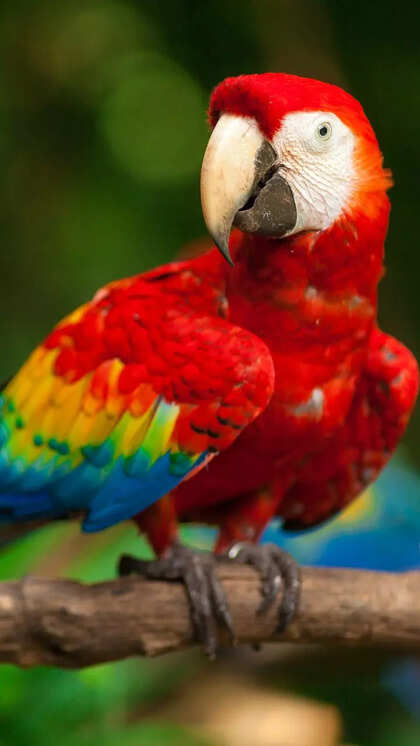
The Amazon hosts over 1,300 bird species, making it one of the most diverse bird habitats worldwide. You’ll find macaws with their striking red and blue feathers, toucans with their giant colorful beaks, and elusive harpy eagles soaring above the canopy. Some birds here, like the hoatzin, have ancient features that seem like a window into the past.
Have you ever wondered how different the world looks from a bird’s perspective? The variety in size, shape, and color of Amazonian birds shows how life adapts to every niche in the rainforest.
Best Viewing Spots
To spot these exotic birds, certain areas in the Amazon stand out as prime viewing spots. The Manu National Park in Peru is famous for birdwatching, with over 1,000 species recorded. Brazil’s Tambopata National Reserve offers accessible trails and river tours where you can watch colorful parrots and elusive antbirds.
- Early mornings are the best time to see active birds.
- Guided tours help you find hidden species and understand their behavior.
- Look for natural clearings and riverbanks where birds gather.
Are you ready to wake up early and experience the rainforest symphony of bird calls?
Conservation Efforts
Many Amazonian birds face threats from deforestation and habitat loss. Local and international groups work hard to protect key areas and educate communities about sustainable practices. Programs often involve indigenous people, who bring valuable knowledge about the forest and its wildlife.
Supporting conservation isn’t just about protecting birds; it’s about preserving the entire ecosystem they depend on. How might your visit or support help these efforts continue?
Credit: www.moneycontrol.com
Islands Of The Galápagos
The Islands of the Galápagos are a hotspot for bird lovers and nature enthusiasts alike. Located in the Pacific Ocean, about 1,000 kilometers off the coast of Ecuador, these islands offer a rare glimpse into wildlife that has evolved in isolation. Visiting the Galápagos means stepping into a living laboratory of evolution and witnessing birds that you won’t find anywhere else on Earth.
Unique Birdlife
The Galápagos Islands host a variety of unique bird species that have adapted to the island environments in fascinating ways. You might spot the famous blue-footed boobies, known for their bright blue feet and quirky mating dances. The islands also shelter magnificent frigatebirds with their impressive red throat pouches, which inflate during mating season.
What makes these birds stand out is their specialized behaviors and appearances, shaped by the islands’ limited resources. Seeing these birds in their natural habitat offers insights into how species can evolve to fill different ecological roles.
Endemic Species
Many birds in the Galápagos are endemic, meaning they live nowhere else on the planet. The Galápagos finches, often called Darwin’s finches, showcase a variety of beak shapes tailored to specific diets, from cracking seeds to catching insects. Another endemic species is the flightless cormorant, which lost its ability to fly but became an excellent swimmer instead.
Encountering these species challenges you to think about survival and adaptation. How do isolated conditions shape the future of a species? The Galápagos offers a vivid answer to this question.
Guided Tours
To get the most out of your visit, guided tours are essential. Expert guides share deep knowledge about the bird species and their environments, enhancing your experience. They also ensure you follow the strict conservation rules designed to protect the fragile ecosystem.
Choosing a guided tour also means you can visit less accessible spots where rare birds congregate. Would you want to miss out on witnessing a rare Galápagos penguin or the vibrant waved albatross nesting areas? A guide can make that possible.
Tropical Forests Of Southeast Asia
The tropical forests of Southeast Asia are home to some of the world’s most exotic birds. These lush, green habitats stretch across countries like Thailand, Malaysia, Indonesia, and the Philippines. The warm climate and dense vegetation create perfect conditions for diverse bird species. Many of these birds are brightly colored and unique to this region. Bird watchers and nature lovers travel here to see them in their natural homes.
Colorful Birds
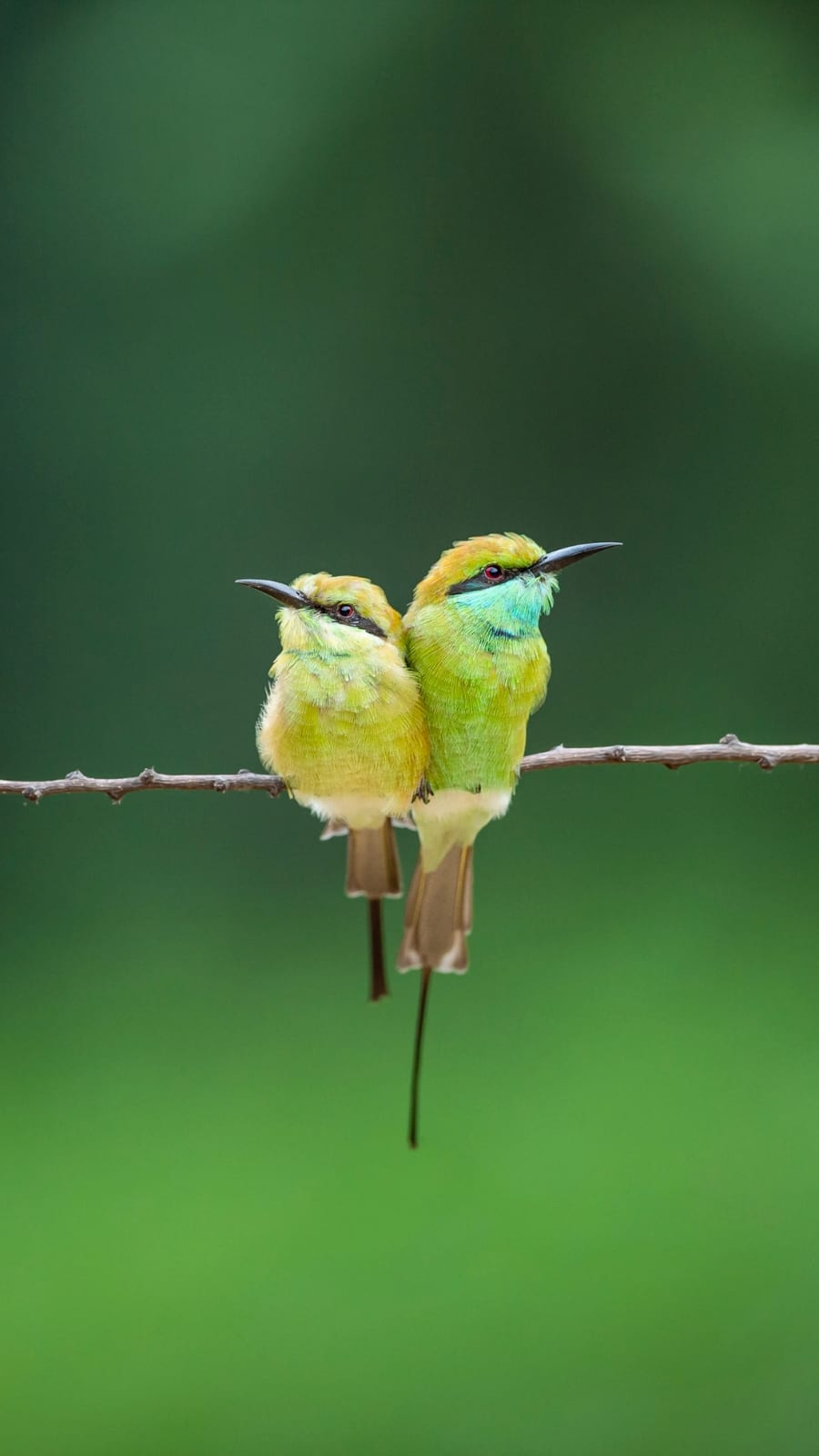
Southeast Asia’s tropical forests are alive with vibrant bird species. The famous hornbills, with their large curved bills, are a common sight. The Asian fairy-bluebird shines in bright blue and black feathers. The paradise flycatcher displays long, elegant tail feathers. Many parrots, kingfishers, and pittas add to the colorful display. These birds often use their colors to attract mates or hide among the flowers and leaves.
National Parks To Visit
- Gunung Leuser National Park, Indonesia – Known for rare birds like the Sumatran ground-cuckoo.
- Khao Yai National Park, Thailand – Home to hornbills and various colorful species.
- Taman Negara, Malaysia – One of the oldest rainforests with rich bird diversity.
- Puerto Princesa Subterranean River National Park, Philippines – Offers chances to spot endemic birds.
Seasonal Bird Watching
Bird activity changes with the seasons in Southeast Asia. The dry season, from November to April, is best for spotting birds. During this time, birds gather near water sources, making them easier to find. The wet season can be harder due to heavy rains but brings breeding colors and behaviors. Migratory birds also visit the region between October and March, increasing species variety.
Credit: timesofindia.indiatimes.com
Savannas And Forests Of Africa
The savannas and forests of Africa are home to some of the most stunning exotic birds. These environments offer a mix of open grassy plains and dense woodlands. This variety supports a rich bird population with many unique species. Birdwatchers and nature lovers often travel here to see these creatures in their natural habitats.
From colorful birds to large birds of prey, Africa’s savannas and forests host a diverse range of species. These birds play important roles in the ecosystem. They help control insect populations and spread seeds. Their beauty and behavior attract photographers and tourists worldwide.
Iconic Exotic Birds
- The African Grey Parrot, known for its intelligence and mimicry.
- The Lilac-breasted Roller, famous for its bright, multi-colored feathers.
- The Secretary Bird, a tall bird of prey with long legs and striking appearance.
- The Hornbill, recognized by its large curved bill and loud calls.
- The Superb Starling, displaying shiny blue and orange plumage.
Top Safari Destinations
- Maasai Mara National Reserve in Kenya
- Kruger National Park in South Africa
- Serengeti National Park in Tanzania
- Okavango Delta in Botswana
- Bwindi Impenetrable Forest in Uganda
Photography Tips
- Use a zoom lens to capture birds without disturbing them.
- Be patient and observe birds’ behavior for the best shots.
- Shoot during early morning or late afternoon for soft lighting.
- Focus on the eyes to make photos look sharp and alive.
- Keep your camera steady to avoid blurry images.
Wetlands Of Australia
The wetlands of Australia offer a unique habitat where exotic birds thrive amidst lush vegetation and shimmering waters. These areas are vital for birdlife, providing food, shelter, and breeding grounds. If you want to see some of the rarest and most colorful birds, these wetlands are a must-visit destination.
Rare And Exotic Birds
Australia’s wetlands are home to species you won’t easily find elsewhere. Birds like the Jabiru, with its striking black head and long legs, and the colorful Musk Duck are just a few examples. You might also spot the elusive Australasian Bittern, known for its booming call that echoes at dawn.
Have you ever wondered how these birds adapt to such watery environments? Their unique beaks and feet are perfectly designed for catching fish and navigating marshes. Watching them in action can change your perspective on survival and adaptation.
Protected Reserves
Many of Australia’s wetlands fall within protected reserves, ensuring these birds have safe places to live and breed. Kakadu National Park and the Coorong National Park are prime examples where conservation efforts are strong. These reserves often have guided tours, making it easier for you to spot wildlife responsibly.
Visiting these protected areas supports conservation and helps maintain the delicate balance of these ecosystems. Have you considered how your visit can impact these birds’ habitats positively? Choosing responsible tours can make a big difference.
Best Times To Visit
The best time to visit the wetlands depends on the bird species you want to see. The dry season, from May to October, is ideal because birds gather around shrinking water sources, making them easier to find. During this time, migratory birds also arrive, adding to the variety.
Early mornings and late afternoons provide the best light and cooler temperatures for birdwatching. Are you ready to set your alarm early to catch the spectacular bird activity? Planning your trip around these times can boost your chances of unforgettable sightings.
Mountain Regions Of The Andes
Mountain regions of the Andes host many exotic birds. These areas have unique plants and climates that attract colorful species. Birdwatchers find rare and beautiful birds high in these mountains.
The Mountain Regions of the Andes offer a breathtaking landscape. Spanning seven countries, these majestic peaks are home to a dazzling array of exotic birds. The Andes provide unique ecosystems, each hosting distinct avian life. These regions are a paradise for birdwatchers and nature enthusiasts alike.High-altitude Bird Species
The Andes are home to many high-altitude bird species. These birds have adapted to the cold and thin air. Among them, the Andean condor reigns supreme with its impressive wingspan. The vivid colors of the Scarlet-bellied Mountain Tanager captivate onlookers. Each species in the Andes has a unique story to tell.Popular Trekking Routes
Trekking through the Andes is a popular activity. Many routes offer stunning views and birdwatching opportunities. The Inca Trail is famous for its diverse wildlife. The Santa Cruz Trek, in Peru, offers sightings of rare birds. Each trail provides a chance to encounter unique avian species.Local Birdwatching Communities
Local communities in the Andes are passionate about birdwatching. They organize guided tours to observe exotic birds. These communities share knowledge about bird habitats and behaviors. Visitors can learn and participate in conservation efforts. Engaging with locals enriches the birdwatching experience in the Andes.Caribbean Islands
The Caribbean Islands host many colorful exotic birds, including parrots and hummingbirds. These islands provide rich habitats where birds thrive in warm, tropical climates. Birdwatchers often visit to see rare species found only in this region.
The Caribbean Islands are a paradise for exotic bird lovers. This region’s lush landscapes host vibrant and diverse bird species. From Jamaica to Trinidad, these islands offer a haven for avian enthusiasts.Tropical Bird Species
The Caribbean Islands boast unique tropical bird species. The colorful Scarlet Ibis and the Cuban Tody are a delight to observe. Parrots, including the Amazon Parrot, are also common here. These birds’ vivid colors and distinct calls attract birdwatchers worldwide.Bird Sanctuaries
The Caribbean is home to protected bird sanctuaries. The Asa Wright Nature Centre in Trinidad is famous for its bird diversity. Jamaica’s Rocklands Bird Sanctuary offers close encounters with hummingbirds. These sanctuaries provide safe havens for birds and visitors.Ecotourism Opportunities
Birdwatching is a popular ecotourism activity in the Caribbean. Visitors can join guided tours to explore bird habitats. Some islands offer eco-lodges near prime birdwatching spots. These experiences promote conservation and support local communities.
Credit: birdsnways.com
Frequently Asked Questions
Where Are The Most Exotic Birds Found Globally?
Exotic birds are mostly found in tropical rainforests of South America, Africa, and Southeast Asia. These regions offer diverse habitats and food sources. Countries like Brazil, Indonesia, and Madagascar are hotspots for unique bird species. Their rich ecosystems support high bird diversity.
Which Countries Have The Highest Exotic Bird Diversity?
Brazil, Indonesia, and Colombia lead in exotic bird diversity. These countries have vast rainforests and varied climates. They provide ideal environments for rare and colorful birds. Birdwatchers often visit these countries to see unique species in natural habitats.
What Habitats Do Exotic Birds Prefer Worldwide?
Exotic birds thrive in rainforests, mangroves, and wetlands. They prefer warm, humid climates with abundant vegetation. These habitats provide food, shelter, and nesting sites. Preservation of such areas is vital for protecting exotic bird populations.
Can Exotic Birds Be Found Outside Tropical Regions?
Yes, some exotic birds live in temperate and mountainous regions. Species like the Resplendent Quetzal inhabit cloud forests at high altitudes. Others adapt to savannas and grasslands. Exotic bird distribution depends on specific habitat needs.
Conclusion
Exotic birds live in many places around the world. Tropical rainforests, islands, and mountains hold the most species. Each bird has its special home and unique beauty. These birds help keep nature balanced and healthy. Protecting their habitats is very important for their survival.
Exploring where exotic birds live can inspire us to care more for wildlife. Nature’s colors and sounds become richer with these birds around. Their presence reminds us how diverse and wonderful our planet is.




