
Are you wondering what to put under a bird feeder to keep your backyard clean and inviting? The area beneath your bird feeder plays a bigger role than you might think.
It can affect the health of the birds, the cleanliness of your yard, and even how often you need to clean up. You’ll discover simple and effective options that make your bird feeding experience easier and more enjoyable. Keep reading to find out how a small change under your feeder can make a big difference!
Choosing The Right Surface
Choosing the right surface under your bird feeder can make a big difference in keeping your yard clean and your feathered visitors safe. The area beneath the feeder often collects dropped seeds, husks, and bird droppings, which can attract unwanted pests or create muddy patches. Picking the right ground covering helps manage these issues and makes cleanup easier, so you can enjoy watching birds without extra hassle.
Grass Vs. Gravel
Grass is a natural, soft surface that looks great in any garden. However, seeds dropped on grass often sprout into unwanted plants, and bird droppings can damage the lawn. Plus, wet grass can turn muddy quickly, making the area messy after rain.
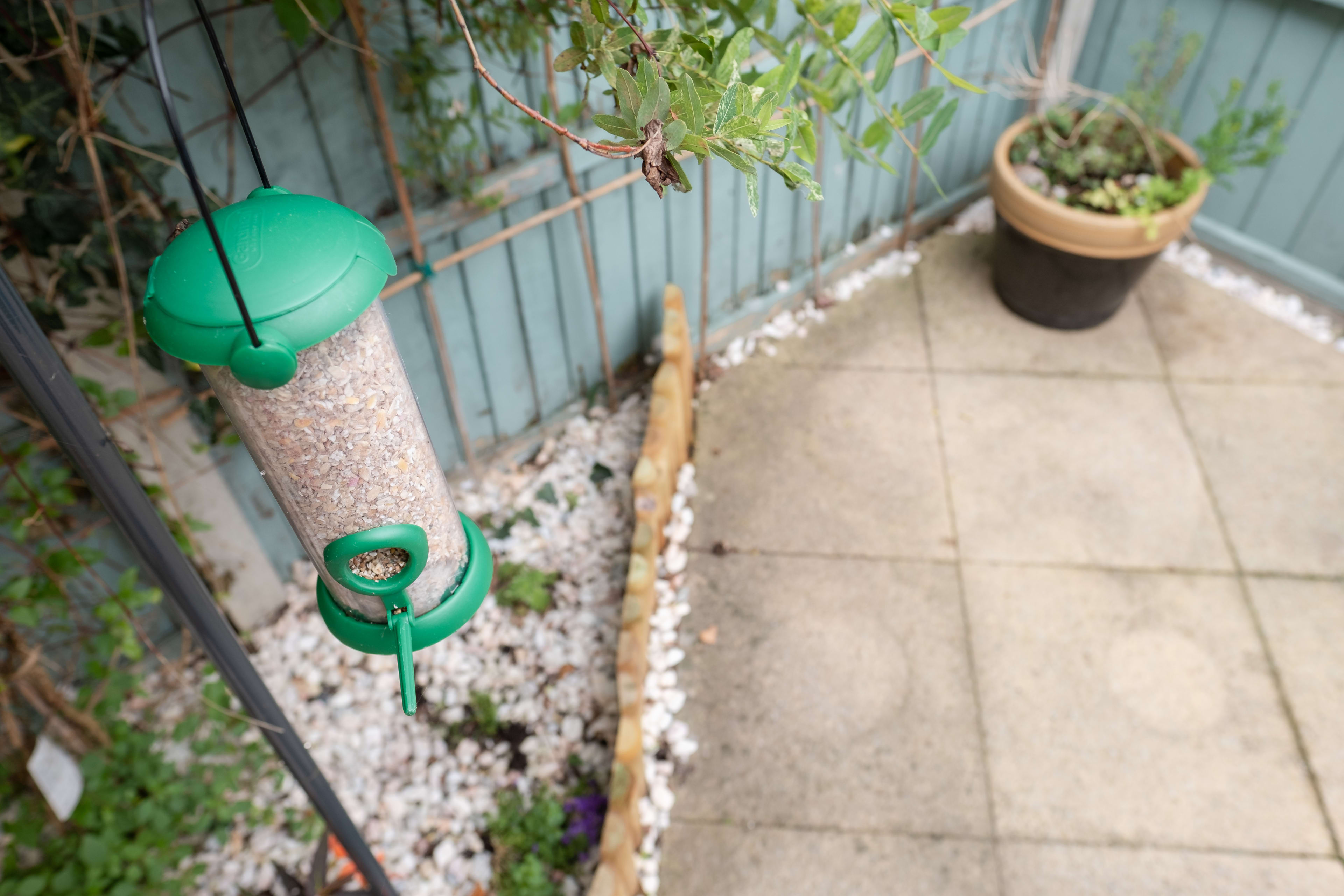
Gravel offers a practical alternative. It allows water to drain easily, reducing mud and standing water. You might find that gravel discourages weeds and makes it simpler to spot and clean up leftover seeds. But keep in mind, gravel can shift or scatter, so regular raking might be necessary to keep it tidy.
Using Bird Mats
Bird mats are a smart solution designed to catch dropped seeds and debris. These mats are often made from materials that resist moisture and are easy to clean. Placing a bird mat under your feeder can prevent seeds from sinking into the soil or grass, simplifying maintenance.
One thing to consider is the size of the mat—you want enough coverage to catch most of the mess but not so large that it disrupts your yard’s look. Have you tried bird mats before? Many bird lovers report less cleanup time and fewer pests when using them.
Concrete And Pavers
Concrete or pavers create a solid, stable base under your feeder. This setup prevents mud and makes it easy to sweep up dropped seeds and droppings. You won’t have to worry about weeds growing through cracks, and the surface stays firm even after rain.
However, concrete can get hot in direct sunlight, which might discourage some birds from feeding close by. Pavers offer more flexibility; you can arrange them with gaps for drainage and even add decorative touches. Are you aiming for a low-maintenance option that blends with your patio or walkway? Concrete or pavers might be the answer.
Credit: dengarden.com
Managing Seed Waste
Seed waste under a bird feeder can create a messy area. It attracts pests and causes mold. Managing this waste keeps the feeding spot clean and safe for birds. It also helps maintain your yard’s appearance.
Installing Seed Catchers
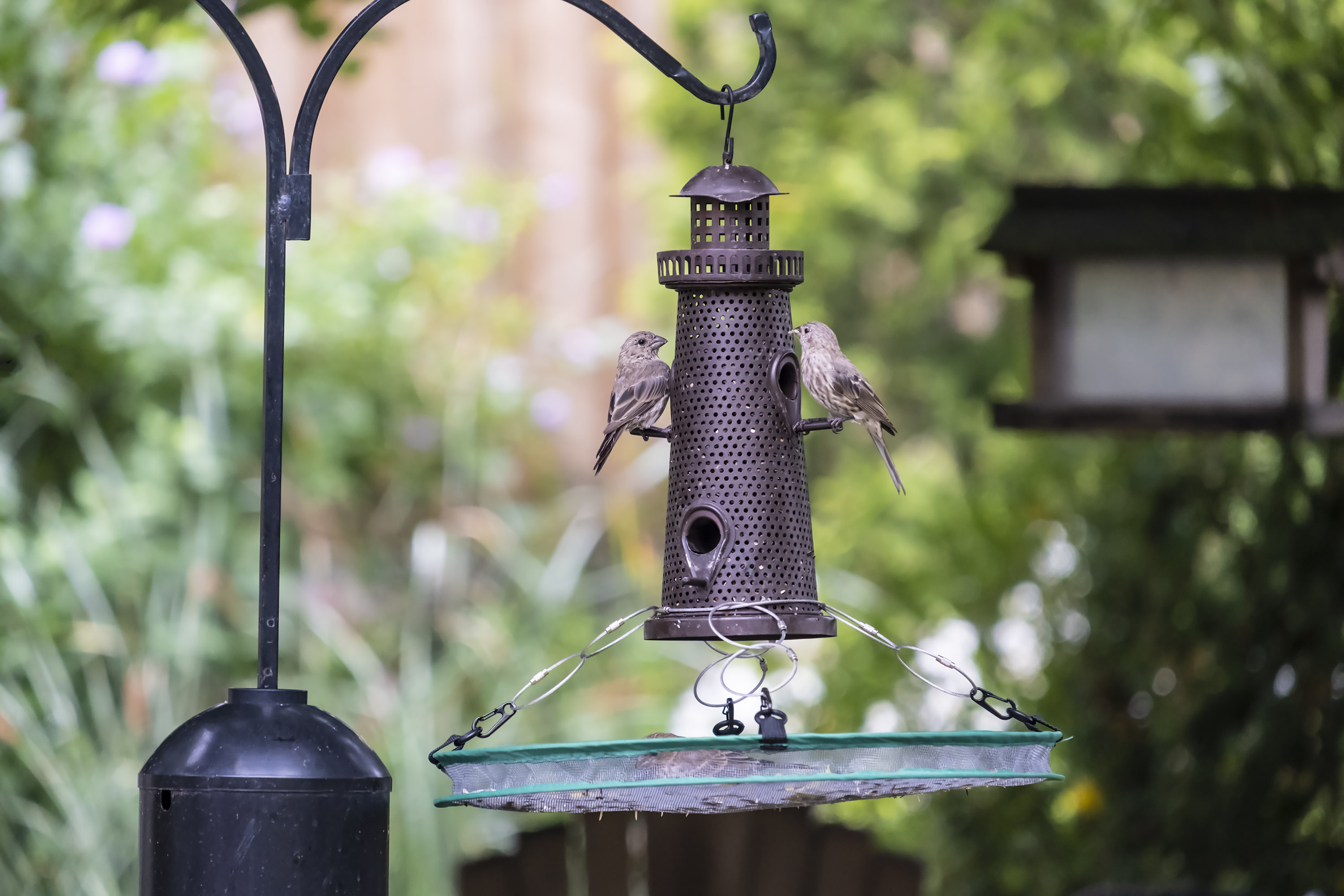
Seed catchers are nets or trays placed below feeders. They catch falling seeds before they hit the ground. This reduces waste and mess significantly. Choose a catcher that fits your feeder size. Make sure it is easy to clean and weather-resistant.
Regular Cleanup Tips
- Clear the area under the feeder weekly.
- Use a small rake or brush to gather seed shells.
- Remove old, damp seeds to prevent mold.
- Check for signs of pests or rodents regularly.
- Keep the ground dry to avoid seed decay.
Disposing Of Old Seed
Old seed may grow mold or attract unwanted animals. Dispose of it properly to maintain hygiene. Place old seeds in a sealed bag before trashing. Avoid composting moldy seed to prevent spreading spores. Regular disposal keeps the feeding area fresh and safe.
Preventing Mold And Mildew
Mold and mildew often grow under bird feeders due to damp conditions and spilled seed. These fungi harm birds and spoil the feeding area. Keeping the space dry and clean reduces mold risks. Use smart methods to prevent these problems below your feeder.
Proper Drainage Solutions
Water collects under feeders from rain and bird water. Proper drainage stops water from pooling. Use gravel or sand under the feeder for good drainage. Raised platforms or drainage trays help water flow away. Avoid flat surfaces where water can sit. This keeps the ground dry and less likely to grow mold.
Cleaning Frequency
Regular cleaning removes food scraps and moisture. Clean the area under the feeder at least once a week. Remove old seed and bird droppings. Use a stiff brush and mild soap with water. Rinse well to avoid soap residue. Dry the area fully before refilling the feeder. This stops mold spores from taking hold.
Using Natural Antifungal Remedies
Natural substances can prevent mold growth safely. Sprinkle baking soda lightly under the feeder to reduce moisture. Vinegar diluted with water cleans and kills fungi without chemicals. Spread diatomaceous earth around the feeding area to keep mold away. These remedies protect birds and keep the feeding spot fresh and safe.
Credit: dengarden.com
Deterring Pests
Pests like rodents and insects often gather under bird feeders. They feed on spilled seeds and leftover food. This can cause damage and spread diseases. Deterring these pests protects your garden and keeps birds safe.
Avoiding Attracting Rodents
Spilled seeds attract rodents quickly. Keep the ground clean by using a seed tray. Use feeder types that minimize seed drop. Avoid using large seed piles near the feeder. Store bird food in sealed containers to prevent smells.
Safe Deterrent Methods
Natural repellents can keep pests away without harm. Sprinkle cayenne pepper or garlic powder under the feeder. These are safe and do not bother birds. Use predator decoys like fake owls or snakes. Change their position often to keep pests alert.
Setting Up Barriers
- Place a metal or plastic guard around the feeder pole.
- Use smooth, slippery surfaces that rodents cannot climb.
- Install hardware cloth or mesh under the feeder to catch spilled seeds.
- Keep grass and weeds trimmed to reduce hiding spots.
Maintaining Hygiene For Birds
Keeping the area under your bird feeder clean is crucial for the health of your feathered visitors. Birds can easily catch diseases from leftover food, droppings, and damp conditions. By paying attention to hygiene, you create a safer space that encourages birds to return regularly.
Sanitizing The Area
Regularly removing old seeds, husks, and droppings helps prevent mold and bacteria buildup. Use a stiff brush or a broom to clear debris from the ground beneath the feeder. Wet spots attract pests and increase the risk of illness, so let the area dry completely after cleaning.
I once noticed fewer birds visiting when I ignored cleaning for a few weeks. After a thorough scrub and drying, the birds returned quickly and stayed longer. Isn’t it worth a little effort to see more bird activity?
Safe Cleaning Products
Choose mild soap and warm water to wash surfaces around the feeder. A diluted bleach solution (about 1 part bleach to 9 parts water) can disinfect hard surfaces but must be rinsed well. Avoid harsh detergents that leave harmful residues.
Natural options like vinegar can also work but may require more frequent application. Test any cleaner on a small area first to ensure it doesn’t harm plants or the soil. What safe cleaning products do you already have at home that could work?
Avoiding Harmful Chemicals
Never use pesticides, insecticides, or chemical fertilizers near your bird feeding area. These substances can poison birds or disrupt their natural behaviors. Even some household cleaners can be toxic if not rinsed properly.
Stick to gentle, bird-friendly products and keep any chemicals stored away from your garden feeders. Your goal is to create a welcoming spot, not a hazardous one. How often do you check the labels of the products you use around your garden?
Credit: dengarden.com
Frequently Asked Questions
What Is The Best Ground Cover Under A Bird Feeder?
Grass or mulch works well under bird feeders. They absorb spilled seeds and reduce mud. Avoid concrete or hard surfaces that can harm birds.
Should I Put A Tray Under My Bird Feeder?
Yes, trays catch spilled seeds and keep the area clean. They also prevent seed waste and make feeding easier for ground-feeding birds.
How To Keep The Area Under A Bird Feeder Clean?
Regularly rake or sweep the area to remove debris. Use mulch or sand to absorb moisture and prevent mold growth. Clean bird droppings frequently to maintain hygiene.
Can I Use Sand Under A Bird Feeder?
Yes, sand helps drain water and prevents seed mold. It also makes cleaning easier and deters pests like rodents from nesting nearby.
Conclusion
Choosing the right material under your bird feeder helps keep birds safe and healthy. Use mulch or gravel to control mud and weeds. Avoid materials that attract pests or hold moisture. Clean the area often to prevent disease and mess.
A tidy spot makes feeding birds more enjoyable for you and them. Small efforts create a big difference in your backyard. Keep it simple and watch birds come back happily.




