
Are you ready to capture stunning photos of birds in their natural beauty? Choosing the right camera can make all the difference between blurry shots and breathtaking images that tell a story.
But with so many options out there, how do you know what a good camera for bird photography really is? This guide will help you find the perfect tool to bring your bird photos to life—clear, sharp, and full of detail.
Keep reading to discover what features matter most and how to pick a camera that fits your needs and budget. Your next amazing bird photo is just a click away!
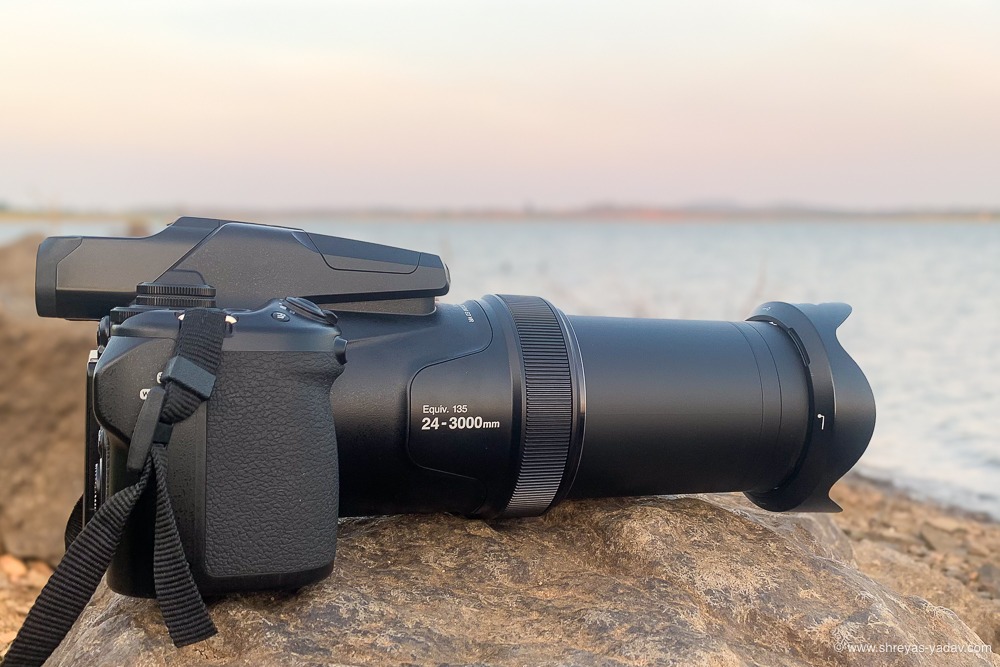
Credit: shreyas-yadav.com
Key Features For Bird Photography
Choosing the right camera for bird photography means focusing on specific features. Birds move fast and often appear in different light conditions. A camera must capture sharp, detailed images quickly. It should handle long lenses and work well outdoors. Here are key features to consider.
Sensor Size And Resolution
Larger sensors capture more light and detail. Full-frame or APS-C sensors work best for bird photography. High resolution helps show fine feather details. But very high resolution can slow down the camera. Balance resolution and speed for best results.
Autofocus Speed And Accuracy
Birds rarely stay still. Fast autofocus tracks movement and locks focus quickly. Look for cameras with many autofocus points. Cross-type points improve focus accuracy. Continuous autofocus mode helps keep birds sharp during flight.
Lens Compatibility
Long telephoto lenses are essential to get close shots. Make sure the camera supports lenses with focal lengths over 300mm. Compatibility with teleconverters can extend reach. Check for easy lens changes in the field.
Image Stabilization
Stabilization reduces blur from hand shake or movement. In-body image stabilization (IBIS) or lens stabilization both help. This is crucial when using heavy, long lenses without a tripod. It allows sharper photos in low light.
Burst Mode And Frame Rate
Birds move fast, so capturing multiple shots in quick succession is key. A high frame rate burst mode increases chances of a perfect shot. Look for cameras offering 7 frames per second or faster. Buffer size matters for longer bursts.
Weather Sealing
Bird photography often happens outdoors in tough conditions. A weather-sealed camera resists rain, dust, and moisture. It protects equipment during long sessions in nature. This feature extends camera life and reliability.
Best Dslr Cameras For Bird Photography
Choosing the best DSLR camera for bird photography means balancing image quality, autofocus speed, and handling. You want a camera that captures fast-moving birds with sharp detail and vibrant colors. The right DSLR will give you the flexibility to shoot in different lighting conditions and from various distances, making your bird photos stand out.
Top Full-frame Options
Full-frame DSLRs offer larger sensors, which means better image quality and superior low-light performance. Cameras like the Canon EOS 5D Mark IV and Nikon D850 deliver stunning resolution and fast autofocus systems. These models excel at capturing fine details in feathers and subtle color variations, especially when paired with a telephoto lens.
Using a full-frame camera can feel like having a professional tool in your hands, but they tend to be heavier and more expensive. If you plan to shoot birds in dense forests or low light, full-frame DSLRs often give you the edge you need.
Affordable Aps-c Models
APS-C DSLRs are a great choice if you’re starting bird photography or want a lighter setup. Cameras such as the Nikon D500 or Canon EOS 90D offer excellent autofocus systems and crop sensors that increase effective focal length. This helps you get closer shots without needing ultra-long lenses.
These models are easier on your budget and your arms during long shoots. However, keep in mind that image quality and dynamic range won’t match full-frame cameras, especially in challenging light conditions.
Pros And Cons
| Camera Type | Pros | Cons |
|---|---|---|
| Full-Frame DSLR |
|
|
| APS-C DSLR |
|
|
Which features matter most to you? Speed, budget, or image quality? Your answer will guide you to the DSLR that best fits your bird photography goals.
Top Mirrorless Cameras For Bird Photography
Choosing the right mirrorless camera is key for bird photography. These cameras offer fast autofocus, lightweight design, and excellent image quality. They help capture birds in flight and fine details in feathers. Here are some top mirrorless cameras to consider.
High-end Mirrorless Picks
- Sony Alpha a9 II: Fast autofocus and high frame rate for action shots.
- Canon EOS R5: High resolution and excellent image stabilization.
- Nikon Z9: Durable body with great low-light performance.
- Fujifilm X-T4: Superb color reproduction and fast shooting speed.
Budget-friendly Choices
- Sony Alpha a6400: Compact with reliable autofocus.
- Canon EOS RP: Affordable full-frame option with good image quality.
- Nikon Z50: Lightweight and easy to use for beginners.
- Fujifilm X-T30: Great value with solid performance.
Mirrorless Vs Dslr
Mirrorless cameras are lighter and more compact than DSLRs. They offer faster autofocus and better video features. DSLRs have longer battery life and a larger lens selection. Both types capture excellent bird photos. Choose based on weight, budget, and personal comfort.
Recommended Lenses For Bird Photography
Choosing the right lens is just as important as picking a good camera for bird photography. The lens you use can make or break your shot, especially when you’re trying to capture fast-moving or distant birds. Let’s look at the lenses that can help you get crisp, detailed images and how to decide which one fits your style and needs.
Telephoto Lenses
Telephoto lenses are essential for bird photography because they let you zoom in on birds without disturbing them. A lens with a focal length of 300mm or more is usually ideal. It gives you the reach needed to capture birds perched high in trees or flying far away.
I remember using a 400mm lens during a trip to a wildlife sanctuary—it allowed me to get sharp images of birds without scaring them off. If you want to photograph small or shy birds, a telephoto lens is often the best choice.
Prime Vs Zoom Lenses
Prime lenses have a fixed focal length, which means they don’t zoom. They often deliver sharper images and perform better in low light. However, you need to move around more to frame your shot.
Zoom lenses offer flexibility by covering a range of focal lengths. This makes them great if you’re in a spot where birds appear at different distances. But sometimes, zoom lenses can be heavier and less sharp than primes.
Think about your shooting style: do you prefer moving to get the right shot, or do you want the ability to quickly adjust your framing without changing position?
Lens Features To Consider
- Image Stabilization:Helps reduce blur from hand shake, especially with long lenses.
- Fast Autofocus:Critical for capturing birds in motion or sudden movements.
- Aperture Size:A wider aperture (like f/2.8 or f/4) allows more light, helping in dim conditions and creating a nice background blur.
- Weight and Size:You’ll carry your gear for hours, so a lighter lens can make a big difference in comfort.
- Weather Sealing:Protects your lens from dust and moisture if you shoot outdoors often.
Which features matter most to you? Think about where and how you usually shoot birds to pick a lens that supports your style and environment.
Tips For Choosing The Right Camera
Choosing the right camera for bird photography can make a big difference. It affects your ability to capture sharp, detailed images of birds in motion or at a distance. Understanding your needs and preferences helps you select the best gear. The following tips guide you through important points to consider before buying.
Matching Gear To Skill Level
Begin with a camera that suits your experience. Beginners benefit from models with easy controls and automatic settings. Advanced users may prefer cameras offering manual options and faster autofocus. Choose a camera that matches your current skills but also allows room to grow.
Considering Portability
Bird photography often requires walking or hiking to find subjects. Lightweight cameras and lenses reduce fatigue during long sessions. Compact gear fits well in small bags and lets you move quickly. Balance camera size with the need for zoom and image quality.
Budget Planning
Set a clear budget before shopping. Cameras vary widely in price, from affordable entry-level to high-end professional models. Factor in costs for lenses, memory cards, and accessories. Prioritize features important to bird photography, like zoom range and autofocus speed.
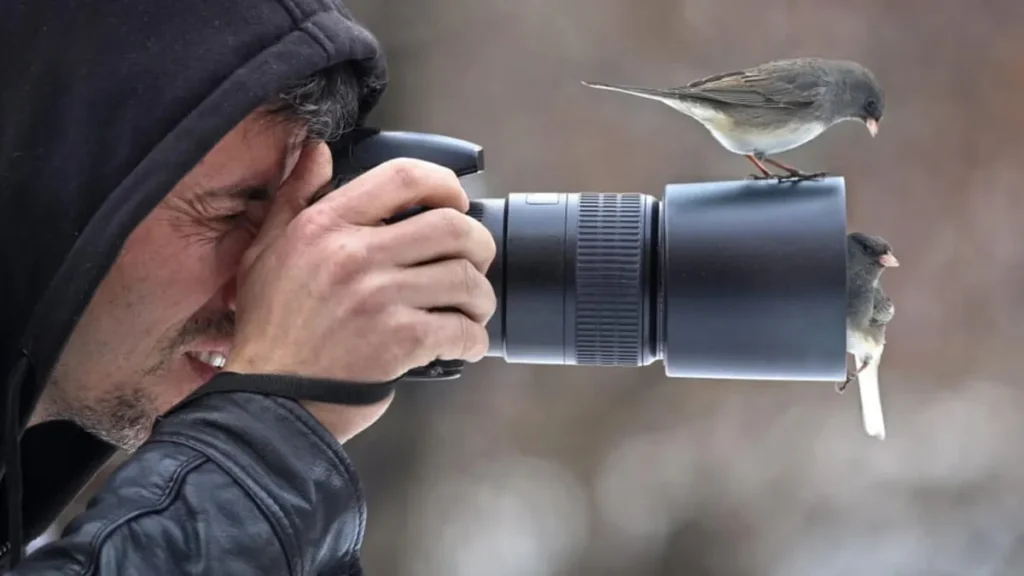
Credit: suryatara.com
Accessories To Enhance Bird Photography
A good camera for bird photography should have fast autofocus and high-resolution capabilities. DSLR or mirrorless cameras often excel, offering versatility with lens options. Accessories like sturdy tripods, telephoto lenses, and remote shutters further enhance the photography experience, capturing birds in their natural beauty.
Bird photography is a rewarding yet challenging pursuit, requiring more than just a good camera. The right accessories can make a significant difference in your bird photography experience. From stabilizing your camera to protecting your gear, selecting the right tools can elevate your photographic outcomes and enhance your outdoor adventures.Tripods And Monopods
A stable camera is crucial for capturing sharp, detailed images of birds. Tripods are an essential accessory, especially when using telephoto lenses. They offer stability and help reduce camera shake, which is vital for clear shots. Monopods, on the other hand, provide a more portable and flexible option. They are perfect for situations where mobility is key, like tracking a moving bird. Choosing between a tripod and a monopod often depends on your shooting style and the environment.External Flashes
Lighting can make or break your bird photography. An external flash can be a game-changer, especially in low-light conditions or when shooting under a dense canopy. It provides the extra light needed to highlight the bird’s features without overexposing the image. Using a flash extender can also be beneficial. It concentrates the light, allowing you to reach birds that are perched further away. Experimenting with flash settings can lead to stunning captures that highlight the vibrant colors and details of bird plumage.Camera Bags And Protection
Your camera gear is an investment, and protecting it should be a priority. A well-designed camera bag not only stores your equipment but also offers protection against the elements. Look for bags with padded compartments to keep your gear safe from bumps and drops. Weather-resistant materials are a must if you often shoot in unpredictable conditions. Some bags even come with built-in rain covers, ensuring your gear stays dry. Consider how much gear you typically carry and choose a bag that provides both organization and protection. What accessory do you find indispensable for your bird photography? Share your thoughts and experiences in the comments below!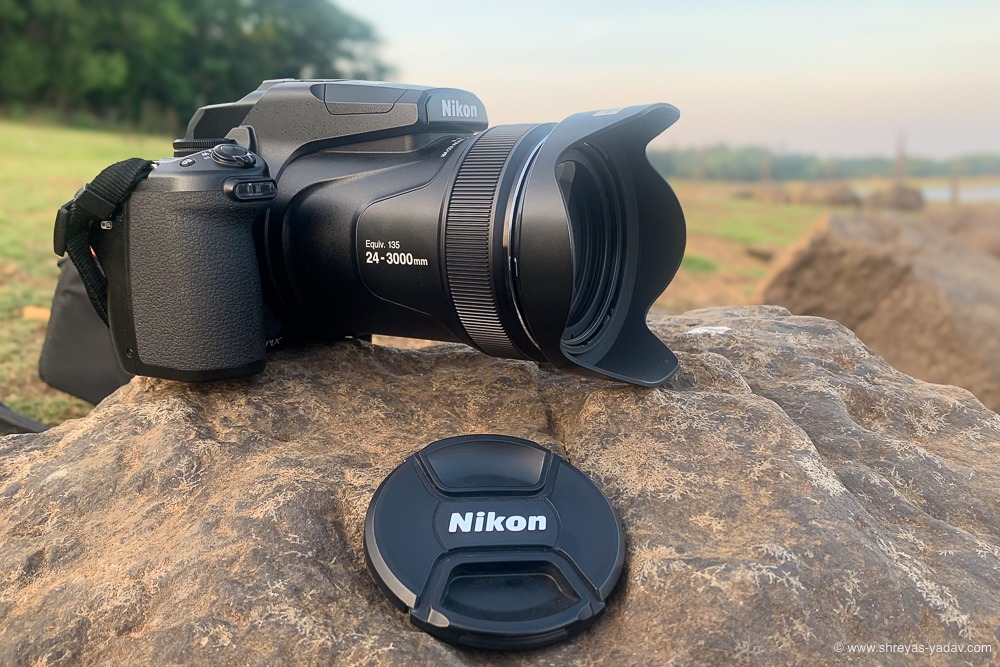
Credit: shreyas-yadav.com
Frequently Asked Questions
What Camera Features Matter Most For Bird Photography?
Key features include fast autofocus, high burst rate, and good image stabilization. A telephoto lens and weather sealing also help.
Which Camera Brands Are Best For Bird Photographers?
Popular brands include Canon, Nikon, Sony, and Fujifilm. Each offers models with strong autofocus and image quality for wildlife.
Is A Mirrorless Or Dslr Better For Bird Photography?
Mirrorless cameras are lighter and offer faster autofocus. DSLRs often have longer battery life and robust build quality.
What Lens Should I Use For Bird Photography?
A telephoto lens between 300mm to 600mm is ideal. It lets you capture birds from a distance with detail.
Conclusion
Choosing the right camera helps capture birds clearly and beautifully. Focus on features like zoom, speed, and image quality. A good camera makes bird photography more fun and rewarding. Remember, practice and patience improve your photos the most. Keep exploring and enjoy every moment outdoors.
Your perfect bird picture is just a click away.




