
Are you wondering if a 400mm lens is enough for bird photography? You’re not alone.
Choosing the right lens can make or break your shots, especially when capturing fast, distant birds. You want clear, detailed images without constantly chasing your subject. But is 400mm the sweet spot, or will you need more reach? You’ll discover the real strengths and limits of a 400mm lens, helping you make smarter choices for your bird photography adventures.
Keep reading to find out if this lens fits your needs perfectly.
Choosing The Right Lens For Birds
Choosing the right lens for bird photography impacts your shots greatly. Birds are often small and move fast. A good lens helps capture sharp and detailed images from a distance. The lens focal length affects how close you can appear to your subject without disturbing it. Picking the right lens balances reach, weight, and image quality.
Common Lens Focal Lengths
Bird photographers use various focal lengths. Each length suits different situations and bird sizes. Here are common choices:
- 300mm: Good for large birds or close subjects.
- 400mm: Popular for its reach and portability.
- 500mm: Offers more zoom for smaller or distant birds.
- 600mm and above: Best for extreme telephoto needs but heavier.
Shorter lenses are lighter and easier to handle. Longer lenses provide more zoom but can be heavy and costly.
Why 400mm Is Popular
400mm lenses strike a balance between reach and size. They bring birds closer without heavy gear. Many bird photographers find 400mm enough for most scenes. It allows decent detail on small birds at moderate distances.
These lenses often have good image quality and autofocus speed. They work well with crop sensor cameras, increasing effective reach. For beginners and hobbyists, 400mm lenses offer great value.
Advantages Of A 400mm Lens
A 400mm lens offers several benefits for bird photography. It strikes a good balance between reach and ease of use. Photographers can capture detailed shots without carrying heavy gear. This lens suits both beginners and experienced bird watchers.
Portability And Handling
400mm lenses are lighter than longer telephoto lenses. They are easier to carry during long walks or hikes. Handling is simpler, allowing quick adjustments to frame birds in motion. Many models fit well on standard tripods without extra support.
Image Quality And Sharpness
These lenses deliver sharp images with fine details. They often have good optics that reduce distortion and chromatic aberration. A 400mm lens can isolate birds from the background, creating beautiful blurred effects. This helps highlight the subject clearly in photos.
Limitations Of 400mm For Bird Photography
Using a 400mm lens for bird photography has its limits. It can capture many bird species well, but some challenges remain. Understanding these limits helps set realistic expectations and improve your shots.
Distance Challenges
A 400mm lens may struggle with very distant birds. Birds that are far away appear smaller and less detailed. Cropping photos can reduce image quality. Some birds stay high in trees or far in open fields. This makes it hard to get close enough for sharp images. Moving closer may scare birds away. A longer lens or teleconverter might be needed for distant subjects.
Low Light Performance
Low light conditions affect a 400mm lens’s performance. Longer lenses often have smaller maximum apertures. This means less light reaches the camera sensor. Photos can become darker or blurrier without enough light. Shutter speeds must be slower, risking motion blur. Higher ISO settings add noise to images. Early mornings or cloudy days can be tough for sharp shots. Using a faster lens or better lighting helps improve results.

Credit: www.youtube.com
Comparing 400mm With Other Focal Lengths
Choosing the right focal length for bird photography can make a huge difference in your shots. Comparing 400mm with other popular focal lengths helps you understand what fits your style and subject best. Let’s break down how 400mm stacks up against 300mm and the longer 600mm lenses.
300mm Vs 400mm
Both 300mm and 400mm lenses offer great reach, but 400mm gives you extra distance to capture birds without disturbing them. That extra 100mm can mean the difference between a close-up of a bird’s eye and a wider shot where details get lost.
However, 300mm lenses are often lighter and easier to carry on long walks. If you hike a lot, you might prefer the comfort of a 300mm. But if you want sharper, tighter images from farther away, 400mm is usually worth the extra weight.
Think about your typical shooting situations. Do you get close enough to use 300mm effectively? If not, 400mm can save you time and effort in cropping later.
600mm And Beyond
Lenses with 600mm or more focal length push your reach even further, perfect for very shy or distant birds. They allow you to shoot detailed portraits without getting close enough to scare the bird away.
That said, longer lenses tend to be heavier and pricier, often requiring tripods or monopods to stabilize. You need to consider if you’re okay with the extra gear and weight.
Ask yourself: Are you shooting primarily from a fixed spot or moving around? If you’re on the move, a 400mm lens might offer a better balance of reach, portability, and image quality.
Techniques To Maximize 400mm Lens Use
Using a 400mm lens for bird photography offers many opportunities. This focal length brings distant birds closer without disturbing them. To get the best results, use some key techniques. These help maximize the lens’s potential and improve your shots.
Using Teleconverters
Teleconverters increase your lens’s focal length. A 1.4x or 2x teleconverter extends reach to 560mm or 800mm. This helps fill the frame with your subject. Keep in mind, teleconverters can reduce sharpness and light. Choose high-quality teleconverters to keep image quality high. Focus speed may slow down, so use fast autofocus cameras.
Optimal Camera Settings
Set your camera for sharp and clear images. Use a fast shutter speed, at least 1/1000 second, to freeze bird movement. Aperture should balance sharpness and light, usually f/5.6 to f/8 works well. Increase ISO if needed, but avoid too much noise. Use continuous autofocus mode to track moving birds.
Stabilization Methods
Keep your camera steady to avoid blur. Use a sturdy tripod or monopod for support. Image stabilization in lenses or cameras helps reduce shake. When handheld, brace your arms against your body. Practice smooth panning to follow flying birds. These methods improve sharpness and clarity in your photos.
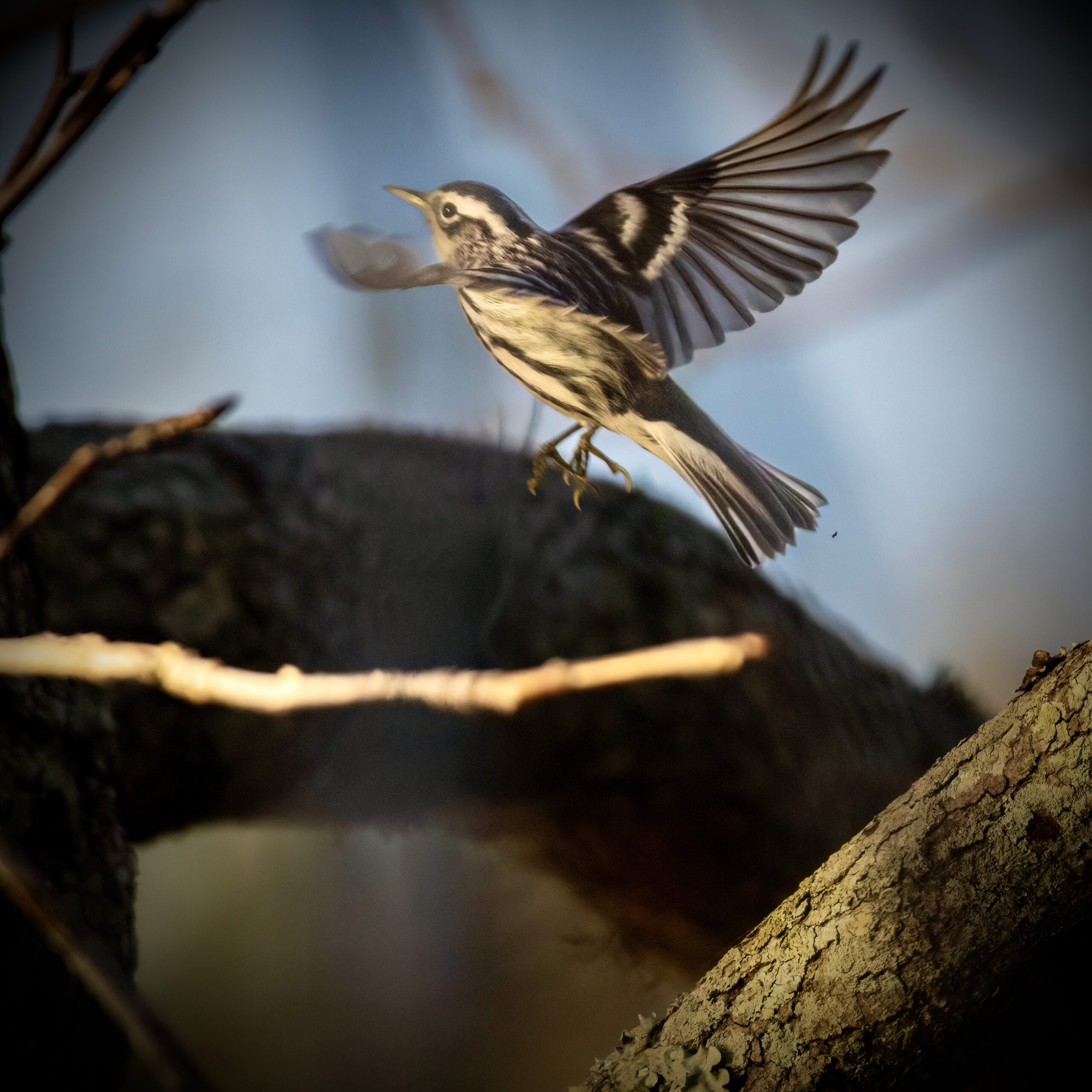
Credit: cesaratmosphoto.com
Expert Tips And Real-world Experiences
Bird photography demands patience and the right gear. A 400mm lens can capture stunning bird images. But, is it enough? Let’s dive into expert tips and real-world experiences.
Field Stories
Photographers often share their stories from the field. Many find a 400mm lens versatile for bird photography. It offers a good balance between reach and portability. Photographer Jane recalls capturing an eagle mid-flight. She says her 400mm lens was key to that shot. On another occasion, wildlife enthusiast Tom used a 400mm lens. He photographed a flock of flamingos at sunrise. His photos captured vibrant colors and details.
Gear Recommendations
Choosing the right gear is crucial. A 400mm lens is a popular choice among bird photographers. It’s lightweight and easy to handle. Brands like Canon and Nikon offer great options. Consider lenses with image stabilization. They help in capturing sharp images. Using a sturdy tripod is also beneficial. It reduces camera shake during long shoots. A teleconverter can extend the reach of your lens. It’s a handy tool for distant birds.

Credit: paulroeddingphotography.com
Frequently Asked Questions
Is 400mm Lens Good For Bird Photography?
A 400mm lens is great for bird photography. It offers enough reach for most bird sizes. It balances image quality, weight, and affordability. Beginners and enthusiasts often find it ideal for capturing sharp, detailed bird images from a reasonable distance.
Can 400mm Lens Capture Small Birds Clearly?
Yes, a 400mm lens can capture small birds clearly. It provides sufficient zoom to fill the frame with small birds. Proper technique and good lighting enhance image sharpness. Using a tripod and fast shutter speeds improves clarity even further.
How Far Can A 400mm Lens Photograph Birds?
A 400mm lens can photograph birds approximately 15-30 meters away. This distance varies based on bird size and camera sensor. It allows you to stay at a comfortable distance without disturbing wildlife. Teleconverters can extend reach but may reduce image quality.
Is A 400mm Lens Better Than 300mm For Birds?
Yes, a 400mm lens offers more zoom than a 300mm lens. This extra reach helps capture distant or small birds better. It provides more framing flexibility and tighter compositions. However, 400mm lenses can be heavier and more expensive.
Conclusion
A 400mm lens offers good reach for many bird photos. It captures details without getting too close. Still, some birds need longer lenses for clear shots. Keep practicing with your lens to improve skills. Remember, patience matters more than just gear.
Enjoy watching birds and capturing moments. Your photos will get better over time. Choose the lens that fits your style and budget. Bird photography is about passion, not only equipment.




