
Finding a baby bird in need can tug at your heart. You might feel unsure about what to do next or worried about how to help.
The good news is, with the right care, you can make a big difference in that tiny life. This guide will show you simple, clear steps to nurse baby birds back to health. By the end, you’ll know exactly how to give your feathered friend the best chance to grow strong and fly free.
Keep reading—you have the power to save a life today.
Identifying Baby Bird Needs
Baby birds need special care to get better. First, you must know what they need. Look closely to find signs of injury or illness. Also, knowing their age and species helps give the right care.
Paying attention to these details can save a baby bird’s life. This guide helps you learn how to spot these important signs.
Signs Of Injury Or Illness
Look for any signs that show the bird is hurt or sick. These signs tell you what kind of care it needs. Check the bird’s body, eyes, and behavior carefully.
- Visible wounds or bleeding
- Swollen or broken wings or legs
- Unusual droppings or no droppings
- Weakness or difficulty moving
- Fluffed up feathers or shivering
- Closed or watery eyes
- Labored breathing or open mouth breathing
Determining Age And Species
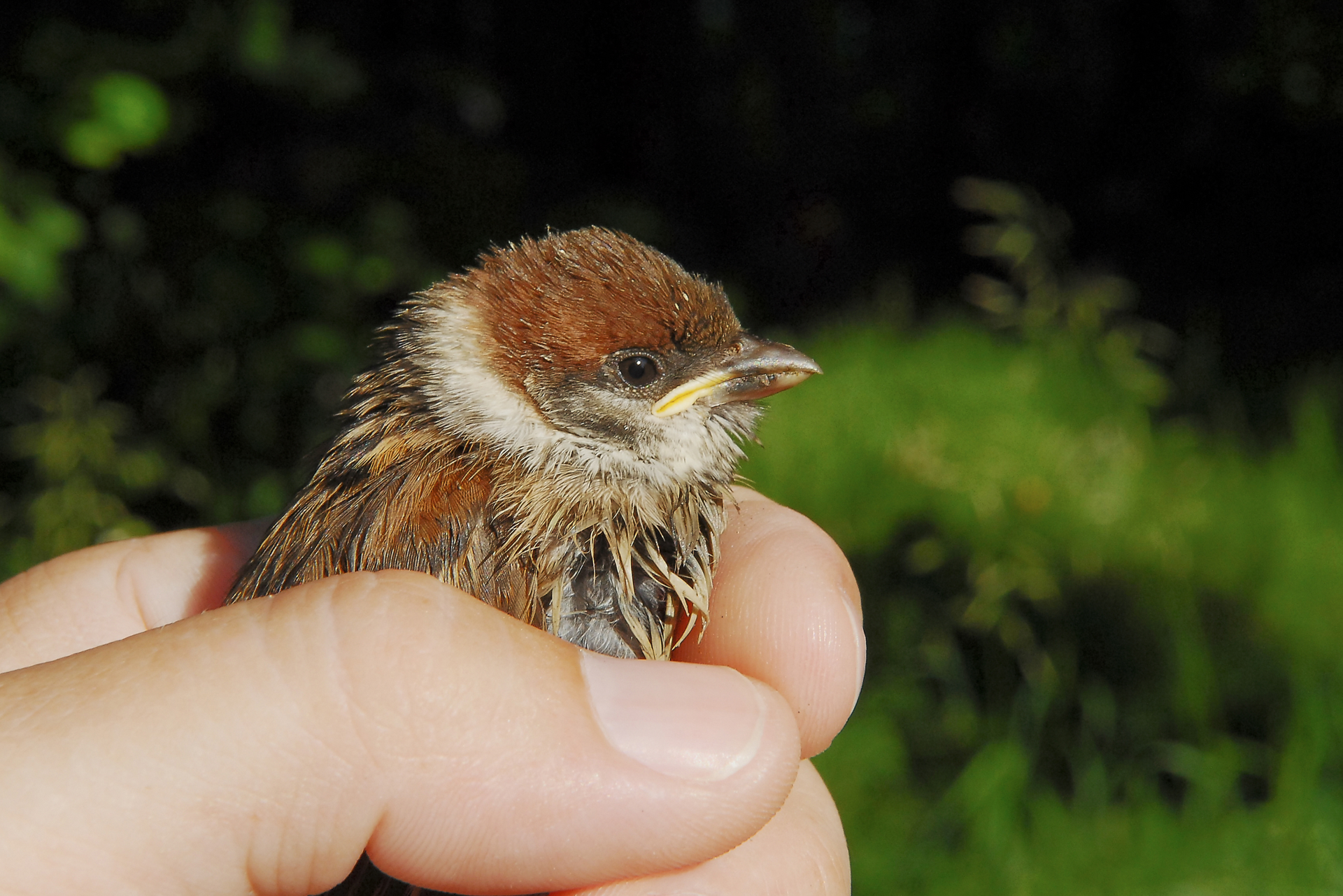
Knowing the baby bird’s age and species helps with feeding and care. Different birds need different food and care at each stage.
| Age | Signs | Care Tips |
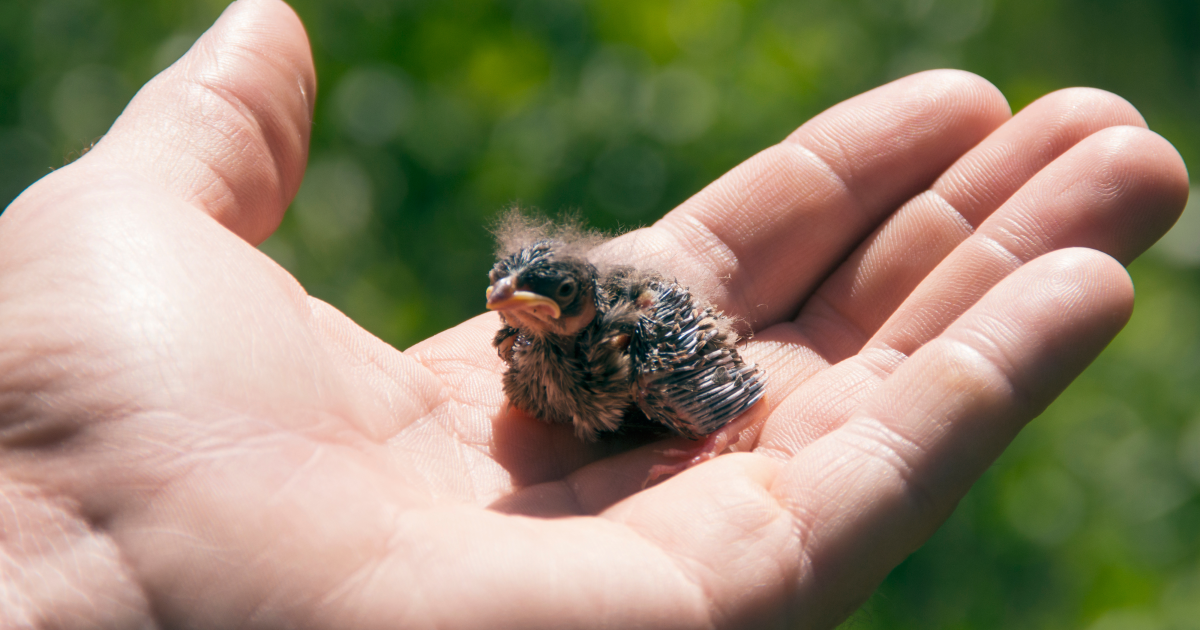
| Hatchling (0-5 days) | Closed eyes, no feathers | Feed with syringe, keep warm |
| Nestling (6-10 days) | Eyes open, some feathers | Feed soft food often, keep safe |
| Fledgling (11+ days) | Feathers mostly grown, can hop | Encourage flying, offer solid food |
Credit: pethelpful.com
Preparing The Care Environment
Nursing baby birds back to health needs a clean and calm place. The right environment helps them feel safe and heal faster.
Setting up the right space is the first step to giving them good care. You need to control temperature and shelter.
Creating A Warm And Safe Space
Baby birds cannot keep their body heat well. You must keep them warm to stop shock and illness.
Use a heating pad under their container or a soft lamp above it. Keep the temperature around 85°F (29°C).
- Check temperature often with a thermometer
- Place soft cloths or towels inside to mimic a nest
- Keep the area quiet to reduce stress
- Protect from pets and drafts
Choosing Appropriate Containers
Pick a container that is safe and cozy for baby birds. It should hold warmth and keep them secure.
Small plastic or cardboard boxes work well. Line them with soft cloth or paper towels to keep babies comfortable.
- Use a shallow box for easy access and ventilation
- Make sure there are no sharp edges inside
- Change lining regularly to keep it clean
- Cover the container with a light cloth to create darkness
Feeding Baby Birds
Feeding baby birds is a careful task. They need the right food and feeding times to grow strong.
Understanding what to feed and how to feed helps nurse them back to health safely.
Selecting The Right Diet
Baby birds need foods rich in protein and easy to digest. Different species may need different diets.
- Use soft, moistened foods like soaked dog kibble or specialized bird formula.
- Offer small insects like mealworms for extra protein if natural diet allows.
- Avoid bread or milk as these can harm young birds.
- Fresh water should be available but never force a bird to drink.
Feeding Techniques And Schedules
Feed baby birds often and carefully. Proper technique reduces stress and risk of injury.
| Age of Baby Bird | Feeding Frequency | Amount per Feeding |
| Newborn (0-3 days) | Every 15-20 minutes | Very small, frequent feedings |
| 3-10 days | Every 30 minutes | Increase amount slightly |
| 10-21 days | Every 1-2 hours | More food per feeding |
| 21+ days | Every 3-4 hours | Near adult portion size |
Use a small syringe or tweezers to feed gently. Keep the bird upright to avoid choking.
Hydration And Hygiene
Nursing baby birds back to health requires proper care. Key aspects include hydration and hygiene. These are vital for their survival and recovery.
Understanding how to provide fluids and maintain cleanliness can make a big difference. Let’s explore these important steps.
Providing Proper Fluids
Baby birds need the right fluids to stay hydrated. This helps them grow strong and healthy.
- Use a dropper to give water gently.
- Avoid using tap water; purified water is best.
- Offer fluids every few hours to prevent dehydration.
Maintaining Cleanliness
Keeping the environment clean is crucial for the health of baby birds. A clean habitat prevents infections and promotes healing.
Follow these hygiene tips:
- Regularly change bedding materials.
- Disinfect feeding tools after use.
- Wash your hands before and after handling birds.
| Hygiene Task | Frequency |
| Change Bedding | Daily |
| Disinfect Tools | After Each Use |
| Hand Washing | Before and After Handling |
Monitoring Health Progress
Caring for baby birds requires careful monitoring of their health. Watching their progress helps ensure they grow strong and healthy.
Tracking changes over time is important. This includes observing their weight, growth, and behavior.
Tracking Weight And Growth
Weigh the baby birds regularly to track their growth. Use a small scale to get accurate measurements.
| Age (Days) | Weight (Grams) |
| 1 | 5 |
| 7 | 15 |
| 14 | 30 |
Record these measurements to notice patterns or issues. Consistent weight gain is a positive sign of health.
Recognizing Improvement Or Decline
It’s important to recognize changes in the birds’ condition. Improved health shows through activity and appetite.
- Increased chirping and movement
- Regular feeding habits
- Feathers looking fuller and brighter
If the birds show signs of decline, consult a specialist quickly. Early intervention can make a big difference.

Credit: www.reddit.com
When To Seek Professional Help
Nursing baby birds takes care and attention. Some signs show you must get help fast.
Knowing when to call a professional saves the bird’s life. Read on to learn what to watch for.
Identifying Critical Conditions
Look for serious signs that need expert care. These include:
- Broken or bleeding wings and legs
- Unusual breathing or gasping for air
- Cold body or weak movements
- Obvious injuries or wounds
- Bird is not eating or drinking at all
If you see any of these, do not try to treat the bird alone. Act quickly to get help.
Contacting Wildlife Rehabilitators
Wildlife rehabilitators are trained to care for injured birds. Find one close to you as soon as possible.
| How to Find | What to Prepare |
| Search online for local wildlife centers | Note bird’s condition and location |
| Call animal control or vet clinics | Keep bird warm and quiet |
| Ask local birdwatching groups | Use a small box with air holes for transport |
Always follow the advice of the rehabilitator. They know best how to help the baby bird recover.
Preparing For Release
Nursing baby birds back to health is a careful process. Preparing them for release is the final and most important step.
This stage ensures the birds can survive on their own in the wild. It takes patience and careful observation.
Assessing Readiness
Check if the baby bird can find food and water by itself. Watch if it can fly short distances.
Look for strong feathers and alert behavior. The bird should respond well to sounds and movements.
- Bird flies steadily and flaps wings well
- Feeds without help and drinks water alone
- Shows alertness and reacts to surroundings
- Has full feather growth suitable for the species
Safe Release Practices
Choose a safe release site away from predators and busy areas. Release during calm weather to reduce stress.
Open the container gently and allow the bird to leave on its own. Do not force it to fly immediately.
- Pick a spot near natural food sources
- Release during daylight hours for better visibility
- Keep pets and humans at a distance
- Monitor the bird briefly but do not interfere
Credit: pethelpful.com
Frequently Asked Questions
How Do I Identify A Sick Baby Bird?
Look for signs like lethargy, closed eyes, weak breathing, or visible injuries. Sick birds may also have fluffed feathers and refuse food. Early detection is crucial for effective care and recovery.
What Should I Feed A Baby Bird For Recovery?
Feed a high-protein diet like soaked dog food, baby bird formula, or finely chopped insects. Avoid milk or bread. Feed small amounts frequently to support their energy and growth during healing.
How Do I Keep A Baby Bird Warm?
Use a heating pad set on low or a warm water bottle wrapped in cloth. Maintain a consistent temperature around 85-90°F. Warmth helps regulate their body temperature and promotes healing.
When Should I Contact A Wildlife Rehabilitator?
Reach out immediately if the bird has serious injuries, is very weak, or if you’re unsure how to care for it. Professionals have the expertise for specialized treatment and proper release.
Conclusion
Caring for baby birds takes patience and gentle hands. Watch them closely for signs of health and growth. Feed them small, frequent meals with proper nutrition. Keep their environment warm and safe at all times. Remember, your care can help these birds thrive again.
Stay calm and learn from each step you take. This effort makes a real difference in their survival. Every little action counts in nursing baby birds back to health.




