
Are you looking to bring a touch of green and elegance into your home? The Bird Nest Fern is a perfect choice.
With its bright, wavy leaves and easy-going nature, this plant can brighten any space. But to keep your Bird Nest Fern healthy and thriving, you need to know a few simple care secrets. In this guide, you’ll discover exactly what your fern needs to stay lush and vibrant.
Keep reading, and you’ll learn how to make your plant a beautiful, lasting part of your home.
Choosing The Right Location
Choosing the right location for your Bird Nest Fern is crucial for its health and growth. This plant thrives in specific environmental conditions that mimic its natural habitat. Placing it correctly can make the difference between a thriving fern and one that struggles to survive.
Light Requirements
Bird Nest Fern prefers indirect, filtered light. Direct sunlight can scorch its delicate fronds, turning them brown and crispy.
Look for spots near north or east-facing windows where the light is bright but not harsh. If natural light is limited, fluorescent or LED grow lights can also support its growth.
Have you noticed how your fern reacts when moved closer to a window? Adjusting its position based on its response is key to finding that perfect light balance.
Ideal Temperature And Humidity
This fern loves warm and humid environments, similar to tropical rainforests. Aim for temperatures between 60°F and 80°F (15°C to 27°C).
Humidity should be kept around 60% or higher. You can increase humidity by misting the leaves regularly or placing a humidifier nearby.
Think about your home’s climate—does it tend to be dry in winter? If so, you might need to create a more humid microclimate for your fern to flourish.

Credit: www.thesill.com
Planting And Potting Tips
Getting your Bird Nest Fern off to a strong start depends heavily on how you plant and pot it. The right soil and pot not only support growth but also prevent common issues like root rot or nutrient deficiencies. Paying attention to these details can make all the difference between a thriving fern and a struggling one.
Selecting The Best Soil
Bird Nest Ferns prefer soil that holds moisture but drains well to avoid soggy roots. A mix that combines peat moss, perlite, and some organic compost works beautifully. You want soil that feels light and airy, yet retains enough moisture to keep the roots hydrated.
If you’ve ever seen your fern’s leaves turn yellow or droop, it might be a sign that the soil is either too dense or drying out too fast. Adding a handful of orchid bark can improve aeration, giving the roots room to breathe. Do you check your soil texture regularly, or wait until you see signs of distress?
Pot Size And Drainage
Choosing the right pot size is crucial for your Bird Nest Fern’s health. Pick a pot that’s just a bit larger than the root ball—about 1 to 2 inches wider in diameter. Too big a pot can hold excess water, increasing the risk of root rot.
Drainage holes are non-negotiable. Water needs to flow out freely to prevent standing water at the bottom. If your pot doesn’t have holes, consider drilling some or using a plastic liner with holes inside a decorative pot.
I once used a beautiful ceramic pot without drainage for my fern, thinking it would look nicer. Within a week, the leaves started wilting. After switching to a pot with proper drainage, my fern bounced back quickly. Could your current pot be holding too much water?
Watering Practices
Watering your Bird Nest Fern correctly is key to keeping it lush and healthy. These plants thrive in moist environments but are sensitive to too much or too little water. Understanding the right watering practices can save you from common mistakes and keep your fern vibrant.
Frequency And Amount
Bird Nest Ferns like their soil to stay consistently moist but not soggy. Water your fern about once a week, adjusting based on the season and indoor humidity. During warmer months, you might need to water a bit more often, while in cooler months, reduce the frequency.
Use room temperature water to avoid shocking the roots. Pour enough water to moisten the soil thoroughly, but make sure excess water drains out to prevent root rot. A good rule of thumb is to let the top inch of soil dry out slightly before watering again.
Signs Of Overwatering And Underwatering
How can you tell if your fern is getting too much or too little water? Look closely at the leaves and soil.
- Overwatering:Yellowing leaves, soft or mushy stems, and a musty smell from the soil indicate excess moisture. If the pot feels heavy and water pools at the bottom, your fern might be drowning.
- Underwatering:Crispy brown leaf edges, curling fronds, and dry soil are signs your fern is thirsty. The plant may also look dull and droopy.
Have you noticed any of these signs in your Bird Nest Fern? Adjust your watering routine accordingly, as these plants tell you exactly what they need if you pay attention.
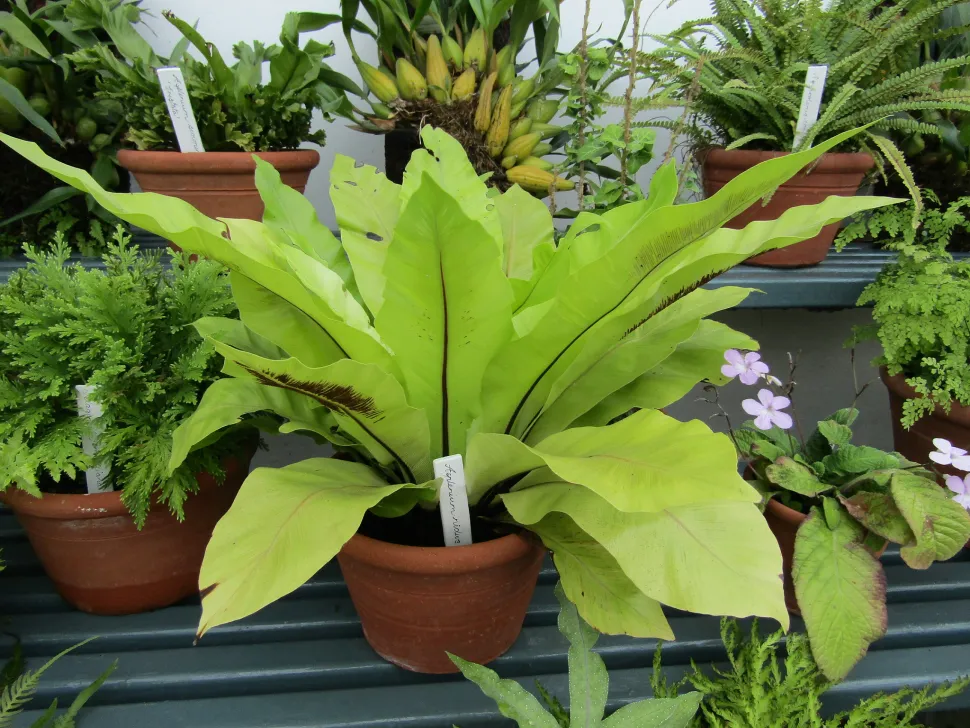
Credit: www.monstera-app.com
Fertilizing Your Fern
Fertilizing your Bird Nest Fern is key to keeping it lush and healthy. These plants don’t demand heavy feeding, but the right nutrients at the right time can make a big difference. Understanding what fertilizer to use and how often to feed your fern helps you avoid common mistakes like overfeeding or nutrient deficiency.
Choosing The Right Fertilizer
Look for a balanced, water-soluble fertilizer with equal parts nitrogen, phosphorus, and potassium, such as a 10-10-10 or 20-20-20 formula. Nitrogen supports vibrant, green fronds, while phosphorus boosts root growth. Avoid fertilizers with high nitrogen content alone, as this can lead to weak leaves.
Organic options like fish emulsion or seaweed extract work well too. They release nutrients slowly and improve soil health, which benefits your fern over time. Have you tried mixing different fertilizers to see how your fern responds?
Feeding Schedule
Feed your Bird Nest Fern every 4 to 6 weeks during the growing season, typically spring through early fall. Skip fertilizing in winter when the fern’s growth naturally slows down. Overfeeding can cause leaf burn or yellowing, so less is more.
Use half the recommended strength on the fertilizer package to keep things gentle. I learned this after my fern’s leaves started browning from too much fertilizer. Regular, light feeding keeps your fern thriving without stress.
Maintaining Humidity
Maintaining humidity is key to keeping your Bird Nest Fern healthy and vibrant. These ferns thrive in moist air and dry conditions can cause their leaves to brown or curl. Ensuring the right humidity level helps the plant absorb water and nutrients effectively. A steady humidity level between 50% and 70% is ideal. Here are some ways to keep the air around your fern moist.
Using Humidifiers
Humidifiers add moisture directly to the air, making them a simple solution for dry rooms. Place a humidifier near your Bird Nest Fern to keep the air damp. Choose a model with adjustable settings to control humidity levels easily. Cool mist humidifiers work well because they do not heat the air. Running the humidifier for a few hours daily can boost humidity significantly. Remember to clean the humidifier regularly to prevent mold and bacteria buildup.
Natural Methods To Boost Humidity
Natural ways also help raise humidity without extra devices. Grouping plants together creates a mini humid environment as they release moisture through leaves. Placing a shallow tray filled with water and pebbles under your fern increases humidity by evaporation. Make sure the pot does not sit directly in the water to avoid root rot. Misting the leaves lightly with water can add temporary moisture but avoid overdoing it to prevent fungal issues.
Pruning And Grooming
Trimming dead or yellow leaves helps keep Bird Nest Fern healthy and neat. Regularly clean the fronds with a damp cloth to remove dust and encourage growth.
Pruning and grooming your Bird Nest Fern is essential. It keeps the plant healthy and attractive. Regular care encourages lush growth and prevents disease. This section provides simple steps to maintain your fern.Removing Dead Or Damaged Leaves
Start by identifying leaves that are brown or wilted. Use sharp, clean scissors to snip them off. Cut close to the base without damaging healthy parts. Removing these leaves boosts the plant’s appearance. It also reduces the risk of pests and diseases.Encouraging New Growth
Pruning can stimulate fresh growth in your fern. Trim back overgrown fronds to promote new shoots. Make sure cuts are clean and precise. After pruning, provide adequate water and indirect light. This creates the best environment for new growth. Regular grooming leads to a vibrant, healthy fern.Pest And Disease Control
Regularly check bird nest ferns for pests like scale and mealybugs. Remove affected leaves and use mild insect soap to control infestations. Keep the plant in clean, well-ventilated areas to prevent fungal diseases.
Pest and disease control is crucial for maintaining a healthy Bird Nest Fern. These plants are generally hardy, but they can fall prey to pests and diseases. Effective control helps your fern thrive. Let’s explore common pests and how to tackle them.Common Pests
Bird Nest Ferns may attract several pests. Aphids are small insects that feed on sap. Scale insects can appear as tiny, round bumps on leaves. Mealybugs are another pest, leaving cotton-like residue. Spider mites create webs and cause yellowing leaves.Preventive Measures And Treatments
Preventing pests is easier than treating infestations. Regularly inspect your fern for signs of pests. Keep leaves clean and remove debris from the pot. For treatment, use a gentle insecticidal soap for minor infestations. Neem oil can deter pests without harming your plant. For severe cases, consider a systemic insecticide. Always follow product instructions carefully. Ensure good air circulation around your plant. Avoid overwatering, as it can promote pest issues. Healthy plants are less prone to pests and diseases. Keep your Bird Nest Fern in optimal conditions for best results.
Credit: www.thesill.com
Propagation Techniques
Propagating your Bird Nest Fern can be a rewarding way to expand your indoor jungle or share plants with friends. It’s not just about growing more ferns; it’s about understanding how this unique plant reproduces and thriving through hands-on care. Two main techniques stand out for their effectiveness and accessibility: division and growing from spores.
Division Method
Division is the most straightforward way to propagate your Bird Nest Fern. You start by gently separating a healthy, mature plant into smaller sections, each with its own roots and fronds.
Here’s what you need to do:
- Remove the fern from its pot carefully to avoid damaging the root system.
- Look for natural separations or clumps in the root ball.
- Use a clean, sharp knife or your hands to divide the plant, ensuring each section has roots and fronds.
- Pot each section separately in fresh, well-draining soil.
- Keep the newly potted divisions in a humid environment with indirect light.
When I divided my Bird Nest Fern, the new plants quickly adapted and grew because I kept the soil moist and avoided direct sunlight. Have you noticed your fern’s root ball becoming crowded? That’s your cue to try division.
Growing From Spores
Growing Bird Nest Ferns from spores is less common but fascinating for plant enthusiasts. Spores are tiny reproductive cells found on the underside of the fern’s fronds, looking like fine dust or pollen.
To propagate from spores, follow these steps:
- Wait for the spores to mature and look brown or rusty on the fronds.
- Gently tap the fronds over a piece of paper to collect the spores.
- Sprinkle the spores evenly on a sterile, moist growing medium like peat moss or a sphagnum moss blend.
- Cover the container with plastic wrap or glass to maintain humidity.
- Place it in indirect light and keep the medium moist but not soggy.
This process requires patience—spores can take several weeks to germinate and even longer to develop into recognizable ferns. Have you ever thought about starting plants from scratch? Trying spores offers a deep connection to the plant’s life cycle.
Frequently Asked Questions
How Often Should I Water A Bird Nest Fern?
Water your Bird Nest Fern when the top inch of soil feels dry. Usually, this means watering once a week. Avoid overwatering to prevent root rot. Keep the soil consistently moist but not soggy for healthy growth.
What Light Conditions Suit Bird Nest Fern Best?
Bird Nest Fern thrives in bright, indirect light. Avoid direct sunlight as it can scorch the leaves. Low to medium light conditions also work but may slow growth. Indirect light mimics its natural rainforest habitat perfectly.
How Do I Increase Humidity For My Bird Nest Fern?
Increase humidity by misting the leaves regularly or using a humidifier. Placing a water tray near the plant also helps. Bird Nest Fern prefers humidity levels around 60%. Higher humidity supports lush, healthy fronds.
Can Bird Nest Fern Tolerate Low Temperatures?
Bird Nest Fern prefers temperatures between 60-75°F (15-24°C). It does not tolerate cold drafts or temperatures below 50°F (10°C). Keep the plant away from cold windows or air conditioners during winter to avoid damage.
Conclusion
Caring for your Bird Nest Fern can be simple and rewarding. Keep its soil moist but not soggy. Place it where it gets indirect light. Wipe the leaves gently to remove dust. Watch for pests and treat them early. Regular care helps the fern grow healthy and green.
Enjoy the fresh, natural look it brings to your space. Small efforts lead to big plant happiness. Your Bird Nest Fern will thrive with attention and love.




