
Have you ever wondered if robins will choose your bird house as their new home? If you’re hoping to attract these charming birds to your yard, understanding their nesting habits is key.
Knowing whether robins actually nest in bird houses can help you create the perfect setup to invite them in. Keep reading to discover surprising facts that might change the way you think about bird houses and robins—and how you can make your outdoor space a safe haven for these beautiful birds.
Robin Nesting Habits
Robins are well-known for their charming nests and caring nature. Understanding their nesting habits helps bird lovers create better environments. Robins choose spots carefully to protect their eggs and chicks. Their behavior during nesting is both fascinating and purposeful.
Preferred Nesting Sites
Robins often build nests in sheltered locations close to food sources. They like to nest in trees, shrubs, and sometimes on ledges. Bird houses are less common but can attract robins if placed correctly. Robins prefer spots with good cover to hide from predators. They avoid places with too much human activity or noise.
- Low to medium height in trees or bushes
- Near open areas like lawns or gardens for feeding
- Protected corners on buildings or under eaves
- Sometimes on or inside bird houses with wide openings
Nesting Season And Behavior
Robins start nesting early in spring, usually March through July. They often build two or three nests per season. Both male and female robins take part in nest building. The female mainly lines the nest with soft materials. After laying eggs, the female incubates them for about two weeks. The male brings food to the female and defends the nest area.
Once chicks hatch, parents feed them insects and worms. Chicks leave the nest after about two weeks but stay nearby for feeding. Robins quickly prepare for the next nesting cycle. Their active and repetitive nesting behavior ensures new generations thrive.

Credit: www.amazon.co.uk
Bird Houses And Robins
Robins are beloved visitors to many gardens, known for their bright red breasts and melodious songs. But do robins actually use bird houses for nesting? Understanding their nesting habits can help you decide if setting up a bird house will attract these charming birds to your yard.
Suitability Of Bird Houses For Robins
Robins prefer open nests built on horizontal branches, ledges, or other flat surfaces rather than enclosed cavities. They rarely use traditional bird houses, which are typically designed for cavity-nesting birds like bluebirds or chickadees.
However, robins may accept specially designed open-front bird houses or nesting shelves. These provide a protected platform while allowing easy access and visibility, matching the robin’s natural nesting preferences.
Have you noticed robins building nests under your porch or on window ledges? This behavior shows their preference for open, sheltered spaces over enclosed boxes. Offering a bird house that mimics these conditions might increase your chances of attracting robins.
Common Bird House Designs
Most bird houses are small, enclosed boxes with a single entrance hole, perfect for cavity nesters. These designs are not ideal for robins due to their open-nesting habits.
Here are a few common designs and their suitability for robins:
| Design | Description | Robin Suitability |
|---|---|---|
| Enclosed Bird Box | Small box with a round entrance hole | Not suitable |
| Open Front House | Box with one side open | Moderately suitable |
| Nesting Shelf | Flat platform with a small roof for shelter | Highly suitable |
Try providing a nesting shelf or open-front bird house in your yard if you want to encourage robins to nest. Place it where it’s sheltered from wind and predators but still visible to the birds.
Why Robins Rarely Use Bird Houses
Robins are a common sight in gardens and parks, often admired for their vibrant red breasts and melodic songs. Yet, despite their frequent presence near human habitats, robins seldom choose bird houses as their nesting sites. Understanding why robins avoid these man-made shelters can help you better support their nesting preferences and enjoy watching them thrive.
Nest Site Selection Criteria
Robins look for specific features when choosing a nest site. They prefer open ledges or sheltered branches rather than enclosed spaces. Typically, their nests are built on horizontal surfaces like tree branches, window ledges, or even on outdoor structures.
Safety from predators is crucial, but robins balance this with the need for easy access and a good vantage point. They also want a place with some protection from harsh weather but not complete enclosure. Have you noticed robins nesting under eaves or on porch beams? This preference shows their comfort with semi-open sites.
Differences Between Robins And Cavity Nesters
Robins are not cavity nesters, which explains much about their avoidance of bird houses. Species like chickadees and bluebirds nest inside hollow trees or nest boxes, valuing the protection these cavities offer. Robins, on the other hand, build cup-shaped nests in open areas.
These structural differences in nesting behavior mean robins find bird houses unsuitable. Bird houses cater to cavity nesters by mimicking hollow spaces, but robins need a flat, stable platform. If you want to attract robins, try placing a sturdy shelf or platform in a quiet corner rather than installing a traditional bird house.
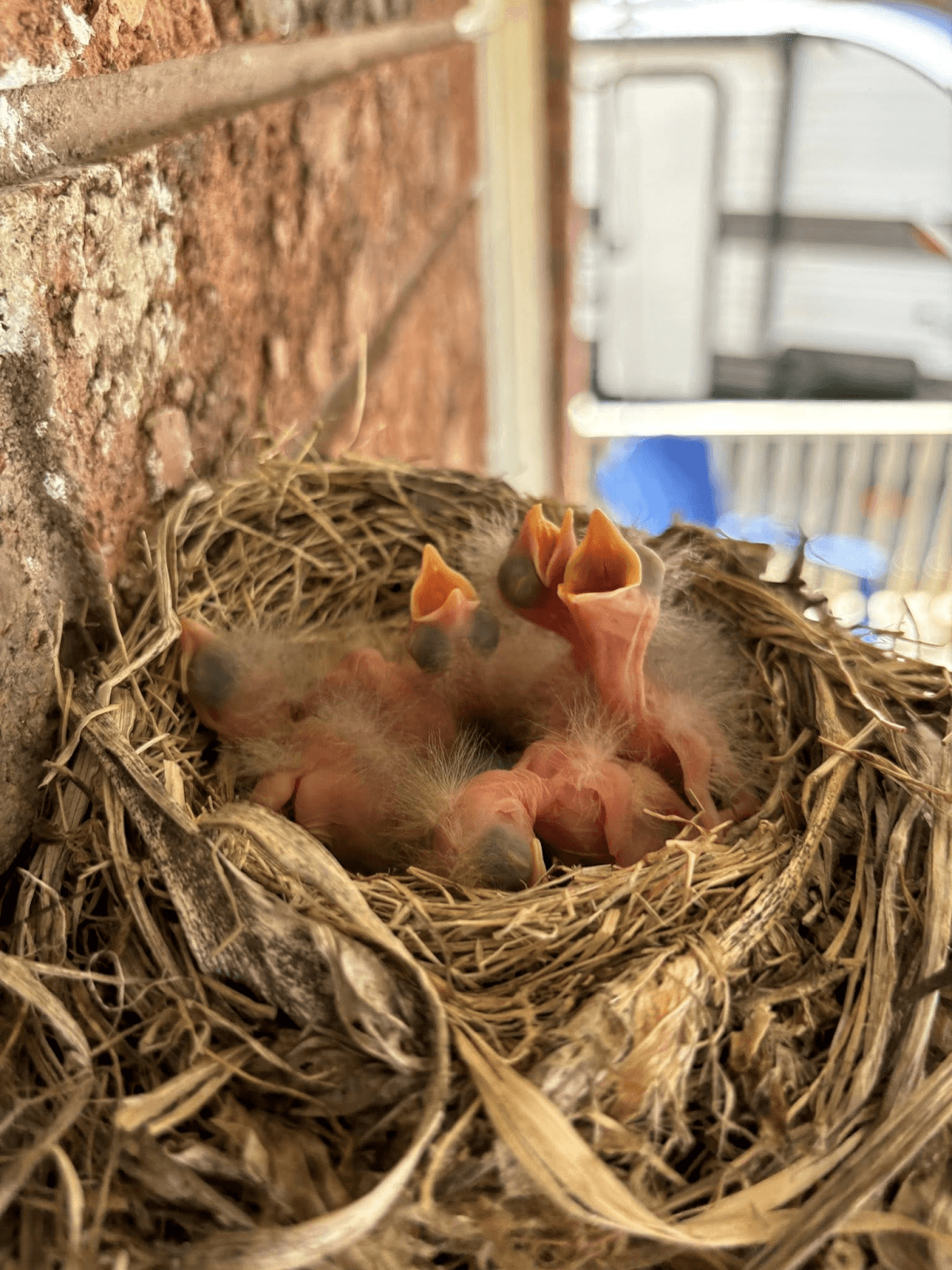
Credit: www.theringer.com
Attracting Robins To Your Yard
Robins are a bright and cheerful addition to any yard. They prefer safe, quiet spaces to build nests and raise their young. Creating the right environment helps invite these birds to stay nearby. A few simple changes can make your yard a robin-friendly habitat.
Creating Ideal Natural Nesting Spots
Robins like to build nests in sheltered, sturdy places. Trees and shrubs with dense leaves work well. Leave some branches untrimmed for cover and protection.
- Choose native trees and bushes for natural appeal.
- Provide horizontal branches or ledges for nests.
- Keep the area quiet and free from frequent disturbances.
Robins avoid bright, open spaces. A mix of tall and low plants offers safety and privacy. Avoid using pesticides near nesting spots to keep robins healthy.
Food And Water Sources
Robins need fresh food and water every day. They eat worms, insects, and berries. Supply these food types to attract them.
- Plant berry-producing shrubs like holly or dogwood.
- Set up a shallow birdbath with clean water.
- Keep soil moist to help worms come to the surface.
Change water often and keep feeding areas clean. This encourages robins to return and nest nearby. A steady supply of food and water makes your yard a robin haven.
Alternative Nesting Options For Robins
Robins often seek safe places to build their nests. Traditional birdhouses may not suit their nesting style. Offering alternative options can attract robins to your garden. These options mimic natural settings robins prefer for laying eggs and raising young.
Platform And Shelf Nesting Boxes
Robins prefer open nests on flat surfaces. Platform and shelf nesting boxes provide this space. These boxes have no roofs or enclosed walls. They offer a sturdy base for robins to build their nests.
Place these boxes in quiet, sheltered spots. Mount them on trees or poles about 5 to 10 feet high. Make sure the platform is stable and secure. This setup helps robins feel safe from predators.
Natural Materials For Nest Building
Robins use twigs, grass, and mud to build nests. Providing natural materials nearby supports their nesting process. Scatter small twigs, dry grass, and soft leaves around your yard.
Robins also use mud to strengthen their nests. A small, shallow water source with mud can help. Avoid chemicals or pesticides in these areas. Natural materials encourage robins to stay and nest close by.

Credit: www.reddit.com
Frequently Asked Questions
Do Robins Prefer Nesting In Bird Houses?
Robins rarely nest in traditional bird houses. They prefer open nests in shrubs or tree branches. Bird houses usually have small entrance holes unsuitable for robins’ nesting habits.
What Type Of Nests Do Robins Build?
Robins build cup-shaped nests using mud, grass, and twigs. These nests are often placed on ledges, branches, or sheltered spots outdoors.
Can I Attract Robins To My Bird House?
To attract robins, offer open platforms or ledges instead of enclosed houses. Provide natural materials and water nearby to encourage nesting.
When Do Robins Typically Nest?
Robins usually nest from early spring to mid-summer. They often raise two or three broods during this period.
Conclusion
Robins usually prefer open nests in trees or shrubs. They rarely choose bird houses to build their homes. Bird houses attract other birds like bluebirds or chickadees instead. Still, providing safe spaces helps all birds during breeding seasons. Watching birds build nests is a joyful experience.
Keep your garden friendly and quiet to encourage nesting. Small changes make a big difference for local wildlife. Enjoy the beauty and sounds of birds near your home.




