
Have you ever wondered if placing your bird feeders too close together could actually harm the birds you want to attract? You might think that more feeders packed tightly means more birds visiting your yard.
But is that really true? Getting the spacing right can make a big difference in how often birds come and how comfortable they feel while feeding. Keep reading to discover the surprising reasons why distance between your feeders matters—and how a simple change could create a safer, happier space for your feathered friends.
Ideal Distance Between Feeders
Finding the ideal distance between bird feeders is key to attracting a variety of birds while keeping peace among them. Too close, and you risk creating conflicts; too far, and you might miss out on maximizing your backyard visitors. Understanding the right spacing helps you enjoy more bird activity without the stress of constant territorial disputes.
Factors Influencing Spacing
Several factors affect how far apart your feeders should be. The type of birds you want to attract plays a big role. Small songbirds usually tolerate closer feeders, while larger or more aggressive species need more space.
Also consider your yard size and layout. If your space is limited, you might have to get creative with feeder placement. Weather and feeder types, like tube versus platform feeders, can influence how birds approach and share feeding spots.
Species Behavior And Territory
Bird species have different territorial habits. Some birds, like chickadees, are social and don’t mind sharing feeders closely. Others, like cardinals or jays, claim larger territories and get aggressive if feeders are too close.
Think about your local bird population and their natural behaviors. Have you noticed certain species chasing others away? This is a clear sign you need to space feeders farther apart to reduce stress and allow more birds to feed calmly.
Avoiding Aggression
Aggression at feeders can scare birds away and make your birdwatching less enjoyable. To avoid this, keep feeders at least 10 to 15 feet apart. This distance gives territorial birds enough room to claim their spot without constant fights.
Try placing feeders near natural cover like shrubs or trees. Birds feel safer with quick escape routes, which can reduce aggressive encounters. Have you tried moving feeders after noticing aggressive behavior? Small changes can make a big difference in harmony at your feeders.
Types Of Bird Feeders
Choosing the right type of bird feeder is key when deciding how close to place them. Different feeders attract various bird species and influence their feeding behavior. Understanding these types helps you create a feeding setup that minimizes competition and stress among birds.
Tube Feeders
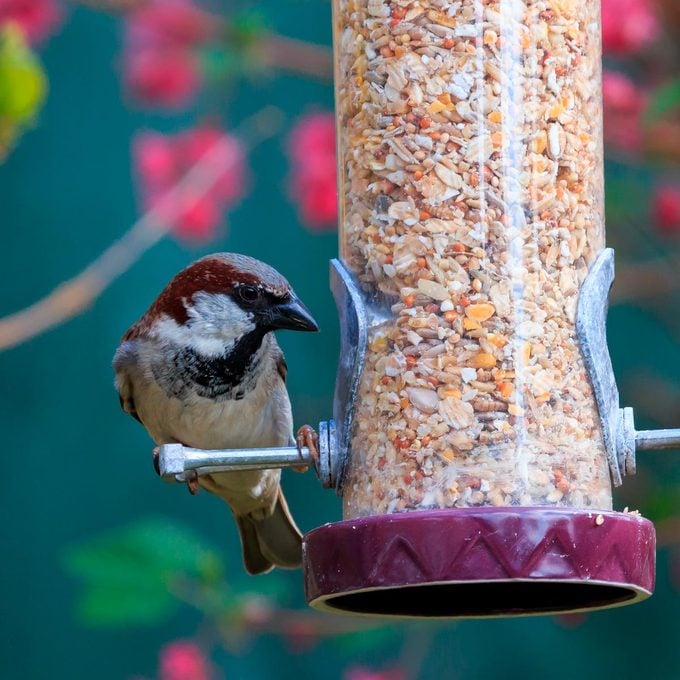
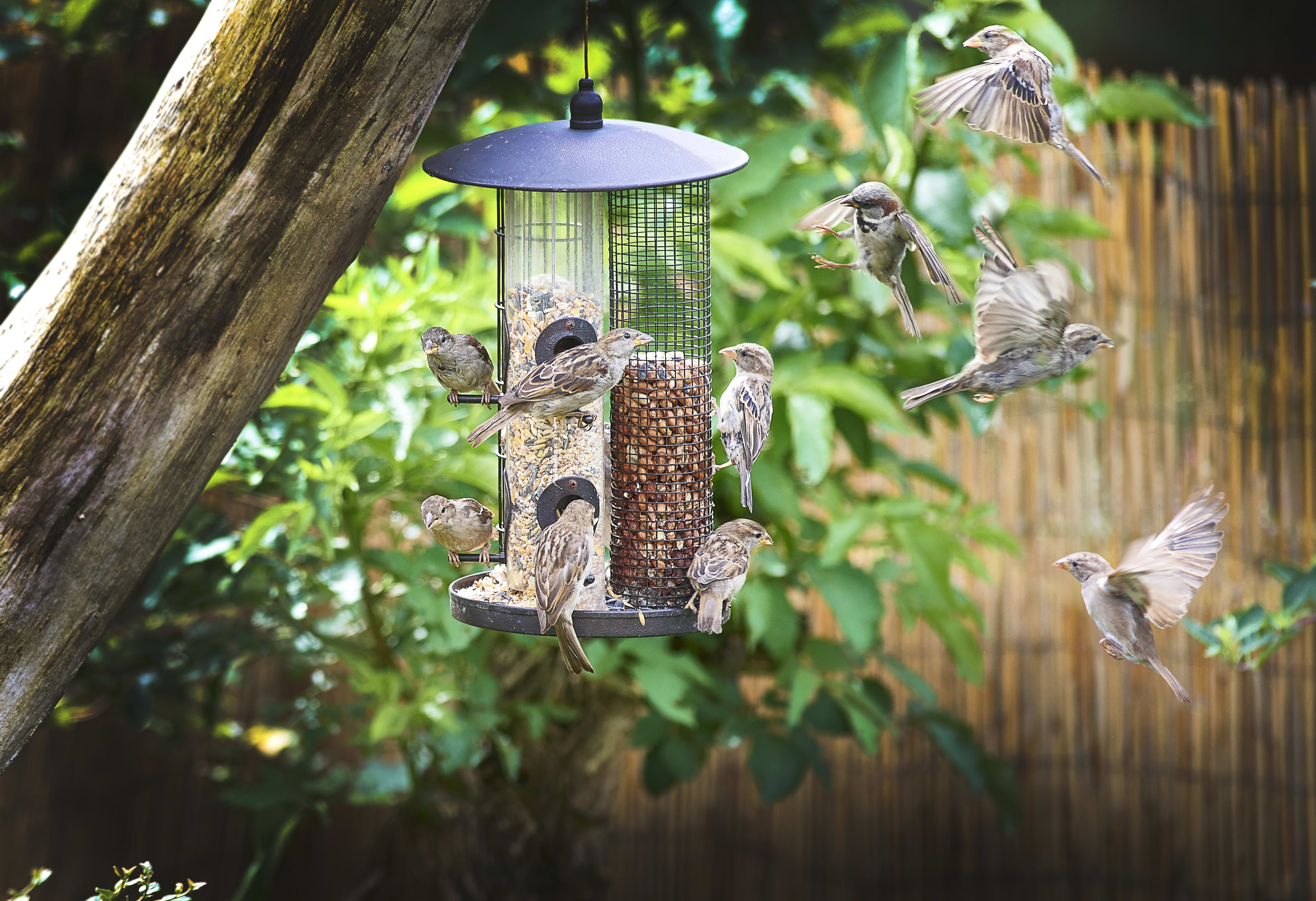
Tube feeders are cylindrical and often made of clear plastic or glass. They have multiple feeding ports and perches, allowing several birds to eat at once. These feeders are great for small songbirds like finches and chickadees, but placing too many close together can cause crowding and squabbles.
If you’ve noticed birds jostling at your tube feeders, try spacing them out. This simple change can reduce aggressive behavior and let more birds feed comfortably.
Platform Feeders
Platform feeders are flat and open, offering plenty of space for birds to land and feed. They attract a wide variety of birds, including larger species like cardinals and jays. Because they provide open access, multiple birds can feed simultaneously without feeling trapped.
However, if you place several platform feeders too close, you might notice territorial disputes. You can avoid this by staggering their placement, giving each bird its own space to relax and enjoy the food.
Hopper Feeders
Hopper feeders store a large amount of seed in a central container and dispense it gradually. Birds perch on the edges to feed, making it easy for many birds to eat at once. They’re excellent for attracting diverse species, including sparrows and grosbeaks.
When multiple hopper feeders are placed near each other, competition can increase quickly. Observing how your local birds interact will guide you in spacing these feeders to keep the peace.
Benefits Of Proper Spacing
Proper spacing between bird feeders is more than just an aesthetic choice—it directly impacts the health and behavior of visiting birds. Giving feeders enough room can create a safer and more inviting environment for your feathered friends. It also helps you enjoy a wider variety of birds without the stress and chaos that overcrowding can cause.
Reducing Disease Spread
Birds gather closely at feeders, which can increase the chance of diseases spreading quickly. When feeders are spaced properly, birds have more room to feed without touching each other or contaminated surfaces. This simple spacing can reduce the risk of illnesses passing from one bird to another.
Think about your own experiences in crowded places—do you feel more likely to catch a cold? Birds feel the same way. Keeping feeders apart helps keep your garden visitors healthier and more vibrant.
Minimizing Competition
Feeders placed too close together can lead to aggressive behavior among birds. Dominant species may chase away smaller ones, making it hard for shy or smaller birds to get food. Spacing feeders apart gives birds their own feeding spot and reduces stress caused by competition.
This approach can turn your backyard into a peaceful feeding zone where all birds, big and small, can eat comfortably. Have you noticed how birds behave differently when they have space? You can create that calm atmosphere with thoughtful feeder placement.
Encouraging Diverse Bird Visits
Different bird species prefer different feeding environments. Some like open spaces, while others feel safer near trees or shrubs. By spacing feeders properly and placing them in varied locations, you invite a wider variety of birds to visit your yard.
Adding a mix of seed types and feeder styles at spaced intervals makes your bird feeding area more attractive to many species. This diversity not only enriches your birdwatching experience but also supports local ecosystems by feeding a broader range of birds.
Credit: www.familyhandyman.com
Common Problems With Close Feeders
Placing bird feeders too close together can cause several problems for birds. These issues affect their feeding habits and overall safety. Understanding these common problems helps create a better feeding environment.
Increased Aggression
Birds become more aggressive around close feeders. They compete for limited space and food. This leads to fights and stress among birds. Aggression can scare away shy or smaller birds. It reduces the variety of birds visiting your feeders.
Mess And Waste
Feeders placed too near cause more spillage. Birds drop seeds while feeding and flying between feeders. This waste attracts pests like rodents and insects. It also makes the feeding area dirty quickly. Regular cleaning becomes harder and more frequent.
Feeder Dominance
Some birds dominate feeders that are close together. Larger or more aggressive species take over multiple feeders. Smaller birds get less chance to eat. This dominance lowers bird diversity at your feeders. It creates an unfair feeding setup for all birds.
Expert Tips For Feeder Placement
Placing bird feeders properly can make a big difference in attracting a variety of birds while keeping them safe and comfortable. Getting the spacing right helps reduce competition and stress among your feathered visitors. Here are some expert tips to help you choose the best spots and adjust your setup through the seasons.
Choosing Locations
Pick spots that offer birds a clear view of their surroundings. This helps them spot predators early and feel secure. Avoid placing feeders too close to windows to prevent collisions—try to keep at least 3 feet away or use window decals.
Think about nearby natural cover like shrubs or trees. Birds use these as safe resting spots before or after feeding. You don’t want feeders too close together because birds can get territorial or stressed, especially during feeding time.
Adjusting Seasonally
Your feeder placement should change as the seasons do. In winter, placing feeders near sheltered areas can protect birds from harsh winds and cold. Spring and summer bring more natural food sources, so you might want to space feeders farther apart to reduce competition.
Watching how different birds visit your feeders during various times of the year can guide your adjustments. Have you noticed more aggressive behavior in certain seasons? Moving feeders slightly apart can ease tensions.
Monitoring Bird Activity
Keep an eye on how birds interact with your feeders. Are some species dominating certain spots? Are smaller birds avoiding feeders that are too crowded? Observing these patterns helps you decide if you need to spread feeders out or add more feeding stations.
Use a simple notebook or app to track which feeders get the most visitors and at what times. This ongoing monitoring ensures your setup stays inviting and safe for all your backyard guests. What changes have you seen when you moved feeders around?
Credit: dengarden.com
Feeding Multiple Species
Placing bird feeders too close together can lead to overcrowding. Birds might become territorial or stressed. Ensure ample space between feeders to promote harmony and attract diverse species.
Feeding multiple bird species in your backyard can bring joy and diversity. Different birds have varied dietary needs and behaviors. Understanding these differences is crucial. It helps create a harmonious feeding environment. Strategic placement of bird feeders plays a significant role.Separate Feeders For Different Birds
Placing separate feeders for different birds minimizes competition. Some birds are aggressive and may scare others away. This separation offers a peaceful feeding experience. It allows each bird to enjoy its preferred food. Use different feeder designs for various species. Tube feeders suit finches, while tray feeders attract cardinals. Hanging feeders are ideal for small birds.Food Type Considerations
Birds have distinct food preferences. Tailor your offerings to attract a wide range. Use sunflower seeds for sparrows and cardinals. Offer nyjer seeds for finches and siskins. Suet cakes cater to woodpeckers and nuthatches. Mix various seeds in separate feeders. This approach satisfies different species and boosts diversity. Ensure your bird food is fresh and clean. Spoiled food can harm birds and deter them from visiting. Regularly replenish and inspect feeders for safety.
Credit: feedsnneeds.ca
Frequently Asked Questions
Can Bird Feeders Be Placed Too Close Together?
Yes, placing bird feeders too close can cause overcrowding and stress among birds. Spacing feeders 10-15 feet apart reduces competition and aggressive behavior, promoting a peaceful feeding environment.
How Far Apart Should Bird Feeders Be?
Bird feeders should ideally be spaced 10 to 15 feet apart. This distance prevents territorial disputes and helps reduce the spread of diseases among visiting birds.
Does Feeder Proximity Affect Bird Health?
Yes, closely spaced feeders can increase disease transmission due to bird crowding. Proper spacing helps maintain healthier bird populations by limiting contact and contamination risks.
Will Closely Placed Feeders Attract Fewer Birds?
Often, yes. Birds may avoid feeders that are too close because of competition and fear of predators. Spacing feeders encourages more birds to visit and feed comfortably.
Conclusion
Bird feeders placed too close can cause bird fights and stress. Space them out to keep birds calm and safe. Give each bird feeder enough room for birds to eat peacefully. This helps attract more types of birds to your yard.
Watch how birds use your feeders and adjust spacing if needed. Happy birds mean a happy garden and more fun bird watching. Small changes make a big difference in your bird feeding experience. Keep feeders apart and enjoy nature’s beauty every day.




