
Have you ever wondered if the hummingbird feeder in your yard is actually helping or harming the tiny birds you love to watch? You want to do the best for these delicate creatures, but with so much conflicting advice, it’s hard to know what’s right.
Could your friendly feeder be putting their health at risk? Keep reading to discover the surprising facts about hummingbird feeders—and how you can make sure your backyard stays a safe haven for these amazing little birds.
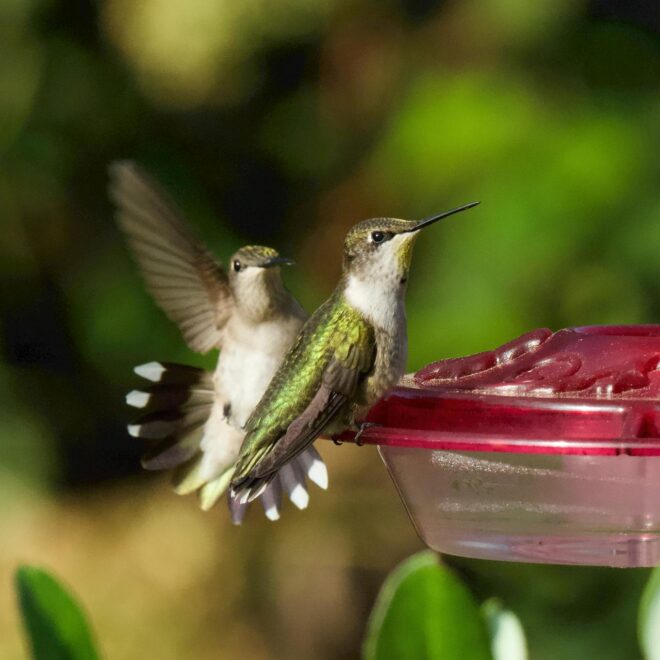
Credit: www.birdwatchingdaily.com
Hummingbird Feeding Basics
Understanding hummingbird feeding basics helps you care for these tiny birds responsibly. Knowing what they eat naturally and why feeders are popular can shape how you support their health and happiness. Let’s take a closer look at their natural diet and the role feeders play in their lives.
What Hummingbirds Eat Naturally
Hummingbirds mainly feed on nectar from flowers. This sugary liquid gives them the energy they need for their fast wing beats and constant movement.
Besides nectar, they eat small insects and spiders. These provide essential proteins, vitamins, and minerals that nectar alone can’t supply.
Different species prefer different flowers, often those native to their local area. This means their natural diet varies depending on where you live.
Why People Use Feeders
Many people put out hummingbird feeders to attract these beautiful birds to their yards. Feeders provide a steady and easy food source, especially when natural flowers are scarce.
Feeders can also help hummingbirds during migration or in colder seasons when flowers are limited. They give the birds a reliable energy boost during tough times.
However, feeding hummingbirds comes with responsibility. You need to keep feeders clean and use the right sugar-water mix to avoid harming the birds.
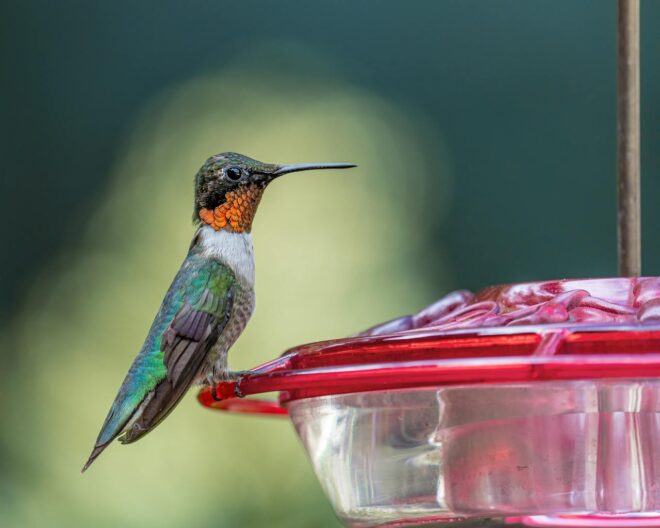
Credit: www.birdwatchingdaily.com
Common Concerns About Feeders
Hummingbird feeders attract many nature lovers eager to watch these tiny birds. Concerns arise about the possible harm feeders might cause. Understanding these worries helps bird enthusiasts make safer choices. Common concerns focus on disease, feeding habits, and diet effects.
Risk Of Disease Spread
Feeders can bring many birds close together. This close contact may help spread diseases. If feeders are not cleaned often, harmful bacteria or mold can grow. Dirty feeders can cause sickness in hummingbirds. Regular cleaning with hot water is important to keep feeders safe.
Impact On Natural Foraging
Some worry birds may stop searching for natural food. Relying on feeders might reduce their natural foraging skills. But feeders only provide extra food, not a full diet. Birds usually still seek flowers and insects. Feeders can support birds during hard times like cold weather.
Effects Of Sugar Water
Hummingbird feeders use a sugar water mix to mimic nectar. It is important to use the right recipe. Too much sugar or wrong ingredients can harm birds. Avoid honey or artificial sweeteners. A simple mix of four parts water to one part white sugar works best. This helps keep birds healthy and energetic.
Safe Feeder Practices
Safe feeder practices are essential to ensure hummingbirds stay healthy and enjoy your garden visits. Improper feeder use can lead to health problems for these tiny birds, including mold growth and malnutrition. Paying attention to how you choose, clean, and fill your feeder can make a big difference.
Choosing The Right Feeder
Pick a feeder made from durable, non-toxic materials like glass or BPA-free plastic. Avoid feeders with red dye in the plastic or nectar, as the dye can harm hummingbirds. Look for simple designs that are easy to clean and have multiple feeding ports to reduce competition among birds.
Proper Cleaning Techniques
Clean your feeder thoroughly at least once a week, more often in hot weather. Use hot water and a mild soap or a vinegar solution to remove any mold or bacteria. Avoid harsh chemicals that can leave harmful residues; rinse the feeder well and let it dry completely before refilling.
Best Sugar Water Recipe
Make your nectar with four parts water to one part white granulated sugar—no honey, artificial sweeteners, or dyes. Boil the water first to dissolve the sugar and kill any impurities, then let it cool before filling the feeder. This simple recipe mimics natural flower nectar and keeps hummingbirds healthy.
Benefits Of Using Feeders
Using hummingbird feeders can offer several benefits that positively impact both the birds and those who enjoy watching them. These feeders provide a reliable source of nourishment, especially in areas where natural food sources may be limited. They also create opportunities for you to connect with nature right in your backyard.
Supporting Local Hummingbirds
Feeders supply a steady source of sugar water that hummingbirds need for energy. This support is crucial, especially in urban areas where flowers might not bloom year-round. By placing feeders thoughtfully, you help hummingbirds maintain their energy throughout their daily activities.
I once noticed a small group of hummingbirds returning to my feeder every morning during a dry spell. It was clear they relied on it as a dependable food source when natural nectar was scarce. Could your feeder be a vital stop for these tiny travelers too?
Encouraging Birdwatching
Hummingbird feeders bring these fast-moving birds closer to your home, making it easier to observe their fascinating behaviors. Watching their hovering and quick movements can turn a simple backyard into a lively natural theater. This not only provides joy but also teaches patience and attentiveness.
Many people find that feeders spark a deeper interest in bird conservation. By attracting hummingbirds, you might start noticing other species visiting your garden as well. What new bird friends could you discover while enjoying your feeder?
Helping During Scarce Seasons
During early spring or late fall, when flowers are fewer, feeders become a crucial food source. They help hummingbirds build up energy reserves needed for migration or to survive colder times. Providing this extra help can make a real difference in their survival rates.
Imagine your feeder as a lifeline during tough months. Have you considered how your small action could support these tiny creatures when nature’s pantry is empty?
Alternatives To Feeders
Looking for alternatives to hummingbird feeders can help you create a safer and more natural environment for these tiny birds. Feeders may sometimes cause issues like disease spread or dependency, so offering natural food sources and habitats is a smart choice. You can still enjoy watching hummingbirds up close by making your garden inviting in other ways.
Planting Native Flowers
Native flowers attract hummingbirds naturally because they provide the nectar these birds crave. Choose flowers like bee balm, columbine, or trumpet vine that grow well in your area.
Planting in clusters helps hummingbirds find food easily and encourages longer visits. Plus, native plants support other local wildlife, creating a balanced ecosystem in your yard.
Have you noticed how hummingbirds hover around certain flowers more than others? That’s nature’s way of guiding you to what works best.
Creating Bird-friendly Habitats
Beyond flowers, providing shelter and water makes your space a hummingbird haven. Adding small shrubs or trees offers safe spots for resting and nesting.
A shallow water source like a birdbath with moving water can attract hummingbirds too. They love fresh water for drinking and bathing, which helps keep their feathers in good shape.
Think about how you can arrange plants and water features to create inviting micro-habitats. Your garden can become a vibrant, hummingbird-friendly retreat without relying on feeders.

Credit: www.hummingbirdsociety.org
Frequently Asked Questions
Are Hummingbird Feeders Harmful To Birds?
Hummingbird feeders are generally safe if cleaned regularly. Dirty feeders can grow mold and bacteria, which harm birds. Use fresh sugar water and clean feeders every few days to keep hummingbirds healthy and safe.
Can Hummingbird Feeders Spread Diseases Among Birds?
Yes, contaminated feeders can spread diseases like fungal infections. Frequent cleaning with hot water and mild soap prevents illness. Avoid using honey or artificial sweeteners, as they promote harmful bacteria growth in feeders.
What Is The Best Nectar For Hummingbird Feeders?
A simple mixture of four parts water to one part white granulated sugar works best. Avoid using red dye or honey, as they can be harmful. Fresh nectar attracts hummingbirds and provides essential energy.
How Often Should I Clean Hummingbird Feeders?
Clean feeders every 2 to 3 days during hot weather. Mold and bacteria grow quickly in warm environments. Regular cleaning ensures the nectar stays fresh and safe for hummingbirds.
Conclusion
Hummingbird feeders can be safe if used correctly. Clean feeders often to stop mold and bacteria. Use the right sugar mix, no honey or dyes. Place feeders in shaded, quiet spots for bird comfort. Watch birds closely to spot any health issues.
Feeding helps hummingbirds during scarce food times. Careful attention keeps birds healthy and happy. Feeding is good, but nature’s best food remains flowers. Safe feeding supports these tiny birds’ survival and joy.




