
Have you ever wondered if putting up a bird feeder in your yard really helps the environment? You might think feeding birds is a simple way to support nature, but there’s more to it than meets the eye.
Your actions could have surprising effects—both good and bad—on local wildlife and ecosystems. Keep reading to discover how bird feeders impact the environment and what you can do to make sure your efforts truly benefit the birds and the world around you.
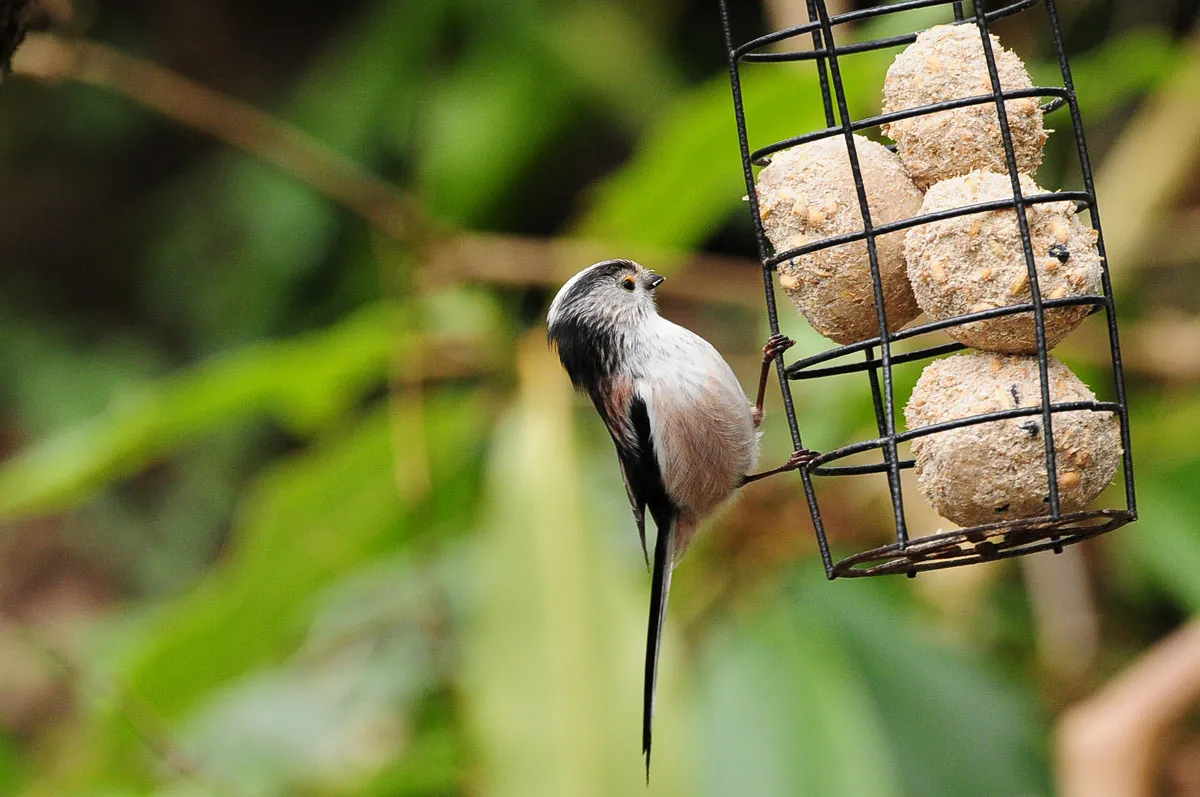
Credit: www.bto.org
Impact On Local Bird Populations
Bird feeders can play a significant role in shaping local bird populations. They influence how birds find food, interact, and survive in their habitats. But how exactly do they affect the birds around you?
Supporting Migratory Birds
Many migratory birds face long journeys with limited food sources. Your feeder can become a crucial pit stop, providing energy for the next leg of their trip.
Think about the last time you noticed a bright warbler or a sleek thrush at your feeder during migration season. It’s not just a lucky sighting; it’s a sign that your feeder supports these travelers.
To help migratory birds effectively, offer seeds and foods that match their natural diet. This small choice can mean the difference between a successful migration and a dangerous struggle.
Boosting Urban Biodiversity
Urban areas often lack natural food sources for birds. Your feeder introduces new opportunities for various species to thrive right outside your window.
I once noticed a surprising variety of birds visiting my feeder, from sparrows to finches, which added life and color to an otherwise gray neighborhood. This diversity shows how feeders can boost urban ecosystems.
By regularly maintaining your feeder and using fresh, varied seeds, you encourage a healthy mix of birds. This mix supports a balanced urban environment, where birds help control insects and pollinate plants.
Role In Pest Control
Bird feeders do more than just brighten your garden with colorful visitors. They play a quiet but powerful role in natural pest control, helping you manage insects without chemicals. Understanding how this works can change the way you see your backyard ecosystem.
Attracting Natural Predators
Bird feeders attract insect-eating birds like chickadees, wrens, and woodpeckers. These birds naturally hunt pests such as aphids, beetles, and caterpillars. By inviting these feathered hunters to your space, you create a natural defense system against harmful insects.
Have you noticed how some birds linger near your feeder and then disappear into the bushes? They might be hunting pests right under your nose. This simple setup can reduce the need for pesticides, which often harm beneficial insects and the environment.
Reducing Insect Populations
Birds feeding near your home actively reduce insect populations by consuming large quantities of pests daily. A single chickadee, for example, can eat hundreds of insects each week. This helps keep your plants healthier and your outdoor space more enjoyable.
Think about the last time you spotted fewer bugs around your garden. Could it be the birds doing their job? By placing feeders in strategic locations, you encourage birds to stick around and keep pest numbers low naturally.
Effects On Plant Pollination
Bird feeders don’t just attract colorful visitors to your backyard; they also play a subtle role in the environment, especially in plant pollination. When birds gather around feeders, they often interact with nearby plants, influencing how seeds and pollen move through the ecosystem. Understanding these effects can help you create a garden that benefits both birds and plants.
Encouraging Seed Dispersal
Birds that visit feeders often feed on fruits and seeds from nearby plants. As they fly away, they carry these seeds to new locations, helping plants spread and grow in different areas.
For example, I once noticed a small berry bush near my feeder thriving after months of little growth. Birds were eating the berries and dropping seeds around the garden, which boosted the plant’s presence.
By placing feeders near native fruiting plants, you can support natural seed dispersal. This process is vital for maintaining plant diversity and healthy ecosystems.
Supporting Flowering Plants
Some birds that come to feeders also visit flowers for nectar. While feeding, they transfer pollen from one flower to another, aiding in plant reproduction.
Hummingbirds are a perfect example; their visits to feeders can increase pollination rates in nearby flowering plants. This can lead to more blooms and stronger plant growth in your garden.
Consider planting flowers close to feeders to attract these pollinators. You’ll not only enjoy more vibrant blooms but also help sustain the local environment.
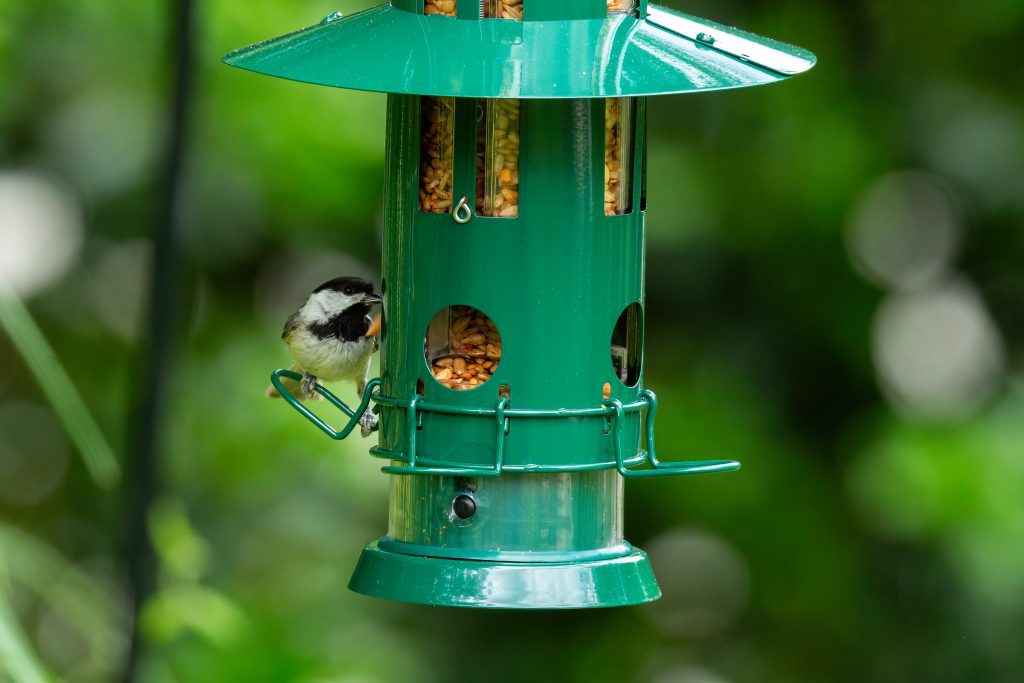
Credit: www.kingsyard.com
Potential Environmental Concerns
Bird feeders bring joy and help many birds find food. Still, they have some environmental concerns. Understanding these issues helps us feed birds safely and responsibly.
Risk Of Disease Spread
Bird feeders can collect dirt, droppings, and old food. This creates a place for germs to grow. Sick birds may leave bacteria or viruses behind. Healthy birds visiting the feeder can catch these diseases.
Regular cleaning reduces the risk. Use hot water and mild soap. Clean feeders at least once every two weeks. Remove moldy or wet food quickly. This keeps birds safer and healthier.
Impact On Bird Behavior
Feeding birds changes how they act. Some birds may depend too much on feeders. This can stop them from searching for natural food.
Birds might gather in large groups around feeders. This can cause fights or stress. Predators may also learn where to find birds easily.
Offering food only during hard times helps balance their habits. Change feeder locations sometimes. This encourages birds to explore and stay wild.
Best Practices For Eco-friendly Feeding
Feeding birds can be a wonderful way to connect with nature, but it’s important to do it responsibly. Eco-friendly feeding helps protect local wildlife and supports a balanced ecosystem. You can enjoy your feathered visitors while making sure your efforts don’t harm the environment.
Choosing Sustainable Feeders
Look for bird feeders made from recycled or natural materials like bamboo or metal instead of plastic. These materials last longer and reduce waste. Also, consider feeders designed to minimize seed spillage to avoid attracting unwanted pests.
I once switched to a metal feeder after noticing squirrels scattering seeds everywhere. It not only cut down on waste but also kept the feeding area tidier and safer for the birds.
Selecting Appropriate Bird Food
Offer native seeds and foods that local birds naturally eat. Black oil sunflower seeds, nyjer, and suet are great options that attract a variety of species. Avoid mixes with fillers like red millet or dyed seeds, which birds often reject and that can pollute the environment.
Have you noticed how some seed mixes leave a lot of waste on the ground? Choosing the right food reduces leftover debris and helps maintain a cleaner habitat for all wildlife.
Maintaining Clean Feeding Stations
Clean your feeders regularly with hot, soapy water to prevent mold and disease. Remove old seeds and droppings often to keep birds healthy. Position feeders in areas with good drainage to avoid standing water, which can harbor bacteria.
One summer, I neglected cleaning my feeder and saw fewer birds visiting. After a thorough cleaning, the birds returned quickly, proving how crucial hygiene is in bird feeding.
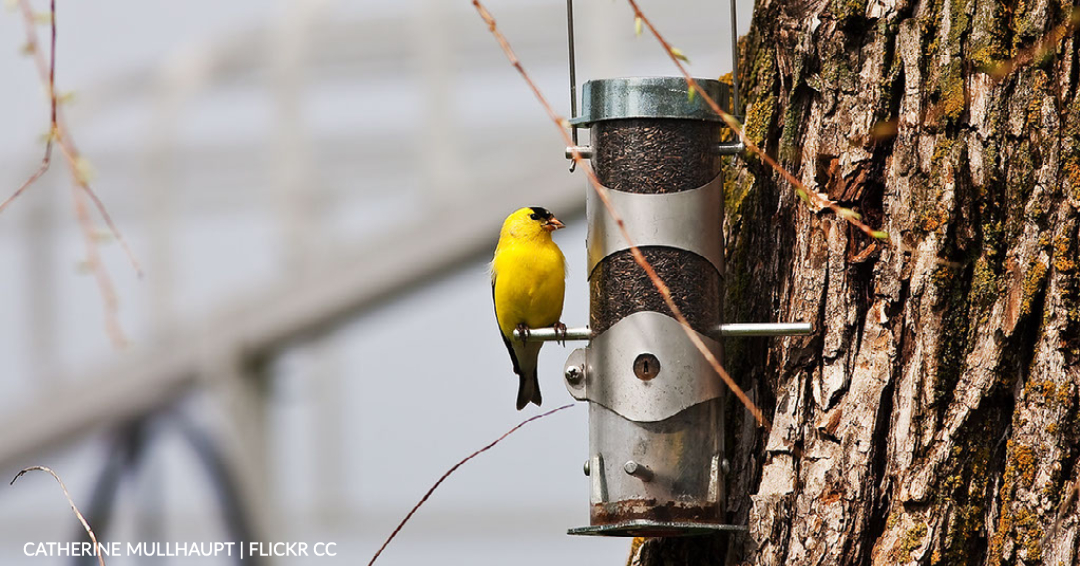
Credit: www.michiganaudubon.org
Community Benefits Of Bird Feeding
Bird feeding can bring communities together. Sharing the joy of birdwatching strengthens bonds. It also promotes a sense of unity. Neighbors connect over shared experiences with nature. Let’s explore two key benefits of bird feeding for communities.
Promoting Environmental Awareness
Bird feeders can teach people about local wildlife. Observing birds makes individuals curious about their environment. This curiosity leads to greater environmental awareness. People become more interested in conservation efforts. They learn about the importance of protecting habitats. Informed communities make better environmental choices.
Engaging Citizen Science
Bird feeding encourages participation in citizen science projects. These projects involve everyday people in scientific research. Participants can track bird species visiting their feeders. They can share this data with scientists. This collaboration helps researchers understand bird populations. Citizen science fosters a deeper connection to nature. It empowers people to contribute to wildlife conservation.
Frequently Asked Questions
Are Bird Feeders Beneficial For Local Wildlife?
Bird feeders provide food for birds, supporting local wildlife especially in harsh seasons. They help sustain bird populations and encourage biodiversity in your area.
Can Bird Feeders Harm The Environment?
Improper maintenance of feeders can spread diseases among birds. Using sustainable materials and cleaning regularly minimizes environmental risks.
Do Bird Feeders Attract Invasive Species?
Yes, feeders can attract invasive birds that outcompete native species. Choosing native-friendly feeder types helps protect local ecosystems.
How Do Bird Feeders Impact Bird Migration?
Feeders offer reliable food sources, which may alter natural migration patterns. They can support birds during migration but should be used responsibly.
Conclusion
Bird feeders can help birds find food, especially in winter. They support local wildlife and add life to your garden. But keep feeders clean to stop disease spread. Choose natural seeds to attract native birds only. This way, feeders help the environment and birds stay healthy.
Feeding birds connects us to nature every day. Small actions make a big difference for birds and the earth. So, bird feeders can be good for the environment if used wisely.




