
Have you ever seen a bird so colorful and unique that it instantly caught your eye? That’s what makes exotic birds so fascinating.
But what exactly is an exotic bird, and why do so many people want to learn about them or even keep them as pets? If you’re curious about these beautiful creatures and want to discover what sets them apart from everyday birds, you’re in the right place.
Keep reading to uncover the secrets behind exotic birds and find out why they might just be the perfect addition to your life.
Exotic Birds At A Glance
Exotic birds capture attention with their vibrant colors and unique behaviors. They often seem like creatures from another world, sparking curiosity and wonder. Understanding what makes a bird “exotic” can help you appreciate their diversity and what it takes to care for them responsibly.
Defining Exotic Birds
Exotic birds are species not native to your local environment. They often come from tropical or remote regions around the globe. These birds stand out due to their rarity in everyday settings and their distinct physical traits.
Think about the macaw or the cockatoo—birds you don’t see in every backyard. Their exotic status often means they require special attention, diet, and habitat conditions. Have you ever wondered why some bird species are sold as pets while others remain wild?
Common Traits Of Exotic Species
Exotic birds usually share several noticeable traits:
- Bright plumage:Many show brilliant colors like reds, blues, and yellows that make them visually striking.
- Unique calls:Their vocalizations often differ from common birds, sometimes mimicking human speech.
- Specialized diets:They need specific foods, like tropical fruits or nuts, which aren’t always easy to find.
- Behavioral complexity:These birds display intelligent and social behaviors that can challenge owners but also deepen the bond.
Owning an exotic bird means embracing these traits and meeting their needs. What surprises you most about these special birds? Could you provide the environment they thrive in?

Credit: birdsnways.com
Famous Exotic Bird Species
Famous exotic bird species capture the imagination with their vibrant colors, unique shapes, and fascinating behaviors. These birds often stand out not only because of their looks but also due to their adaptability and the roles they play in their ecosystems. Getting to know some well-known exotic birds can deepen your appreciation for nature and inspire you to learn more about bird conservation.
Parrots And Macaws
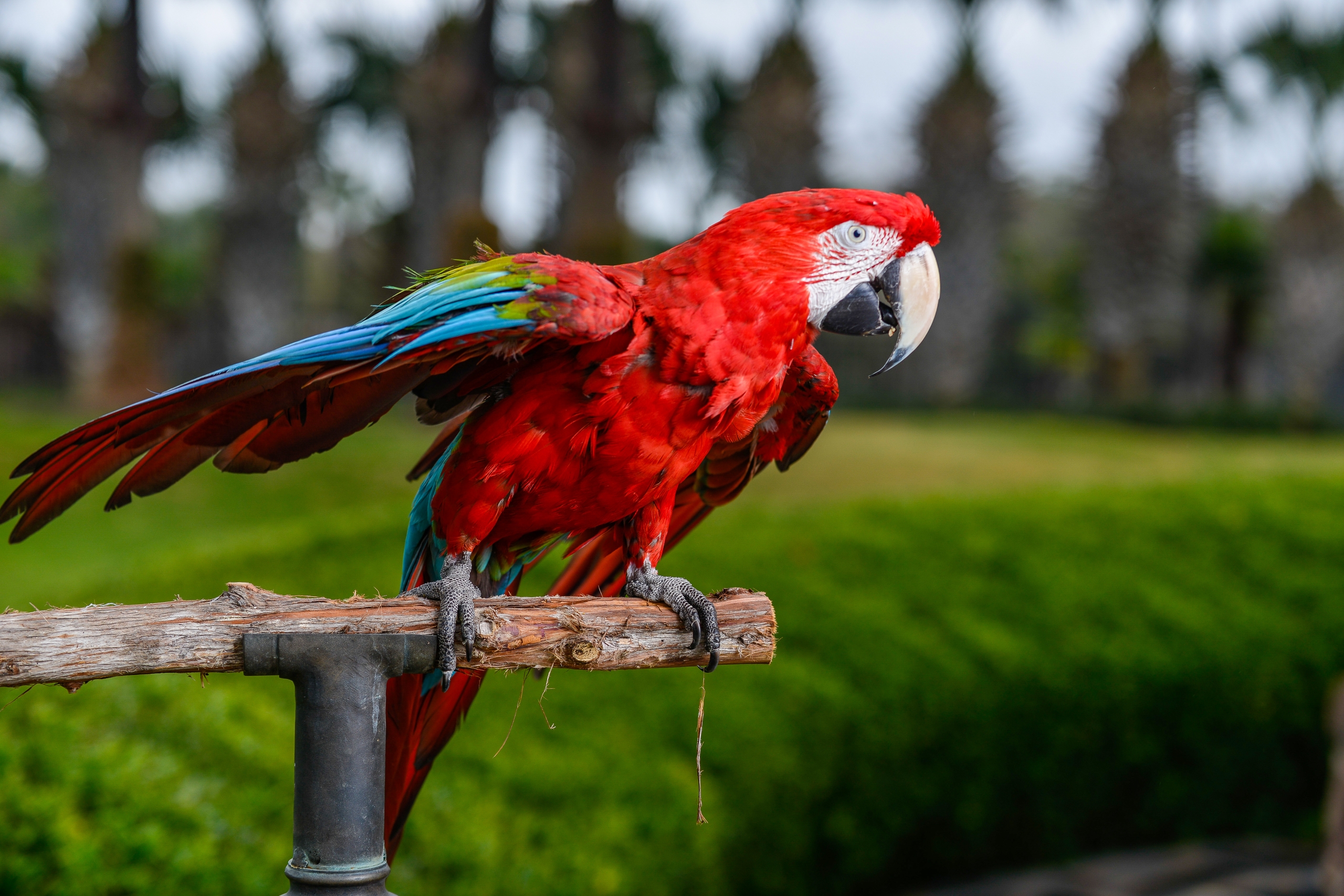
Parrots and macaws are among the most popular exotic birds worldwide. Their bright feathers and playful personalities make them favorites for bird lovers.
You might be surprised to learn that macaws can live up to 50 years or more. Their intelligence is remarkable—they can mimic human speech and solve puzzles. Have you ever wondered how their social nature influences their behavior in the wild?
Toucans And Hornbills
Toucans are instantly recognizable by their large, colorful bills. These bills aren’t just for show; they help toucans regulate body temperature and reach fruit on branches that might otherwise be out of reach.
Hornbills, on the other hand, have a casque on their bill, which varies in size and shape across species. Their unique nesting habits—where females seal themselves inside tree cavities—highlight the incredible diversity of bird behaviors. Can you imagine being locked inside a tree for weeks to raise your young?
Birds Of Paradise
Birds of paradise are famous for their extraordinary courtship displays and dazzling plumage. Native to Papua New Guinea and nearby islands, these birds use intricate dances and bright feathers to attract mates.
Watching videos of their displays might make you question how evolution crafted such complexity. What drives these birds to develop such extreme appearances and behaviors? If you want a closer look, many zoos and documentaries showcase their stunning performances.
Habitat And Distribution
Exotic birds live in many parts of the world. Their habitats vary depending on the species. Understanding their homes helps us learn about their behavior and needs.
Tropical Rainforests
Tropical rainforests are rich in plants and animals. Many exotic birds thrive here because of the warm climate and dense trees. These forests provide shelter and food like fruits and insects. Birds such as parrots and toucans often call rainforests home.
Savannas And Grasslands
Savannas and grasslands have open spaces and scattered trees. Exotic birds in these areas adapt to less cover and drier conditions. They often feed on seeds, insects, and small animals. Examples include hornbills and some species of eagles.
Island Ecosystems
Islands offer unique environments for exotic birds. Isolation creates special species found nowhere else. Birds here often evolve to fill specific roles. Examples include the colorful birds of paradise and various finches. Islands also protect these birds from many predators.

Credit: birdsnways.com
Color And Plumage Patterns
The color and plumage patterns of exotic birds are some of the most striking features that capture our attention. These vibrant hues and unique designs are not just for beauty; they serve important purposes in the birds’ lives. Understanding these patterns helps you appreciate the complexity behind what might seem like simple feathers.
Bright And Iridescent Feathers
Many exotic birds display bright and iridescent feathers that change color depending on the light angle. This shimmering effect is caused by microscopic structures in the feathers, not just pigments. You might have seen a parrot’s feathers gleam in the sunlight or a peacock’s tail flash with blues and greens.
These colors often play a role in attracting mates or signaling health and vitality. If you’ve ever watched a bird show off its feathers, you know it’s more than just a pretty sight—it’s a crucial part of their communication.
Camouflage And Display
Not all exotic birds use bright colors to stand out; some use their plumage to blend in with their surroundings. Patterns like mottled browns and greens help birds hide from predators in dense forests or among leaves. This natural camouflage is a survival tactic, keeping them safe and unseen.
On the flip side, some birds use bold patterns and colors to display dominance or warn rivals. Think of the toucan’s colorful beak or the hawk’s sharp markings—they send clear messages to other birds and animals. Which strategy do you find more fascinating: hiding in plain sight or standing out boldly?
Seasonal Changes In Plumage
Many exotic birds change their feather colors with the seasons. Breeding seasons often bring out the brightest colors to attract mates, while off-season plumage might be duller for better camouflage. This switch shows how adaptable birds are to their environment and social needs.
Observing these changes can teach you a lot about a bird’s life cycle and behavior. Next time you spot a bird, take a moment to notice if its colors seem fresh or faded—you might be witnessing a seasonal transformation.
Behavior And Communication
Exotic birds show a wide range of behaviors and ways to communicate. Their actions help them survive, find mates, and live in groups. Understanding their behavior gives us a glimpse into their unique world. These birds use sounds, movements, and social rules to interact daily.
Vocalizations And Calls
Exotic birds produce many different sounds. These sounds include whistles, squawks, and trills. Each call has a meaning, such as warning of danger or attracting a mate. Some birds can even mimic human speech and other noises. Their vocal range helps them stay connected and express emotions.
Mating Displays
Mating displays are colorful and active. Birds show off bright feathers or perform dances. These actions help attract a partner. Males often compete by singing loudly or showing strength. The displays are important for choosing the best mate and continuing the species.
Social Structures
Many exotic birds live in groups or pairs. They have clear roles and rules within their social structure. Some form strong bonds that last a lifetime. Others live in flocks with leaders and followers. Social life helps protect them from predators and find food more easily.
Caring For Exotic Birds As Pets
Exotic birds are colorful, unusual species kept as pets. They often come from tropical or distant places and need special care. These birds can be friendly but require attention and proper living conditions.
Caring for exotic birds as pets involves understanding their unique needs. These vibrant creatures bring joy and color to any home. Yet, they require more attention than typical pets. Owners should be prepared to invest time in their care. Ensuring a healthy and happy bird requires knowledge and dedication.Diet And Nutrition
Exotic birds need a varied diet to thrive. Fresh fruits and vegetables are essential. Pellets designed for specific bird species provide balanced nutrition. Avoid feeding them chocolate, caffeine, or avocado. These can be toxic. Access to clean, fresh water is crucial daily. Monitor their food intake to prevent obesity.Housing And Environment
A spacious cage is vital for exotic birds. They need room to stretch and fly. Include perches and toys for mental stimulation. Place the cage in a quiet area, away from drafts. Ensure exposure to natural light but avoid direct sunlight. Clean the cage regularly to maintain hygiene.Health And Vet Care
Regular vet visits are important for exotic birds. They help detect health issues early. Learn to recognize signs of illness like lethargy or feather loss. Some birds may need vaccinations. Keep a record of their health checks. Build a relationship with an avian vet for expert advice.Conservation Challenges
Exotic birds face many threats in the wild, including habitat loss and illegal trade. Protecting these unique species requires careful conservation efforts and awareness.
Conservation challenges for exotic birds are pressing issues that demand immediate attention. These vibrant creatures face numerous threats that are often human-induced. Understanding these challenges is essential in devising strategies to protect them for future generations.Habitat Loss
The natural habitats of exotic birds are rapidly disappearing. Deforestation, urbanization, and agricultural expansion are shrinking the spaces these birds call home. When was the last time you saw a forest untouched by human hands? This loss of habitat not only reduces the available nesting areas but also disrupts the food supply. Exotic birds often rely on specific plants and trees for sustenance. Without these natural resources, their survival is at risk.Illegal Trade
Illegal trade is a significant threat to exotic birds. It’s alarming how many birds are captured and sold on the black market each year. This trade is lucrative, driven by demand for pets and collectors. Participating in or supporting this trade contributes to the decline of bird populations. Consider the impact of your actions when thinking about acquiring an exotic pet. Is it worth contributing to the potential extinction of these magnificent creatures?Breeding Programs
Breeding programs offer hope in conserving exotic birds. These initiatives focus on increasing bird populations and reintroducing them into the wild. Have you ever thought about how breeding programs could make a difference? By supporting and participating in legitimate breeding programs, you play a role in conservation efforts. These programs require expertise and dedication, often involving partnerships between zoos, conservation organizations, and governments. In summary, addressing the conservation challenges of exotic birds requires a multifaceted approach. Whether it’s advocating for habitat protection, opposing illegal trade, or supporting breeding programs, your involvement can make a difference. What steps will you take to help protect these incredible creatures?Spotting Exotic Birds In The Wild
Spotting exotic birds in the wild offers a unique thrill. These creatures often display stunning colors and rare behaviors that you won’t see anywhere else. But finding them requires more than just luck—it takes knowledge, patience, and respect for their habitat.
Best Destinations
If you want to see exotic birds, certain places stand out as top spots. The Amazon rainforest is home to vibrant macaws and toucans. Southeast Asia’s jungles host the elusive hornbills and colorful pittas. You might also find unique species in Madagascar’s forests or the Galápagos Islands.
Think about what kind of birds fascinate you most. Do you prefer tropical parrots or rare shorebirds? This helps narrow down your travel plans and increases your chances of a memorable sighting.
Birdwatching Tips
- Be patient:Birds don’t always show up on schedule. Spend quiet time and watch carefully.
- Use binoculars:A good pair helps you see details without disturbing the birds.
- Learn bird calls:Recognizing sounds can lead you right to the bird.
- Wear neutral colors:Bright clothes can scare birds away.
During a trip in Costa Rica, I found that staying still and listening closely brought a flock of rare quetzals right into view. It’s amazing how silence and observation pay off.
Ethical Observing
Respecting birds and their environment is crucial. Avoid getting too close or making loud noises that could stress them. Remember, you are a guest in their world.
Taking photos is great, but don’t use flash—it can harm birds’ eyesight. Also, stick to trails to protect fragile habitats. What impact do your actions have on these delicate ecosystems?
Being a responsible birdwatcher means you help preserve these species for others to enjoy. Your respect and care make all the difference.
Credit: www.hsbresort.com
Frequently Asked Questions
What Defines An Exotic Bird?
An exotic bird is a species not native to your region. They often have unique colors, shapes, or behaviors. These birds are usually kept as pets or studied for their rarity and beauty.
Are Exotic Birds Legal To Own?
Ownership depends on local laws and species protection status. Some exotic birds require permits or licenses. Always check regulations before acquiring one to avoid legal issues.
How Do I Care For An Exotic Bird?
Provide a spacious cage, balanced diet, and mental stimulation. Regular vet checkups are essential. Each species has specific needs, so research thoroughly before owning one.
What Are Common Exotic Bird Species?
Popular exotic birds include parrots, macaws, cockatoos, and lovebirds. They are known for intelligence, vibrant colors, and vocal abilities. Each species offers unique companionship qualities.
Conclusion
Exotic birds bring color and life to many places around the world. They have unique features that make them special and interesting. Many people enjoy watching and learning about these birds. Taking care of exotic birds needs knowledge and attention.
Their beauty reminds us to protect nature and wildlife. Each exotic bird tells a story of its home and habits. They show us how diverse and amazing life can be. Understanding exotic birds helps us appreciate the natural world more.




