
Have you ever wondered what you can feed backyard birds to keep them happy and healthy? Knowing the right food not only attracts a variety of beautiful birds but also helps them thrive in your garden.
Feeding birds the wrong things can harm them, but with the right choices, you can create a lively, colorful space that feels alive every day. You’ll discover simple, safe, and tasty options that your feathered friends will love. Keep reading to learn how to turn your backyard into a bird paradise!
Credit: www.wildbirdsuets.com
Popular Backyard Birds
Backyard birds bring life and color to outdoor spaces. They are a joy to watch and easy to attract. Knowing which birds visit your area helps you choose the right food. Different species have different tastes and needs.
Common Species In Your Area
Many backyard birds are common across regions. Some popular species include:
- American Robin
- House Sparrow
- Northern Cardinal
- Blue Jay
- Chickadee
- Goldfinch
- Mourning Dove
- Woodpecker
These birds often visit feeders and gardens. Their presence depends on where you live and the season.
Feeding Habits And Preferences
Birds have unique feeding habits. Some like seeds, while others prefer insects or fruit.
- Seed eaters:Finches, sparrows, and cardinals love sunflower seeds and millet.
- Fruit lovers:Orioles and thrushes enjoy berries and sliced fruit.
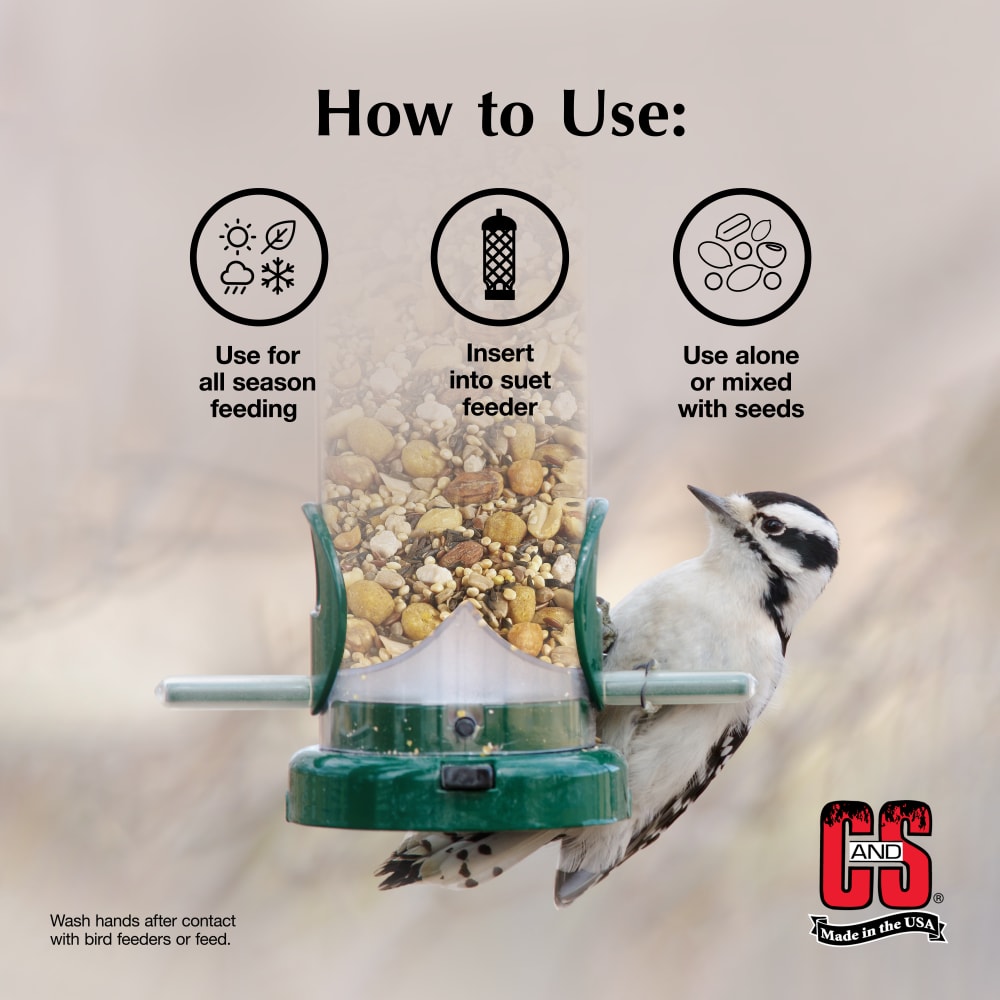
- Insect eaters:Woodpeckers and chickadees feed on insects and suet.
- Grain eaters:Doves often eat cracked corn or millet.
Providing a variety of foods attracts more species. Keep feeders clean and fresh for healthy birds.
Seeds That Attract Birds
Seeds play a huge role in attracting a variety of backyard birds. Different seeds appeal to different species, so offering a mix can bring more feathered friends to your yard. Choosing the right seeds also helps ensure the birds get proper nutrition and keeps them coming back day after day.
Sunflower Seeds
Sunflower seeds are a top favorite for many birds. Their high oil content provides excellent energy, especially during colder months. Black oil sunflower seeds are particularly popular because their thin shells are easy to crack open.
You’ll notice cardinals, chickadees, and finches flocking to these seeds. Try using a platform feeder or a tube feeder with large openings to make these seeds accessible. Did you know that sunflower seeds can attract woodpeckers and nuthatches too?
Millet And Sorghum
Millet and sorghum are small seeds that attract ground-feeding birds. Sparrows, doves, and juncos love them. These seeds are great if you want to invite a wider variety of birds that prefer feeding on the ground.
Sprinkle them on a flat tray feeder or directly on the ground. If you haven’t tried this before, watch how quickly the birds find the millet—they rarely miss an opportunity! Have you ever noticed how sparrows gather in flocks to eat millet?
Nyjer Seeds
Nyjer seeds are tiny but mighty when it comes to attracting finches. Goldfinches, pine siskins, and redpolls are especially drawn to these seeds. They have a high oil content and require a special feeder with small holes to keep the seeds from spilling out.
Using a nyjer feeder can transform your yard into a hotspot for these colorful birds. Offering nyjer seeds might just be the secret to seeing more vibrant finches around your home. Do you have a favorite spot where finches like to gather?
Nutritious Nuts For Birds
Nuts are a rich source of energy and nutrients for backyard birds. They offer essential fats, proteins, and vitamins. These nutrients help birds stay healthy and active, especially during cold months. Feeding nuts can attract many bird species to your yard. It’s important to offer nuts that are safe and easy for birds to eat.
Peanuts And Their Benefits
Peanuts are a favorite snack for many birds. They provide high protein and fat content. These nutrients support birds’ energy needs and feather growth. Birds like jays, woodpeckers, and chickadees enjoy peanuts. Offer peanuts raw or roasted without salt. Avoid peanuts with added flavors or coatings. Use mesh feeders or scatter peanuts on the ground.
Almonds And Walnuts
Almonds and walnuts are also nutritious options. They are rich in healthy fats and vitamins. These nuts help birds build fat reserves for winter. Almonds and walnuts attract larger birds like nuthatches and titmice. Break them into small pieces for easy eating. Avoid salted or flavored nuts to keep birds safe. Store nuts in a cool, dry place to maintain freshness.

Credit: www.amazon.com
Fruits That Birds Love
Fruits offer backyard birds a rich source of vitamins and natural sugars. These sweet treats attract many bird species, helping them stay healthy and energetic. Birds enjoy a variety of fruits, especially those that are easy to eat and digest.
Providing fresh fruits can bring colorful birds right to your yard. They find these fruits tasty and nourishing during all seasons. Choose fruits that are safe and suitable for wild birds to enjoy.
Berries And Grapes
Berries and grapes rank high on birds’ favorite fruit list. They are small, juicy, and packed with nutrients. Birds like robins, bluebirds, and waxwings often seek out these fruits.
- Blackberries
- Raspberries
- Strawberries
- Blueberries
- Red and green grapes
Offer berries fresh or slightly mashed to make eating easier. Grapes should be cut in half for smaller birds. Avoid grapes with seeds or any added sugar or preservatives.
Apples And Pears
Apples and pears provide a crunchy, sweet snack for many birds. They enjoy the flesh and sometimes the seeds, but always remove seeds before offering. Apple slices or small chunks work well.
- Red and green apples
- Sweet pears
These fruits attract jays, woodpeckers, and finches. Keep the pieces fresh and replace them if they start to dry out. Avoid canned or processed fruit to keep birds safe.
Insects And Protein Sources
Providing insects and protein-rich foods to backyard birds can boost their health and energy, especially during breeding season. Birds need protein for feather growth, muscle repair, and overall vitality. Adding these options to your bird feeding routine can attract a wider variety of species to your yard.
Mealworms And Crickets
Mealworms and crickets are excellent protein sources that many birds love. You can buy dried or live versions at pet stores or online. Live mealworms encourage natural hunting behavior, which keeps birds active and engaged.
Try placing mealworms in shallow dishes or specialized feeders. Birds like robins, bluebirds, and wrens will often come for this treat. Have you noticed how quickly birds return when you offer fresh mealworms?
Eggs And Suet
Hard-boiled eggs provide a simple and nutritious protein boost. Chop them finely and mix with birdseed or scatter near feeders. Many birds, including chickadees and nuthatches, enjoy this easy meal.
Suet, made from animal fat, is another top choice, especially in colder months. It offers high energy and protein, helping birds stay warm and active. You can buy suet cakes or make your own with ingredients like peanut butter and oats.
- Place suet in wire cages to keep it secure from squirrels.
- Offer different suet flavors to attract various species.
- Monitor feeders to prevent spoilage during warm weather.
Which protein sources have you tried feeding your backyard birds? Share your experience and see how these options can make a difference in your birdwatching enjoyment.
Safe Feeding Tips
Feeding backyard birds is a joy that connects you with nature right outside your window. However, feeding them safely ensures their health and keeps your garden a welcoming spot for feathered friends. Paying attention to what you offer and how you offer it can make all the difference in their well-being.
Avoiding Harmful Foods
Not every food is safe for birds. Some common human snacks like bread, salty chips, or chocolate can harm their digestive systems or even be fatal. Instead, focus on bird-friendly options such as seeds, nuts, and fresh fruits.
Be cautious with foods that contain mold or spoil quickly. Even leftovers that seem harmless might contain bacteria or preservatives that birds cannot handle. Have you ever noticed a bird avoiding certain seeds? It might be a sign those foods aren’t good for them.
Maintaining Clean Feeding Areas
Cleanliness plays a big role in keeping birds healthy. Regularly washing feeders and birdbaths prevents the spread of diseases among visitors. I once saw a feeder covered in mold attract no birds for days—clean feeders invite more frequent visits.
Make it a habit to remove old or wet food daily. Wet seeds can sprout harmful fungi, while leftover crumbs attract pests. How often do you check your feeding station for cleanliness? A simple routine keeps birds coming back safely.
Seasonal Feeding Adjustments
Feeding backyard birds can be a joy throughout the year. Birds need different foods in each season. Adjusting your feeding habits ensures birds get the right nutrients. This helps birds stay healthy and active all year long.
Winter Nutrition Needs
Winter is harsh for birds. They need more energy to stay warm. Provide high-fat foods to help them. Offer suet, which is rich in fat. Peanut butter is another good option. Black oil sunflower seeds are perfect for cold months. They have high fat and protein. Place feeders in sheltered areas. This protects food from snow and wind.
Summer Feeding Strategies
Summer brings abundance. But birds still benefit from extra food. Offer fresh fruits like apples or berries. These provide hydration and nutrients. Use nectar feeders for hummingbirds. They love sweet liquids during warm months. Keep water sources clean and filled. Birds need water to bathe and drink.

Credit: www.amazon.com
Frequently Asked Questions
What Are The Best Seeds To Feed Backyard Birds?
Black oil sunflower seeds are the top choice for most backyard birds. They are nutritious, easy to eat, and attract many species, including finches, cardinals, and chickadees. Millet and safflower seeds are also popular options that appeal to different bird types.
Can I Feed Bread To Backyard Birds Safely?
Feeding bread to birds is not recommended as it lacks nutrients and can harm their health. Bread can cause malnutrition and attract pests. Instead, offer natural foods like seeds, nuts, fruits, and suet for a balanced diet.
How Often Should I Feed Birds In My Backyard?
Feed birds daily, especially during winter and migration seasons when natural food is scarce. Consistent feeding helps birds survive harsh conditions and supports their energy needs. Clean feeders regularly to prevent disease and keep birds healthy.
Are Homemade Bird Food Mixes Good For Backyard Birds?
Yes, homemade mixes can be healthy if they contain seeds, grains, and dried fruits. Avoid salt, sugar, and artificial ingredients. Tailor mixes to local bird species to attract a variety of birds to your backyard.
Conclusion
Feeding backyard birds brings joy and life to your garden. Choose seeds and foods that suit local birds well. Keep the feeding area clean to avoid pests and disease. Watch birds enjoy their meals and visit often. Small efforts make a big difference for bird health.
Your backyard can become a safe, happy place. Enjoy nature’s beauty right outside your door. Try different foods to see which birds come. Feeding birds helps you learn about wildlife closely. Simple care creates a lovely space for birds to thrive.




