
If you or someone in your home is dealing with bird flu, you probably want quick and clear answers. You might be wondering how to ease symptoms and keep the illness from getting worse.
This guide is made just for you. It will show you simple, effective ways to treat bird flu at home safely. By following these easy steps, you can help your body heal and protect those around you. Keep reading to learn exactly what you need to do to feel better and stay strong.
Recognizing Bird Flu Symptoms
Bird flu, also called avian influenza, affects birds and people. It spreads through contact with infected birds.
Knowing the symptoms helps you act fast. Early care can protect your health and others around you.
Common Signs To Watch For
Bird flu symptoms look like regular flu at first. Watch for these common signs:
- Fever above 100.4°F (38°C)
- Cough and sore throat
- Runny or stuffy nose
- Body aches and headaches
- Fatigue and weakness
- Shortness of breath or difficulty breathing
- Eye redness or irritation
- Diarrhea or stomach pain in some cases
When To Seek Medical Help
Seek medical help if you or someone close has these serious signs. Early treatment can save lives.
| Warning Sign | Action Needed |
| High fever lasting more than 3 days | Visit a doctor immediately |
| Difficulty breathing or chest pain | Call emergency services or go to hospital |
| Confusion or dizziness | Seek urgent medical care |
| Severe weakness or inability to eat or drink | Get medical help right away |

Credit: www.hawkboard.uk
Home Care Essentials
Bird flu can make you feel very weak and tired. Taking care of yourself at home helps you heal faster.
Simple steps can make your recovery easier. Focus on rest, hydration, and good nutrition.
Creating A Comfortable Resting Space
Find a quiet place with soft bedding for rest. Keep the room clean and well-ventilated.
Use pillows to support your head and body. Make sure the temperature is not too hot or cold.
- Choose a calm, quiet area
- Keep bedding clean and soft
- Ensure good air flow without drafts
- Maintain comfortable room temperature
- Use pillows for extra comfort
Maintaining Hydration And Nutrition
Drink plenty of fluids like water, herbal tea, or clear broth. Fluids help keep your body strong.
Eat light, nutritious foods that are easy to digest. Foods like soup, rice, and fruits give energy.
- Drink at least 8 glasses of fluids daily
- Choose warm drinks to soothe the throat
- Eat small meals often throughout the day
- Include fruits and vegetables for vitamins
- Avoid heavy or spicy foods
Natural Remedies To Support Recovery
Bird flu can cause fever, cough, and body pain. Natural remedies can help ease symptoms. They support your body as it fights the virus.
Using simple home treatments may speed up recovery. These methods focus on comfort and boosting your immune system.
Herbal Teas And Supplements
Herbal teas can soothe your throat and reduce fever. Some supplements help your body fight infection.
- Ginger tea helps reduce inflammation and nausea.
- Chamomile tea promotes relaxation and better sleep.
- Honey mixed with lemon soothes sore throat.
- Vitamin C supplements boost the immune system.
- Garlic capsules may have antiviral properties.
Steam Inhalation And Breathing Exercises
Steam inhalation clears nasal passages and eases breathing. Breathing exercises help increase lung capacity and reduce coughing.
| Method | How to Do It | Benefits |
| Steam Inhalation | Boil water, pour into bowl, inhale steam carefully | Clears sinuses and reduces congestion |
| Deep Breathing | Take slow, deep breaths through nose and mouth | Improves oxygen flow and calms cough |
| Diaphragmatic Breathing | Breathe deeply into belly, not chest | Strengthens lungs and reduces breathlessness |
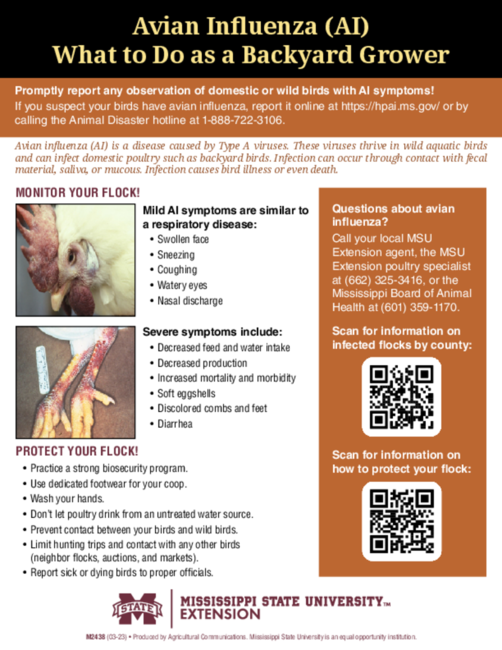
Credit: extension.msstate.edu
Preventing Spread Within The Household
Bird flu can spread easily in a home. Taking simple steps helps keep everyone safe.
Focus on cleanliness and keeping the sick person apart from others. These actions stop the virus from spreading.
Hygiene And Sanitation Practices
Clean hands and surfaces often. Use soap and water to wash hands for at least 20 seconds.
- Wash hands after touching the sick person or their items
- Disinfect doorknobs, light switches, and counters daily
- Use separate towels and utensils for the sick individual
- Dispose of tissues and waste properly in sealed bags
- Wear disposable gloves when cleaning or handling contaminated items
Isolating The Infected Individual
Keep the person with bird flu in one room. Limit their contact with others in the house.
| Action | Reason |
| Use a separate bedroom | Reduces virus spread through close contact |
| Assign a dedicated bathroom | Prevents contamination of shared spaces |
| Limit visitors | Stops the virus from reaching others |
| Wear masks around the sick person | Blocks airborne virus particles |
| Keep windows open if possible | Improves air flow and reduces virus concentration |
Monitoring Progress And When To Act
Bird flu needs careful watching when treated at home. Check symptoms regularly.
Knowing when to act can save lives. This guide helps track changes and spot danger signs.
Tracking Symptom Changes
Keep a daily record of symptoms like fever, cough, and breathing. Note if they get better or worse.
- Measure body temperature twice a day
- Note any new symptoms such as fatigue or chest pain
- Check breathing rate and effort
- Record appetite and hydration levels
- Watch for confusion or unusual behavior
Share this information with a healthcare provider if symptoms do not improve.
Signs Indicating Emergency Care
Some signs show urgent need for hospital care. Act fast if these appear.
| Symptom | Why It Matters |
| Difficulty breathing | May signal lung infection or failure |
| Chest pain | Could indicate heart strain or pneumonia |
| High fever lasting over 3 days | Shows infection may be worsening |
| Severe weakness or confusion | Signs of oxygen shortage to brain |
| Blue lips or face | Means low oxygen in blood |
Boosting Immunity For Faster Healing
Bird flu can be tough, but boosting your immunity helps speed recovery. Simple changes at home can make a big difference.
Focus on nutrition and rest to support your body’s natural healing process. Let’s explore some helpful tips.
Balanced Diet Tips
A balanced diet strengthens your immune system. Eating the right foods helps your body fight off infections.
- Include more fruits and vegetables in your meals.
- Eat foods rich in vitamin C, like oranges and strawberries.
- Incorporate zinc-rich foods such as nuts and seeds.
- Drink plenty of water to stay hydrated.
Rest And Stress Management
Getting enough rest and managing stress are key to recovery. They help your body repair and rebuild.
| Activity | Benefits |
| Sleep 7-9 hours | Boosts immunity |
| Meditation | Reduces stress |
| Light exercise | Improves mood |
Try to maintain a consistent sleep schedule. Relaxing activities like reading or gentle yoga can help too.
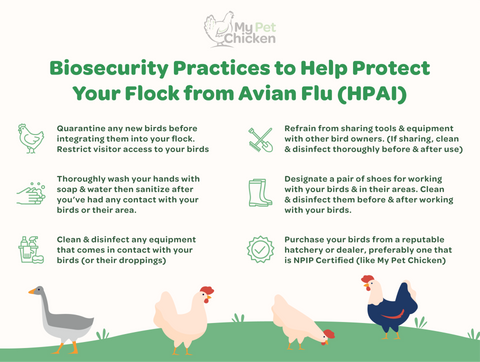
Credit: www.mypetchicken.com
Frequently Asked Questions
What Are The Initial Symptoms Of Bird Flu At Home?
Early symptoms include fever, cough, sore throat, and muscle aches. Watch for breathing difficulties and fatigue. Identifying symptoms early helps in timely care.
Can Bird Flu Be Treated Without Hospital Visits?
Mild cases may be managed at home with rest, fluids, and prescribed antiviral medications. Always consult a healthcare provider first.
How To Prevent Bird Flu Spreading In The Household?
Isolate the infected person, practice good hand hygiene, and disinfect surfaces regularly. Avoid sharing personal items to reduce transmission risk.
What Home Remedies Help Relieve Bird Flu Symptoms?
Use warm fluids, humidifiers, and rest to ease symptoms. Honey and ginger tea may soothe sore throats naturally.
Conclusion
Treating bird flu at home requires care and attention. Rest well and drink plenty of fluids. Keep your environment clean and avoid contact with others. Use medicines only as advised by a doctor. Watch for signs that need medical help.
Staying calm helps your body heal faster. Protect yourself and those around you. Simple steps can make a big difference. Stay safe and healthy every day.




