
Have you ever wanted to bring more life and color to your garden? Making your own bird feeder is a simple way to attract beautiful birds right to your backyard.
Not only will you enjoy watching them up close, but you’ll also create a safe place for them to eat. Plus, building a bird feeder yourself is fun, affordable, and rewarding. Keep reading, and you’ll discover easy steps to make a bird feeder that suits your style and invites nature in.
Your feathered friends are waiting!
Choosing The Right Materials
Choosing the right materials is key to making a bird feeder that lasts long and stays safe for birds. The materials must handle weather changes and resist damage. They also should not harm the birds in any way. This section explains how to pick safe, durable, and eco-friendly materials for your bird feeder.
Selecting Safe And Durable Items
Use materials that do not have sharp edges or toxic chemicals. Wood is a popular choice. Cedar and pine are strong and weather-resistant woods. Avoid treated wood, as it can be harmful to birds. Metals like aluminum and stainless steel also work well. They resist rust and last for years.
Plastic can be used but choose thick, high-quality types. Thin plastic can break quickly and hurt birds. Glass is less common because it can break easily. Always smooth rough surfaces to avoid bird injuries.
Eco-friendly Material Options
Eco-friendly materials protect nature and help birds stay healthy. Bamboo is a great option. It grows fast and is very strong. Recycled wood or metal also reduces waste. You can reuse old materials like wooden crates or tin cans.
Avoid plastics that do not break down easily. Natural fibers like jute or cotton can be used for hanging parts. These materials biodegrade and cause less pollution. Choosing eco-friendly items supports a cleaner environment for birds and people alike.
Credit: m.youtube.com
Simple Bird Feeder Designs
Simple bird feeder designs let you welcome feathered friends without needing fancy tools or materials. You can create feeders that attract different birds while adding charm to your garden or balcony. The best part? These designs are easy to build and customize to fit your space and style.
Bottle Feeders
Plastic bottles make excellent bird feeders because they’re lightweight and easy to modify. Cut small holes near the bottom and insert wooden spoons or sticks as perches. Fill the bottle with birdseed and hang it from a tree branch or hook.
These feeders are great for watching birds up close, and you can quickly refill them when empty. Have you tried adding a small roof made from cardboard to keep seeds dry?
Wooden Feeders
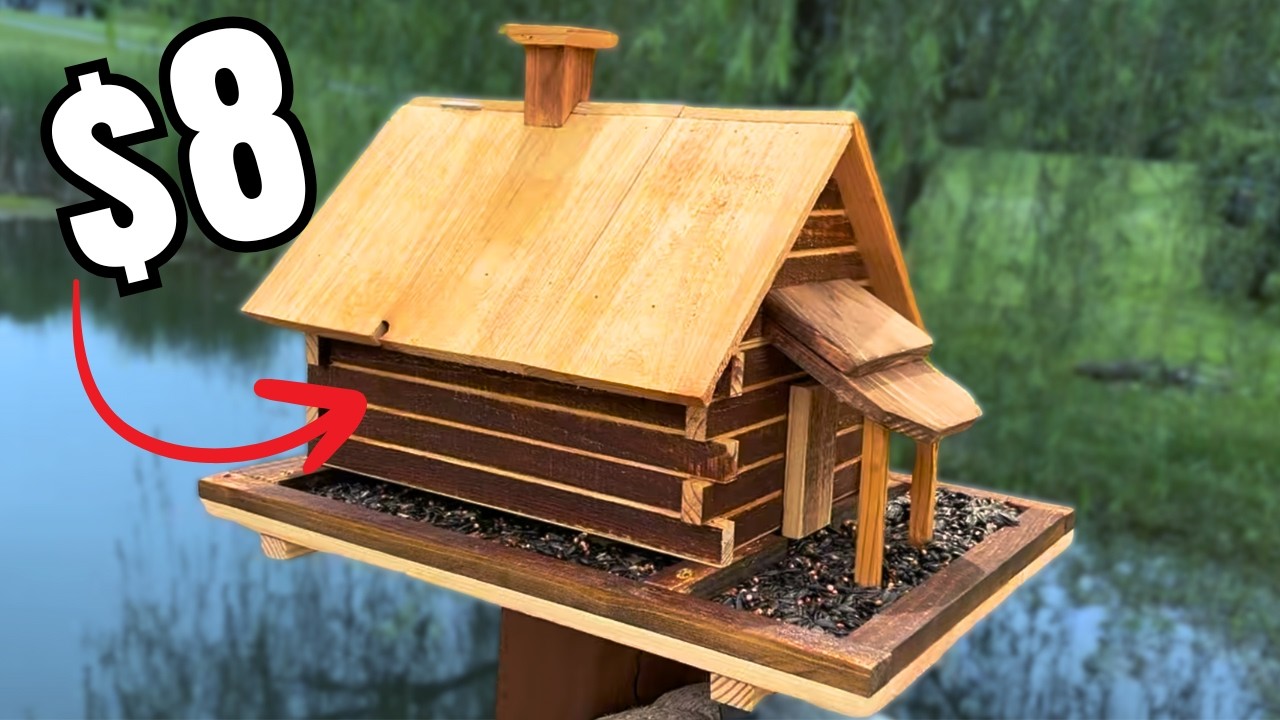
Wooden feeders offer durability and a natural look that birds seem to prefer. You can build a simple tray-style feeder with a flat base and raised edges to hold seeds. Adding a slanted roof helps protect the food from rain.
Using untreated wood is important for bird safety. If you enjoy woodworking, carving a few decorative touches makes your feeder unique and inviting. Which wood type do you think would last longest outdoors?
Recycled Containers
Old containers like yogurt cups, tin cans, or milk cartons can be turned into clever feeders. Cut openings where birds can access the food and punch holes to hang or attach perches. Painting or decorating these containers can brighten up your feeding station.
Recycling not only saves money but also reduces waste. Next time you throw something away, ask yourself if it could become a bird feeder instead. What everyday item could you transform into a new home for your local birds?
Step-by-step Building Process
Building a bird feeder is a fun and rewarding project. The process is simple and suitable for beginners. Follow the steps carefully to create a feeder that birds will love.
Gathering Tools And Supplies
Start by collecting all necessary tools and materials. You will need:
- Wooden boards or recycled materials
- Hammer and nails or screws and screwdriver
- Measuring tape
- Sandpaper
- Paint or wood sealant (optional)
- String or wire for hanging
- Drill (optional for holes)
Make sure all tools are clean and in good condition. Choose materials that are safe for birds.
Assembling The Feeder
Cut the wooden pieces to the desired size. A simple design includes a base, roof, and sides. Use nails or screws to join the pieces securely. Sand all rough edges to protect birds from splinters.
Drill small holes for drainage and air circulation. Attach the roof firmly to keep the seeds dry. Check the feeder’s stability by gently shaking it.
Finishing Touches
Apply non-toxic paint or sealant to protect the feeder from weather. Let it dry completely before use. Attach string or wire to hang the feeder from a tree or hook. Fill it with fresh birdseed and place it in a safe, visible spot.
Best Locations For Placement
Choosing the right spot for your bird feeder is important. It affects how often birds visit and how safe they feel. The best locations offer safety and good views. This helps you enjoy watching the birds while keeping them protected.
Safe Spots For Birds
Birds need places where they feel safe from predators. Place feeders near bushes or trees. These provide quick shelter if danger appears. Avoid spots near windows to prevent bird collisions. Keep feeders away from areas with heavy foot traffic. This helps reduce stress for visiting birds.
Visibility For Enjoyment
Pick a spot where you can easily see the feeder. Near a window or patio works well. This lets you watch birds without disturbing them. Make sure the feeder is not hidden behind thick branches. Clear views attract more birds and make feeding time fun. Good lighting also helps you see colors and details better.
Choosing Bird Food
Choosing the right bird food is key to attracting a variety of birds to your feeder. Different birds prefer different types of food, so knowing what to offer can make your feeder a popular spot. Your choice of food also impacts how often you need to refill and how healthy the visiting birds will be.
Seeds And Mixes
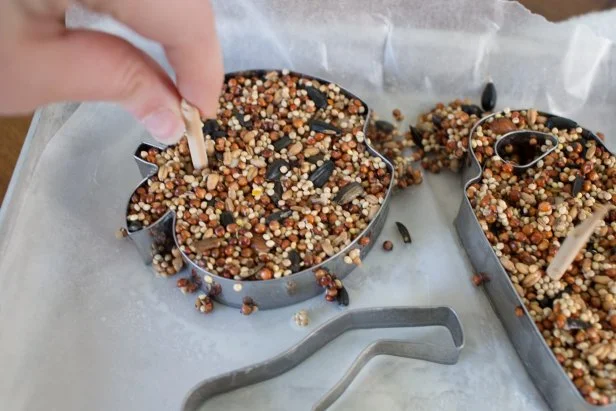
Black oil sunflower seeds are a favorite for many birds because they are high in fat and easy to crack open. You’ll often see cardinals, chickadees, and finches enjoying them. Offering a mix that includes millet, cracked corn, and safflower seeds can attract a wider range of birds.
Be careful with mixes that contain filler seeds like red millet or wheat. These often go uneaten and can attract unwanted pests. Try to choose high-quality mixes or customize your own blend based on which birds visit your area.
Seasonal Food Tips
Birds’ nutritional needs change with the seasons, so your food choices should too. In winter, high-fat foods like suet or sunflower seeds help birds maintain energy and stay warm. During spring and summer, offering fresh fruits, mealworms, or nectar can support breeding and feeding young.
Have you noticed certain birds only visit during specific months? Adjusting your feeder’s offerings to match seasonal preferences can keep your feeder busy year-round. Try adding chopped apples or oranges in warmer months to attract orioles and tanagers.
Credit: www.foodnetwork.com
Maintaining Your Feeder
Create a sturdy bird feeder with basic materials like wood or plastic bottles. Ensure it’s easy to clean and refill. Place it in a safe spot to attract colorful birds to your garden.
Maintaining Your Feeder Ensuring your bird feeder is in top-notch condition is crucial for the health and safety of your feathered visitors. A neglected feeder can become a breeding ground for bacteria and pests, deterring birds from visiting. By dedicating a little time to upkeep, you can provide a safe haven for your backyard birds and enjoy their lively presence every day.Cleaning Routine
Regular cleaning is essential to keep your bird feeder in great shape. Aim to clean your feeder every two weeks, or more frequently during wet weather when mold can develop rapidly. Use a mild solution of water and white vinegar, which effectively disinfects without harming birds. Dismantle the feeder and scrub each part thoroughly with a brush. Rinse each piece well to ensure no residue is left that could be harmful to birds. Allow the feeder to dry completely before refilling it with fresh seeds.Preventing Pests
Pests such as squirrels and rodents can be a major nuisance at your bird feeder. Consider using a feeder with a baffle or weight-sensitive perch to deter these intruders. You might also place your feeder on a pole away from trees and fences to make it harder for pests to reach. Adding cayenne pepper to birdseed is another effective method, as birds are not affected by the spice, but pests find it unpleasant. Are you willing to try this spicy trick to keep your feeder safe? A little creativity goes a long way in maintaining a welcoming space for birds while keeping unwanted guests at bay.
Credit: www.firefliesandmudpies.com
Frequently Asked Questions
What Materials Do I Need To Make A Bird Feeder?
You need basic materials like wood or plastic, nails or screws, glue, paint, and birdseed. Some feeders also use recycled items like bottles or jars. Choose safe, weather-resistant materials for durability. Simple tools like a hammer and screwdriver are essential.
How Do I Attract Birds To My Homemade Feeder?
Use fresh birdseed suited to local bird species. Place the feeder in a quiet, visible spot near trees or shrubs. Keep the feeder clean to prevent disease. Adding water nearby increases attraction. Avoid using pesticides or chemicals near the feeder.
How Often Should I Clean My Bird Feeder?
Clean your bird feeder every two weeks or more often in wet weather. Use warm water and mild soap to remove mold and bacteria. Rinse thoroughly and dry before refilling. Regular cleaning prevents disease and keeps birds healthy.
Can I Make A Bird Feeder Without Woodworking Skills?
Yes, you can use recycled items like plastic bottles or milk cartons. These require minimal tools and no advanced skills. Simply cut openings, add perches, and fill with seed. Many easy DIY tutorials are available online for beginners.
Conclusion
Making a bird feeder is simple and fun. It brings birds close to your home. You can use easy materials found around. Watching birds visit is a joyful experience. Feeding birds helps them in cold months. This small project connects you with nature.
Start today and enjoy the peaceful moments. Your garden will feel alive and bright. Everyone can try this and share the joy. A little effort brings big happiness.




