
Are you tired of crows stealing all the food from your bird feeder? You’re not alone.
These clever birds can quickly turn your peaceful backyard into their personal buffet. But don’t worry—there are simple, effective ways to keep crows away without harming them or your feathered friends. You’ll discover easy tips that work, helping you protect your bird feeder and enjoy watching the smaller birds you love.
Keep reading to find out how you can take back control of your garden today.
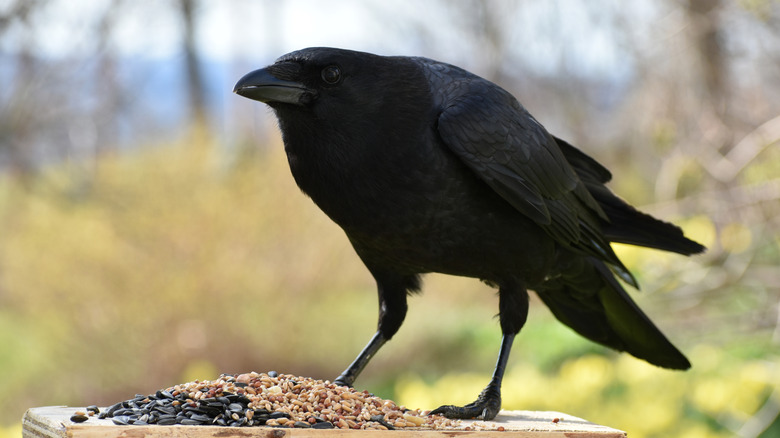
Credit: www.outdoorguide.com
Why Crows Visit Bird Feeders
Crows are smart and curious birds that often visit bird feeders. Understanding why they come to your feeder can help you find better ways to keep them away. They are attracted by more than just food; their visits are driven by instinct, opportunity, and sometimes even social behavior.
Food Availability And Variety
Crows are opportunistic feeders, which means they eat whatever is easy to find. If your bird feeder offers seeds, nuts, or fruit, crows see it as a convenient food source. Unlike smaller birds, crows can handle larger and tougher foods, so they often go for whatever is left behind or spilled around the feeder.
Curiosity And Intelligence
Crows are incredibly intelligent and curious animals. They explore new objects and places, so a bird feeder in your yard naturally attracts their attention. Their problem-solving skills allow them to figure out how to access food that might seem difficult to other birds.
Social Behavior And Communication
Crows are social creatures and often visit feeders in groups. When one crow finds a good food source, it calls others to join. This behavior means that once a single crow discovers your feeder, you might soon see a whole group showing up.
Safety And Familiarity
Bird feeders located near trees or safe hiding spots appeal to crows. They prefer places where they can quickly retreat if threatened. Your feeder becomes a reliable stop if it offers food and a safe environment.
Have you noticed crows watching your feeder from a distance before swooping in? Their cautious approach helps them avoid danger and increases their chances of getting food. Understanding this can guide you in making your feeder less attractive to them.
Choosing Crow-resistant Feeders
Choosing the right bird feeder can help keep crows away effectively. Crows are smart and often take over feeders meant for smaller birds. Selecting feeders designed to discourage crows lets smaller birds eat peacefully. These feeders use size, shape, and materials that crows find difficult or unappealing.
Types Of Feeders That Discourage Crows
- Tube feeders with small feeding ports limit access to large birds.
- Weight-sensitive feeders close access when heavy birds land.
- Hopper feeders with small perches make it hard for crows to perch.
- Seed trays with wire cages allow only small birds inside.
Materials And Designs To Consider
Metal feeders are sturdy and harder for crows to damage. Clear plastic feeders let you see the seed, attracting smaller birds. Avoid feeders with large open trays or wide perches. Choose feeders with narrow ports and small openings.
Look for feeders with smooth surfaces that crows cannot grip. Designs with spikes or guards keep crows away from perching. Bright colors can attract smaller birds but often deter crows. A well-chosen feeder reduces crow visits and protects your seed supply.
Feeder Placement Strategies
Place feeders away from open spaces where crows can easily spot them. Use multiple small feeders instead of one large feeder to reduce crow visits. Hiding feeders near shrubs or trees helps keep crows at a distance.
Placing a bird feeder in the right spot is crucial if you want to enjoy the company of smaller birds without the unwelcome intrusion of crows. Effective placement can make all the difference, turning your garden into a haven for finches and sparrows. Let’s dive into some strategic ideas to keep those clever crows at bay.Optimal Height And Location
Positioning your feeder at the right height can be a game-changer. Ideally, place it high enough to deter crows but within reach for smaller birds. A height of about 5 to 6 feet is often recommended. Consider areas that are naturally less attractive to crows. Placing feeders near dense shrubbery or trees can provide a sense of security for smaller birds. Crows, on the other hand, prefer open spaces where they can easily spot potential threats.Using Physical Barriers
Physical barriers are an excellent way to protect your feeder from crows. Try using baffles or domes above or below the feeder to block crows from reaching the food. These devices can be easily found online or at local garden centers. Think about using a cage-style feeder designed to allow only small birds access. The mesh should be small enough to keep larger birds out while letting smaller ones in. Have you ever noticed how crows seem to be one step ahead? Creating an obstacle course of sorts around your feeder can be a fun challenge. Use thin branches or wires that make it tricky for larger birds to maneuver.Feeding Techniques To Avoid Crows
Keeping crows away from your bird feeder requires smart feeding techniques. Crows are intelligent and often dominate feeders, scaring smaller birds away. Adjusting what and when you feed can help reduce crow visits. These steps protect your feeder for smaller birds.
Selecting Bird Food That Crows Dislike
Choose foods that crows find unappealing. Smaller seeds like nyjer and safflower are less attractive to crows. Avoid large, oily seeds like sunflower, which crows love. Mix birdseed with spicy pepper flakes. Birds do not mind the heat, but crows avoid it.
Use feeders designed for small birds. Tube feeders with small ports limit crow access. Avoid platform feeders that allow easy crow landing. This simple switch helps keep crows at bay.
Timing Your Feeding Schedule
Feed birds during early morning hours. Crows tend to visit later in the day. Remove feeders by late afternoon to prevent crow gatherings. Regularly cleaning up spilled seeds helps reduce crow interest.
Keep a consistent feeding routine. Birds learn when food appears and arrive promptly. Crows may give up if they find no food during their usual visits. This timing tactic encourages smaller birds to feed peacefully.
Natural Deterrents For Crows
Crows are intelligent and persistent, making them tough visitors to your bird feeder. Natural deterrents offer a humane way to keep these clever birds at bay without harming them. Using simple, eco-friendly tools can protect your feeder and still allow smaller birds to enjoy the seeds.
Visual Deterrents Like Decoys And Reflectors
Crows rely heavily on sight, so visual deterrents can be very effective. Placing decoys of predator birds like owls or hawks near your feeder can make crows think twice before landing. The key is to move these decoys regularly; crows quickly learn when a threat is fake if it never changes position.
Reflective objects also catch crows’ attention and scare them away. Hanging old CDs, aluminum foil strips, or specially made reflective tape near your feeder creates flashing lights that confuse and deter crows. Have you ever noticed how sudden bright flashes make birds fly off quickly? That’s the exact reaction you want.
Sound-based Repellents
Crows are sensitive to certain sounds, especially those mimicking distress calls or predator noises. You can use recordings of crow distress calls or hawk cries played intermittently near your feeder. This auditory trick makes crows feel unsafe and encourages them to leave.
However, it’s important not to play sounds constantly, as crows may get used to them over time. Try varying the timing and volume to keep the effect strong. Have you tried this approach before? It can be surprising how quickly crows respond to unexpected sounds.
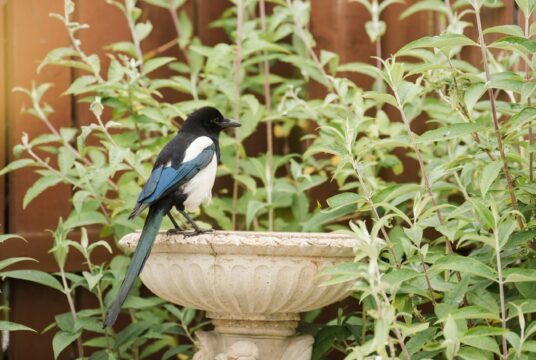
Credit: shegrowsveg.com
Behavioral Methods To Discourage Crows
Behavioral methods offer a natural and effective way to discourage crows from dominating your bird feeder. These strategies rely on altering crow behavior through consistent interaction and training rather than using physical barriers or chemicals. Understanding how crows think and respond to their environment can help you design simple yet powerful tactics to keep them at bay.
Consistent Human Presence
Crows are intelligent birds that quickly learn which areas are safe and which are risky. Your regular presence near the feeder signals to them that the spot is not entirely safe. This can make them hesitate or avoid landing altogether.
Try spending a few minutes each day near your feeder, especially during peak crow feeding times. You don’t need to do much—simply sitting or standing nearby while reading or sipping coffee can be enough. Over time, crows will associate your presence with potential disturbance and may look for quieter spots.
Have you noticed how animals often avoid places where humans frequently appear? You can use this natural tendency to your advantage. Just make sure your presence is consistent enough to establish a pattern they recognize.
Training Crows Away
Crows are quick learners and can be trained using positive and negative reinforcement. You can start by gently scaring them away whenever they approach your feeder. This could be through clapping your hands, waving a stick, or using a noise maker.
It’s important to be consistent and patient. Each time a crow visits, respond with the same deterrent. Eventually, they will connect the feeder area with an unpleasant experience and think twice before coming back.
You can also reward crows for staying away by providing food sources in a different area. This redirects their attention and reduces competition at your feeder. Have you tried setting up a separate feeding station far from your main feeder to train crows indirectly?
Maintaining A Crow-free Feeding Area
Keeping crows away from your bird feeder is not a one-time task. It requires ongoing effort to maintain a crow-free feeding area. By staying vigilant and adapting your approach, you can enjoy watching smaller birds without the disruption caused by crows.
Regular Cleaning And Maintenance
Cleaning your bird feeder regularly removes leftover seeds and debris that attract crows. Crows are smart and will return if they find easy food sources. Wash the feeder with soap and water at least once a week to keep it fresh and less appealing to crows.
Also, check for spilled seeds around the feeder. These can create a feeding ground for crows on the ground. Sweep or rake the area often to eliminate this hidden invitation.
Monitoring And Adjusting Strategies
Watch how crows react to your feeder over time. Are they finding new ways to get food? If yes, it’s time to change your tactics. You might need to switch feeders, use different seed types, or add deterrents like reflective tape or noise devices.
Consider changing the feeder’s location if crows keep coming back. Moving it to a spot that’s harder for crows to access but still visible to smaller birds can make a big difference. Are you ready to adapt your setup as the situation changes?

Credit: www.youtube.com
Frequently Asked Questions
How Can I Prevent Crows From Eating Bird Feeder Food?
Use feeders designed for small birds and place them in open areas. Cover seeds with wire mesh or use weight-sensitive feeders that close when large birds land. Regularly clean spilled seeds to avoid attracting crows.
What Types Of Bird Feeders Keep Crows Away?
Tube feeders with small perches or hopper feeders with weight limits discourage crows. Avoid platform feeders, as they offer easy access. Choose feeders that close under heavy weight or have crows’ deterrents like spikes.
Does Using Scare Devices Help Keep Crows Away?
Yes, visual scare devices like shiny objects, reflective tape, or predator decoys can deter crows. Move these devices regularly to prevent crows from getting used to them. Combining scare tactics with feeder modifications is most effective.
How Does Seed Choice Affect Crow Visits?
Crows prefer large seeds like corn and sunflower. Use smaller seeds such as nyjer or millet to attract smaller birds and discourage crows. Avoid leaving spilled seeds on the ground to reduce attraction.
Conclusion
Keeping crows away from your bird feeder takes patience and effort. Use simple tricks like adding baffles or moving the feeder. Change feeding times to confuse crows. Try different seeds that crows don’t like. Watch your feeder often and adjust as needed.
Protecting small birds is worth the work. Enjoy peaceful birdwatching without crow disturbances. Small steps bring great results. Stay consistent and your feeder will attract the birds you want.




