
Are big birds taking over your feeders and scaring away the smaller ones you want to enjoy? You’re not alone.
It can be frustrating to watch your favorite little birds pushed aside by noisy, hungry giants. But don’t worry—there are simple, effective ways you can keep those big birds away without harming them. You’ll discover easy tips and tricks that work, so your feeders become a safe haven for all the birds you love.
Keep reading, and you’ll soon have the peaceful birdwatching experience you deserve.

Credit: www.birdfeederco.com
Why Big Birds Visit Feeders
Big birds often become regular visitors at your feeders, and understanding why they come is key to managing their presence. Their visits aren’t random; they are driven by specific needs and environmental factors. Knowing what attracts these large visitors can help you adjust your feeding strategy effectively.
Common Large Bird Species
Several large bird species frequently show up at feeders, and each has unique habits. You might notice:
- Blue Jays:Known for their bold behavior and noisy presence.
- Starlings:Often come in large groups and can dominate feeders.
- Crows:Intelligent and opportunistic, they are quick to find food sources.
- Woodpeckers:Larger types like the Pileated Woodpecker enjoy feeders with suet.
Recognizing these species helps you tailor your approach to discourage or accommodate them.
Attraction Factors
Big birds are drawn to feeders for several reasons. First, the availability of food plays the biggest role. High-calorie seeds like sunflower seeds and suet are especially tempting.
Another factor is feeder design and placement. Open feeders or those placed near trees provide easy access and shelter, making them more appealing to large birds.
Have you noticed that feeders located near busy areas attract fewer big birds? This happens because large birds prefer quieter spots where they feel safe while eating.
Considering these factors, you can experiment with seed types and feeder locations to control which birds visit your feeders. What changes could you make today to balance your backyard bird visitors?
Credit: www.michiganaudubon.org
Choosing The Right Feeder
Choosing the right feeder is a crucial step in keeping big birds away from your feeders. The size and design you select can make a big difference in which birds visit your yard. Small feeders with thoughtful design can help you attract the birds you want while discouraging the larger, more aggressive visitors.
Size And Design Considerations
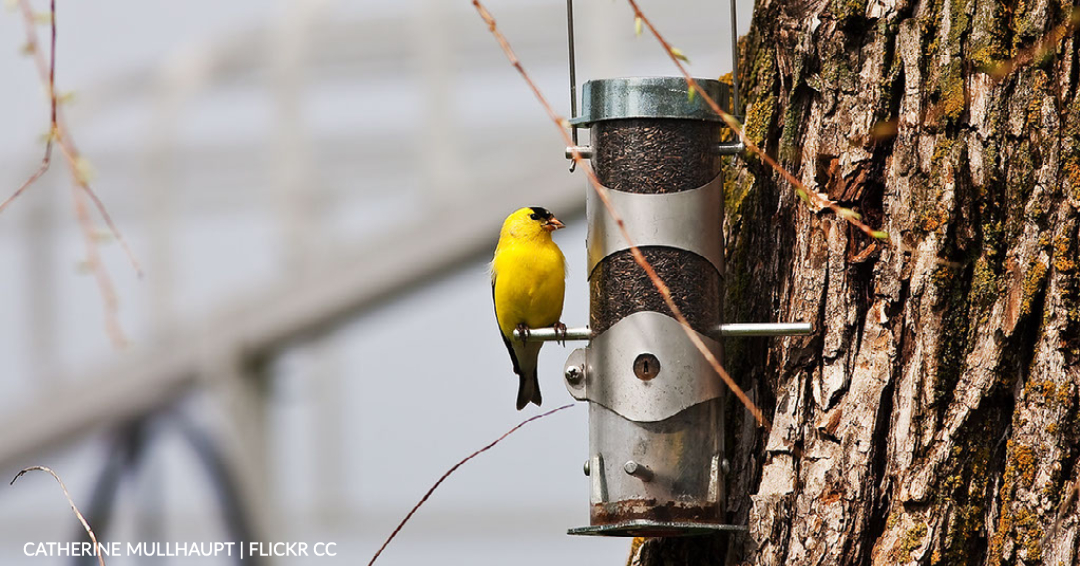
Small feeders naturally limit the space available for big birds to perch and feed. Look for feeders with narrow perches or small feeding ports that only small birds can access comfortably.
Feeders that hang or sway easily can also deter larger birds, as they prefer stable surfaces. Have you noticed how woodpeckers or finches prefer feeders that are a bit challenging to land on? That’s no accident.
Also, consider feeders with weight-sensitive perches. These close access when a heavy bird lands, which is a smart way to keep out the bigger birds without scaring away the smaller ones.
Materials That Deter Big Birds
Some materials naturally discourage big birds because of their texture or temperature. Metal feeders, for example, can become slippery or uncomfortable for large birds to grip.
Clear plastic or glass feeders can confuse bigger birds, making them less likely to settle. Avoid rough or snag-friendly surfaces that give big birds an easy hold.
Think about your own experience touching different surfaces—would you prefer standing on a smooth, slick surface or something stable and rough? Big birds think the same way.
Placement Strategies
Placement strategies play a crucial role in keeping big birds away from feeders. By adjusting where and how you place your feeders, you can create an environment that favors smaller birds and discourages larger ones. Let’s look at how height, location, and natural barriers can make a difference.
Optimal Height And Location
Position your feeders at a height that’s challenging for big birds to reach but still accessible to smaller ones. Typically, placing feeders around 5 to 6 feet off the ground works well. This height keeps ground-feeding large birds away while allowing smaller birds to feed comfortably.
Location matters just as much as height. Avoid placing feeders near open spaces where big birds like crows or pigeons can easily land and take over. Instead, choose spots closer to shrubs or trees that provide quick cover for small birds but make it harder for larger birds to perch.
Using Natural Barriers
Natural barriers such as dense bushes, thorny plants, or tall grasses can act as protective shields around your feeders. These barriers limit the approach of big birds without blocking smaller birds’ access. Try planting hawthorn or holly near feeders to create a natural obstacle.
Have you noticed how smaller birds prefer feeders surrounded by cover? It’s because they feel safer from predators and aggressive big birds. Adding these natural elements changes the dynamics at your feeder, giving small birds a better chance to feed undisturbed.
Feeding Techniques
Big birds can scare smaller ones away from feeders. Using feeders with smaller openings or placing food in hanging containers helps keep big birds out. Changing feeding times can also reduce visits from large birds.
Feeding Techniques Creating a bird-friendly backyard while keeping big birds away from your feeders can be a delightful challenge. Proper feeding techniques can make all the difference. With a few strategic choices, you can ensure your feathered friends enjoy their meals in peace.Selective Food Choices
Choosing the right type of bird food can deter larger birds. Opt for seeds that smaller birds love but big birds tend to avoid. For example, nyjer seeds, safflower seeds, and shelled peanuts can be great options. Think about adding a variety of seeds to cater to your preferred visitors. Experiment and observe which seeds attract the birds you want. Your local wildlife store may also offer blends specifically designed for smaller birds.Timed Feeding
Consider scheduling your feeding times to minimize big bird visits. By placing food out at specific times, you can attract smaller birds during their peak feeding hours. Early morning or late afternoon are often ideal. Timed feeding can also help you manage the amount of food available, preventing waste. You might find it interesting to note patterns in bird visits. This approach can make your backyard a more welcoming place for your desired guests. Employing these feeding techniques can transform your birdwatching experience. Have you tried different methods to keep big birds away? Share your experiences in the comments below!Physical Deterrents
Physical deterrents offer a hands-on way to keep big birds away from your feeders without harming them. These tools create barriers or distractions that make your feeding area less appealing to larger birds. You can tailor these deterrents to fit your space and the types of birds visiting your yard.
Netting And Screens
Netting acts as a physical barrier that blocks big birds from reaching the feeders. You can drape bird netting over the feeder area or use mesh screens around it. This method is highly effective because it lets small birds through while keeping the larger ones out.
Choose a net with small enough holes to exclude the bigger species but large enough for smaller birds to pass comfortably. Installing screens around feeders can also help, especially if you create a narrow entry point only accessible to smaller birds. Have you ever noticed how a simple mesh can drastically reduce unwanted visitors?
Scare Devices
Scare devices are designed to frighten big birds and discourage them from coming close. Reflective tape, shiny pinwheels, or even predator decoys like owls can create enough disturbance to keep large birds away.
Try moving these devices regularly to prevent birds from getting used to them. I once placed reflective tape near my feeder and saw a quick drop in crow visits within days. Could adding movement or sound to these devices make your deterrents even more effective?
Behavioral Methods
Placing visual scare devices near feeders can discourage big birds from landing. Changing feeder locations often also helps keep them away.
Behavioral Methods can be a game-changer in your quest to keep big birds away from your feeders. While gadgets and deterrents can play a role, understanding and influencing bird behavior offers a natural solution. By observing and modifying their habits, you can create a harmonious environment where smaller birds thrive.Training And Conditioning
Training birds might sound like a task reserved for professionals, but it’s more achievable than you think. Birds, like many animals, can be conditioned to avoid certain areas. For instance, if large birds frequent your feeder, consider using a harmless deterrent like a water spray. Consistency is key. Each time a large bird approaches, use the spray. Over time, they’ll associate the area with the disturbance and seek food elsewhere. This method relies on patience and persistence, but the results can be very rewarding.Using Companion Birds
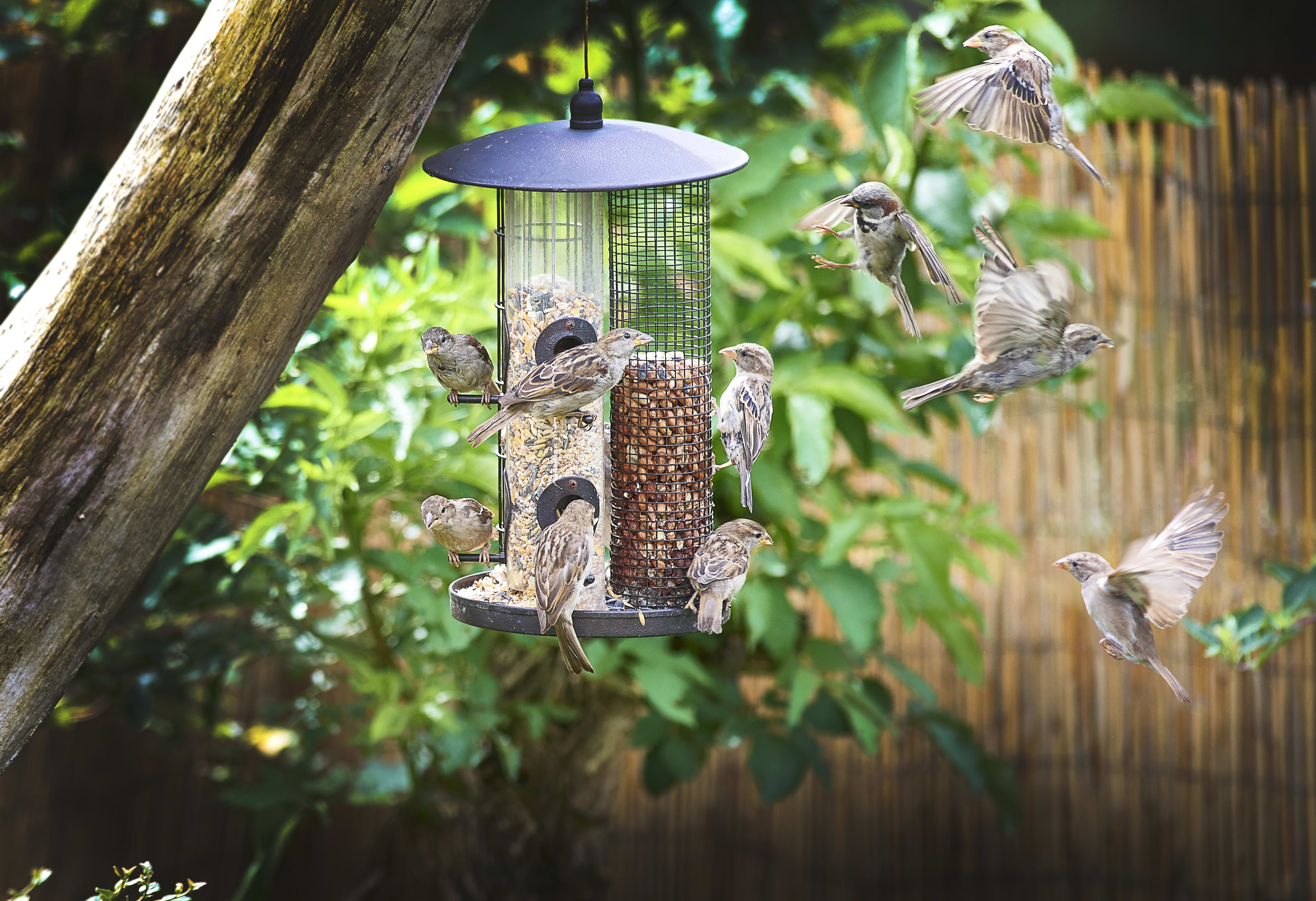
Did you know that some bird species can deter others simply by their presence? Smaller birds, when present in numbers, can intimidate larger birds. By encouraging a diverse bird community, you might naturally discourage the bigger ones. Install feeders designed specifically for smaller birds. This can attract species that stick together in flocks, creating a lively, bustling environment. As these smaller birds flock to your feeders, larger birds may decide it’s not worth the effort. Have you ever noticed how birds interact with each other? Observing their behavior can offer insights into which species can coexist peacefully. By understanding these dynamics, you can strategically enhance the appeal of your backyard to the right feathered friends.Maintenance And Monitoring
Keeping big birds away from your feeders requires ongoing effort. Maintenance and monitoring play a crucial role in ensuring your strategies remain effective over time. Consistent care helps you spot problems early and adjust your approach before the situation worsens.
Regular Cleaning
Dirty feeders attract more than just your desired birds. Old seeds and debris can encourage bigger birds to hang around longer. Clean your feeders at least once a week using warm soapy water to remove any buildup.
Regular cleaning also prevents mold, which can harm birds and reduce feeder visits. You might notice that after a good scrub, smaller birds return more frequently, while larger ones lose interest. Have you checked how often you clean your feeders lately?
Adjusting Tactics Over Time
Big birds quickly learn how to bypass common deterrents. What worked last season might not work now. Keep an eye on their behavior and be ready to change your tactics.
Try moving feeders to new spots or switching seed types. Adding baffles or using feeders designed for smaller birds can also help. Your observations guide you to what works best—don’t hesitate to experiment.
Ask yourself: Are the big birds adapting? If yes, it’s time to rethink your approach before they take over completely.
Credit: dengarden.com
Frequently Asked Questions
How Can I Prevent Big Birds From Dominating Feeders?
Use feeders designed for small birds, place weight-sensitive feeders, and install baffles. These methods limit big birds’ access and encourage smaller bird visits.
What Type Of Feeders Deter Large Birds Effectively?
Tube feeders with small perches and hopper feeders with adjustable ports work well. They restrict space and weight, preventing large birds from feeding.
Are There Natural Repellents To Keep Big Birds Away?
Yes, reflective tape, predator decoys, and noise makers can scare large birds. Rotate repellents frequently to maintain effectiveness and avoid bird habituation.
How Does Feeder Placement Affect Big Bird Visits?
Placing feeders in open areas with nearby cover deters big birds. Avoid ground-level feeding spots, which attract larger, aggressive birds.
Conclusion
Big birds can eat a lot of seed quickly. Keeping them away helps small birds get food too. Use simple tools like baffles or smaller feeders. Change feeder locations often to confuse big birds. Keep watching and adjust your methods as needed.
Small steps make a big difference in your yard. Enjoy watching a variety of birds visit safely. Your efforts create a peaceful feeding spot for all.




