
Do you want to enjoy the cheerful songs and colorful sights of birds right in your backyard? Attracting birds to your feeder is easier than you think, and it can turn your outdoor space into a lively sanctuary.
Imagine watching your favorite feathered friends up close, feeling connected to nature every day. You’ll discover simple and effective tips that will bring a variety of birds straight to your feeder. Ready to create a buzzing bird haven? Let’s dive in!
Choose The Right Feeder
Choosing the right feeder is a crucial step to attract birds to your yard. The feeder you select impacts which birds visit and how often they come back. Think about the types of birds you want to attract and your outdoor space before making a choice.
Types Of Bird Feeders
There are many types of bird feeders, each designed to appeal to different bird species.
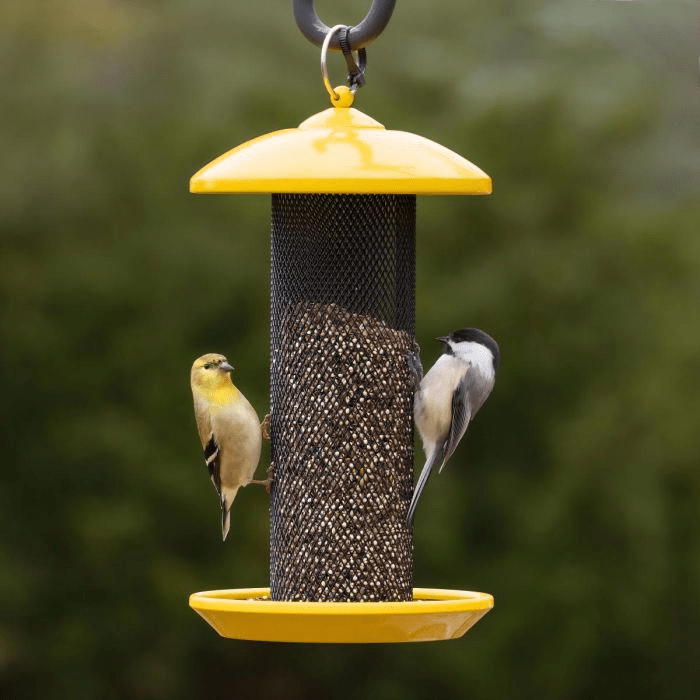
- Tube feeders:Great for small songbirds like finches and chickadees. They hold seeds in multiple compartments and keep seeds dry.
- Platform feeders:Open trays that attract a wide variety of birds, including larger ones like cardinals and jays. They are easy to clean but can expose seeds to rain.
- Hopper feeders:These feeders look like small houses and can hold a large amount of seed. They attract many types of birds and protect seeds from weather.
- Suet feeders:Designed for woodpeckers and nuthatches, these hold suet cakes, a high-energy food especially good in winter.
Choosing the right type depends on what birds you want to see and how much maintenance you want to do.
Materials And Durability
Feeder materials affect durability and ease of cleaning. Plastic feeders are affordable but can crack in cold weather. Metal feeders last longer and resist squirrels better, but may be heavier.
Wood feeders blend well with nature but need regular cleaning to prevent mold. Consider feeders with removable parts for easy washing. A dirty feeder can turn birds away, so pick one that you can clean often without hassle.
Placement Tips
Where you place your feeder matters as much as the feeder itself. Position it near trees or shrubs to give birds quick access to cover from predators. But avoid placing it too close to windows to prevent collisions.
Think about sun exposure—morning sun helps dry dew and reduces mold growth on seeds. Also, place feeders at a height that makes refilling easy for you but safe for birds from cats and squirrels.
Have you noticed how some spots attract more birds than others? Try moving your feeder if visits are low. Small changes in location can make a big difference in your bird-watching experience.
Select Suitable Bird Food
Selecting the right food plays a key role in attracting birds to your feeder. Different birds prefer different seeds and treats. Offering suitable options helps bring a variety of birds to your yard. It also keeps them healthy and happy. Choosing the right food requires some knowledge of bird diets and habits.
Popular Seeds For Different Birds
Sunflower seeds attract many types of birds. Black oil sunflower seeds are especially popular. They have thin shells and high fat content. Finches, chickadees, and cardinals love them.
Nyjer seeds are tiny and favored by finches like goldfinches and siskins. These seeds need special feeders with small holes.
Millet is great for ground-feeding birds such as sparrows, doves, and juncos. White proso millet is a common choice.
Safflower seeds attract cardinals and grosbeaks. Many birds avoid them, so they reduce unwanted visitors.
Using Suet And Nectar
Suet is a high-energy food made from animal fat. It is perfect for woodpeckers, nuthatches, and wrens. Suet cakes can contain seeds, nuts, or fruit.
Nectar attracts hummingbirds and orioles. Use feeders designed for nectar. Make your own by mixing four parts water to one part white sugar. Boil and cool before filling feeders.
Avoiding Harmful Foods
Avoid bread, salty snacks, and processed foods. These can harm birds’ health and cause malnutrition. Do not offer moldy or old seeds. They can spread disease.
Never feed birds chocolate, caffeine, or anything with artificial sweeteners. These substances are toxic to birds.
Create A Bird-friendly Environment
Creating a bird-friendly environment is key to attracting birds to your feeder. Birds need more than food; they seek water, shelter, and safety. A welcoming space encourages them to visit often and stay longer.
Providing Water Sources
Birds need fresh water for drinking and bathing. Place a shallow birdbath near your feeder. Change the water daily to keep it clean. Moving water, like a small fountain, attracts more birds. Water helps birds stay healthy and active.
Adding Natural Shelter
Birds feel safe with places to hide and rest. Plant shrubs or small trees around the feeder. Dense leaves and branches provide cover from weather and predators. Nesting boxes also offer safe homes. Natural shelter makes birds comfortable and confident.
Avoiding Predators
Keep your feeder safe from cats and other threats. Place feeders away from low bushes where predators hide. Use baffles on poles to stop climbing animals. Clear the ground beneath feeders to spot danger quickly. A safe space invites more birds to visit.

Credit: happygardens.com
Maintain Your Feeder Properly
Keep your feeder clean and filled with fresh seeds to invite more birds. Check it regularly to prevent mold and pests. A well-maintained feeder stays attractive and safe for visiting birds.
Attracting birds to your feeder can be a rewarding experience, but to keep them coming back, maintaining your feeder properly is essential. A well-maintained feeder ensures the health and safety of visiting birds while enhancing their feeding experience. Let’s dive into how you can keep your feeder in top-notch condition.Cleaning Frequency
Regular cleaning is crucial. Aim to clean your feeder once every two weeks. If you notice any signs of mold or spoilage, clean it immediately. Use a mix of hot water and mild soap, scrub thoroughly, and rinse well. This prevents the spread of diseases among birds and keeps your feeder inviting.Preventing Mold And Spoilage
Moisture is the enemy. Choose feeders with proper drainage holes to prevent water accumulation. Place your feeder in a spot that receives some sunlight to help keep it dry. Consider rotating the feed stock so the older seed gets used first, reducing the risk of spoilage. Have you noticed any moldy seeds lately? It’s time for a thorough check.Refilling Strategies
Refill your feeder regularly but avoid overfilling. Too much seed can lead to waste and spoilage. Keep an eye on how quickly the birds consume the seed and adjust accordingly. Try offering a variety of seeds to attract different species, but ensure each type is fresh. Are you offering the right mix for your feathered friends? Adjusting your strategy can make all the difference. By maintaining your feeder properly, you’re not just attracting birds; you’re creating a safe and inviting space for them. What small change will you make today to improve your bird-feeding setup?Attract Specific Bird Species
Attracting specific bird species to your feeder can turn your backyard into a lively bird sanctuary. Each type of bird has unique preferences for food, feeder styles, and placement. Understanding these details helps you create the perfect environment to invite your favorite feathered visitors.
Tips For Hummingbirds
Hummingbirds are drawn to bright colors, especially red. Use feeders with red accents or add red ribbons nearby to catch their attention.
Fill your feeder with a simple sugar water mix—four parts water to one part sugar—avoiding any dyes or additives. Change the nectar every few days to keep it fresh and prevent mold.
Place feeders in a shady spot to keep the nectar cool. You might notice hummingbirds prefer feeders near flowers that provide natural nectar, so adding tubular blooms can boost visits.
Attracting Finches And Sparrows
Finches and sparrows enjoy small seeds. Nyjer (thistle) seed is a favorite for finches, while sparrows prefer millet and cracked corn.
Use mesh or tube feeders designed for small seeds to make it easy for these birds to feed. Finches like to feed in groups, so offering plenty of seed helps keep them coming back.
Place feeders near shrubs or trees for cover. These birds feel safer eating when they have quick access to nearby shelter.
Welcoming Woodpeckers
Woodpeckers are attracted to suet, nuts, and fruit. Suet cages hung near tree trunks work well to lure them in.
Try using feeders that mimic natural tree bark or attach suet cakes directly to a tree. Woodpeckers appreciate rough surfaces they can cling to while feeding.
Keep feeders away from busy areas to reduce stress. Woodpeckers can be shy, so patience and a quiet spot increase your chances of regular visits.
Credit: www.kingsyard.com
Seasonal Adjustments
Adjusting your bird feeder habits based on the season can make a big difference in attracting a variety of birds throughout the year. Birds have changing needs depending on the weather, food availability, and migration patterns. Tuning into these shifts helps you create a welcoming space that supports local wildlife effectively.
Feeding In Winter
Winter is the toughest season for birds. Natural food sources become scarce, so offering high-energy foods like black oil sunflower seeds or suet can give them the boost they need.
Keep your feeder clean and free of ice or snow. I once noticed more chickadees visiting after I switched to a heated feeder tray during freezing nights—small changes can make a big impact.
Spring And Summer Tips
During warmer months, birds focus on raising their young. Provide foods rich in protein such as mealworms or nectar to support this phase.
Adding fresh water sources like a shallow birdbath encourages visits. Remember to change the water frequently to avoid mosquito breeding.
Preparing For Migration
Migration seasons call for extra food and rest stops. Offer easily digestible seeds and fruits to help birds refuel quickly on their long journeys.
Consider planting native flowering plants nearby to provide natural nourishment. Have you noticed how certain birds only appear during these times? Your feeder can become a vital pit stop if you adapt your offerings.
Credit: www.youtube.com
Frequently Asked Questions
What Types Of Seeds Attract More Birds To Feeders?
Black oil sunflower seeds attract the most bird species. They have thin shells and high oil content, making them easy to eat and nutritious. Nyjer seeds attract finches, while millet appeals to ground-feeding birds like sparrows and doves.
How Can I Keep My Bird Feeder Clean And Safe?
Clean feeders every two weeks with warm soapy water. Rinse thoroughly and dry before refilling. Regular cleaning prevents mold, bacteria, and disease, ensuring birds stay healthy and visit often.
Where Should I Place My Bird Feeder For Best Results?
Place feeders near shrubs or trees for shelter and perching. Keep feeders visible but away from predators like cats. A location with partial shade helps protect seeds from spoiling quickly.
What Types Of Feeders Attract Different Bird Species?
Tube feeders attract small songbirds, while platform feeders suit larger birds. Hopper feeders hold more seed and attract many species. Suet feeders are excellent for woodpeckers and insect-eaters.
Conclusion
Attracting birds to your feeder brings joy and life to your yard. Choose the right seeds and place feeders where birds feel safe. Keep water nearby for drinking and bathing. Be patient; birds take time to visit new feeders. Watch quietly and enjoy their colorful visits.
Small changes can make a big difference. Your outdoor space will become a lively bird haven. Keep feeding and caring, and birds will come back often. Nature’s beauty is closer than you think.




