
Have you ever wondered how your car’s birds eye camera shows a complete view from above? This smart technology helps you see every angle around your vehicle, making parking and driving safer and easier.
Imagine avoiding those tricky blind spots without lifting a finger. You’ll discover exactly how birds eye cameras work on cars, and why they are becoming a must-have feature for every driver. Keep reading to find out how this clever system can change the way you drive.
Birds Eye Camera Basics
Birds eye cameras give drivers a clear view around their cars. They help avoid obstacles and park safely. These systems combine images from multiple cameras placed around the vehicle. The images merge into one seamless top-down view. This view shows the car’s surroundings as if seen from above.
What Is A Birds Eye Camera System
A birds eye camera system uses several cameras mounted on the car. Usually, these cameras are at the front, rear, and sides. They capture wide-angle views. The system stitches these views together in real time. The result is a single image showing a full 360-degree view.
This view helps drivers see blind spots easily. It also assists in tight parking spaces. The system activates automatically when parking or reversing. Some models let drivers switch to the birds eye view anytime.
Key Components Involved
- Cameras:Small wide-angle cameras placed around the car capture images.
- Image Processor:It merges images from all cameras into one view.
- Display Screen:Shows the stitched birds eye view to the driver.
- Sensors:Some systems include sensors to detect obstacles and warn the driver.
- Control Module:Manages camera operation and image processing.
These parts work together instantly. The cameras send live video to the processor. The processor creates a clear, combined image. This image appears on the screen inside the car. Drivers get a better idea of their surroundings and can park with confidence.

Credit: www.prestigeautosound.com
How The System Captures Images
The way birds eye camera systems capture images is key to how effectively they help you navigate your vehicle. These systems rely on multiple cameras placed around your car to collect visual data from different angles. The images from these cameras are then combined to create a comprehensive, real-time view of your surroundings.
Camera Placement On The Vehicle
Cameras are strategically positioned to cover every side of your car. Typically, you’ll find one mounted on the front grille, one on the rear bumper, and one under each side mirror. This setup ensures there are no blind spots directly around the vehicle.
Each camera uses a wide-angle lens to capture as much of the environment as possible. The challenge is balancing the lens’s field of view with image distortion, which manufacturers carefully manage. Have you ever noticed how some cars seem to give a clearer view around corners? That’s the result of precise camera placement and lens choice.
Image Stitching Techniques
Once the cameras capture their individual images, the system stitches them together into a single, seamless view. This process involves aligning edges and correcting distortions so the combined image looks natural and continuous.
The software uses algorithms to blend overlapping areas, removing any confusing lines or mismatched colors. This gives you a smooth, bird’s eye perspective as if you were looking down from above your car. It’s like piecing together a puzzle, where each image is a piece that fits perfectly with the others.
Would you expect that such complex image processing happens instantly? The system works in real-time, meaning you get immediate feedback whenever you move or turn. This fast processing is crucial for safety, especially in tight parking spots or busy streets.
Processing And Display
Processing and display are vital to how birds eye cameras work on cars. The camera system gathers images from multiple angles. Then, it processes these images to create a single, clear view around the vehicle. This view helps drivers see obstacles and navigate tight spaces easily. The system’s software and screen display work together to make this possible.
Software Algorithms Used
The system uses smart algorithms to stitch images from different cameras. These algorithms correct distortions and align the images perfectly. They also remove blind spots by blending views smoothly. Some algorithms add depth perception to show object distance. Noise reduction techniques improve image clarity in low light. The software updates continuously to handle new driving scenarios. This ensures a reliable and accurate birds eye view.
Screen Interface And User Experience
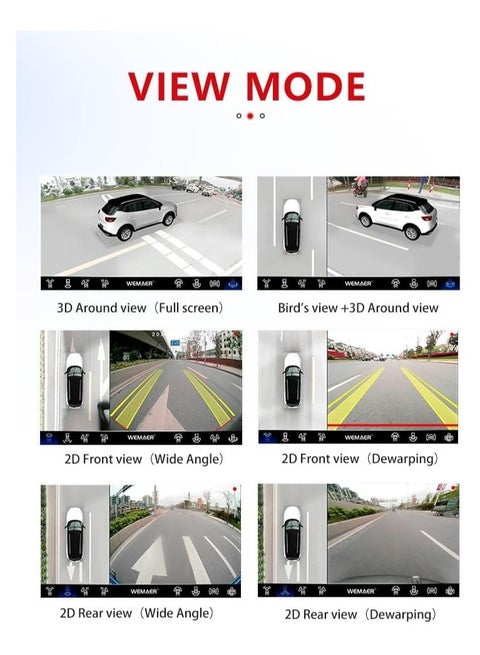
The display shows the processed image on the car’s main screen. It often offers multiple viewing modes, like front, rear, or 360-degree views. The interface is designed to be simple and easy to use. Clear icons and menus help drivers switch views quickly. Some systems show guidelines to assist with parking. The screen brightness adjusts to outdoor light for better visibility. User feedback is used to improve the interface over time.
Benefits Of Birds Eye Cameras
Birds eye cameras offer many benefits for drivers. They provide a complete view around the car. This helps reduce blind spots and prevent accidents. These cameras make driving safer and more comfortable. They are especially useful in tight spaces and busy areas.
Enhanced Parking Safety
Birds eye cameras show a clear view of the parking area. Drivers can see obstacles that are hard to spot. This reduces the chance of hitting objects or other cars. The camera helps in tight parking spots and crowded lots. It also aids in parallel parking by showing curb distance. Overall, it lowers the risk of parking accidents.
Improved Maneuverability
These cameras help drivers move the car smoothly in narrow spaces. They provide a top-down view of the surroundings. This helps avoid hitting walls, poles, or pedestrians. Drivers can make better decisions while turning or reversing. Birds eye cameras make driving in busy or small areas easier. This leads to safer and more confident driving experiences.
Challenges And Limitations
Birds eye cameras offer a wide view around the car, but they face some challenges. These issues can affect how well the system works. Understanding these limits helps users get the best from this technology.
Weather And Lighting Impact
Rain, snow, and fog can blur camera lenses. This reduces image clarity. Bright sunlight or glare can cause reflections and shadows. These lighting problems make it hard to see obstacles clearly. Low light at night also limits camera performance. Cameras may struggle to provide a clear, safe view in these conditions.
System Calibration Issues
Birds eye cameras need precise alignment to work correctly. If the system is not calibrated well, the images can be distorted. Calibration can be affected by bumps, repairs, or camera replacement. Misaligned cameras create inaccurate views that confuse drivers. Regular checks and adjustments are necessary to maintain proper function.
Installation And Maintenance Tips
Birds eye cameras on cars offer a panoramic view around the vehicle. Proper installation and maintenance ensure these cameras work efficiently. This section provides tips on installation and care to maximize performance.
Professional Vs Diy Installation
Choosing between professional and DIY installation is crucial. Professional installation guarantees expertise. Technicians have the right tools and experience. They ensure cameras are correctly positioned. This minimizes blind spots. It also prevents potential damage during setup.
DIY installation can save money. It requires basic technical skills and patience. Follow the manufacturer’s guidelines closely. Watch video tutorials for step-by-step guidance. Ensure you have all necessary tools before starting.
Routine Care For Optimal Performance
Regular maintenance keeps your birds eye camera system in top condition. Clean the camera lenses regularly. Dust and dirt can obscure the view. Use a soft cloth and mild cleaner.
Check for software updates frequently. Manufacturers often release updates to improve functionality. Update the system to enhance performance and fix bugs.
Inspect wiring and connectors for wear or damage. Replace any worn or frayed wires promptly. This prevents connectivity issues and ensures a clear view.
Future Trends In Birds Eye Technology
The future of bird’s eye technology in cars looks promising. As technology evolves, this feature is set to become smarter and more efficient. Emerging trends point to more integration with advanced systems and improved image clarity.
Integration With Autonomous Driving
Bird’s eye cameras are crucial for self-driving cars. They offer a full view around the vehicle. This helps the car make better decisions. With autonomous driving, these cameras will work with other sensors. This integration ensures safety and accuracy. Cars will handle complex traffic situations easily. This makes roads safer for everyone.
Advancements In Image Processing
Image processing technology is advancing rapidly. Bird’s eye cameras benefit from this progress. Enhanced image clarity provides better views for drivers. Algorithms improve object detection in real time. This ensures a safer driving experience. Cameras will offer clearer images even in poor light conditions. This is crucial for night driving and adverse weather.

Credit: www.amazon.com.be
Credit: www.greensafaris.com
Frequently Asked Questions
What Is A Bird’s Eye Camera On A Car?
A bird’s eye camera provides a 360-degree view around the car. It uses multiple cameras placed on the vehicle’s front, rear, and sides. The system stitches these images together for a top-down perspective. This helps drivers park safely and avoid obstacles.
How Do Bird’s Eye Cameras Improve Driving Safety?
Bird’s eye cameras eliminate blind spots around the vehicle. They offer a complete view of nearby objects and pedestrians. This reduces the risk of collisions during parking and low-speed maneuvers. Drivers get better spatial awareness, enhancing overall safety.
Where Are Bird’s Eye Cameras Installed On Cars?
Bird’s eye cameras are typically installed at the front grille, side mirrors, and rear bumper. Each camera captures a specific angle around the vehicle. The combined images create a seamless overhead view for the driver. This strategic placement maximizes visibility.
Do Bird’s Eye Cameras Work In Low Light Conditions?
Yes, many bird’s eye camera systems have night vision or infrared capabilities. These features improve image clarity in low light or darkness. They ensure the driver maintains a clear view around the vehicle at night. This boosts safety during nighttime driving.
Conclusion
Birds eye cameras give drivers a clear view around their cars. They use multiple cameras to create one wide image. This helps avoid blind spots and makes parking easier. Drivers can see obstacles that might be hard to spot. The system improves safety by showing a full 360-degree view.
It works in real time and adjusts as the car moves. Understanding how these cameras work can help you drive with more confidence. Simple technology with big benefits for everyday driving.




