
Have you ever wondered how your car seems to “see” everything around it when you’re parking or reversing? That’s all thanks to bird’s eye cameras.
These clever systems give you a clear, all-around view of your vehicle, making tricky maneuvers much easier and safer. If you want to understand how these cameras work and how they can protect your car and loved ones, keep reading.
You’ll discover the smart technology behind this helpful feature and why it’s becoming a must-have for drivers like you.

Credit: www.amazon.com.be
Basics Of Bird’s Eye Cameras
Bird’s eye cameras give you a complete view around your car, making parking and tight maneuvers much easier and safer. These systems combine images from multiple cameras to create a single, seamless overhead view. Understanding the basics helps you appreciate how this technology reduces blind spots and improves your driving confidence.
Camera Placement On Vehicles
Bird’s eye camera systems typically use four to six cameras placed strategically around your vehicle.
- One camera is mounted on the front grille or bumper to capture the front view.
- Another is positioned on the rear, often near the license plate, to cover the back.
- Side cameras sit under each side mirror to monitor the vehicle’s sides.
This setup captures every angle necessary for a full 360-degree perspective. Have you noticed how your car’s mirrors don’t always show everything? These cameras fill in those blind spots perfectly.
Types Of Cameras Used
Most bird’s eye systems use wide-angle or fisheye cameras because they capture more area than standard lenses.
These cameras have a short focal length, allowing them to see close surroundings clearly.
- Some systems use high-definition cameras for sharper images.
- Others include infrared or low-light cameras to work well at night or in poor lighting.
Choosing the right camera type impacts how clear and useful the bird’s eye view will be in different driving conditions.
Image Stitching Technology
One camera alone can’t provide a bird’s eye view. That’s where image stitching comes in.
Software combines the images from all cameras, aligning and blending them to create a smooth, overhead view.
- The system corrects distortions caused by wide-angle lenses.
- It adjusts for changes in vehicle position and surroundings in real-time.
This process happens instantly, so you get a continuous, accurate view as you move. Have you ever wondered how your car can show such a seamless image from multiple cameras? This technology is the reason.

Credit: www.prestigeautosound.com
How The System Creates A 360-degree View
The magic behind Birds Eye Cameras on cars lies in their ability to create a seamless 360-degree view around your vehicle. This system stitches together images from several cameras, giving you a complete perspective that’s hard to achieve with mirrors alone. Understanding how this works helps you appreciate the technology that can prevent accidents and make parking easier.
Combining Multiple Camera Feeds
Your car usually has four or more wide-angle cameras placed around it—front, rear, and both side mirrors. Each camera captures a different part of the environment around your vehicle. The system then combines these separate video feeds into a single, unified image.
This combination isn’t just about placing images side by side. The software corrects distortions caused by wide-angle lenses and aligns the edges, so the final view looks natural and continuous. Have you ever noticed how the corners of a fisheye lens appear curved? The system fixes that to avoid confusing visuals.
Real-time Image Processing
The system processes the camera feeds instantly using powerful onboard computers. It adjusts brightness, contrast, and color to keep the image consistent, no matter the lighting conditions. This real-time processing ensures you see a clear and accurate picture even at night or in harsh sunlight.
Besides stitching images together, the software can detect obstacles, lane markings, and parking lines, overlaying helpful guides on the screen. This means you get not just a view but also actionable insights while maneuvering your car. Have you tried parking in a tight spot with this assistance? The difference is noticeable.
Display On Car Dashboard
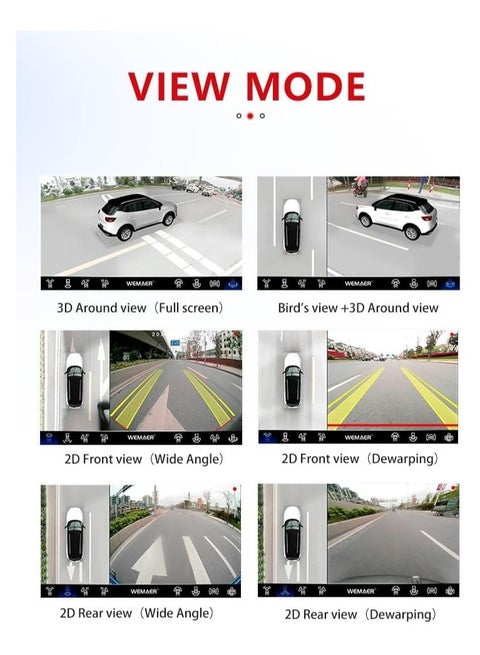
The final 360-degree image appears on your car’s dashboard screen or infotainment system. This display gives you a bird’s eye view, showing everything around your vehicle from above. You can see pedestrians, curbs, and other cars in real time without having to turn your head.
Some systems let you switch between different camera angles or zoom in on specific areas. This flexibility helps you focus on tricky spots when parking or navigating narrow roads. How often do you rely on this view to avoid scrapes or bumps?
Key Components Behind The Technology
Birds eye cameras create a complete view around a car. This helps drivers see blind spots and park safely. The system depends on several important parts working together. Each part plays a key role in delivering clear, accurate images.
Sensors And Software Integration
The system uses multiple cameras placed around the car. These sensors capture images from different angles. Software then combines these images into one seamless view. It corrects distortions and aligns edges perfectly. This integration helps drivers see a wide area clearly.
Calibration And Alignment
Calibration ensures all cameras work in harmony. It adjusts each camera’s position and angle precisely. This step is vital for accurate image stitching. Proper alignment prevents gaps and overlaps in the final view. Calibration happens during installation and after repairs.
Hardware Requirements
The system needs strong processors to handle image data fast. High-quality cameras with wide-angle lenses capture more details. Durable wiring connects cameras to the central unit securely. A clear display inside the car shows the combined image. These hardware parts ensure the system runs smoothly.
Benefits For Driving Safety
Birds Eye Cameras are transforming driving safety. They provide a 360-degree view around the car. This technology reduces risks and enhances awareness. Let’s explore its benefits.
Eliminating Blind Spots
Blind spots can cause accidents. Birds Eye Cameras eliminate these areas. Drivers get a clear view of hidden spots. This reduces the chances of collisions. Peace of mind is enhanced with comprehensive visibility.
Assisting Parking Maneuvers
Parking can be challenging. Birds Eye Cameras simplify this task. They offer a top-down view of the vehicle’s surroundings. Drivers can see obstacles and lines easily. This assistance makes parking more precise and less stressful.
Enhancing Pedestrian Detection
Pedestrian safety is vital. Birds Eye Cameras improve detection capabilities. They alert drivers to nearby pedestrians. This minimizes the risk of accidents. Drivers can respond swiftly to unexpected movements.
Common Limitations And Challenges
Birds eye cameras provide a unique view around your car, but they aren’t without their drawbacks. Understanding these common limitations can help you use this technology more effectively and avoid surprises on the road. Let’s look at some challenges you might face with birds eye camera systems.
Image Distortion Issues
The wide-angle lenses used in birds eye cameras often cause image distortion. Objects near the edges of the screen can appear stretched or bent, which might confuse your perception of distance. Have you noticed how some cars look oddly shaped or farther than they really are? This is why relying solely on the cameras without checking mirrors or looking around can be risky.
Manufacturers try to correct distortion through software, but the result isn’t always perfect. You might find that small details, like curbs or low obstacles, are harder to judge accurately. Being aware of this helps you stay cautious rather than overly confident.
Performance In Poor Weather
Rain, fog, snow, or dirt can seriously affect the clarity of the camera images. Water droplets or condensation on the lenses blur the view, reducing the system’s effectiveness. If you drive often in bad weather, you may notice the birds eye view becomes less reliable exactly when you need it most.
This means you should always cross-check with your mirrors and direct sight during adverse conditions. Cameras can help, but they don’t replace good driving habits. Have you ever struggled to see through a foggy window? The same principle applies here.
Maintenance And Cleaning
Keeping the camera lenses clean is crucial for clear images. Dirt, mud, or even insect splatter can block the view and create blind spots. You might not realize how much a little dust can interfere until you clean the lens and see the difference immediately.
Regularly inspect and wipe the cameras, especially after off-road trips or bad weather. Some cars have automatic washers for cameras, but manual cleaning is often necessary. Would you drive with a dirty windshield? Treat your cameras with the same care to maintain safety.
Future Trends In Bird’s Eye Camera Systems
Bird’s eye camera systems are evolving rapidly, promising to make driving safer and more intuitive. As technology advances, these systems will not just show you what’s around your car but will actively help in decision-making and navigation. Understanding the future trends can help you appreciate how these cameras will fit into your driving experience.
Advancements In Ai And Machine Learning
AI is getting smarter at interpreting what the cameras see. Instead of just showing a 360-degree view, future systems will analyze objects, predict movements, and warn you about potential hazards.
Imagine your car alerting you that a child might run into the street or that a cyclist is approaching quickly from behind. This proactive assistance will make parking and tight maneuvers much less stressful.
Integration With Autonomous Driving
Bird’s eye cameras will become a crucial part of self-driving cars. They provide detailed surroundings, helping the vehicle understand its environment better.
This integration means your car won’t just show you a view but will use that data to steer, brake, and accelerate safely. Could you trust your car more if it “sees” everything around it perfectly?
Improved Resolution And Sensors
The quality of the cameras is improving, offering clearer and more detailed images. Higher resolution means fewer blind spots and more accurate object detection.
Alongside better cameras, new sensors like infrared and night vision will make bird’s eye systems reliable in all lighting and weather conditions. How much safer would you feel knowing your car sees clearly at night or in heavy rain?
Credit: greensafaris.com
Frequently Asked Questions
What Is A Birds Eye Camera In Cars?
A birds eye camera uses multiple cameras to create a 360-degree top-down view. It helps drivers see surroundings clearly. This system improves parking safety and prevents collisions with obstacles.
How Do Birds Eye Cameras Improve Driving Safety?
Birds eye cameras provide a full view around the car. This reduces blind spots and helps avoid accidents. Drivers can park and maneuver more confidently with this clear visual aid.
Where Are Birds Eye Cameras Placed On A Car?
These cameras are usually placed on the front, rear, and side mirrors. Their combined images create a seamless overhead view. Placement ensures all angles around the vehicle are covered.
Can Birds Eye Cameras Work In Low Light Conditions?
Yes, many birds eye cameras have night vision or infrared features. This allows clear visibility even in darkness or poor lighting. The technology enhances safety during night driving.
Conclusion
Birds eye cameras show a clear view around your car. They help you park safely and avoid obstacles. These cameras use several lenses to create one big picture. Drivers can see blind spots easily with this system. It makes driving in tight spaces less stressful.
Many modern cars now include this helpful feature. Understanding how these cameras work can improve your driving. Using birds eye cameras helps keep you and others safe. Simple technology with big benefits for everyday driving.




