
Do you want to turn your backyard into a lively haven full of colorful birds? Attracting birds to your bird feeder is easier than you think, and it can bring endless joy right outside your window.
Imagine watching beautiful birds visit daily, filling your space with life and sound. You’ll discover simple, effective tips that will make your feeder the favorite spot for birds. Ready to invite nature’s little visitors to your home? Let’s get started!

Credit: happygardens.com
Choose The Right Feeder
Choosing the right bird feeder is key to attracting a variety of birds to your yard. The feeder you select affects which birds visit and how often they return. Think about the types of birds you want to attract and the environment you have before making your choice.
Types Of Bird Feeders
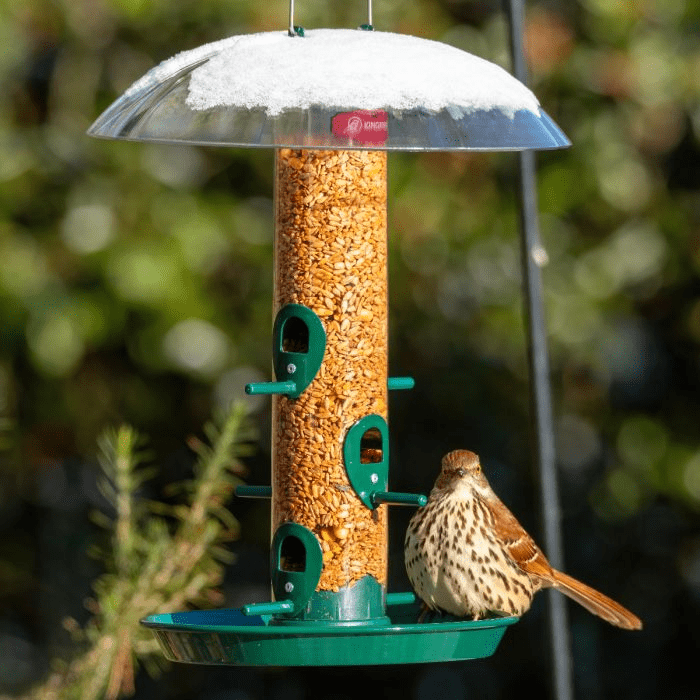
There are many feeder styles, each appealing to different bird species. Tube feeders are great for small songbirds like finches and chickadees. Platform feeders offer space for larger birds such as cardinals and jays.
Hopper feeders hold a lot of seed and attract a wide range of birds, while suet feeders are perfect for insect-eating birds like woodpeckers. Consider the types of birds common in your area to pick the best feeder style.
Materials And Durability
Feeders come in plastic, metal, wood, or a mix of these materials. Metal feeders tend to last longer and resist squirrels better. Wooden feeders blend well into natural settings but may require more care to prevent weather damage.
Think about your climate and how often you want to clean or replace your feeder. A durable feeder reduces maintenance and keeps your bird visitors coming back.
Placement Tips
Where you put your feeder matters just as much as the feeder itself. Place it near shrubs or trees to give birds quick access to cover and safety. Avoid spots too close to windows to prevent collisions.
Make sure the feeder is visible from your favorite viewing spot. Regularly changing the feeder’s location can help you discover where birds feel safest and most comfortable.
Credit: www.kingsyard.com
Select Suitable Bird Food
Selecting the right food for your bird feeder plays a big role in attracting a variety of birds to your yard. Different birds prefer different types of seeds and treats, so offering the right options can turn your feeder into a popular spot. Making smart choices about bird food not only draws more visitors but also keeps them coming back regularly.
Popular Seeds And Mixes
Black oil sunflower seeds are a top choice for many bird species because they have a thin shell and lots of nutrition. Millet is another favorite, especially for smaller birds like sparrows and finches. You can also buy pre-mixed birdseed blends that combine several seed types to attract a wide range of birds.
Offering a mix lets you appeal to different tastes at once. However, check the ingredients to avoid fillers like red millet or oats that some birds may ignore. Have you noticed which seeds your local birds prefer during different seasons?
Food For Specific Bird Species
If you want to attract certain birds, tailor your food choices. For example, niger (thistle) seed is loved by finches, while safflower seeds attract cardinals and grosbeaks. Peanuts in the shell draw jays and woodpeckers, and suet cakes are excellent for insect-eating birds in colder months.
Knowing the preferences of birds in your area helps you customize your feeder. Have you tried offering a special treat and noticed a new bird visiting? It’s rewarding to see your choices making a difference.
Avoiding Spoiled Food
Birds need fresh, clean food to stay healthy and keep returning to your feeder. Spoiled or moldy seeds can harm birds and drive them away. Make sure to check your feeder regularly and clean out old or damp seeds.
Store bird food in a cool, dry place to extend its shelf life. A simple habit like removing clumped seeds after rain can make your feeder more inviting. How often do you inspect your feeder for freshness?
Create A Safe Environment
Creating a safe environment is essential to attract birds to your feeder. Birds need to feel secure to visit regularly and stay longer. When you focus on safety, you encourage more species to make your yard their feeding spot.
Protecting From Predators
Predators like cats and hawks can scare birds away quickly. Place your feeder at least 10 feet away from places where cats can hide or jump, such as bushes or fences. Avoid putting feeders too close to windows to prevent birds from hitting glass or being vulnerable to predators lurking outside.
Consider using baffles on poles to stop climbing predators. Watching how birds behave around your feeder can help you spot potential dangers. Have you noticed any signs of predators nearby? Adjust your setup accordingly to keep birds safe.
Providing Shelter And Water
Birds need more than just food—they need shelter and fresh water to feel comfortable. Plant native shrubs or small trees near your feeder to offer natural cover. These spots give birds a quick escape and a place to rest.
Fresh water is a huge draw. A shallow birdbath placed near the feeder invites birds to drink and bathe. Change the water daily to keep it clean and prevent mosquitoes. What types of plants or water sources could you add to your space right now?
Keeping The Area Clean
Cleanliness matters more than many people realize. Old seed husks and droppings can spread disease and repel birds. Regularly clean your feeder and the area around it to create a healthy feeding zone.
Use a mild bleach solution to disinfect feeders every two weeks, and sweep up spilled seeds daily. You’ll notice birds returning more often when they trust the spot is safe and tidy. How often do you clean your bird feeding area?
Attract Birds Year-round
Attracting birds to your feeder throughout the year brings joy and helps local wildlife. Birds change their habits with seasons. Feeding them right keeps them coming back. Creating a welcoming space benefits both you and the birds.
Seasonal Feeding Tips
Different seasons need different foods. In winter, offer high-energy seeds like sunflower and peanuts. Spring and summer call for fresh fruit and nectar. Fall is great for offering nuts and suet. Keep feeders clean to prevent disease.
Planting Bird-friendly Vegetation
Plants provide shelter, food, and nesting spots. Choose native shrubs and trees with berries or seeds. Evergreen trees offer year-round cover. Flowering plants attract insects, a food source for many birds. A variety of plants creates a natural habitat.
Using Bird Calls And Sounds
Bird sounds can invite birds to your yard. Play calls of local bird species softly near feeders. Avoid loud or constant noise, which scares birds away. Use recordings during feeding times to increase chances of visits. Sounds help birds find safe feeding spots.
Troubleshoot Common Issues
Troubleshooting common problems helps keep your bird feeder inviting. Small issues can stop birds from visiting. Fixing these quickly improves your chances of attracting more birds. Some problems come from pests, others from bird behavior or local conditions. Understanding these challenges leads to simple, effective solutions.
Dealing With Squirrels And Pests
Squirrels and pests often steal bird food. They can scare birds away too. Use squirrel-proof feeders to block their access. Place feeders away from trees or fences squirrels can jump from. Try adding spicy bird seed; birds do not mind, but pests dislike it. Clean spilled seeds regularly to avoid attracting unwanted guests.
Managing Aggressive Birds
Aggressive birds may scare smaller birds off. Observe feeder visits to identify bullies. Use multiple feeders spaced apart to reduce competition. Offer different seed types to attract various species. Place feeders in open areas so smaller birds feel safer. Adding perches away from feeders can distract aggressive birds.
Adjusting To Local Bird Activity
Bird activity changes by season and weather. Pay attention to when birds visit your feeder most. Change feeding times to match peak activity hours. Adjust seed types according to local bird preferences. Keep feeders clean and filled regularly to maintain interest. Plant native shrubs nearby to provide shelter and food.
Credit: www.thebirdhousechick.com
Frequently Asked Questions
What Types Of Bird Feeders Attract The Most Birds?
Tube feeders, platform feeders, and suet feeders attract various bird species. Tube feeders suit small birds, platform feeders welcome larger birds, and suet feeders attract woodpeckers and nuthatches. Using a mix increases your chances of attracting diverse birds.
Which Birdseed Is Best For Attracting Many Birds?
Black oil sunflower seeds are ideal because many birds love them. They have a thin shell, making them easy to eat. Millet and nyjer seeds also attract specific species, so consider mixing seed types for variety.
How Can I Keep My Bird Feeder Clean And Safe?
Clean feeders every two weeks with warm, soapy water to prevent disease. Rinse thoroughly and dry before refilling. Avoid moldy or wet seeds, as these can harm birds and discourage visits.
Where Should I Place My Bird Feeder For Best Results?
Place feeders near trees or shrubs for cover, but not too close to prevent predators. Ensure the location is visible and safe. A sunny spot can also attract more birds during cooler months.
Conclusion
Attracting birds to your feeder takes patience and care. Choose the right seeds and keep the feeder clean. Place it where birds feel safe and can easily find food. Offer fresh water nearby for drinking and bathing. Watch quietly and enjoy their visits.
Each small effort brings more birds to your yard. Nature’s little guests will brighten your days. Keep feeding and learning about their needs. Your garden will soon become a lively bird haven. Simple steps create a peaceful, joyful space for all.




