
Have you ever wondered if those tiny hummingbird feeders in your garden attract more than just hummingbirds? You might be surprised to learn that other birds are often drawn to these colorful feeders too.
If you’re curious about which feathered visitors might show up at your feeder and why, this article is made just for you. Keep reading to discover the unexpected guests that could be sipping from your hummingbird feeder—and how you can make the most of your backyard birdwatching experience.
Hummingbird Feeders And Their Appeal
Hummingbird feeders have a unique charm that draws these tiny birds close. Their bright colors and sweet nectar attract hummingbirds from afar. But these feeders often catch the attention of other birds too. Understanding why these feeders appeal helps explain this broader attraction.
Design And Function Of Feeders
Hummingbird feeders usually have small feeding ports. These ports match the hummingbird’s long, thin beak. The feeders are often red or brightly colored. This color stands out to hummingbirds, mimicking flowers they like.
Feeders hold a sugar-water mixture. This liquid mimics nectar, providing energy. The design prevents other animals from easily accessing the nectar. Many feeders include perches or no perches, affecting which birds visit.
What Attracts Hummingbirds
- Bright red or orange colors catch their eye.
- Sweet nectar made of sugar and water.
- Location near flowers or natural cover.
- Safe and quiet feeding spots.
Hummingbirds rely on sight and taste to find food. The bright colors signal a food source. The sugar water tastes like natural nectar. These factors create a strong pull for hummingbirds to the feeders.
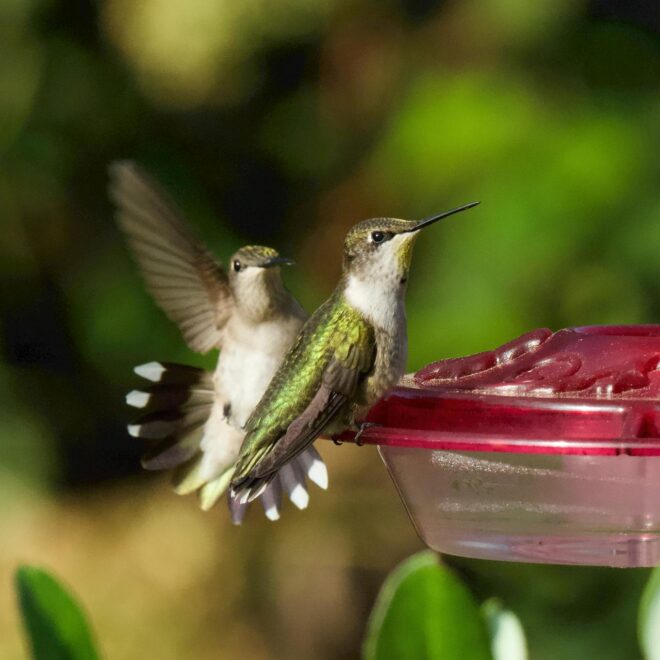
Credit: www.birdwatchingdaily.com
Other Birds At Hummingbird Feeders
Hummingbird feeders attract more than just hummingbirds. Various other birds find these feeders appealing for food and water. Watching these visitors adds extra excitement to your garden. Understanding which birds come and why helps in managing your feeder effectively.
Common Visitors Besides Hummingbirds
- Orioles – They enjoy the sweet nectar and often visit feeders.
- Woodpeckers – Known to sip sugar water from hummingbird feeders.
- Finches – Small birds attracted to nectar and feeder surroundings.
- Warblers – Sometimes visit for a quick drink or insect hunt nearby.
- House Sparrows – Opportunistic birds that explore feeders for food.
Why Other Birds Are Drawn In
Sweet nectar is the main attraction for many birds. It provides a quick energy source. The bright colors of feeders mimic flowers, catching birds’ eyes. Some birds also look for insects near feeders. Water in the feeders offers a hydration spot. These factors make hummingbird feeders a popular stop.
Impact On Bird Behavior
Using hummingbird feeders can change how birds behave around your garden or backyard. These feeders don’t just attract hummingbirds; other bird species may also visit, leading to noticeable shifts in their habits. Understanding these changes can help you create a more balanced and bird-friendly environment.
Competition For Food Sources
Hummingbird feeders often attract a variety of birds, including bees, wasps, and even larger birds like orioles or woodpeckers. This can lead to competition for the sweet nectar. You might notice some smaller birds getting pushed away or waiting their turn, which can create tension around the feeder.
Have you ever watched a tiny hummingbird chase off a much bigger bird? It’s fascinating to see how fiercely these little creatures defend their food. But this competition can sometimes stress the birds and change their usual feeding spots.
Changes In Feeding Patterns
Birds that start visiting hummingbird feeders might reduce their visits to natural flowers or other food sources. This shift can affect pollination and the local ecosystem since those birds are no longer spreading pollen as much.
On the other hand, some birds may come to rely heavily on feeders, especially during colder months or dry spells when natural nectar is scarce. This dependence can alter their migration and breeding habits, sometimes making them stay longer in one area than they normally would.
Have you noticed how often birds visit your feeder compared to natural flowers? Observing these changes can help you decide how to manage your feeders to support a healthy bird community.

Credit: www.birdwatchingdaily.com
Feeder Placement And Bird Diversity
Hummingbird feeders sometimes attract other bird species, adding to the garden’s bird diversity. Birds like orioles and woodpeckers may sip the sweet nectar, creating a lively, colorful scene. This unexpected variety turns a simple feeder into a vibrant gathering spot.
Feeder placement plays a crucial role in attracting a wide range of bird species to your garden. While hummingbird feeders are primarily designed for these tiny, iridescent creatures, the strategic placement can invite other birds to enjoy the sweet nectar too. Understanding how different locations impact bird diversity can help you create a vibrant avian sanctuary right in your backyard.Best Locations To Attract Multiple Species
Place your feeder in a spot that offers both sunlight and shade throughout the day. This balance helps keep the nectar fresh and inviting. A location near flowering plants or shrubs can also attract a variety of birds, who may stop by for a drink while exploring the natural offerings. Consider hanging the feeder at varying heights. While hummingbirds prefer feeders at eye level, other birds might enjoy a higher perch. Experiment with different spots to see what attracts the most diverse crowd.Avoiding Unwanted Visitors
To prevent unwelcome guests like squirrels or ants from invading your feeder, use deterrents such as ant moats or squirrel baffles. These simple tools can make a big difference in maintaining the feeder’s integrity. Regularly clean the area around the feeder to deter pests. Spilled nectar can attract insects, which might drive the birds away. Place feeders away from high-traffic areas. This reduces disturbances from people or pets and creates a peaceful feeding environment for the birds.Feeder Maintenance Tips
Maintaining hummingbird feeders is key to attracting more birds safely. Clean feeders keep nectar fresh and prevent illnesses in birds. Proper care also extends feeder life and enhances bird visits.
Keeping Feeders Clean
Rinse feeders with warm water every few days. Use a soft brush to remove dirt and debris. Avoid harsh chemicals; mild soap works well. Clean all feeder parts, including tubes and ports. Let feeders dry completely before refilling. Regular cleaning stops mold and bacteria growth.
Preventing Mold And Bacteria
Use fresh nectar daily, especially in warm weather. Mix nectar with four parts water and one part sugar. Do not use honey or artificial sweeteners; they harm birds. Store nectar in a clean container in the fridge. Check feeders for cloudy or sticky nectar often. Replace nectar immediately if it looks bad or smells sour.
Alternatives For Attracting Various Birds
Attracting a variety of birds to your garden or backyard can be more rewarding than focusing solely on hummingbirds. Different bird species have unique feeding habits and preferences. Offering alternatives to hummingbird feeders allows you to welcome a broader range of feathered visitors and enjoy a livelier outdoor space.
Other Types Of Feeders
Not all birds are drawn to nectar feeders like hummingbirds. To attract seed-eating birds, try tube feeders filled with sunflower seeds or nyjer seed. Platform feeders work well for larger birds such as cardinals and jays, providing an open space to perch and eat comfortably.
Suet feeders are another excellent choice. They attract woodpeckers, nuthatches, and chickadees, especially in colder months when insects are scarce. Adding a variety of feeders can create a dynamic feeding station that serves the needs of many species.
Plant Choices To Encourage Diversity
Plants offer natural food sources and shelter, making your yard more inviting to birds. Berry-producing shrubs like elderberry, holly, and serviceberry provide nutrition for thrushes and waxwings. Native flowering plants attract insects, which in turn feed insectivorous birds.
Try planting a mix of trees and shrubs with different heights and foliage densities. This variety offers nesting sites and protection, encouraging birds to stay longer. Have you noticed how your yard changes when you add a new plant? It’s a simple way to see more bird species without extra effort.

Credit: www.yahoo.com
Frequently Asked Questions
Do Other Birds Drink From Hummingbird Feeders?
Yes, some birds like orioles, woodpeckers, and bees may visit hummingbird feeders. They are attracted to the sweet nectar but feeders are designed for hummingbirds.
Can Larger Birds Harm Hummingbirds At Feeders?
Larger birds sometimes chase hummingbirds away to dominate the feeder. This can stress hummingbirds, so placing multiple feeders can reduce conflicts.
Should I Use Special Nectar For Other Birds?
No, hummingbird nectar is sugar water without additives. Other birds need different foods, like seeds or fruit, so feeders should match their dietary needs.
How To Prevent Ants And Bees At Hummingbird Feeders?
Use ant moats and bee guards on feeders to keep pests out. Regular cleaning also helps maintain a safe feeding environment for hummingbirds.
Conclusion
Other birds often visit hummingbird feeders too. They enjoy the sweet nectar just like hummingbirds. This shows feeders can attract more bird types. Watching different birds can bring joy and learning. Keep your feeder clean to help all visitors stay healthy.
Offering fresh nectar regularly invites more birds each day. So, hummingbird feeders do more than just attract hummingbirds. They create a small, lively spot for many birds nearby. Try it and see the variety of birds that come by.




