
Have you ever wondered if those little bird houses in your garden are actually used by birds? You might be surprised to learn what really goes on inside these tiny homes.
Whether you’ve put one up hoping to attract feathered friends or you’re just curious, understanding how birds interact with bird houses can change the way you see your outdoor space. Keep reading to discover the secrets behind bird house visits—and how you can make yours a favorite spot for birds to settle in.
Why Birds Need Nesting Spots
Birds need safe places to build their nests. Nesting spots protect eggs and baby birds. These spots help birds rest and raise their young. Good nesting places increase bird survival. Without them, bird populations can drop fast.
Natural Nesting Habitats
Birds use trees, shrubs, and tall grass for nests. Cavities in old trees are popular homes. Some birds build nests on cliffs or in bushes. These natural spots offer shelter from weather and predators. Each bird species prefers certain types of spots. Natural habitats provide food near nesting areas too.
Challenges In Urban Areas
Urban areas have fewer trees and plants. Buildings and roads replace natural nesting spots. Noise and pollution stress birds and their young. Predators like cats are more common near homes. Birds struggle to find safe places to nest. Bird houses help fill this gap for city birds.
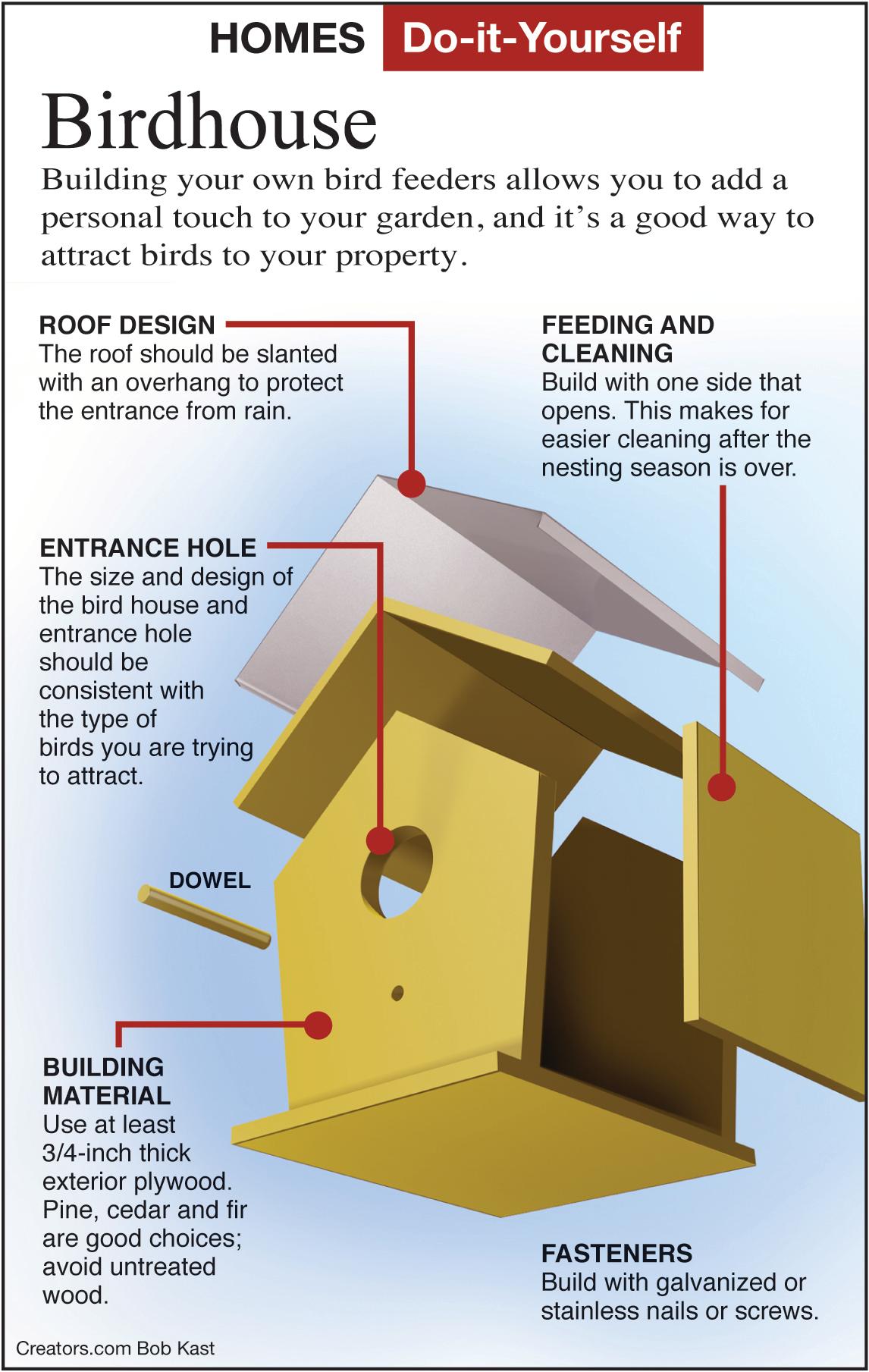
Credit: www.theepochtimes.com
How Birds Choose Bird Houses
Birds do not choose bird houses randomly. They look for specific features to make a safe home. Understanding these features helps you provide better bird houses.
Size And Entrance Preferences
Birds pick bird houses based on size. The house must fit their body comfortably. Small birds want smaller houses. Large birds need bigger spaces.
The entrance hole size is crucial. It controls which birds can enter. A hole too big invites predators. A hole too small stops birds from entering.
- Small birds prefer holes about 1 to 1.25 inches wide.
- Medium birds need holes around 1.5 inches.
- Large birds look for entrances 2 inches or more.
Location And Safety Factors
Birds seek safety in bird house placement. They avoid noisy or busy areas. Quiet and calm spots attract more birds.
Height matters too. Many birds like houses 5 to 15 feet above ground. This keeps them safe from cats and other dangers.
Sunlight and shade affect comfort. Birds prefer houses with morning sun and afternoon shade. This balance helps regulate temperature.
- Avoid placing houses near feeders to reduce predators.
- Keep bird houses away from windy areas.
- Use sturdy poles or trees for mounting.
Which Birds Use Bird Houses Most
Wondering which birds are most likely to use the bird houses you put up in your yard? Not every bird will take to these cozy spaces, but many species actively seek them out for nesting. Knowing which birds prefer bird houses can help you choose the right design and location to attract them.
Common Species That Nest In Bird Houses
Some birds are regular visitors to bird houses and almost depend on them for raising their young. These species are usually cavity nesters, meaning they naturally nest in holes or crevices.
- Eastern Bluebirds:These vibrant birds love open-fronted boxes placed in clear areas. They are a favorite among bird watchers because of their bright blue color.
- Chickadees:Chickadees prefer smaller bird houses with entrance holes about 1 1/8 inches wide. They are curious and often check out new houses quickly.
- House Wrens:Known for their energetic behavior, house wrens use bird houses with small entrances and tend to fill the space with twigs.
- Tree Swallows:These birds enjoy bird houses near water and open fields. Their nesting habits make them welcome guests in many backyards.
I once put up a bird house and was surprised to see a pair of chickadees start building a nest within days. It made me realize how important the right size and placement are to attract these birds.
Less Common Visitors
Not all birds that use bird houses are frequent guests. Some species might occasionally nest if the conditions are just right or if natural nesting spots are scarce.
- Nuthatches:These birds sometimes take advantage of bird houses, especially if placed near wooded areas.
- Wrens other than House Wrens:Some wren species can use bird houses but prefer denser shrubbery.
- Woodpeckers:Certain smaller woodpeckers may use bird houses, but they often prefer natural tree cavities.
Have you ever noticed a bird species using your bird house that you didn’t expect? That surprise can teach you a lot about local wildlife and how adaptable birds can be.
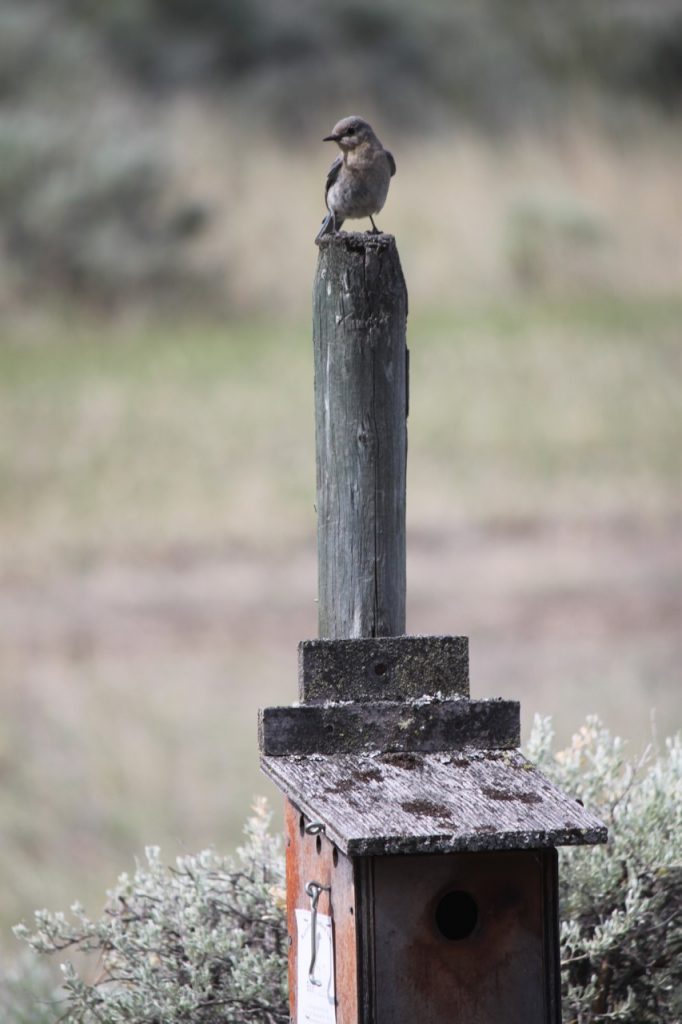
Credit: nestwatch.org
Do Bird Houses Attract Predators
Many bird enthusiasts wonder if putting up bird houses might actually invite predators to the area. It’s a valid concern since nests with eggs or chicks are vulnerable. Understanding the risks and how to reduce them can help you protect your feathered friends effectively.
Risks To Nesting Birds
Bird houses can attract predators like raccoons, snakes, and even larger birds. These animals are often looking for an easy meal, and a visible nest can be tempting. If a predator finds a bird house, it might repeatedly return, increasing the danger for the nesting birds.
Sometimes, the location of the bird house can make it easier for predators to reach. For example, houses mounted too low or near tree branches give predators a direct path. Even domestic cats can pose a threat if the house is too close to the ground or accessible perches.
Design Tips To Minimize Danger
Choosing the right design can make a big difference. Use bird houses with small entrance holes sized for the species you want to attract; this keeps larger predators out. Adding a metal predator guard around the entrance can also prevent animals like squirrels or raccoons from enlarging the hole.
Mount bird houses on smooth metal poles rather than trees, which makes climbing difficult for predators. Position the house at least 6 feet off the ground and away from branches or fences that predators could use as jumping-off points. You might also consider adding a baffle below the house to block climbing predators.
Have you noticed how some bird houses stay safe while others don’t? It often comes down to these small design choices and placement. Protecting your bird house means you’re giving your birds the best chance to thrive without unwanted visitors.
Seasonal Patterns In Bird House Use
Bird houses aren’t just decorative additions to your garden; they serve as vital shelters for various bird species throughout the year. Observing the seasonal patterns in bird house use can offer fascinating insights into the lives of our feathered friends. Understanding these patterns can also help you optimize your bird house setup to attract more birds.
Spring And Breeding Season
Spring is a bustling time for bird houses. As the breeding season kicks off, many bird species actively seek out safe places to nest. Bird houses become prime real estate for birds like bluebirds and chickadees looking to raise their young.
Have you ever noticed how quickly a new bird house fills up in spring? This is because many birds are on a tight schedule, needing to lay eggs and raise their chicks before summer. Setting up your bird house by early spring can increase your chances of attracting breeding pairs.
Off-season Activity
Even when breeding season ends, bird houses don’t go unused. During the fall and winter months, they provide essential shelter from harsh weather and predators. Some birds use them as roosting spots, offering warmth and protection during cold nights.
Consider adding some nesting material to your bird house in winter. It can make it more inviting for birds seeking a cozy spot. Have you ever thought about how a simple act like this can make a big difference for local wildlife?
Understanding these seasonal patterns can transform your backyard into a year-round haven for birds. Do you think your bird house is ready for the changing seasons? Adjusting your approach based on the time of year can lead to rewarding bird-watching experiences. Your proactive steps can ensure that bird houses remain a valuable resource for birds all year long.
How To Make Bird Houses More Inviting
Birds do use bird houses, especially when they feel safe inside. Placing houses in quiet spots and keeping them clean makes them more inviting. Small openings and proper shelter attract more bird visitors.
Creating a welcoming environment for birds can turn your backyard into a bustling hub of avian activity. To make bird houses more inviting, it’s essential to consider the materials you use, the maintenance routine you follow, and the strategic placement of your bird houses. These factors can significantly influence whether birds decide to take up residence in your bird houses.Material And Maintenance
Choosing the right materials for your bird house is crucial. Opt for natural, untreated wood like cedar or pine, which offers insulation and blends well with the environment. Avoid using metal or plastic, as these materials can trap heat and are less appealing to birds. Maintenance also plays a key role. Regularly clean the bird houses to prevent disease and remove old nests. This simple task can make a big difference in attracting birds year after year. Have you ever noticed how a tidy home feels more inviting? Birds feel the same way about their houses.Placement Strategies
Strategically placing bird houses can significantly boost their appeal. Position them away from heavy foot traffic areas to provide a sense of security for the birds. Consider mounting the houses at a height that’s safe from predators but still accessible for you to maintain. Think about the natural habitat of the birds you want to attract. Different species prefer different heights and surroundings. For instance, bluebirds favor open fields, while wrens thrive in garden settings. Are you catering to the right audience with your bird house placement?Unexpected Visitors In Bird Houses
Bird houses are meant for birds, but they attract more than just feathered friends. These cozy shelters often become homes for unexpected visitors. Exploring these surprises reveals interesting facts about nature and wildlife behavior.
Non-bird Users
Many small animals find bird houses inviting. Squirrels often take over nests for shelter. Bats use bird houses to rest during the day. Some insects, like bees and wasps, build hives inside empty bird boxes. Even small reptiles, such as lizards, can hide there for safety. These creatures enjoy the protection and warmth bird houses provide.
Impact On Local Ecosystem
Non-bird visitors affect the local environment in various ways. Squirrels and bats help control insect populations naturally. Bees and wasps contribute to pollination around your garden. Some reptiles help reduce pests like spiders and insects. On the downside, these visitors can scare away birds from their homes. Understanding these effects helps maintain balance in your backyard ecosystem.
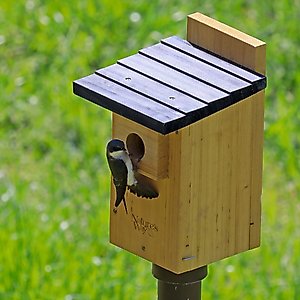
Credit: www.chewy.com
Frequently Asked Questions
Do Birds Actually Use Bird Houses For Nesting?
Yes, many bird species use bird houses for nesting. Properly designed and placed houses attract birds seeking safe shelter for eggs and chicks.
Which Birds Prefer Using Bird Houses Most Often?
Birds like bluebirds, chickadees, wrens, and sparrows commonly use bird houses. Species vary by region and house size.
How To Increase Bird House Occupancy By Birds?
Place bird houses in quiet, safe areas away from predators. Use appropriate sizes and clean houses annually for best results.
Can Bird Houses Protect Birds From Predators?
Bird houses provide shelter but don’t guarantee full protection. Proper design and placement reduce predator access and increase bird safety.
Conclusion
Bird houses provide safe places for many bird species. Birds use them for nesting and shelter from weather. Not all birds use bird houses, but many do. Proper placement and design increase chances birds will visit. Bird houses help support local bird populations.
Watching birds use houses can bring joy and learning. Try placing a bird house in your yard today. Small efforts create big benefits for nature and birds.




