
Have you ever wondered if you can put two bird feeders next to each other? If you’re looking to attract more birds to your yard, placing feeders close together might seem like a smart idea.
But is it really the best way to enjoy a lively and peaceful birdwatching experience? You’ll discover the surprising benefits and potential downsides of putting bird feeders side by side. By the end, you’ll know exactly how to set up your feeders to create a happy, bustling space for your feathered friends—and for you to enjoy every visit.
Keep reading to find out what really works!
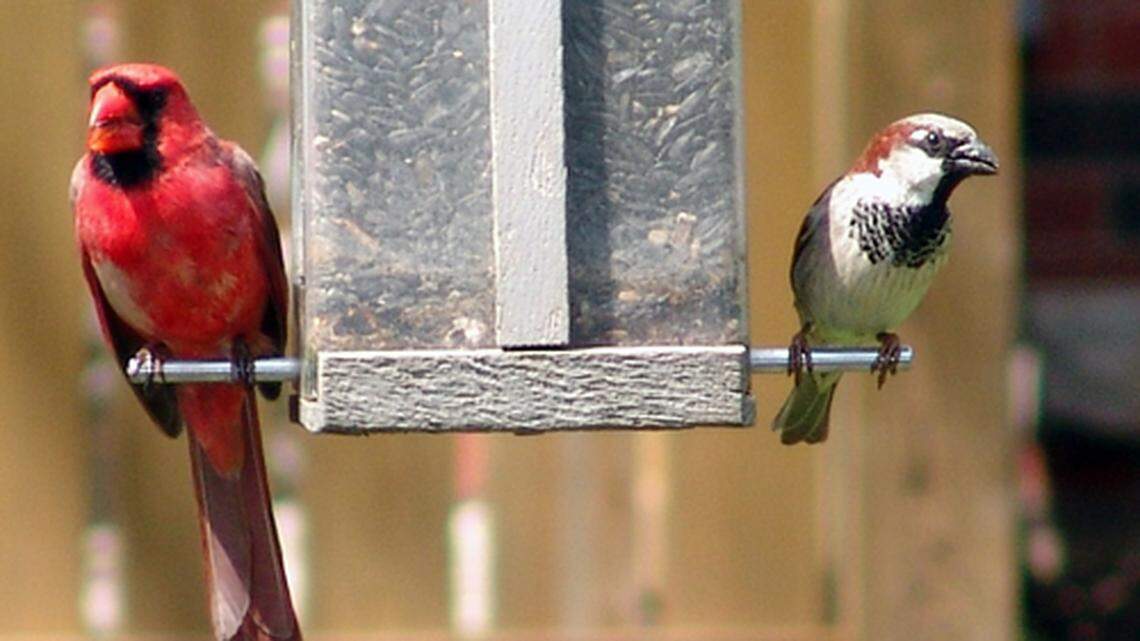
Credit: www.newsobserver.com
Choosing The Right Spot
Choosing the right spot for two bird feeders is key to attracting birds and keeping them safe. Placement affects how often birds visit and how comfortable they feel. Thoughtful positioning helps avoid conflicts between birds and protects them from threats.
Balancing Visibility And Safety
Place feeders where birds can see them easily. Open areas near trees or bushes work well. Birds need quick escape routes if danger appears. Avoid spots too close to windows to reduce bird collisions. Keep feeders at least 3 feet away from glass or use window decals.
Considering Bird Species Behavior
Different birds prefer different feeding spots. Small birds like sparrows and finches feel safer near shrubs. Larger birds, such as cardinals, like open spaces. Avoid placing feeders too close if you want to attract various species. Space them 10 to 15 feet apart to reduce competition.
Avoiding Predators
Keep feeders away from places where cats or hawks can hide. Avoid dense bushes or tall grass near feeders. Clear sight lines help birds spot danger early. Place feeders at least 5 feet above ground to protect from ground predators. Adding a baffle below feeders can block climbing predators.

Credit: www.allaboutbirds.org
Spacing Between Feeders
Placing two bird feeders close to each other needs careful thought about spacing. Proper distance helps birds feed calmly and safely. It also keeps the feeders clean and full longer. Setting the right gap improves the feeding experience for birds and bird watchers alike.
Minimum Distance Guidelines
Keep at least 3 to 5 feet between feeders. This space reduces fights and stress among birds. Some larger birds need even more room. Small birds may tolerate closer feeders but still benefit from some distance. Avoid placing feeders too near windows to prevent bird collisions.
Preventing Bird Aggression
Birds protect feeding spots. Close feeders can cause fights and chase others away. Space helps each bird feel safe while eating. Use different feeder types to attract various species. This reduces competition and aggressive behavior. Adding perches nearby gives birds places to rest.
Maximizing Feeding Efficiency
Good spacing lets more birds visit at once. It prevents crowding and wasted food. Place feeders where birds can easily fly between them. Keep feeders clean and filled regularly. Use feeders with different seeds to attract diverse birds. This encourages longer visits and better feeding chances.
Types Of Feeders To Pair
Choosing the right bird feeders to place side by side can enhance your backyard birdwatching experience. Different feeders offer various types of food, attracting a range of birds. Pairing feeders thoughtfully helps create a lively and diverse bird environment. Understanding which feeders work well together is key to success.
Seed Feeders Vs. Suet Feeders
Seed feeders hold a variety of seeds like sunflower, millet, or mixed blends. Birds such as finches, sparrows, and chickadees enjoy these seeds. Suet feeders contain high-energy fat cakes. Woodpeckers, nuthatches, and wrens prefer suet, especially in cold weather. Placing seed and suet feeders next to each other offers food for different bird types.
Mixing Food Types
Combining different food types increases bird visits. You can pair a seed feeder with a nectar feeder for hummingbirds. Or place a peanut feeder alongside a suet feeder. This variety meets the needs of seed-eaters and insect-eaters. Diverse food options keep birds coming throughout the seasons.
Attracting Diverse Bird Species
Different feeders attract different bird species. Tube feeders bring small songbirds. Hopper feeders attract larger birds like cardinals. Suet feeders lure insect-eaters. Mixing feeders helps create a backyard full of life and color. More species means more fun to watch and enjoy.
Maintenance And Hygiene
Keeping bird feeders clean and well-maintained is key to attracting healthy birds. Placing two feeders close means more care is needed. Dirt, mold, and old seeds can cause sickness. Good hygiene protects birds and keeps feeders working well. Regular checks and cleaning help avoid problems. Watch for spilled seeds that attract pests and create messes. Proper upkeep ensures birds visit happily and safely.
Cleaning Frequency
Clean feeders at least once a week. In wet or hot weather, clean twice weekly. Use warm water and mild soap to remove dirt. Rinse well to avoid soap residue. Dry feeders completely before refilling. Frequent cleaning stops mold and bacteria growth. Check feeders more often if many birds visit.
Preventing Disease Spread
Birds can catch diseases from dirty feeders. Stop this by cleaning often and removing old seeds. Avoid overcrowding by spacing feeders properly. Use feeders that limit bird contact. Wear gloves when cleaning to protect yourself. Dispose of waste far from feeding areas. Healthy birds mean more visits and less worry.
Managing Spilled Seeds
Seeds on the ground attract pests and mold. Sweep or rake spilled seeds daily. Use trays under feeders to catch falling seeds. Change tray liners or clean trays regularly. Keep the feeding area dry and tidy. Removing spilled food helps control rodents and insects. Clean surroundings make your bird feeding space inviting.
Seasonal Adjustments
Adjusting your bird feeders with the changing seasons can make a big difference in attracting birds and keeping them safe. Different times of the year bring distinct challenges and opportunities for feeding birds. Paying attention to seasonal needs helps you create a welcoming spot year-round.
Winter Vs. Summer Feeding
In winter, birds need high-energy foods like suet, nuts, and seeds to survive cold nights. Your feeders should offer these calorie-rich options and be kept full more often since natural food sources are scarce.
Summer, on the other hand, requires a focus on fresh water and lighter foods like fruit and nectar. Birds are also more active and may prefer feeders that suit their specific species, such as hummingbird feeders.
Have you noticed how different birds visit your yard in each season? Adjusting your feeder contents can encourage more variety and keep your feathered friends healthy.
Adjusting Feeder Placement
Placing two feeders next to each other can work well, but their position should change with the seasons. In winter, put feeders near shelter like evergreen trees to protect birds from harsh winds.
During summer, move feeders to shadier spots to keep seeds and nectar from spoiling quickly. Also, consider placing feeders away from predators’ hiding spots to keep birds safe.
Try observing how birds behave around your feeders at different times of year. Does moving feeders closer to cover help them relax and feed longer?
Dealing With Weather Challenges
Snow, rain, and heat can create feeding problems. In winter, clear snow off feeders regularly to keep food accessible. Using feeders with covers can prevent snow buildup and keep seeds dry.
Summer rains can dilute nectar or spoil seeds. Using feeders with drainage holes or covers helps maintain food quality. Also, check feeders daily to avoid mold or fermentation issues.
Windy days may knock feeders down or scatter seeds. Secure your feeders firmly and consider windbreaks like shrubs or fences nearby.
Have you faced any weather-related feeding challenges? Small tweaks to feeder setup can make a big difference in how often birds visit your yard.
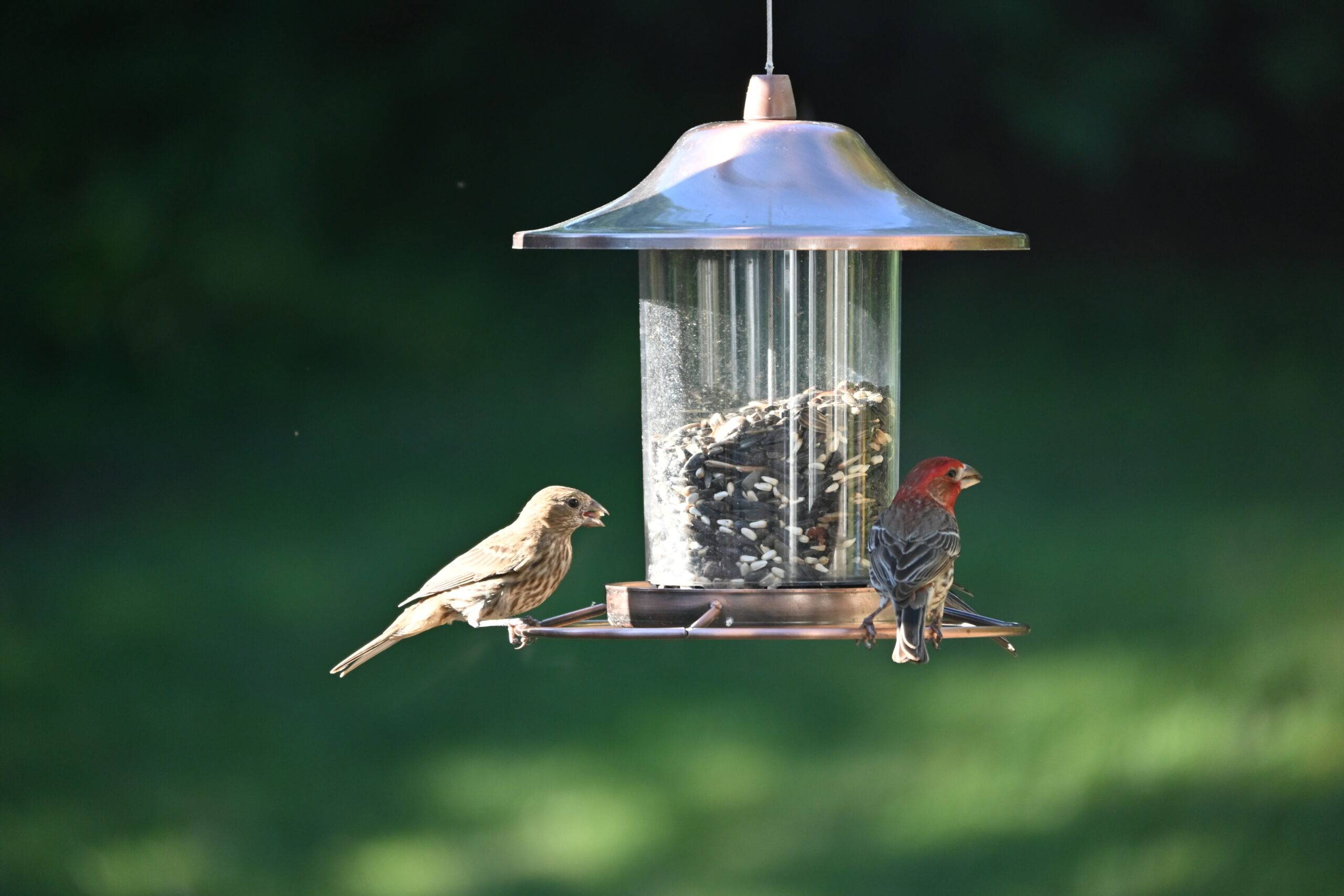
Credit: www.manmadediy.com
Monitoring Bird Activity
Placing two bird feeders next to each other can boost bird activity. Birds enjoy variety and easy access to food. Ensure enough space between feeders to reduce competition and stress.
Monitoring bird activity around your feeders is not just a delightful pastime; it’s an essential practice for ensuring a harmonious environment. Having two bird feeders next to each other can attract a variety of species, enriching your backyard with lively chirps and vibrant colors. But how do you ensure that your setup is optimal for the feathered visitors? Observing their behavior closely will give you valuable insights.Identifying Feeding Patterns
When you have two bird feeders, pay attention to which birds visit each feeder. Do smaller birds prefer one over the other? You might notice that finches favor a specific type of seed, while cardinals have their own preference. Keeping a small journal of these patterns can be both fun and useful, helping you choose the right feed for each type of bird.Recognizing Signs Of Stress
Observe if any birds appear anxious or if there’s a commotion around the feeders. Crowding can lead to stress and aggressive behavior among birds. Look for cues like excessive chirping or birds avoiding certain feeders. It’s crucial to ensure that all birds feel safe and have access to food without competition.Adapting Setup Accordingly
Based on your observations, you might need to adjust the distance between feeders. If you notice territorial disputes, try moving them slightly apart. Consider adding different types of feeders to cater to diverse bird preferences. By adapting your setup, you can create a welcoming haven for a wide range of birds, ensuring that your yard remains a peaceful, thriving ecosystem. Engage with your feeder setup as an ongoing project. How do your observations change with the seasons?Frequently Asked Questions
Can Two Bird Feeders Be Hung Side By Side?
Yes, two bird feeders can be hung side by side. Ensure enough space to prevent crowding and allow birds to feed comfortably.
Will Placing Feeders Close Attract More Birds?
Placing feeders close can attract more birds but may cause competition. Spacing them slightly helps reduce aggression.
How Far Apart Should Bird Feeders Be Placed?
Place bird feeders at least 3 to 5 feet apart. This distance minimizes territorial disputes and allows multiple birds to feed.
Does Feeder Proximity Affect Bird Species Variety?
Yes, feeder proximity can affect species variety. Different species prefer varying distances, so spacing encourages diverse bird visits.
Conclusion
Placing two bird feeders side by side can work well for many birds. Space them enough to reduce fighting and allow easy access. Different types of feeders attract different bird species. This helps create a lively, diverse backyard scene. Keep feeders clean and filled with fresh food.
Watch how birds behave and adjust as needed. Enjoy the peaceful moments of watching birds feed nearby. Simple steps make your bird feeding experience better and more fun.




