
Are you worried about getting bird flu from your backyard chickens? You’re not alone.
Many chicken owners wonder if their feathered friends could pose a risk to their health. Understanding how bird flu spreads and what you can do to protect yourself is key. Keep reading to find out the facts, bust common myths, and learn simple steps to keep both you and your chickens safe.
Don’t let fear stop you from enjoying your backyard flock!
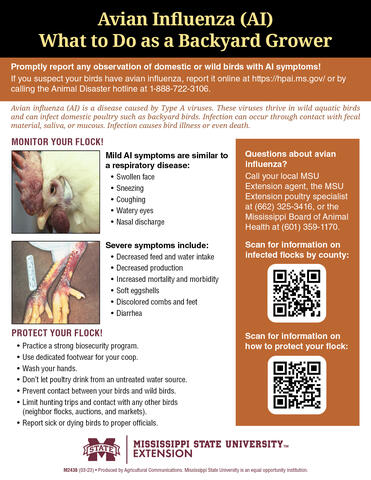
Credit: extension.msstate.edu
Bird Flu Basics
Understanding the basics of bird flu is essential if you keep backyard chickens or are thinking about starting. Knowing what bird flu is and how it spreads can help you protect your flock and your family. Let’s break down the key facts in simple terms.
What Is Bird Flu
Bird flu, also called avian influenza, is a contagious virus that affects birds. It can cause mild to severe illness in chickens, ducks, and other birds. Some types of bird flu can even infect humans, though this is rare.
There are different strains of the virus, and some are more dangerous than others. The highly pathogenic strains can kill many birds quickly, while low pathogenic strains cause milder symptoms. You might notice sick birds looking weak, coughing, or having trouble breathing.
How Bird Flu Spreads
The virus mainly spreads through direct contact with infected birds or their secretions. This includes saliva, nasal discharge, and droppings. If your chickens peck at contaminated feed or water, they can catch the virus easily.
Wild birds, especially waterfowl, often carry bird flu without showing signs. They can bring the virus into your backyard by landing near your coop or leaving droppings nearby. You might not even realize the risk until you see sick birds.
People can accidentally spread the virus too. Wearing the same clothes or shoes in different chicken areas without cleaning can carry the virus from one flock to another. Have you thought about how often you clean your coop and gear?
Credit: www.randyschickenblog.com
Backyard Chickens And Bird Flu
Keeping backyard chickens is a rewarding hobby, but it also comes with responsibilities—especially when it comes to diseases like bird flu. You might wonder if your chickens can catch or spread bird flu and what that means for your family. Understanding the connection between backyard flocks and bird flu helps you protect your birds and yourself effectively.
Risk Factors For Backyard Flocks
Bird flu spreads mainly through direct contact with infected birds or contaminated surfaces. If your chickens interact with wild birds or you visit multiple flocks, your risk increases.
Other risk factors include:
- Poor coop hygiene or overcrowding
- Shared equipment without cleaning
- Allowing your chickens to roam freely near wild bird populations
Ask yourself: Are you taking steps to limit your flock’s exposure to potential sources of infection? Simple actions like securing your coop and cleaning tools can reduce risks dramatically.
Symptoms In Chickens
Bird flu symptoms in chickens can be subtle or severe, making early detection tricky. Watch for sudden drops in egg production, swollen eyes or head, and respiratory distress like coughing or sneezing.
Other signs include:
- Lethargy and loss of appetite
- Diarrhea or nervous system issues, such as tremors
- Unusual behavior or sudden death
Have you noticed any unusual signs in your flock lately? Monitoring your chickens closely can help catch problems before they spread.
Transmission To Humans
Understanding how bird flu transmits to humans is essential if you keep backyard chickens or are simply curious about the risks. While bird flu primarily affects birds, certain strains can infect people under specific conditions. Knowing the pathways of transmission helps you protect yourself and your family effectively.
Ways Humans Can Catch Bird Flu
You can catch bird flu mainly through close contact with infected birds or their secretions. The virus spreads via saliva, nasal discharge, or droppings from sick poultry.
- Handling live or dead infected chickens without gloves or proper protection
- Touching surfaces contaminated with bird droppings and then touching your face
- Breathing in dust or droplets containing the virus in enclosed spaces like chicken coops
Cooking poultry thoroughly kills the virus, so eating properly cooked chicken is generally safe. But what about simple acts like feeding or cleaning? Those everyday activities can expose you if you don’t wear protective gear or wash your hands immediately afterward.
Cases Linked To Backyard Chickens
There have been documented human infections traced back to backyard flocks, though they are rare. One case involved a small farm family where several members got sick after handling sick chickens without protective clothing.
This example shows how easy it is to underestimate risk when chickens are part of your daily routine. Have you ever thought about the cleanliness of your coop or the health of your flock? Ignoring these details can turn your peaceful hobby into a health hazard.
Keeping your chickens healthy and maintaining hygiene can reduce the chances of transmission significantly. Regularly inspecting birds for signs of illness and isolating any sick chickens helps protect you and your flock.
Credit: www.newsobserver.com
Preventing Bird Flu At Home
Backyard chickens can carry bird flu, but the risk to humans is low with proper care. Washing hands and keeping coops clean helps prevent infection. Avoid close contact with sick birds to stay safe.
Preventing Bird Flu at Home Having backyard chickens can be a rewarding venture, but it also requires a vigilant approach to health and safety. Bird flu is a concern for many, but the good news is that you can take effective steps to protect your flock and yourself. By implementing some simple practices, you can greatly reduce the risk of bird flu in your home.Safe Handling Practices
When dealing with chickens, always wash your hands thoroughly with soap and water before and after contact. Wear gloves if you’re cleaning their coop or handling their feed and water. Regularly clean and disinfect tools, such as feeders and waterers, to minimize germs.Biosecurity Measures
Implementing biosecurity measures can significantly protect your flock. Limit the number of people who interact with your chickens to reduce the risk of disease transmission. Keep wild birds away from your chickens by securing feed and using netting. Regularly inspect your chickens for any signs of illness, and separate any sick birds from the flock immediately. Have you considered the importance of keeping your chickens in a clean environment? Maintaining cleanliness not only ensures their health but also safeguards your own. In what ways are you ensuring that your backyard remains a safe haven for both you and your chickens?What To Do If You Suspect Infection
If you suspect your backyard chickens might be infected with bird flu, acting quickly can protect your flock and your family. Knowing what signs to look for and when to get help can make a big difference in controlling the spread of the virus. Staying calm and informed helps you take the right steps without panic.
Signs To Watch For In Chickens
Look for sudden changes in your chickens’ behavior and health. Are they less active, not eating, or showing weakness? Bird flu can cause:
- Swelling around the eyes and head
- Difficulty breathing or coughing
- Droopy wings and ruffled feathers
- Sudden death in multiple birds
- Diarrhea or nasal discharge
If you notice any of these signs, isolate the sick chickens immediately. Avoid handling them without gloves, and clean your hands and equipment thoroughly to prevent spreading the infection.
When To Seek Medical Help
Bird flu can sometimes spread to humans, especially if you have close contact with infected birds. If you or anyone in your household develops flu-like symptoms — such as fever, cough, sore throat, or muscle aches — after handling or being near your chickens, don’t wait. Contact your healthcare provider right away and inform them about your exposure to backyard poultry.
Remember, early medical advice can lead to faster diagnosis and treatment. Have you considered how you would protect your family if an infection happened tomorrow? Preparing now means you won’t have to guess later.
Myths And Facts
Many people worry about catching bird flu from backyard chickens. There are many stories and ideas about this topic. Some are true, while others are just myths. Knowing the facts helps keep you and your chickens safe. Let’s clear up common myths and share what science tells us.
Common Misconceptions
- Backyard chickens always carry bird flu virus.
- Touching chickens or their eggs will infect you.
- Bird flu spreads easily between humans and chickens.
- All bird flu strains are dangerous to people.
- Backyard flocks need to be removed if bird flu is nearby.
Scientific Findings
Bird flu viruses mostly affect wild birds and poultry. Some strains can infect humans, but cases are very rare. The risk from backyard chickens is low if you follow safety rules.
Scientists say:
- Not all bird flu strains infect humans.
- Good hygiene stops most infections.
- Washing hands after handling chickens is key.
- Cook chicken and eggs well to kill viruses.
- Monitoring bird health helps catch infections early.
Backyard chickens are safe with proper care and cleanliness. Understanding the facts helps reduce fear and protect your birds.
Frequently Asked Questions
Can Backyard Chickens Transmit Bird Flu To Humans?
Yes, backyard chickens can carry bird flu viruses. However, human infection is rare and usually requires close contact with infected birds or their droppings. Proper hygiene and biosecurity measures reduce the risk significantly.
What Are The Symptoms Of Bird Flu In Backyard Chickens?
Infected chickens often show sudden death, respiratory distress, decreased egg production, and swelling. Early detection helps prevent spread and protects both birds and humans.
How Can I Protect My Backyard Chickens From Bird Flu?
Limit visitors, avoid contact with wild birds, and maintain clean coops. Regularly disinfect equipment and monitor birds for illness to reduce infection risk.
Is It Safe To Eat Eggs From Backyard Chickens?
Yes, eggs from healthy chickens are safe if cooked thoroughly. Proper handling and cooking eliminate bird flu viruses, making eggs safe for consumption.
Conclusion
Bird flu can spread from backyard chickens but risks remain low. Keeping chickens clean and healthy helps prevent infection. Avoid touching sick birds or their droppings. Wash hands well after handling chickens or equipment. Watching your flock for signs of illness is important.
Stay informed about local bird flu outbreaks and follow guidelines. Protect your family and birds with simple safety steps. Backyard chickens bring joy when cared for properly and safely.




