
Are you wondering if it’s okay to hang a hummingbird feeder near your other bird feeders? You’re not alone.
Many bird lovers ask this question because they want to attract a variety of birds without causing problems. The answer isn’t as simple as yes or no. Where you place your feeders can affect which birds visit and how often.
You’ll discover smart tips to set up your hummingbird feeder so you can enjoy watching these tiny, colorful visitors without scaring away your other feathered friends. Keep reading to learn how to create the perfect feeding spot for all your backyard birds.
Hummingbird Feeder Placement
Hummingbird feeder placement plays a key role in attracting these tiny birds. Proper positioning helps hummingbirds find your feeder quickly. It also keeps them safe and comfortable while feeding. Placing feeders too close to other bird feeders can cause problems. Understanding the ideal distance and location improves your chances of seeing hummingbirds often.
Ideal Distance From Other Feeders
Keep hummingbird feeders at least 10 feet away from other bird feeders. This distance prevents competition and protects hummingbirds from larger birds. Hummingbirds prefer quieter spots without many visitors. Spacing feeders apart helps reduce crowding and stress among birds.
Choosing The Right Location
Place feeders in spots with some shade during the hottest part of the day. Partial shade keeps nectar fresh longer. Choose a location visible from your window or porch. This way, you can enjoy watching hummingbirds easily. Avoid windy areas to stop nectar from spilling or feeders swinging.
Avoiding Predator Spots
Do not hang feeders near places where cats or other predators hide. Hummingbirds need clear sightlines to spot danger. Keep feeders away from dense bushes or low branches. High, open spots offer better protection and allow birds to escape quickly.

Credit: www.amazon.com
Types Of Bird Feeders Nearby
Understanding the types of bird feeders near your hummingbird feeder can help you decide the best placement. Different feeders attract different bird species, which can influence how hummingbirds visit your garden. Recognizing these feeders allows you to create a welcoming environment for all birds without causing conflicts.
Feeders For Seed-eating Birds
Seed feeders are popular and come in many forms, such as tube feeders, hopper feeders, and platform feeders. They mostly attract finches, sparrows, and cardinals—birds that prefer seeds like sunflower or millet. These feeders often draw larger, more aggressive birds, which might intimidate hummingbirds if placed too close.
If you hang a seed feeder near your hummingbird feeder, watch how the birds interact. You might notice hummingbirds avoiding the area during peak times for seed-eaters. This behavior is important to consider when deciding the distance between feeders.
Feeders For Nectar And Fruit
Feeders designed for nectar and fruit attract species like orioles, tanagers, and of course, hummingbirds. Nectar feeders usually have bright colors and are filled with sugar water, while fruit feeders offer slices of oranges or berries. These feeders can sometimes compete for the hummingbirds’ attention but tend to coexist better than seed feeders.
Placing nectar and fruit feeders near each other may encourage a diverse group of nectar-loving birds. However, be mindful of the quantity and quality of nectar to reduce competition and prevent spoilage. Do you provide fresh nectar often enough to keep all visitors happy?
Impact On Hummingbird Behavior
Hummingbirds are territorial and cautious, especially around food sources. If other feeders attract larger or more aggressive birds, hummingbirds might avoid the area altogether. On the other hand, some hummingbirds may tolerate nearby feeders if there is enough space and food.
Try placing your hummingbird feeder at least 10 feet away from seed feeders to reduce conflicts. Observing your backyard will reveal how your hummingbirds respond and help you adjust feeder placement. Have you noticed changes in hummingbird visits after adding other feeders?
Feeder Maintenance Tips
Keeping your hummingbird feeder clean and well-maintained is essential, especially when it’s placed near other bird feeders. Proper care prevents health issues for the birds and keeps the nectar fresh and inviting. Let’s look at some practical tips to ensure your feeder stays in top shape.
Cleaning Frequency
Cleaning your hummingbird feeder regularly is key to avoiding mold and bacteria buildup. Aim to wash the feeder at least once a week, and more often in hot weather when nectar spoils faster.
If you notice cloudy nectar or ants around the feeder, it’s a clear sign to clean it immediately. Don’t skip this step just because the feeder looks full—bacteria can grow unseen.
Preventing Mold And Bacteria
Mold and bacteria can harm hummingbirds quickly. Use a solution of one part white vinegar to four parts water to scrub all parts of the feeder thoroughly.
Make sure to rinse well to remove any vinegar taste, which might deter the birds. Also, avoid using harsh chemicals or soap, as residues can be toxic.
To keep mold at bay, place your feeder in a shaded area if possible, and change the nectar frequently. Have you noticed how some feeders start to smell sweet and sour? That’s a sign mold is growing.
Safe Nectar Preparation
Mix your nectar using four parts water to one part white granulated sugar. Avoid honey, artificial sweeteners, or red dye; these can harm hummingbirds.
Boil the water first, then stir in the sugar until it dissolves completely. Let the nectar cool before filling the feeder to prevent damage to the feeder and reduce bacterial growth.
Making nectar fresh every few days helps keep your hummingbird guests healthy and happy. How often do you prepare your nectar? Frequent refreshes can make a big difference.
Attracting Hummingbirds Successfully
Attracting hummingbirds to your yard can feel like a small victory in the natural world. These tiny birds are drawn to specific cues, and understanding what makes them visit can boost your chances of seeing their iridescent flashes up close. Successful attraction isn’t just about hanging a feeder; it’s about creating an inviting space that appeals to their senses and needs.
Color And Design Choices
Hummingbirds are naturally attracted to bright colors, especially red. Using feeders with red accents or bright red bases can catch their attention quickly. Avoid feeders with yellow, as it may attract bees and wasps instead, diverting the hummingbirds’ interest.
The design of the feeder matters too. Look for feeders with multiple feeding ports and perches, which provide easy access and resting spots for the birds. Clear glass feeders allow you to monitor nectar levels, ensuring the food stays fresh and inviting.
Timing And Seasonal Considerations
Timing your feeder setup with hummingbird migration patterns increases your chances of visits. Most hummingbirds pass through in spring and fall, so having feeders ready before they arrive can make your yard a preferred stop.
Keep feeders active during warm months when flowers are scarce. Regularly clean and refill feeders to prevent mold and fermentation, which can deter hummingbirds. Have you noticed times when feeders attract more birds? Paying attention to these patterns can help you adjust your feeding schedule.
Using Additional Attractants
Supplement feeders with natural attractants like native flowering plants that produce nectar. Plants such as trumpet vine, bee balm, and salvia provide food sources and shelter.
Adding a shallow water source like a birdbath with a gentle mister can also entice hummingbirds. They enjoy bathing and drinking from moving water. Consider placing feeders near these water sources to create a hummingbird-friendly environment.
Common Challenges And Solutions
Placing a hummingbird feeder near other bird feeders can bring joy but also some challenges. Different birds have unique behaviors that can cause conflicts. Some birds act aggressively, while others compete for food. Squirrels often try to steal the nectar or seeds. Knowing these common problems helps keep your feeders safe and your birds happy.
Dealing With Aggressive Birds
Aggressive birds may chase away hummingbirds or other visitors. They protect their feeding spots fiercely. To reduce aggression, try these tips:
- Place feeders apart to give birds enough space.
- Use multiple feeders to reduce fights over food.
- Choose feeder designs that only hummingbirds can use.
- Hang feeders at different heights to separate species.
Managing Feeder Competition
Competition for food can stress birds and reduce feeding visits. To manage this, consider:
- Refilling feeders often to keep food available.
- Using feeders with small feeding ports for hummingbirds.
- Adding plants and flowers nearby to offer extra food sources.
- Cleaning feeders regularly to prevent mold and bacteria.
Protecting Feeders From Squirrels
Squirrels are clever and can damage feeders quickly. Protect feeders by:
- Installing squirrel baffles above or below feeders.
- Using feeders made from metal or tough plastic.
- Hanging feeders on thin, slippery poles.
- Placing feeders away from tree branches or structures squirrels can jump from.

Credit: www.lowes.com
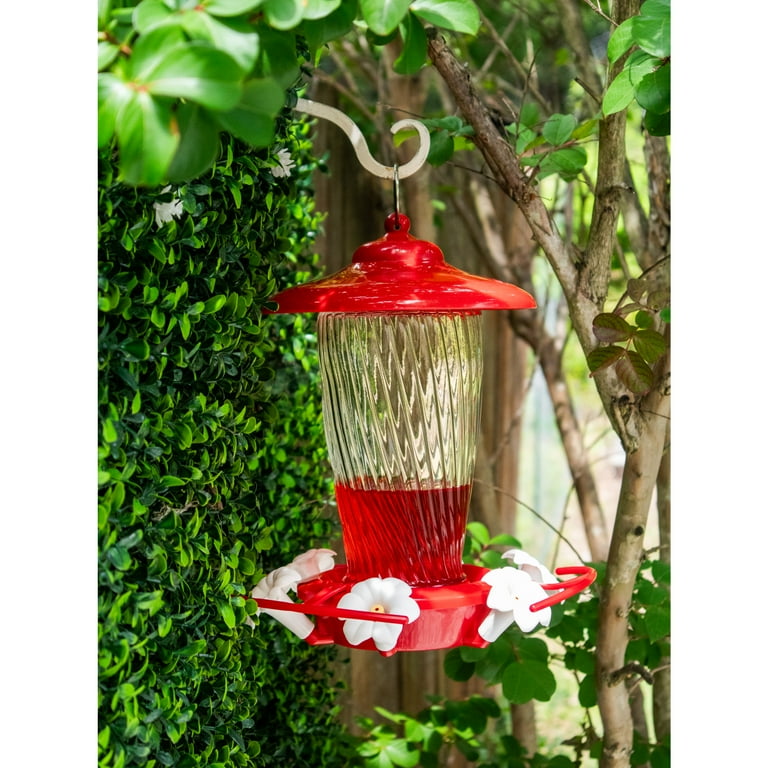
Credit: www.walmart.com
Frequently Asked Questions
Can Hummingbird Feeders Be Placed Near Other Bird Feeders?
Yes, hummingbird feeders can be placed near other bird feeders. Keep at least 3 feet distance to avoid competition and aggression. This spacing helps hummingbirds feed safely without disturbance from larger birds.
Will Other Birds Bother Hummingbirds At Feeders?
Larger birds may sometimes chase hummingbirds away. To minimize this, place feeders apart and choose feeders designed to deter bigger birds. Providing multiple feeding spots helps reduce conflicts and ensures hummingbirds get enough nectar.
How Far Should Hummingbird Feeders Be From Other Feeders?
Maintain a distance of 3 to 5 feet between hummingbird and other bird feeders. This spacing reduces territorial disputes and prevents bigger birds from intimidating hummingbirds while feeding.
Does Hanging Multiple Feeders Attract More Hummingbirds?
Yes, multiple feeders can attract more hummingbirds by providing ample nectar sources. Space them properly to reduce competition and allow several hummingbirds to feed comfortably.
Conclusion
Hummingbirds can share space with other bird feeders safely. Keep feeders a few feet apart to avoid crowding. Watch how birds behave and adjust feeder placement if needed. Clean feeders often to keep birds healthy and happy. Enjoy the variety of birds visiting your yard.
This simple care helps all birds thrive together. Your garden becomes lively and full of color. A little attention goes a long way for birdwatching fun.




