
Have you ever looked outside and wondered, “Why are birds attracted to my house?” It’s a question many homeowners ask when they notice flocks gathering around their windows, porch, or garden. Birds don’t just show up by chance—they are drawn to certain features of your home and yard.
Understanding what makes your space so inviting can help you enjoy their presence or gently encourage them elsewhere. Keep reading to discover the surprising reasons behind this natural attraction and what it means for you and your home.

Credit: www.birdsandblooms.com
Common Bird Species Near Homes
Birds often choose areas near homes because these spots offer food, shelter, and safety. Many common species feel comfortable close to human activity. Recognizing which birds visit can help understand their habits and needs. This knowledge also supports peaceful coexistence with feathered neighbors.
Songbirds And Their Preferences
Songbirds bring charm with their melodies. They prefer places with trees, shrubs, and feeders. Common songbirds near homes include:
- Robins
- Blue Jays
- Chickadees
- Finches
They like areas offering insects, berries, and seeds. Quiet spots for resting and nesting attract them too.
Birds That Nest On Buildings
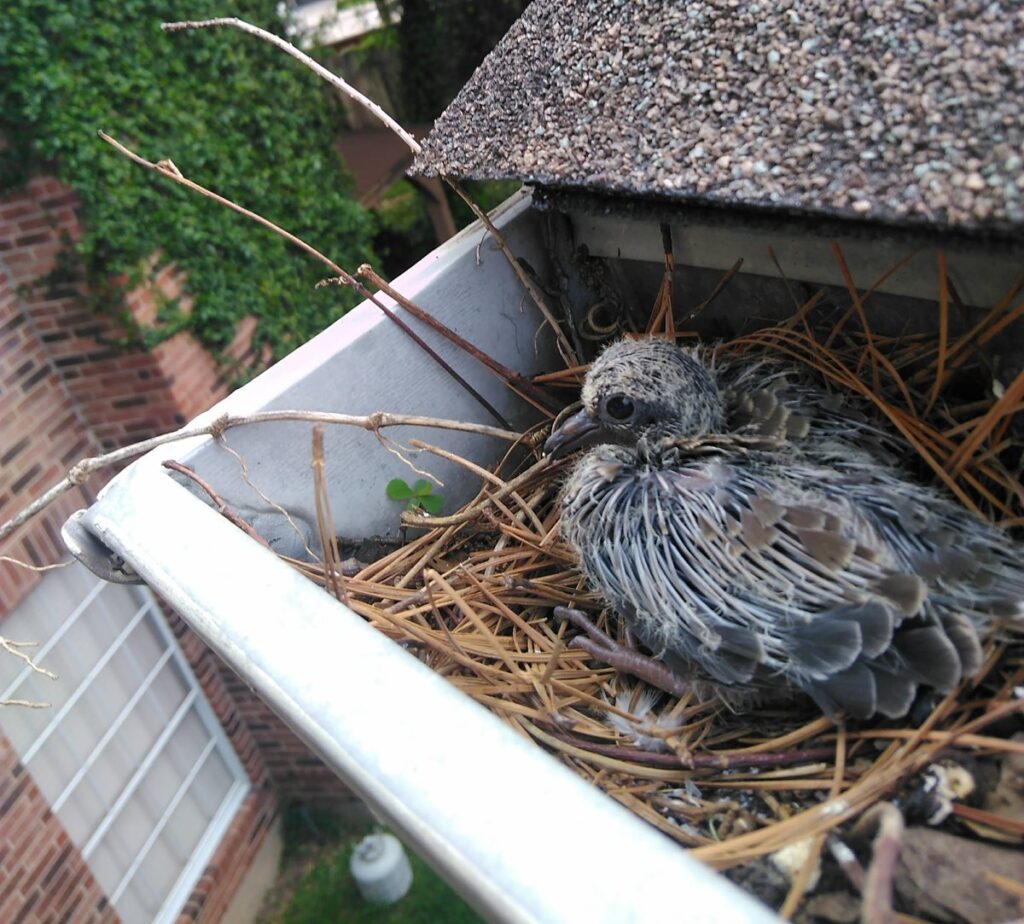
Some birds build nests directly on houses. They find ledges, eaves, and gutters suitable. Typical nesters include:
- Pigeons
- House Sparrows
- Swallows
These birds enjoy sheltered spots safe from predators. Their nests often use mud, twigs, or grass.
Seasonal Visitors
Certain birds appear only during migration or specific seasons. They stop near homes to rest and feed. Examples are:
- Warblers
- Thrushes
- Waxwings
Seasonal birds seek food sources like berries and insects. Gardens and birdbaths attract them during these times.
Food Sources Around Your House
Birds are drawn to your home largely because of the food you unintentionally or intentionally offer. Understanding the types of food sources around your house can help you manage their visits better. Let’s look at how natural foods, feeders, and your garden all play a role.
Natural Food Availability
Birds look for insects, seeds, and berries growing naturally near your home. If you have trees, bushes, or wildflowers, you might be providing a buffet without realizing it. Have you noticed birds pecking around your lawn or garden beds? That’s a sign they’re finding insects or seeds there.
Leaves and mulch also attract insects, which in turn attract insect-eating birds. Keeping some areas a little wild can encourage a steady supply of natural food. But if you want fewer birds, consider trimming back dense shrubs or removing excess leaf litter.
Bird Feeders And Scraps
Bird feeders are an obvious magnet. Seeds like sunflower, millet, and cracked corn attract a variety of species. But even scraps from your outdoor meals can draw birds. Crumbs, spilled seeds, or pet food left outside become easy snacks for them.
If you want to control how many birds visit, think about what you’re feeding them and how often you clean up leftovers. Have you tried using feeders that reduce spills or placing them away from windows to avoid collisions? These small changes can make a big difference.
Gardens And Fruit Trees
Fruit trees and garden plants offer sweet treats that birds love. Apples, berries, and cherries hanging ripe can attract thrushes, robins, and even woodpeckers. Have you seen birds picking at your tomatoes or strawberries? They’re after more than just insects.
Planting certain flowers or herbs can also attract insects, which then attract birds. If you want to invite specific species, try adding native plants that produce seeds or berries. Are you ready to turn your garden into a bird hotspot while keeping your fruits safe?
Shelter And Nesting Spots
Birds need safe places to rest and build their nests. Your house can offer shelter and spots perfect for nesting. These areas protect birds from weather and predators. Such spots also provide quiet and comfort for raising young birds.
Roof And Eaves As Safe Havens
Roofs and eaves create excellent shelters for birds. They offer cover from rain, wind, and sun. Birds often hide in these spots to stay safe. The overhangs keep nests out of reach of many predators. Small crevices under eaves can serve as cozy nest sites.
Shrubs And Trees For Cover
Shrubs and trees near your house attract birds looking for cover. Leaves and branches give protection and camouflage. Birds use these plants for resting, feeding, and nesting. Dense foliage blocks strong winds and hides nests from danger. Trees also provide a food source like berries and insects.
Birdhouses And Artificial Nests
Placing birdhouses encourages birds to settle close by. Birdhouses offer a safe, dry place for nesting. They mimic natural cavities birds prefer. Artificial nests also help species with fewer natural spots. Properly placed birdhouses increase chances of birds staying near your home.
Water Sources That Attract Birds
Water is essential for birds. It helps them drink, bathe, and stay cool. Birds are naturally drawn to homes with accessible water. Various water sources around your house can attract many bird species. These spots become safe havens for birds seeking hydration and cleaning.
Birdbaths And Ponds
Birdbaths offer a reliable water source in your yard. Clean, shallow water invites birds to visit often. Ponds provide a natural space for birds to drink and swim. Moving water in ponds, such as fountains, can attract even more birds. Regularly refilling and cleaning these features keeps birds coming back safely.
Dripping Faucets And Rainwater
Dripping faucets create small pools of water that catch bird attention. The sound of dripping water signals a fresh water source. Rainwater collected in buckets or containers also draws birds. These simple water spots provide easy access for thirsty birds throughout the day.
Natural Water Features
Natural water features like streams or wetlands nearby boost bird visits. Birds prefer quiet, natural spots for drinking and bathing. Leaves and rocks near water give birds places to perch and feel secure. Maintaining native plants around these areas helps sustain a bird-friendly environment.
Environmental Factors
Environmental factors play a huge role in why birds might be attracted to your house. These factors influence the availability of food, shelter, and safety, making your property a convenient stop for various bird species. Understanding these elements can help you manage your outdoor space better and enjoy birdwatching without unwanted surprises.
Climate And Weather Conditions
Birds respond quickly to changes in climate and weather. Mild temperatures and consistent rainfall create lush gardens that attract insects and seeds, providing an easy food source. If your area experiences harsh winters or dry spells, birds may seek shelter and resources near your home, especially if you provide bird feeders or water sources.
I once noticed a sudden influx of sparrows during a cold snap. My backyard had a heated birdbath, which seemed to be the main draw. Have you considered how your local weather patterns might be turning your home into a bird hotspot?
Urban Vs. Rural Settings
The setting of your home—urban or rural—greatly affects bird activity. Urban areas often have fewer natural predators, but less green space, pushing birds to adapt by using gardens and parks for food and nesting. Rural homes usually have more vegetation and natural habitats, attracting a wider variety of species.
In cities, birds may flock to your porch if you leave out food scraps or plant fruit-bearing shrubs. In rural areas, birds might prefer natural trees and bushes on your property. What kind of setting do you live in, and how does that influence the types of birds you see?
Light And Noise Impact
Artificial lights and noise can either attract or repel birds. Bright outdoor lighting may confuse nocturnal birds or migratory species, causing them to linger near your home. On the other hand, excessive noise from traffic or loud neighbors can scare birds away, making your yard less inviting.
- Do you keep porch lights on all night? This might attract moths and, in turn, insect-eating birds.
- Is your neighborhood noisy? Birds often avoid areas with constant loud sounds.
Adjusting your lighting and minimizing noise can create a more bird-friendly environment. What small changes could you make to encourage birds to visit without disrupting their natural behaviors?
Credit: www.crittercontrol.com
Behavioral Reasons For Attraction
Birds often choose homes offering food, water, and shelter nearby. Quiet spots with safe nesting places attract them easily. Familiar surroundings and natural materials also make your house inviting to birds.
Birds often find your house appealing due to their natural behaviors. These behaviors include mating, migration, and social interactions. Understanding these can explain why birds gather around your home.Mating And Territory Establishment
Birds need safe places to mate and build nests. Your house offers shelter and protection. Trees and shrubs nearby provide ideal nesting sites. Birds claim these areas as their territory. They defend these spots from other birds. This behavior ensures they have a secure place for their young.Migration Rest Stops
Many birds travel long distances during migration. They need rest stops along the way. Your house might be on a migration route. Birds pause here to regain energy. They find food, water, and shelter. These resources help them continue their journey successfully.Social Interactions Among Birds
Birds enjoy socializing with others. They gather in flocks to communicate and bond. Your house may be a popular meeting spot. Birds use it to share information and warn each other of dangers. These interactions strengthen their community and survival chances.How To Manage Bird Presence
Birds often visit homes for food, shelter, or nesting spots. Bright colors, open spaces, and accessible water can attract them nearby. Managing these factors helps reduce unwanted bird presence around your house.
Birds flocking to your home can be both a delight and a disturbance. Their cheerful songs might wake you up with a smile, but their droppings and nests could become a messy problem. Managing bird presence effectively ensures you maintain harmony with nature without compromising your home’s cleanliness and safety. Here’s how you can balance bird visits with your home’s needs.Safe Deterrents And Barriers
Using safe deterrents can redirect birds without harming them. Reflective objects like old CDs or foil strips can startle birds away from certain areas. Installing netting or spikes on ledges and rooftops can prevent nesting in undesirable spots. Ultrasonic bird repellents emit sounds that are unpleasant to birds but inaudible to humans. If you’ve ever wondered why some homes have fewer bird visitors, these subtle barriers might be the answer.Creating Bird-friendly Spaces
Encourage birds to visit specific areas by setting up bird feeders and baths away from entrances. This creates a designated zone for them, minimizing their presence around your doors and windows. Plant native shrubs and trees to offer natural food sources and shelter. I once planted berry bushes in my backyard, and it was amazing to see how it attracted birds, keeping them away from my porch.When To Seek Professional Help
Sometimes, bird issues can escalate beyond DIY solutions. If birds are causing structural damage or if dealing with protected species, professional help is essential. A wildlife control expert can provide humane solutions tailored to your situation. Have you ever felt overwhelmed by a particular problem? Sometimes, calling in the experts saves time and effort, ensuring peace of mind. Balancing bird presence with your home’s comfort is achievable with the right strategies. Whether you choose safe deterrents, create welcoming spaces, or seek professional assistance, managing birds can be both effective and rewarding.
Credit: www.allaboutbirds.org
Frequently Asked Questions
Why Do Birds Choose My House To Visit?
Birds are attracted by food sources, shelter, and nesting spots around your house. Bright colors and water features also draw them in.
What Attracts Birds To House Windows And Walls?
Reflections on windows mimic open sky or trees, confusing birds. Walls near food or nesting areas provide safe perching spots.
How Can I Prevent Birds From Nesting On My House?
Remove food sources, seal entry points, and install bird deterrents. Regularly clean gutters and avoid leaving standing water.
Do Bird Feeders Near Houses Attract More Birds?
Yes, feeders provide an easy food source, attracting more birds. Placement near shelter increases their comfort and frequent visits.
Conclusion
Birds come to your house for food, shelter, and safety. Trees, plants, and water sources make your yard inviting. Quiet spots and nests give them a place to rest. Understanding why birds visit helps you enjoy their presence. Watching birds can bring calm and joy each day.
Small changes in your yard can attract more feathered friends. Nature feels closer when birds visit your home often. Keep your space bird-friendly to enjoy their beauty longer.




