
Are you tired of finding bird droppings all over your car every morning? You’re not alone.
Birds can be a real nuisance when it comes to keeping your vehicle clean and scratch-free. But what if you could stop them from landing on your car in the first place? Imagine driving without worrying about those pesky stains or damage.
You’ll discover simple and effective ways to keep birds off your car for good. Stick with me, and say goodbye to the hassle and frustration once and for all.
Common Reasons Birds Target Cars
Have you ever wondered why birds seem to have a special interest in your car? Understanding the reasons behind their behavior can help you prevent those unwanted visits. Birds target cars for a few common reasons, and knowing these can guide you in keeping your vehicle clean and safe.
Attraction To Shiny Surfaces
Birds are naturally drawn to shiny objects. Your car’s polished paint or reflective windows catch their attention like a beacon. They might mistake the reflections for water or other birds, prompting them to investigate closer.
Think about the last time you noticed birds pecking at your side mirrors or hood. That shine invites curiosity and sometimes territorial behavior. You can reduce this by dulling overly bright areas or parking in shaded spots.
Seeking Shelter Or Perches
Cars offer convenient resting spots for birds. Side mirrors, antennas, and roof racks act as perfect perches or shelters, especially in urban areas where natural spots are limited. Your car becomes a temporary home base for them.
Have you seen birds nesting near windshield wipers or inside open windows? These sheltered areas protect them from wind and predators. To discourage this, try covering these spots or avoid leaving windows open for long periods.
Marking Territory
Bird droppings on your car might not just be accidents—they can be a way birds mark their territory. This is common during mating seasons or when they feel threatened by other birds. Your car becomes a canvas for their messages.
Do you notice frequent droppings after you park in the same spot? This might indicate territorial behavior. Changing your parking location regularly can help break this pattern and keep your car cleaner.
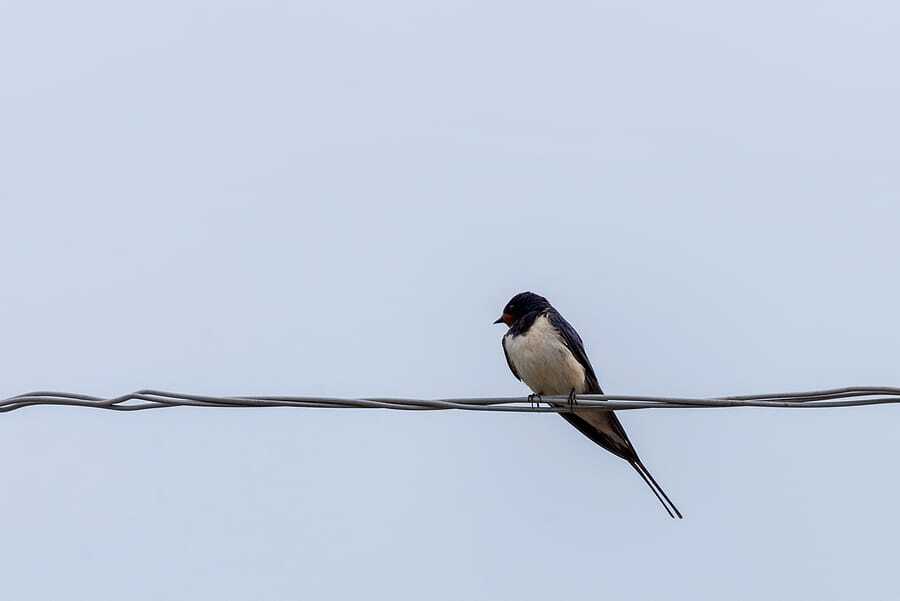
Credit: www.callnorthwest.com
Effective Physical Barriers
Physical barriers create a strong defense against birds landing on your car. They block birds from reaching the surface to perch or leave droppings. These barriers protect the paint and keep the car clean. Using simple tools and covers can make a big difference in bird control.
Car Covers And Protective Sheets
Car covers provide a full shield from birds and dirt. Choose covers made from breathable fabric to prevent moisture build-up. Covers fit snugly and wrap around your car securely. They stop birds from landing directly on your car’s surface. Protective sheets are easy to put on and remove.
Parking In Covered Areas
Parking under a roof keeps birds away naturally. Garages or carports protect the car from droppings and nesting. Covered areas reduce sun damage and bird mess at the same time. If no garage is available, try parking near buildings or trees where birds are less active.
Using Bird Spikes And Nets
Bird spikes create a rough surface that birds avoid. Install spikes on edges near your parking spot. Nets can cover larger areas to block birds physically. Both spikes and nets are humane ways to keep birds away. They prevent birds from perching without harming them.
Sound And Visual Deterrents
Birds can cause damage to your car by leaving droppings or peck marks. Sound and visual deterrents help keep birds away without harming them. These methods use noises or sights that birds find unpleasant or scary. They create an environment that makes birds avoid your car naturally.
Ultrasonic Bird Repellers
Ultrasonic bird repellers send high-frequency sounds that birds do not like. These sounds are often silent to humans but very annoying to birds. You can place these devices near your car to keep birds away. They work best in quiet areas with few other noises.
Reflective Objects And Decoys
Reflective objects scare birds by flashing light and creating movement. Hang shiny tape, CDs, or mirrors around your parking spot. The reflections confuse birds and make them avoid the area. Decoys like fake owls or snakes also scare birds. Move the decoys often so birds do not get used to them.
Motion-activated Sprinklers
Motion-activated sprinklers spray water when they detect movement. Birds dislike sudden bursts of water and will fly away quickly. Place these sprinklers near your car to protect it from bird visits. They use little water and work automatically, making them easy to use.

Credit: www.amazon.com
Regular Car Maintenance Tips
Keeping birds off your car requires more than just deterrents; regular maintenance plays a crucial role in protecting your vehicle. By staying on top of cleaning, applying protective layers, and monitoring for nesting, you reduce the chances of damage and keep your car looking great. These simple habits can save you time and money in the long run.
Frequent Cleaning To Remove Bird Droppings
Bird droppings contain acidic substances that can eat through your car’s paint if left too long. Cleaning your car regularly helps prevent permanent stains and corrosion. Use a gentle car wash soap and a soft cloth, and avoid scrubbing too hard to protect the finish.
Have you ever noticed how a fresh wash not only improves the look but also makes your car less attractive to birds? Keeping the surface clean reduces the chance birds will choose your vehicle as a perch.
Applying Protective Waxes And Coatings
Applying wax or a ceramic coating adds a strong barrier between your car’s paint and bird droppings. These coatings make cleaning easier by preventing droppings from sticking tightly. Waxing your car every few months can keep the surface shiny and protected.
Think about how a smooth, glossy surface discourages birds from landing because it feels unstable under their feet. This small extra step in maintenance can drastically reduce bird mess and damage.
Checking For Nesting Signs
Birds sometimes use cars as nesting spots, especially if they’re parked near trees or shrubs. Regularly check under your car’s hood, windshield wipers, and mirrors for twigs or other nesting materials. Catching nests early prevents birds from settling in and causing more issues.
Have you ever found a surprise nest in your car’s engine bay? Taking a few minutes to inspect can save you from costly repairs and keep your vehicle bird-free.
Natural And Chemical Repellents
Keeping birds off your car can be tricky, especially if you want to avoid damage or constant cleaning. Natural and chemical repellents offer practical solutions that can help protect your vehicle without harming the birds or the environment. Understanding the differences and benefits of these repellents can guide you to the best choice for your situation.
Using Bird Repellent Sprays
Bird repellent sprays create an unpleasant surface or smell that birds want to avoid. Many sprays use ingredients like methyl anthranilate, which tastes bad to birds but is safe for your car’s paint. Applying these sprays regularly, especially after rain, keeps your car unattractive to birds.
One time, I tried a commercial bird repellent spray, and within a week, I noticed fewer droppings and no new scratches. The key is to follow the instructions and reapply as needed. Look for sprays labeled non-toxic and safe for vehicles.
Safe Homemade Remedies
If you prefer a do-it-yourself approach, several homemade remedies can work effectively. Mixing vinegar and water in a spray bottle and misting your car can deter birds because they dislike the smell. Similarly, placing citrus peels on your dashboard or near your parking spot can keep birds away.
Remember, these methods require frequent renewal to stay effective. You might also try hanging shiny objects like aluminum foil strips or wind chimes, which naturally scare birds without chemicals. Have you tried any of these at home, and how did they work for you?
Avoiding Harmful Chemicals
Not all chemical repellents are safe for your car or the environment. Harsh chemicals can damage your car’s paint and pose risks to pets or nearby plants. Always check the label for eco-friendly ingredients and avoid products containing toxic substances like ammonia or strong acids.
Using harmful chemicals might seem like a quick fix, but it often creates more problems than it solves. Instead, choose products that balance effectiveness with safety to protect both your vehicle and the wildlife around you. What’s your priority when selecting a bird deterrent—effectiveness, safety, or cost?
Choosing The Right Parking Spot
Parking under covered areas can protect your car from bird droppings. Avoid trees and light poles, as birds often gather there. Choose spots with fewer bird activity nearby to keep your car clean.
Parking your car is more than just finding a convenient spot; it’s about ensuring your vehicle remains clean and bird-dropping free. Choosing the right parking spot plays a crucial role in this. By paying attention to your surroundings, you can significantly reduce the chances of your car becoming a target for birds. Let’s dive into some practical tips to help you make the best parking choices.Avoiding Trees And Power Lines
Birds love perching on trees and power lines. Parking under these spots is like an open invitation for them to leave their mark on your car. Always scan the area for overhanging branches or wires. Consider this: would you rather spend extra minutes finding a better spot or spend time cleaning your car later? It’s a small effort that pays off.Parking Near Busy Or Open Areas
Birds tend to avoid areas with a lot of human activity. Parking near busy spots or open spaces can deter them. Think about parking near entrances of malls or stores where there’s constant movement. Additionally, open spaces give birds fewer places to perch. Next time, try parking in an area with minimal overhead coverage.Using Garage Or Indoor Parking
Whenever possible, opt for a garage or indoor parking. Not only does this shield your car from birds, but it also protects it from other environmental factors. If you have the option, why not use it? Indoor parking offers peace of mind knowing your car is safe from droppings and harsh weather. By being mindful of these parking strategies, you can keep your car cleaner and save yourself the hassle of frequent washes. What parking habits have you found effective in keeping your car bird-free?
Credit: www.youtube.com
Frequently Asked Questions
How Can I Prevent Birds From Perching On My Car?
Use bird deterrents like reflective tape or decoy predators near your car. Regularly park in covered areas to reduce bird presence. Clean your car often to remove any food crumbs attracting birds.
What Natural Methods Keep Birds Away From Cars?
Place shiny objects or aluminum foil strips on your car. Use homemade bird repellent sprays with vinegar or citrus. Plant bird-repellent herbs around your parking spot for added protection.
Are Commercial Bird Repellents Safe For Cars?
Yes, most commercial bird repellents are safe when applied as directed. Choose non-toxic, water-based products to avoid damaging your car’s paint. Always test on a small area before full application.
Does Parking Under A Tree Attract Birds To Cars?
Yes, parking under trees often attracts birds due to shelter and food. Birds tend to roost and nest in trees, increasing droppings on cars parked below. Opt for covered or open parking to minimize this.
Conclusion
Keeping birds off your car takes simple steps and patience. Use covers or park in sheltered spots. Clean your car regularly to avoid attracting birds. Try safe deterrents like reflective tape or fake predators. Small changes make a big difference over time.
Protect your car and enjoy a clean, bird-free surface. Stay consistent, and your efforts will pay off.




