
Bird photography offers a rewarding way to connect with nature through your camera. Capturing birds in their natural settings can be both fun and challenging.
This beginner’s guide covers simple tips to help you start bird photography with confidence. Learn how to choose the right gear, find the best locations, and understand bird behavior. Discover easy techniques for framing and focusing on your subjects. You will also find advice on lighting and camera settings that suit different situations.
Whether photographing in your backyard or in the wild, these steps will improve your skills. Bird photography helps you appreciate wildlife and develop patience. Start with small goals and enjoy the process of capturing beautiful bird images. This guide makes bird photography simple and enjoyable for hobbyists and nature lovers alike.
Beginner’s Guide To Bird And Wildlife Photography

The Beginner’s Guide to Bird and Wildlife Photography is perfect for aspiring photographers who want to learn and master the art of capturing stunning images of wildlife. Ideal for novices with little to no experience, this guide provides clear instructions and practical tips to help users develop their skills and gain confidence in wildlife photography. Whether you are a hobbyist or looking to pursue photography more seriously, this book offers valuable insights tailored to beginners.
Pros:
- Comprehensive coverage of basic to intermediate wildlife photography techniques
- Easy-to-follow instructions suitable for beginners
- Compact and lightweight format with 177 pages for convenient reading
- Published by Independently published, ensuring unique and focused content
- Includes tips on equipment, composition, and patience necessary for wildlife photography
Cons:
- Limited advanced techniques for more experienced photographers
- Some readers may prefer more visual examples or photographs
- Publication date from 2020, so may not cover the latest camera technology
This guidebook stands out with its practical approach to teaching the fundamentals of bird and wildlife photography. It explains important concepts such as camera settings, lighting, and how to approach wildlife ethically and safely. By focusing on foundational skills, it builds a strong base for beginners to gradually improve their photography. Readers will benefit from learning how to anticipate wildlife behavior and capture moments that tell a story.
Additionally, the book’s manageable size and clear layout make it easy to carry and refer to during outdoor photography sessions. The advice on selecting suitable equipment and settings helps users avoid common pitfalls, enabling them to produce high-quality images early in their journey. Overall, this guide equips novice photographers with the confidence and knowledge needed to start capturing breathtaking wildlife photos.
Bird Photography

The book Bird Photography: A Beginner’s Guide to Mastering the Art of Capturing Stunning Images of Birds is ideal for aspiring photographers who have a passion for nature and want to develop their skills in wildlife photography, especially focusing on birds. Whether you are a hobbyist looking to improve your techniques or a beginner seeking structured guidance, this guide offers valuable insights tailored to help you capture breathtaking bird images.
Pros:
- Concise and easy-to-understand instructions suitable for beginners
- Compact size with 66 pages, making it a quick read
- Published by CreateSpace Independent Publishing Platform, ensuring quality content
- Focuses specifically on bird photography, providing targeted tips and techniques
Cons:
- Limited depth due to shorter length (66 pages)
- Publication date (2017) means some content may not cover the latest camera technology
- Physical dimensions might not appeal to those preferring digital formats
This guide offers a solid foundation in the art of bird photography by covering essential topics such as equipment selection, understanding bird behavior, and mastering camera settings tailored for capturing birds in their natural environment. The straightforward approach allows beginners to quickly grasp key concepts without feeling overwhelmed. Its compact size makes it convenient to carry along on outdoor photography excursions.
Readers benefit from practical advice on composition and lighting, helping them improve the quality of their images dramatically. By understanding how to anticipate bird movements and use the right techniques, users can develop patience and skill, leading to more stunning and dynamic photographs. Overall, this guide serves as a valuable starting point for anyone eager to explore the rewarding hobby of bird photography.
The Beginner’s Guide To Photographing Birds
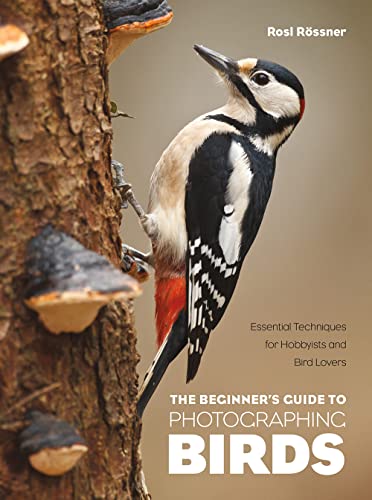
The Beginner’s Guide to Photographing Birds is ideal for hobbyists and bird lovers who want to enhance their photography skills and capture stunning images of birds in their natural habitat. This guide is perfect for those new to bird photography, offering essential techniques that are easy to understand and apply. Whether you’re using a basic camera or a more advanced setup, this book provides valuable insights to help you get started and improve your craft.
Pros:
- Comprehensive yet accessible content for beginners
- Detailed techniques tailored specifically for bird photography
- Compact and lightweight design, easy to carry in the field
- Includes practical tips on camera settings and composition
- Published by Rocky Nook, known for quality photography books
Cons:
- Focuses mainly on beginners, may not satisfy advanced photographers
- Limited to 240 pages, so some topics are covered briefly
- Publication date (2022) means some latest camera tech may not be included
This guide offers a well-structured introduction to the fundamentals of bird photography, emphasizing techniques that help users understand bird behavior and lighting conditions. The book’s practical approach enables readers to quickly grasp how to adjust their camera settings for sharp, vibrant bird images. Its compact size (9.75 x 7.25 x 0.5 inches) and light weight (approximately 1.65 pounds) make it convenient for photographers to bring along on outdoor trips, ensuring easy access to tips and reminders while in the field.
By focusing on essential concepts such as composition, focus, and patience, the guide empowers hobbyists to develop their skills without feeling overwhelmed. It also highlights ways to respect wildlife and capture ethical photographs, enhancing both the quality of images and the overall experience of bird photography. For those passionate about birds and eager to improve their photo results, this book serves as an invaluable resource that lays a solid foundation for future growth.
The New Stokes Field Guide To Birds

Ideal for avid bird watchers and nature enthusiasts exploring the western regions of North America, The New Stokes Field Guide to Birds: Western Region is a comprehensive resource designed to help users identify and learn about a diverse array of bird species. Whether you’re a beginner eager to start birding or an experienced birder seeking detailed information, this guide offers valuable insights and vivid illustrations to enhance your outdoor adventures.
Pros:
- Extensive coverage with 592 pages of detailed bird descriptions.
- Illustrated edition providing clear, accurate visual identification.
- Compact and portable dimensions (8.75 x 5.75 x 1.25 inches) ideal for field use.
- Published by the reputable Little, Brown and Company, ensuring quality and reliability.
- Includes both common and rare bird species found in the western region.
Cons:
- Weighs nearly 2 pounds, which might be slightly heavy for some to carry on long hikes.
- Publication date from 2013 may mean some newer bird sightings or taxonomy updates are missing.
- Large volume might be overwhelming for casual bird watchers looking for a quick reference.
The New Stokes Field Guide to Birds: Western Region stands out as a meticulous and richly illustrated guide that supports bird identification with detailed descriptions and color plates. Its size and weight make it durable and substantial, suited for serious birders who value comprehensive information over a lightweight guidebook. The inclusion of numerous species along with habitat and behavioral notes allows users to deepen their understanding of bird life in the western United States.
Moreover, the guide’s clear organization and quality illustrations make it easier for users to distinguish between similar species, which enhances the birding experience. Despite its heft, the book’s portability remains practical for field use, fitting comfortably in backpacks or field bags. Overall, this edition is a trusted companion for those committed to exploring and appreciating the rich avian diversity found in the western region.
Stokes Beginner’s Guide To Hummingbirds

The Stokes Beginner’s Guide to Hummingbirds is ideal for nature enthusiasts, bird watchers, and anyone interested in learning more about these fascinating creatures. Whether you are a novice eager to identify hummingbird species or looking to deepen your understanding of their behavior and habitat, this guide offers accessible and comprehensive information tailored specifically for beginners.
Pros:
- Concise and easy-to-understand content ideal for beginners
- Compact size with dimensions of 7.125 x 4.625 x 0.5 inches, making it portable
- Published by the reputable Little, Brown and Company
- Contains 116 pages packed with useful information
- Lightweight at just under 0.4 pounds, perfect for carrying on outdoor excursions
Cons:
- Publication date is from 2002, so some information may be slightly outdated
- Relatively short length might limit in-depth coverage of advanced topics
This guide offers a well-structured introduction to hummingbirds, focusing on identification, natural history, and practical tips for attracting these birds. Its concise format allows readers to quickly grasp essential concepts without being overwhelmed, making it perfect for casual readers and budding bird watchers. The book’s compact and lightweight design ensures it can easily accompany you on hikes or bird-watching trips, providing valuable reference material on the go.
With its clear illustrations and straightforward explanations, the Stokes Beginner’s Guide to Hummingbirds helps users develop a deeper appreciation for these remarkable birds. It also provides insights into their feeding habits and environmental needs, enabling readers to create hummingbird-friendly gardens or feeders. Overall, this guide balances informative content with user-friendly design, making it a valuable resource for anyone starting their journey into the world of hummingbirds.
The Laws Guide To Drawing Birds

The Laws Guide to Drawing Birds is ideal for artists, bird enthusiasts, and beginners who want to improve their drawing skills with a focus on avian subjects. Whether you are a hobbyist or an aspiring illustrator, this guide offers step-by-step instructions and detailed illustrations to help you accurately capture the beauty and anatomy of birds.
Pros:
- Comprehensive 128-page illustrated edition with clear, easy-to-follow instructions.
- Compact dimensions (11.25 x 8.5 x 0.5 inches) make it portable and convenient for on-the-go sketching.
- Published by Heyday, ensuring quality content and reliable guidance.
- Lightweight at just over 2 pounds, perfect for carrying in a backpack or art bag.
- Focuses on detailed anatomical features, helping users create realistic bird drawings.
Cons:
- Limited to bird subjects, which may not suit artists interested in broader drawing topics.
- Publication date (2015) means some modern drawing techniques or materials may not be covered.
- Relatively thin book with 128 pages, which might feel concise for advanced artists seeking in-depth tutorials.
This guide excels in breaking down complex bird anatomy into simple, manageable steps that anyone can follow. The detailed illustrations paired with clear instructions allow users to develop both their observational skills and artistic techniques. Its lightweight and compact size means artists can easily take it outdoors to practice drawing birds in their natural habitats, enhancing the learning experience.
Additionally, the book’s focus on realistic depiction provides a solid foundation for artists to build upon, fostering confidence and improving accuracy in their sketches. While it is specialized in birds, the skills learned here can translate to other wildlife drawing projects, making it a valuable resource for nature artists. Overall, The Laws Guide to Drawing Birds combines practical guidance with artistic inspiration, making it a must-have for anyone passionate about bird art.
Beginners Guide To Backyard Bird Photography

The Beginners Guide To Backyard Bird Photography is an ideal resource for amateur photographers, bird enthusiasts, and anyone looking to combine a love of nature with photography. If you’ve always wanted to capture the beauty of local birds without venturing far from home, this guide is perfect for you. It’s tailored for beginners who seek a comprehensive yet accessible introduction to photographing birds in their natural habitat.
Pros:
- Easy-to-understand instructions suitable for beginners.
- Compact size makes it convenient to carry during outdoor photography sessions.
- Insightful tips on how to attract birds to your backyard.
- High-quality illustrations that enhance learning.
Cons:
- Limited number of pages may leave advanced photographers wanting more.
- Focuses primarily on backyard settings, which might not appeal to all bird photography enthusiasts.
The Beginners Guide To Backyard Bird Photography offers an array of features designed to enhance the novice photographer’s experience. With its clear instructions and visual examples, readers can quickly grasp the fundamentals of bird photography. The guide emphasizes the importance of understanding bird behavior, which is crucial for capturing those perfect shots. By learning how to anticipate movements, readers can significantly improve their photography skills.
Furthermore, the guide provides practical advice on creating an inviting space for birds, such as choosing the right feeders and plants. This not only increases the chances of spotting diverse bird species but also enriches the overall birdwatching experience. The lightweight and portable design of the book makes it easy to carry, ensuring that readers can reference it during photography sessions. This guide serves as a valuable companion for anyone eager to explore the world of backyard bird photography.
Betterphoto Basics

The ideal customer for BetterPhoto Basics: The Absolute Beginner’s Guide to Taking Photos Like a Pro is someone who is just starting their journey in photography and wants to understand the fundamentals of taking great pictures. Whether you’re a hobbyist looking to improve your skills or a complete beginner eager to explore the world of photography, this guide is designed to help you capture stunning images with confidence.
Pros:
- Comprehensive guide for beginners.
- Easy-to-understand language and explanations.
- Visually appealing with colorful illustrations.
- Practical tips and techniques for immediate improvement.
Cons:
- Limited depth for advanced photographers.
- Dated publication may miss out on latest trends.
This guide, published by Amphoto Books, covers a wide range of topics that are essential for any aspiring photographer. With its 240 pages of content, the book is jam-packed with useful information, from understanding camera settings to mastering composition. The multicolor design not only makes it visually appealing but also helps readers easily follow along with the examples provided.
One of the standout features of this book is its practical approach to learning. Each chapter includes hands-on exercises that encourage readers to apply what they’ve learned in real-world scenarios. This approach ensures that you’re not just passively reading but actively engaging with the material. Additionally, the book’s compact dimensions make it a convenient companion for on-the-go learning, ensuring you can take it with you wherever your photography adventures lead.
The Beginner’s Guide To Chinese Painting

The Beginner’s Guide to Chinese Painting: Birds and Insects is ideal for aspiring artists, hobbyists, and anyone interested in exploring the traditional art of Chinese painting. Whether you are new to painting or looking to expand your skills with a focus on natural subjects like birds and insects, this guide offers a comprehensive introduction tailored to beginners.
Pros:
- Clear, step-by-step instructions perfect for beginners
- Focuses on detailed techniques for painting birds and insects
- Compact size with 56 pages makes it easy to follow and carry
- Published by reputable brands: Tuttle Publishing and Shanghai Press
- Helps develop traditional Chinese painting skills and appreciation
Cons:
- Limited to birds and insects, may not cover other subjects
- Only available in one edition (2010), might lack updated techniques
- Relatively thin book with 56 pages might feel brief to advanced learners
This guidebook emphasizes the fundamentals of Chinese painting techniques, focusing on the intricate details required to capture the essence of birds and insects. The step-by-step lessons provide clear illustrations and explanations, enabling users to grasp brush strokes, composition, and ink usage. The compact dimensions (11.25 inches by 8.5 inches) make it easy to handle during practice sessions, and its lightweight design ensures portability.
By following the methods outlined in this guide, users benefit from an authentic introduction to traditional Chinese art, fostering both technical skills and cultural understanding. The book’s focus on natural subjects encourages observation and patience, essential qualities for any artist. Overall, this beginner-friendly manual from Tuttle Publishing and Shanghai Press is a valuable resource for those eager to start their journey into Chinese painting.
A Beginner’s Guide To Bird And Wildlife Photography

A Beginner’s Guide to Bird and Wildlife Photography is ideal for nature enthusiasts and aspiring photographers who want to capture the beauty of birds and wildlife. This guide is perfect for those who are new to wildlife photography and seek a comprehensive introduction to the techniques and equipment needed to take stunning photos in natural settings. Whether you are a hobbyist or someone looking to improve your photography skills in outdoor environments, this book offers valuable insights to get started.
Pros:
- Written by experienced author Alan D. Wilson, ensuring expert guidance.
- Focuses specifically on bird and wildlife photography, tailored for beginners.
- Offers practical tips on camera settings and composition for natural subjects.
- Encourages understanding of animal behavior to improve photo timing and quality.
Cons:
- Publication date is 2008, so some newer photography technologies might not be covered.
- Does not include a specified number of pages, which may indicate a brief or concise format.
- Limited to beginner-level content, may not satisfy advanced photographers looking for in-depth techniques.
This guide emphasizes foundational skills such as choosing the right camera settings and understanding lighting conditions, which are crucial for capturing wildlife effectively. Readers will benefit from learning how to approach subjects quietly and patiently, which enhances the chances of getting natural and candid shots. The book’s focus on the unique challenges of outdoor photography helps beginners avoid common mistakes and build confidence behind the lens.
By following the advice in this guide, users gain an appreciation for the nuances of photographing birds and wildlife, including how to anticipate animal movements and use natural habitats as backgrounds. The practical nature of the content allows readers to apply techniques immediately during their outdoor excursions, resulting in more engaging and professional-looking images. Overall, it serves as a helpful starting point for anyone eager to explore the rewarding world of wildlife photography.
Frequently Asked Questions
What Equipment Is Best For Beginner Bird Photography?
Start with a DSLR or mirrorless camera and a telephoto lens (200mm+). A tripod helps stabilize shots. Choose lightweight gear for easy handling during long shoots.
How Do I Find Birds To Photograph Easily?
Visit local parks, nature reserves, or your backyard early morning. Use bird guides like The New Stokes Field Guide. Patience and quietness attract birds closer for photos.
What Camera Settings Work Best For Bird Photography?
Use fast shutter speeds (1/1000s+) to freeze motion. Set ISO to balance light without grain. Use continuous autofocus and burst mode for sharp, action shots.
How Can Beginners Improve Bird Photography Skills Quickly?
Practice regularly and study bird behavior. Use guides like Stokes Beginner’s Guide to Hummingbirds. Experiment with lighting and angles to capture unique images.
What Are Common Mistakes In Beginner Bird Photography?
Avoid slow shutter speeds causing blur. Don’t disturb birds or habitats. Avoid cluttered backgrounds. Focus on the bird’s eye for impactful photos.
How To Photograph Backyard Birds Effectively?
Set up feeders and birdbaths to attract birds. Use natural light early morning or late afternoon. Shoot from a hidden spot to avoid scaring birds away.
Conclusion
Bird photography is a rewarding hobby that brings you closer to nature. Patience and practice help you improve your skills over time. Use simple gear first and learn to observe bird behavior carefully. Try different angles and lighting to capture unique shots.
Respect birds and their habitats to keep them safe. Remember, every photo teaches you something new. Keep your camera ready and enjoy the peaceful moments outdoors. With steady effort, your bird photos will become clearer and more beautiful. Stay curious, keep learning, and have fun capturing the amazing world of birds.




