
Bird photography captures the beauty and behavior of birds in their natural settings. Starting this hobby requires patience, simple gear, and basic knowledge.
Bird photography offers a wonderful way to connect with nature and improve your photography skills. Begin by learning about local birds and their habits. Choose a camera with a good zoom lens to get clear shots from a distance. Find quiet spots where birds often visit, like gardens or parks.
Use natural light and avoid sudden movements to prevent scaring birds away. Practice regularly to understand bird behavior and improve your timing. With time, you will capture stunning images that tell a story. Bird photography is enjoyable and peaceful, making it a great outdoor activity for all ages.
Backyard Bird Photography
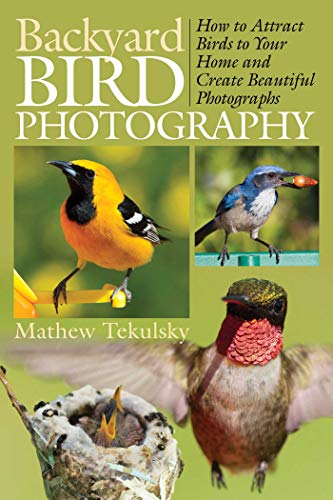
Ideal for nature enthusiasts, amateur photographers, and anyone looking to enhance their outdoor experience, Backyard Bird Photography: How to Attract Birds to Your Home and Create Beautiful Photographs is perfect for those who want to learn practical techniques to invite birds into their own space and capture stunning images. This guide suits readers who appreciate both the art of photography and the joy of wildlife observation right in their backyard.
Pros:
- Comprehensive tips on attracting a variety of bird species to your home
- Step-by-step guidance on creating beautiful bird photographs
- Compact and portable with a manageable size (9.0 x 0.7 x 6.0 inches)
- Written by a reputable brand, Skyhorse, ensuring quality content
- Includes 224 pages of detailed information, published in 2014, combining experience with practical advice
Cons:
- Publication date (2014) may mean some techniques are less updated with the latest technology
- Primarily focused on backyard settings, which might limit application for those seeking bird photography in wild environments
This book offers a wealth of knowledge on how to effectively attract birds, highlighting essential techniques such as choosing the right feeders, understanding bird behavior, and setting up your shooting environment. Readers benefit from practical advice that enhances their ability to capture vivid and intimate photographs without disturbing the birds. The manageable size and weight make it easy to carry around during outdoor sessions.
Additionally, the publication by Skyhorse ensures that the content is well-researched and trustworthy. With 224 pages, the book delves deeply into both the technical aspects of photography and the ecological considerations of bird attraction. This combination allows users to develop a respectful and rewarding approach to backyard bird photography, making it an invaluable resource for hobbyists and aspiring photographers alike.
Mastering Bird Photography

Mastering Bird Photography: The Art, Craft, and Technique of Photographing Birds and Their Behavior is ideal for avid photographers, nature enthusiasts, and bird watchers who want to elevate their skills in capturing stunning images of birds. Whether you are a beginner or an experienced photographer looking to deepen your understanding of bird behavior and photography techniques, this book provides comprehensive guidance to help you achieve professional-quality results.
Pros:
- Comprehensive coverage of both the artistic and technical aspects of bird photography
- Illustrated edition with detailed images to support learning
- Includes insights into bird behavior to improve timing and shot composition
- Compact and portable size (8.0 x 1.0 x 10.25 inches) making it easy to carry on field trips
- 340 pages of in-depth content published by a reputable brand, Rocky Nook
Cons:
- Some techniques may require advanced photography equipment not owned by beginners
- Weight of 2.31 pounds might be slightly heavy for carrying on long hikes
- Publication date from 2019 may not include the very latest camera technology
This book stands out by combining the art and craft of bird photography with practical techniques, making it a valuable resource for photographers interested in wildlife. The detailed explanations on bird behavior enable users to anticipate movements, resulting in more dynamic and engaging photographs. Additionally, the illustrated format enhances understanding by providing visual examples alongside theoretical concepts.
The physical dimensions and weight make it a durable companion for outdoor excursions, while the 340 pages ensure an extensive exploration of the subject. Published by Rocky Nook, the book maintains a high standard of quality and credibility. Overall, readers gain not only technical skills but also a deeper appreciation of avian subjects, elevating their photographic experiences.
Learn The Art Of Bird Photography

Ideal for beginning and intermediate photographers and birders, Learn the Art of Bird Photography: The Complete Field Guide by CREATESPACE offers a comprehensive introduction to capturing stunning images of birds in their natural habitats. If you are passionate about wildlife photography and eager to improve your skills specifically in bird photography, this guide is tailored to help you navigate the challenges and techniques essential for success.
Pros:
- Detailed instructions suitable for both beginners and intermediate users
- Compact size and lightweight design for easy field use
- Includes practical tips on equipment, settings, and bird behavior
- Published by a reputable independent platform, ensuring focused content
- Contains 154 pages filled with valuable photography insights
Cons:
- Limited to beginner and intermediate skill levels, less useful for advanced photographers
- Published in 2018, some photography technology updates may not be included
- Physical dimensions may not suit those looking for a pocket-sized guide
This guide stands out with its clear, step-by-step approach to mastering the nuances of bird photography. The book covers essential topics such as camera settings, composition, and understanding bird behavior, which together empower users to capture more dynamic and engaging photographs. Its thoughtful layout and practical advice make it easy for readers to apply techniques directly in the field.
Additionally, the book’s moderate length of 154 pages strikes a balance between comprehensive coverage and digestibility, making it an ideal companion for photographers who want to enhance their skills without feeling overwhelmed. The lightweight and portable design further ensures that you can carry this guide on your outdoor excursions with ease, helping you make the most of every birding opportunity.
Bird Photography

Bird Photography: A Beginner’s Guide to Mastering the Art of Capturing Stunning Images of Birds is ideal for aspiring photographers who have a passion for nature and want to develop their skills specifically in bird photography. Whether you are a complete beginner or someone looking to improve your technique, this guide offers practical insights and easy-to-follow instructions to help you capture breathtaking images of birds in their natural habitats.
Pros:
- Concise and clear instructions tailored for beginners
- Compact and lightweight with dimensions 11.0 x 8.5 inches, making it easy to carry outdoors
- Comprehensive coverage of essential bird photography techniques in just 66 pages
- Published by CreateSpace Independent Publishing Platform, ensuring reliable content
- Focuses on practical tips to quickly improve photography skills
Cons:
- Relatively short length may limit in-depth coverage of advanced topics
- Publication date from 2017 means some newer photography technology may not be included
- Primarily designed for beginners, so advanced photographers might find it too basic
This guide emphasizes the fundamental aspects of bird photography, such as understanding bird behavior, camera settings, and composition techniques that help beginners capture stunning photos with confidence. The book’s manageable size and clear layout make it perfect for outdoor use, allowing users to quickly reference tips while shooting. Its focus on practical advice ensures that readers gain actionable knowledge rather than overwhelming theoretical concepts.
By mastering the core techniques presented, users can enhance their ability to photograph birds in diverse environments and lighting conditions. The guide’s approachable style makes complex topics accessible, enabling hobbyists to see rapid improvement in their work. Overall, this book offers a valuable foundation for anyone eager to explore the rewarding field of bird photography.
The Bird Watching Answer Book

The Bird Watching Answer Book is ideal for both beginners and experienced bird enthusiasts who want to deepen their knowledge and enjoyment of birds in their backyard and beyond. If you love spending time outdoors, observing nature, and learning about different bird species, this book offers comprehensive insights that cater to hobbyists seeking practical guidance and fascinating facts. It is especially suitable for those who appreciate detailed illustrations and clear explanations to enhance their bird watching experience.
Pros:
- Comprehensive coverage of bird watching topics, perfect for all skill levels
- Illustrated edition with detailed images to help identify bird species
- Compact and lightweight design makes it easy to carry outdoors
- Published by the reputable Cornell Lab of Ornithology, ensuring credible and accurate information
- Includes practical tips and answers to common bird watching questions
Cons:
- Some information may be slightly dated since the publication date is 2009
- Limited to North American bird species, which may not be useful for international birders
- Not a field guide with extensive species photos, but rather an answer book format
This book features 400 pages packed with valuable knowledge curated by Storey Publishing in collaboration with the Cornell Lab of Ornithology. The illustrated edition provides clear and engaging visuals that complement the informative content, making it easier for readers to recognize various birds and understand their behaviors. Its manageable size of 6.5 inches in height and lightweight design allows bird watchers to easily take it along on hikes or backyard sessions, enhancing convenience without compromising on detail.
Readers benefit from a wide range of topics covered, including bird identification tips, habitat information, feeding habits, and ways to attract birds to your surroundings. The book’s structured Q&A format addresses common curiosities, making it accessible and enjoyable to read. By equipping users with expert knowledge and practical advice, The Bird Watching Answer Book helps transform casual observers into confident bird watchers, enriching their outdoor experiences and fostering a deeper connection with nature.
The Art Of Bird Finding

For birdwatching enthusiasts, nature lovers, or those looking to enhance their wildlife observation skills, “The Art of Bird Finding: Before You ID Them, You Have to See Them” is an indispensable resource. Ideal for both beginners and seasoned birders, this book offers valuable insights into the art of locating birds before identifying them, making it a perfect companion for anyone eager to improve their bird-finding techniques.
Pros:
- Compact size makes it easy to carry during field trips.
- Clear instructions on bird-finding techniques.
- Informative content tailored for both beginners and experienced birdwatchers.
Cons:
- Limited number of pages might not cover advanced techniques in depth.
- Publication date might lead to some outdated references.
This book stands out with its focus on the practical aspects of bird finding. Unlike typical bird guides that primarily emphasize identification, it delves into the strategies for locating birds in their natural habitats. The detailed guidance provided helps readers understand where and how to look for birds, which is a crucial skill for anyone serious about birdwatching. With easy-to-follow instructions, even a novice can quickly learn to spot birds more effectively.
Another remarkable feature of this book is its emphasis on observation techniques. It teaches readers to become more aware of their surroundings and to recognize the subtle cues that often indicate a bird’s presence. This enhanced awareness not only aids in bird finding but also enriches the overall outdoor experience. By mastering these skills, users can enjoy a more satisfying and successful birdwatching experience, making this book a valuable addition to any birder’s library.
Birdwatching For Beginners

Birdwatching for Beginners: The Ultimate Guide to Bird Watching is perfect for nature enthusiasts who are new to the hobby of birdwatching. If you are someone eager to learn how to start observing birds and want a comprehensive, easy-to-follow resource, this guide is an ideal choice. It caters to beginners looking for practical advice, tips, and foundational knowledge to enjoy birdwatching confidently.
Pros:
- Comprehensive yet concise with 81 pages of detailed information
- Published recently in 2022, ensuring up-to-date content
- Easy-to-understand language suitable for beginners
- Covers essential topics on how to start birdwatching effectively
- Provides practical tips that help users identify birds and enjoy the hobby
Cons:
- Limited depth for advanced birdwatchers seeking expert-level detail
- Relatively short length may not cover every specific species or region
This guide offers clear and practical instructions that introduce readers to the world of birdwatching. It covers everything from selecting the right equipment to understanding bird behavior, making it easier for beginners to get started without feeling overwhelmed. The publication’s recent release date ensures that the information is current and relevant to today’s birdwatching community.
By focusing on foundational skills and essential knowledge, this book helps users build confidence while exploring nature. The benefits of following the guide include improved bird identification skills, enhanced appreciation for wildlife, and the ability to enjoy birdwatching as a relaxing and educational outdoor activity. Overall, it is a valuable resource for anyone looking to embark on their birdwatching journey.
Beginner’s Guide To Birdwatching

The BEGINNER’S GUIDE TO BIRDWATCHING is perfect for nature enthusiasts, amateur photographers, and anyone looking to explore a new hobby. If you have a passion for wildlife and want to learn more about bird species, their habits, and how to capture stunning photographs, this guide is your ideal companion.
Pros:
- Comprehensive guide covering all aspects of birdwatching.
- Easy-to-follow instructions suitable for beginners.
- Tips on attracting birds to your garden.
- High-quality photographs for identification assistance.
Cons:
- Limited to 21 pages, which may not cover all advanced topics.
- Published in 2021, some information may be outdated.
The BEGINNER’S GUIDE TO BIRDWATCHING offers a step-by-step approach to help newcomers grasp the essentials of birdwatching. It covers how to start, the appropriate attire, and techniques for identifying birds. The guide also shares insights on how to attract birds to your garden, making it a practical resource for those who wish to observe birds in a natural setting. By understanding the basics, users can quickly become adept at recognizing different bird species and their behaviors.
Additionally, the guide delves into the art of bird photography, providing tips on capturing great photographs that highlight the beauty and diversity of birds. Whether you’re using a simple smartphone camera or a professional setup, the techniques discussed can significantly enhance your photography skills. The guide’s emphasis on photography not only enriches the birdwatching experience but also allows enthusiasts to document and share their discoveries with others.
The Bluebird Monitor’s Guide To Bluebirds And Other Small Cavity Nesters

The Bluebird Monitor’s Guide to Bluebirds and Other Small Cavity Nesters is ideal for bird enthusiasts, wildlife monitors, and conservationists who want a comprehensive resource on identifying and supporting small cavity-nesting birds. Whether you are a beginner or an experienced birder looking to deepen your knowledge, this guide provides valuable insights into the habits and habitats of bluebirds and similar species.
Pros:
- Detailed identification tips tailored for bluebirds and other cavity nesters
- Compact and easy-to-carry with dimensions of 10.75 inches height and 8.25 inches length
- Comprehensive content spanning 128 pages for in-depth learning
- Produced by a reputable brand, Collins Reference, ensuring quality and reliability
- Lightweight at approximately 1.1 pounds, perfect for field use
Cons:
- First edition published in 2001, so some information might be dated
- No width dimension specified, which could affect storage considerations
- Focuses mainly on bluebirds and similar cavity nesters, limiting coverage of other bird types
This guide offers a well-structured approach to understanding the behavior and ecology of bluebirds and other small cavity-nesting birds. The detailed descriptions and monitoring tips enable users to identify species accurately and encourage effective conservation efforts. Its compact size and lightweight design make it an excellent companion for outdoor birdwatching sessions.
The book’s thorough coverage of nesting habits, habitat preferences, and monitoring techniques benefits users by helping them support local bird populations effectively. Though published in 2001, its trusted insights from Collins Reference remain valuable for both amateur and professional bird monitors interested in contributing to wildlife preservation.
Wildlife Photography

The book Wildlife Photography: An Expert Guide is ideal for both amateur and professional photographers who are passionate about capturing the beauty of nature. If you are someone looking to enhance your skills in photographing wildlife, understand animal behavior, and improve your technical knowledge, this guide is tailored for you. It suits those eager to explore the outdoors with their camera and produce stunning, high-quality images of animals in their natural habitats.
Pros:
- Comprehensive coverage with 375 pages of detailed information.
- Published by Ilex Press, a reputable source in photography guides.
- Includes expert tips on camera settings, composition, and ethical wildlife photography.
- Helps readers understand animal behavior to anticipate and capture better shots.
- Offers practical advice for both beginners and advanced photographers.
Cons:
- Published in 2018, some technological updates may be missing.
- Large volume might be overwhelming for casual readers.
This expert guide dives deep into the world of wildlife photography, providing readers with a solid foundation in both the artistic and technical aspects of the craft. It covers essential topics such as choosing the right equipment, mastering exposure settings, and understanding lighting conditions in outdoor environments. By following the advice in this book, photographers can significantly improve their ability to capture sharp, compelling images of animals in action.
Beyond technical guidance, the book emphasizes ethical considerations and respect for wildlife, ensuring that photographers minimize their impact on natural habitats. The detailed explanations about animal behavior also empower readers to anticipate movements, resulting in more dynamic and engaging photographs. Overall, this guide serves as an invaluable resource for anyone serious about advancing their wildlife photography skills.
Frequently Asked Questions
How Do I Attract Birds To My Backyard For Photography?
To attract birds, provide food, water, and shelter in your yard. Use feeders with seeds or suet. Add birdbaths and native plants for natural cover. Regularly clean feeders and water sources to keep birds healthy and encourage repeat visits.
What Camera Settings Work Best For Bird Photography?
Use a fast shutter speed (1/1000s or faster) to freeze motion. Set a wide aperture (f/4-f/8) for sharp focus and background blur. Use continuous autofocus and burst mode to capture quick bird movements. Adjust ISO based on light conditions to avoid noise.
How Can Beginners Improve Bird Photography Skills?
Practice patience and observe bird behavior to anticipate actions. Start with common birds and simple backgrounds. Use a telephoto lens for close-up shots. Learn basic composition rules and experiment with lighting. Review photos to identify areas for improvement.
What Equipment Is Essential For Bird Photography Beginners?
A DSLR or mirrorless camera with a telephoto lens (200mm or longer) is key. A tripod or monopod helps stabilize shots. Optional gear includes binoculars for spotting birds and a remote shutter release to reduce camera shake.
How Do I Identify Birds Before Photographing Them?
Study field guides or use bird identification apps. Observe size, color, shape, and behavior. Listen to bird calls. Knowing bird species helps anticipate their movements and choose the best photo opportunity.
When Is The Best Time To Photograph Birds?
Early morning and late afternoon offer soft, warm light and active birds. Avoid harsh midday sun to prevent shadows. Dawn and dusk are ideal for capturing natural bird behaviors and vibrant colors.
Conclusion
Starting bird photography is a rewarding and peaceful hobby anyone can enjoy. Patience and practice help you take better photos over time. Use simple tools like a camera and a small tripod to begin. Watching birds closely teaches you about their habits and behavior.
Setting up feeders or birdbaths attracts birds to your yard, making photography easier. Try different angles and lighting to capture unique shots. Remember, every photo is a chance to learn something new. Enjoy the quiet moments spent outdoors and the beauty of nature around you.
With steady effort, your skills will improve naturally. Keep exploring, observing, and snapping pictures. Bird photography not only creates lasting memories but also connects you deeply with wildlife. Start small, stay curious, and have fun with every click of the camera.
Your journey into bird photography has just begun.




