
Have you ever wondered if using a camera flash near baby birds could harm them? You might want to capture those adorable moments, but what if your flash is actually causing distress or damage?
Understanding how camera flashes affect these fragile little creatures is important—not just for your photos, but for their safety too. Keep reading to discover the surprising facts about camera flashes and baby birds, and learn how you can protect them while still getting great shots.
Effects Of Camera Flash On Birds
Camera flash can impact birds in many ways. The sudden bright light may startle them. Birds rely on their vision to stay safe and find food. Flash can interrupt their normal behavior. This impact is even stronger on baby birds. Understanding these effects helps protect wildlife during photography.
How Flash Light Affects Wildlife
Wild animals are sensitive to light changes. A flash can cause stress or confusion. Bright light may make birds freeze or fly away. This reaction wastes their energy. Repeated flashes can disturb their rest and feeding. Nocturnal animals suffer more from sudden light. It can disrupt their sleep and hunting patterns.
Sensitivity Of Baby Birds’ Eyes
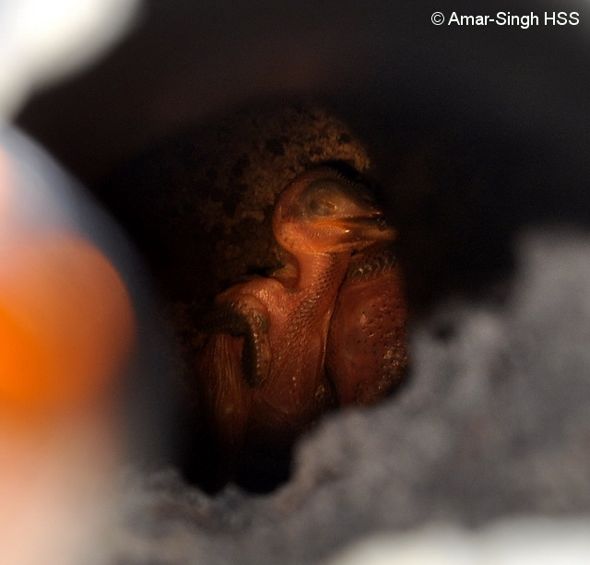
Baby birds have very delicate eyes. Their vision is still developing after hatching. Bright flash may cause discomfort or damage. Their eyes cannot adjust quickly to strong light. Flash can cause temporary blindness or disorientation. Protecting young birds from harsh light is crucial. Avoid using flash near nests or young birds.
Credit: besgroup.org
Scientific Studies On Flash And Birds
Scientific studies have explored the effects of camera flash on birds, especially baby birds. Researchers aim to understand if flash photography harms them or changes their behavior. These studies use controlled environments to observe birds’ reactions. Findings help photographers and bird watchers act responsibly.
Research Findings On Flash Impact
Many studies show brief camera flashes do not cause physical harm to baby birds. Their eyes are adapted to bright light, making them less sensitive to short flashes. Some research notes no lasting damage after repeated flash exposure. However, intense or continuous light can stress young birds.
Scientists also measured stress hormones in birds exposed to flashes. Results indicate mild stress but no serious health issues. The key is to avoid frequent or very bright flashes near nests.
Behavioral Changes In Birds
Behavioral changes appear more often than physical harm. Flash exposure can startle birds, causing them to freeze or fly away. Baby birds may become quiet or hide after a flash. Parents might delay feeding or leave the nest briefly.
Repeated disturbances can affect feeding routines and growth. Some species are more sensitive than others. Short, rare flashes usually do not cause long-term behavior problems.
Common Myths About Flash And Birds
Many people worry that using a camera flash near baby birds might harm them. This concern has created several myths that spread quickly among bird watchers and photographers. Understanding the truth behind these myths helps you capture beautiful images without causing unnecessary stress to the birds.
Debunking Popular Misconceptions
One common myth claims that a camera flash can blind baby birds permanently. However, bird eyes are quite resilient, and brief flashes of light do not cause lasting damage. Baby birds might be startled, but this reaction is temporary and similar to how they respond to sudden natural light changes.
Another misconception is that the flash will scare the parent birds away forever. Parents might momentarily hesitate, but they usually return quickly to care for their young. If you notice a longer absence, it’s more likely due to other disturbances rather than your camera flash.
Real Risks Versus Exaggerations
While flash doesn’t cause permanent harm, it can stress baby birds if used excessively or too close. Stress in young birds can affect their growth and feeding habits, so it’s important to use flash sparingly. You can minimize risks by keeping a safe distance and using natural light whenever possible.
Ask yourself: Are you prioritizing the bird’s well-being over the perfect shot? Sometimes, waiting for better natural light or adjusting your camera settings can produce great photos without any flash at all. Your respect and patience can make a big difference in protecting these fragile creatures.

Credit: masterofhort.com
Best Practices For Photographing Baby Birds
Photographing baby birds requires care and attention to protect these fragile creatures. Following best practices helps capture beautiful images without causing harm. It also ensures the birds stay calm and safe during your shoot.
Safe Lighting Techniques
Avoid using camera flash directly on baby birds. Flash can startle or stress them. Use natural light whenever possible. Early morning or late afternoon provides soft, warm light that enhances photos. If extra light is needed, use a diffuser or bounce light off a nearby surface. This softens the light and reduces harsh shadows. Always keep lights at a distance to avoid overheating or disturbing the birds.
Timing And Distance Tips
Approach baby birds quietly and slowly. Sudden movements can scare them or their parents. Stay at a safe distance to avoid disturbing the nest. Use a zoom lens to get close-up shots without getting too near. Observe the birds’ behavior to know the best time to take pictures. Early morning is often the calmest time. Limit the time spent near the nest to reduce stress on the birds and their parents.
Alternatives To Using Flash
Using a camera flash around baby birds can be risky, as sudden bright light may startle or disturb them. Instead of relying on flash, there are better ways to capture these delicate moments without causing harm. Let’s look at some practical alternatives that help you take clear photos while keeping the little birds safe and comfortable.
Natural Light Photography
Natural light is one of the safest and most beautiful ways to photograph baby birds. Early morning or late afternoon offers soft, warm light that enhances colors without being harsh.
Try positioning yourself so that the sunlight gently illuminates the bird from the side or behind. This creates a natural glow and highlights feathers in detail.
Have you noticed how birds behave differently in natural light? They seem calmer, letting you get closer and capture genuine moments without startling them.
Equipment For Low Light Conditions
If you find yourself in a shaded area or during cloudy days, don’t rush to use flash. Instead, adjust your equipment to handle lower light safely.
- Use a camera with good high ISO performance:This allows you to increase sensitivity to light without making the image grainy.
- Choose a fast lens:A lens with a wide aperture (like f/1.8 or f/2.8) lets more light in, helping you capture sharp images in dim conditions.
- Stabilize your camera:Using a tripod or image stabilization reduces blur from hand movements during longer exposures.
Have you tried adjusting your settings to suit the light rather than adding flash? It often leads to more natural and comfortable photos for your feathered subjects.
Ethical Considerations In Wildlife Photography
Camera flash can harm baby birds by startling them or disrupting their natural behaviors. Bright flashes might cause stress or disorientation, potentially affecting their development. Wildlife photographers should prioritize the well-being of these young creatures by avoiding flash use and maintaining a respectful distance.
Ethical wildlife photography is about capturing the beauty of nature without causing harm. It’s crucial to consider the impact of your actions on the environment and its inhabitants. The question of whether a camera flash can hurt baby birds is a part of this larger discussion.Respecting Wildlife Habitats
Respecting wildlife habitats is essential for ethical photography. Always keep a safe distance from nests and burrows. Avoid trampling vegetation or disturbing the natural environment. Think about how your presence might alter the habitat even after you leave.Minimizing Disturbance To Animals
Minimizing disturbance to animals helps maintain their natural behavior. Turn off your camera’s flash when photographing birds, especially baby ones. Consider using natural light or adjusting your camera settings to avoid startling them. Ask yourself if your photo is worth potentially distressing an animal. As photographers, you have the responsibility to balance your passion with the welfare of the subjects you capture.
Credit: www.green-feathers.co.uk
Frequently Asked Questions
Will Camera Flash Harm Baby Birds’ Eyesight?
Camera flash is unlikely to cause permanent harm to baby birds’ eyesight. However, sudden bright light may startle them temporarily. It’s best to avoid frequent flashes close to nests to prevent stress or disturbance.
Can Camera Flash Scare Baby Birds Away?
Yes, camera flash can startle and scare baby birds. Bright flashes may cause temporary disorientation or stress. Minimizing flash use helps keep baby birds calm and reduces the risk of them abandoning the nest.
Is It Safe To Photograph Baby Birds With Flash?
Photographing baby birds with flash occasionally is generally safe if done from a distance. Avoid repeated or close-range flash to prevent distress. Natural light photography is preferable for the birds’ comfort and safety.
Does Camera Flash Affect Baby Birds’ Feeding Behavior?
Camera flash can disrupt baby birds’ feeding by startling parents or chicks. Flash may cause parents to hesitate returning to the nest. Using natural light or minimizing flash use helps maintain normal feeding routines.
Conclusion
Camera flash usually does not harm baby birds. Their eyes adjust quickly to light changes. Still, avoid using flash very close to nests. Bright lights might startle or confuse them. Taking photos from a distance works best. Respect nature and keep baby birds safe.
Enjoy capturing moments without causing stress. Small actions help protect wildlife around us. Remember, gentle care makes a big difference.




