
If you love watching birds but don’t have trees in your yard, you might wonder where to hang bird feeders. You want to attract colorful birds and enjoy their songs, but without trees, it’s tricky to find the perfect spot.
Don’t worry—there are simple and smart ways to hang feeders that will bring birds right to you. Keep reading, and you’ll discover easy ideas to create a bird-friendly space, even if your yard feels empty. Your feathered friends are closer than you think!
Choosing The Right Location
Choosing the right location for your bird feeder without relying on trees is crucial. The spot you pick affects how often birds visit and how safe they feel. You want to create a welcoming space that attracts birds while keeping them protected and visible for your enjoyment.
Safety From Predators
Birds need a safe place to eat without the threat of predators like cats or hawks. Place feeders at least 5 feet away from any spots where predators could easily hide, such as bushes or fences. Avoid open areas where birds have nowhere to escape if danger approaches.
Consider using poles with predator guards to prevent climbing animals. Have you noticed how birds avoid feeders near dense shrubbery? That’s because predators often lurk there. Giving birds a clear line of sight helps them spot danger early and feel secure.
Accessibility For Birds
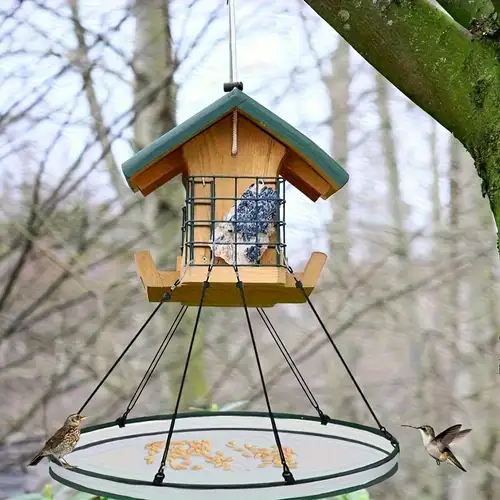
Think about how birds will reach your feeder. It should be easy for them to land and perch comfortably. Use feeders with wide perches or add a small platform to help birds balance.
Keep feeders away from busy human paths or noisy areas. Birds prefer quiet spots where they won’t be startled. Have you tried placing feeders near your garden or patio where you can watch without disturbing them? This balance keeps birds coming back regularly.
Visibility For Enjoyment
You want to enjoy watching the birds up close. Position feeders near windows or outdoor seating areas. This way, you can observe their colors and behavior easily without scaring them away.
Use bright feeders or add colorful elements around to catch birds’ attention. Have you ever placed a feeder and then wished you had it closer to your favorite chair? Moving feeders to spots where you spend time can turn birdwatching into a daily joy.
Credit: www.temu.com
Using Poles And Stakes
Using poles and stakes offers a flexible solution for hanging bird feeders without relying on trees. They allow you to place feeders exactly where you want, even in open spaces or patios. Plus, poles can support multiple feeders, attracting a variety of birds to your yard.
Types Of Poles To Use
Choose poles made of metal, wood, or sturdy plastic. Metal poles, like galvanized steel, resist rust and last long outdoors. Wooden stakes blend well with natural surroundings but may need treatment to avoid rot.
Consider telescoping poles if you want adjustable height. Some poles even come with decorative hooks or arms to hang multiple feeders. Think about the weight of your feeders to pick a pole that can handle the load without bending.
Securing Feeders Properly
Make sure your feeder hangs securely to prevent swings that scare birds away. Use strong hooks or S-shaped hangers designed for outdoor use. Tighten connections so feeders don’t spin excessively in the wind.
Attach feeders at a height safe from predators like cats or squirrels. Around 5 to 6 feet off the ground works well. Have you checked if your pole setup allows easy refilling and cleaning? Accessibility matters for keeping birds happy.
Enhancing Stability
Stability is key to prevent poles from tipping over during storms or when animals jump on them. Drive stakes deep into the ground—at least 12 inches—to anchor firmly. For extra support, use guy wires or attach the pole to a weighted base.
If your soil is loose, adding gravel or concrete around the base can improve steadiness. Have you noticed how a wobbly feeder discourages birds? A firm setup encourages them to visit more often.
Attaching To Structures
Attaching bird feeders to structures offers a practical solution when trees are not nearby. It creates safe spots for birds while keeping feeders stable and visible. Structures provide solid support, making feeding easier and tidier. Here are some ideal places on structures to hang your bird feeders.
Walls And Fences
Walls and fences offer sturdy surfaces for mounting feeders. Use hooks, brackets, or nails to secure feeders firmly. Choose spots with some shade to protect food from sun damage. Place feeders at bird eye level to attract more visitors. Avoid walls with heavy foot traffic to reduce disturbances. Fences provide easy access and can create a natural feeding corridor.
Porches And Decks
Porches and decks are perfect for hanging feeders within view. Attach feeders under eaves or on railing posts for shelter from rain. Use hanging hooks or poles to keep feeders stable. These spots offer safe feeding areas with some protection from predators. Enjoy watching birds up close while relaxing outdoors. Make sure feeders do not block walkways or doors.
Balconies And Railings
Balconies and railings give great opportunities to feed birds in urban spaces. Hang feeders using brackets or hooks designed for railings. Keep feeders away from windy spots to avoid spills. Position feeders where birds can perch safely nearby. Balconies offer a quiet place for birds in busy areas. Regular cleaning keeps feeders fresh and inviting for your feathered friends.
Creative Alternatives
Finding spots to hang bird feeders without trees calls for creative solutions. Gardens and yards offer many options beyond traditional branches. These ideas bring birds closer while adding charm to your outdoor space.
Hanging From Garden Art
Garden sculptures and metal art pieces make unique spots for bird feeders. Hooks or loops on garden decor can support feeders safely. This method blends nature with artistic style. It also adds interest to your garden view. Choose sturdy art that can bear the feeder’s weight.
Using Shepherd Hooks
Shepherd hooks are tall, curved poles designed to hold feeders. They are easy to place anywhere in your yard. Steel or iron hooks resist weather and last long. Place hooks near windows for great bird watching. Adjustable hooks let you change feeder height as needed.
Repurposing Household Items
Old items can get new life as bird feeder holders. Consider:
- Wooden ladders placed upright
- Metal stands from unused plant pots
- Hanging baskets with added feeder hooks
- Rustic stools or benches with hooks attached
These items add charm and sustainability to your garden. They create safe, eye-catching places for birds to feed.
Considerations For Different Bird Species
Choosing the right spot for your bird feeders depends largely on the types of birds you want to attract. Different bird species have unique feeding habits and preferences. Understanding these can help you place feeders in ways that invite more visitors and keep them safe.
Ground Feeders For Ground Birds
Some birds prefer feeding on the ground rather than perching. Species like doves, sparrows, and juncos look for seeds scattered at their feet. If you don’t have trees, try placing a platform feeder or scattering seeds directly on the ground in a quiet area.
Make sure this spot is away from busy pathways to reduce stress on the birds. Adding a bit of gravel or bare soil underneath can keep seeds dry and prevent mold. Have you noticed how certain birds only visit your garden floor? That’s your cue to set up a ground feeder.
High Perches For Songbirds
Songbirds such as finches, chickadees, and cardinals like to feed from elevated spots. Without trees, you can use poles, shepherd’s hooks, or even fence posts to hang feeders high. These perches give birds a good vantage point to spot predators while they eat.
Consider placing feeders near shrubs or tall plants for added cover. This makes birds feel safer, encouraging longer visits. How often do you see birds darting in and out of tall bushes? They’re using those natural “safe zones” to check their surroundings.
Sheltered Spots For Shy Birds
Some birds are nervous and prefer feeding in hidden or sheltered areas. Wrens and nuthatches fall into this category. Look for corners near walls, under eaves, or behind garden structures where wind and predators are blocked.
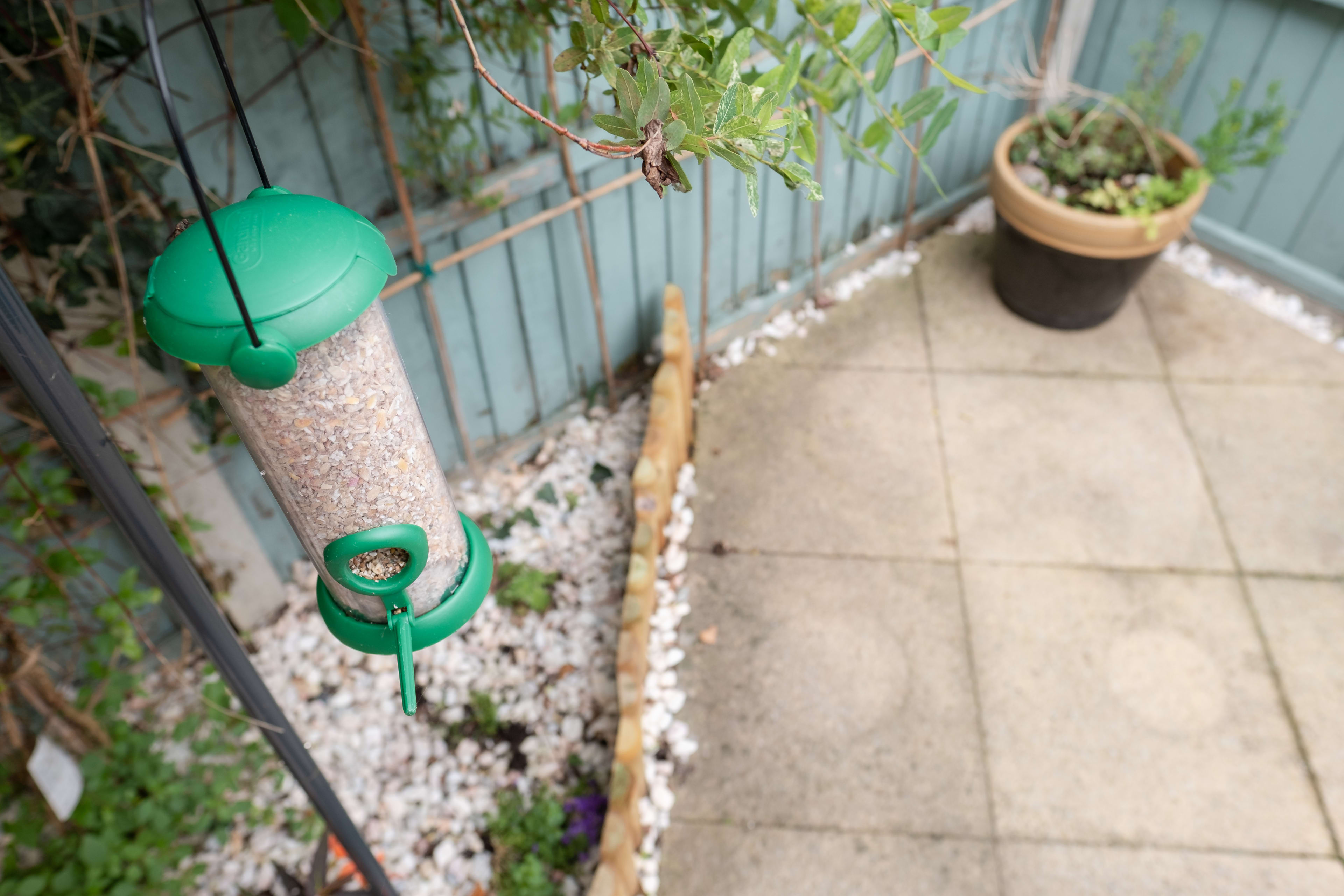
Using feeders with built-in covers or placing them close to dense shrubs can make shy birds feel more secure. Think about your own experience—would you eat in an open field or behind a protective barrier? Birds think the same way.
Credit: dengarden.com
Maintenance Tips
Install bird feeders on poles or hang them from porch eaves. Use brackets on fences or walls. Consider deck rail mounts for easy access and visibility.
Maintaining bird feeders in locations without trees requires a bit of creativity and consistent care. The absence of natural cover means more exposure to the elements and potential challenges with keeping your feeders clean and stocked. Let’s dive into some essential maintenance tips to ensure your feathered friends keep visiting.Cleaning Feeders Regularly
Bird feeders can quickly become dirty, attracting mold and bacteria that are harmful to birds. Aim to clean your feeders every two weeks. Use warm, soapy water and a brush to remove any residue or build-up. If you notice the feeder is particularly dirty, consider using a mild bleach solution to sanitize it. Rinse thoroughly and allow it to dry completely before refilling. Regular cleaning not only keeps birds healthy but also attracts more birds to your feeders.Refilling And Monitoring
Without trees, feeders are often more visible, leading to quicker depletion of seeds. Keep an eye on your feeders and refill them as needed to ensure a steady supply for visiting birds. Using a variety of seeds can attract different bird species and keep their interest alive. Keep track of the types of birds visiting and adjust your seed offerings accordingly. This not only helps in attracting a diverse bird population but also makes bird-watching more enjoyable.Protecting Feeders From Weather
Exposed feeders are more vulnerable to harsh weather conditions. Consider using weatherproof feeders or adding a small canopy to shield them from rain and snow. In my own experience, a simple umbrella or tarp can be an effective shield in a pinch. Ensure the feeders are securely fastened to prevent tipping over during strong winds. Think about how changing seasons might affect your feeders and adjust their location or protection accordingly. This proactive approach will ensure that your feeders remain a safe and welcoming spot for birds year-round.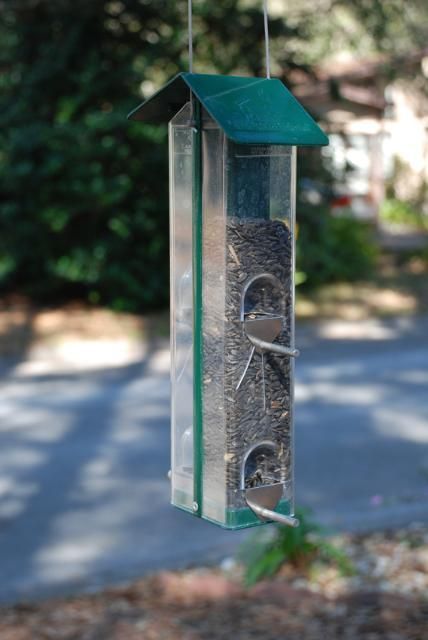
Credit: edis.ifas.ufl.edu
Frequently Asked Questions
Where Can I Hang Bird Feeders Without Trees?
You can hang bird feeders on poles, fences, or shepherd’s hooks. These spots provide stability and easy access for birds. Choose locations with some cover nearby for bird safety and visibility from your window for better viewing.
How To Secure Bird Feeders Without Natural Support?
Use sturdy poles or freestanding hooks with weighted bases to secure feeders. Attach feeders firmly to prevent tipping or swinging. This ensures feeders stay stable during wind or when birds land.
Can Bird Feeders Be Hung On Balconies Or Patios?
Yes, balconies and patios are great spots for hanging feeders. Use hooks, railings, or ceiling mounts. Ensure feeders are safely positioned to avoid mess and attract local birds.
What Height Is Best For Hanging Bird Feeders Without Trees?
Hang feeders about 4 to 6 feet above the ground. This height keeps birds safe from predators and allows easy refilling. Adjust based on bird species common in your area.
Conclusion
Bird feeders bring birds closer without needing trees. Use poles, fences, or balcony rails to hang them. Keep feeders safe from cats and strong wind. Place them near windows for easy birdwatching. Clean feeders often to keep birds healthy. Enjoy watching different birds visit your home.
Simple spots can attract many feathered friends. Start small and add more feeders over time. Birds will brighten your outdoor space every day.




