
Are you ready to take your bird watching to the next level? Choosing the right binoculars can make all the difference between spotting a rare bird or missing it entirely.
But with so many options out there, how do you know which type is best for you? In this guide, you’ll discover exactly what to look for in binoculars that will bring every feathered friend into sharp focus. By the end, you’ll feel confident picking the perfect pair to enhance your bird watching experience like never before.
Keep reading—you’re just moments away from seeing birds in a whole new way.
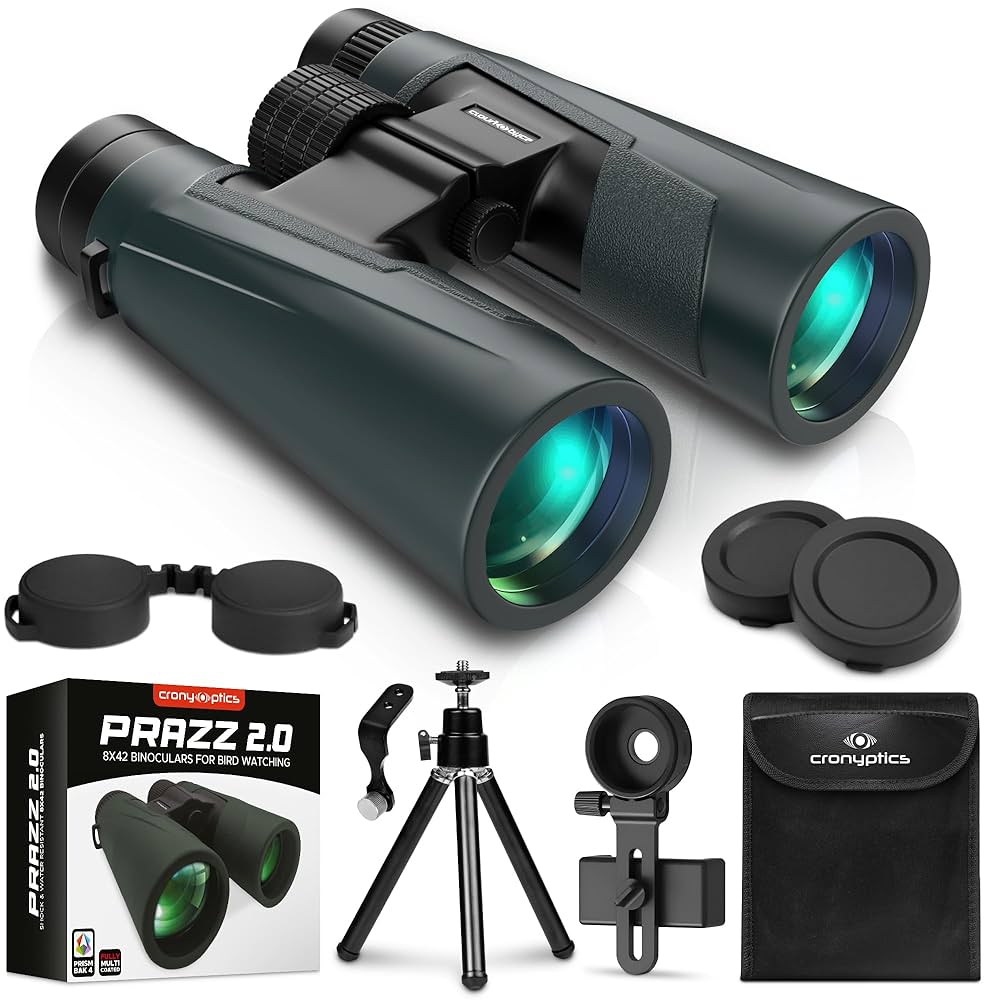
Credit: www.amazon.com
Choosing The Right Magnification
Choosing the right magnification is key for bird watching binoculars. It affects how close and clear birds appear. The ideal magnification balances detail with ease of use. Too much zoom can blur the image or cause shaking. Too little zoom might not show enough detail. Understanding magnification helps pick binoculars that suit your birding style.
Low Vs High Magnification
Low magnification usually means 6x to 8x zoom. It offers a wide view and steady images. Beginners and casual bird watchers often prefer this. Birds are easier to spot and follow.
High magnification ranges from 10x to 15x or more. It shows small details clearly. But the image can shake more from hand movements. High zoom suits advanced birders or stationary use.
- Low magnification: wider view, less shakiness
- High magnification: closer view, needs steady hands or tripod
Balancing Zoom And Stability
Finding a balance between zoom and stability is crucial. Higher magnification means more detail but harder to hold steady. Lower magnification is easier to keep stable but shows less detail.
Look for binoculars with image stabilization or good grip. Using a tripod can help with high zoom models. Consider your usual bird watching setting. For walking or hiking, lower magnification works best. For sitting or fixed spots, higher magnification can be used.
Optimal Lens Diameter
Choosing the right lens diameter in binoculars can make a huge difference in your bird watching experience. The lens diameter affects how much light enters the binoculars, impacting what you see through the lenses. Picking the optimal size helps you balance brightness, clarity, and ease of use, depending on where and when you watch birds.
Impact On Brightness And Clarity
The lens diameter controls the amount of light that reaches your eyes. Larger lenses gather more light, which can make images brighter and clearer, especially in dim conditions. If you’ve ever struggled to spot a bird in the early morning or late evening, you know how important this is.
However, bigger lenses often mean heavier binoculars. You might find yourself tiring quickly if you carry them for long hikes. So, it’s about finding a lens size that offers good brightness without weighing you down.
Best Sizes For Daylight And Low Light
For bright, sunny days, lenses around 25mm to 32mm work well. They provide sharp images while keeping your binoculars light and easy to hold. I once took 30mm binoculars on a midday bird walk and enjoyed clear views without any strain.
When you plan to watch birds at dawn, dusk, or in shaded forest areas, consider lenses sized 40mm to 50mm. These larger lenses collect more light, improving visibility in low-light conditions. But remember, they’re bulkier and may need a tripod for steady viewing during long sessions.
- 25mm-32mm:Ideal for bright daylight and casual bird watching
- 40mm-50mm:Better for low light and detailed viewing in dim environments
Think about your usual bird watching spots and times. Are you mostly out in the daylight, or do you enjoy early morning or late evening sessions? Your answer will guide you to the lens diameter that suits your needs best.
Binocular Designs For Birding
Choosing the right binocular design is key for bird watching. The design affects how clear the image is and how comfortable the binoculars feel. Two main types of prism systems and two sizes of binoculars matter most. Each type suits different birding styles and needs.
Roof Prism Vs Porro Prism
Roof prism binoculars have straight barrels. They are compact and easy to carry. Their design is modern and sleek. These binoculars are often waterproof and durable. They offer sharp images but can be more expensive.
Porro prism binoculars have a wider shape with offset barrels. This design gives better depth and a wider view. They often deliver brighter images at a lower price. Porro prisms are bulkier and heavier than roof prisms. They might be less convenient for long hikes.
Compact Vs Full-size Models
Compact binoculars are small and light. They are easy to carry in a pocket or small bag. Ideal for casual bird watchers or short trips. Their smaller lenses may let in less light. This can reduce image brightness in low light.
Full-size binoculars have larger lenses. They gather more light for brighter and clearer images. Great for detailed bird watching and long sessions. They are heavier and take more space. Best for serious birders who want the best view.
Weight And Portability
Lightweight binoculars make bird watching easier and more comfortable. Compact models fit well in bags, helping you move quickly and quietly. Portability matters for long walks and quick spotting in nature.
When it comes to bird watching, the weight and portability of your binoculars can significantly influence your experience. Lightweight binoculars ensure that you can enjoy long hours observing your feathered friends without feeling fatigued. Portability is crucial, especially when your birding adventures take you through dense forests or expansive fields. Compact binoculars are easier to pack and carry, making them a preferred choice for many bird watchers. But how does the weight and size impact your bird-watching experience more specifically?Carrying Comfort On Long Trips
Imagine you’re on a day-long bird-watching hike. The last thing you want is a neck strain from heavy binoculars. Choose a pair that feels comfortable around your neck or in your backpack. Consider models with padded straps or harnesses. They distribute weight evenly, enhancing comfort over long distances. Some binoculars even come with a carrying case, which can reduce the strain on your neck and shoulders. How do your current binoculars measure up on comfort during long treks?Impact On Hand Steadiness
Holding heavier binoculars for extended periods can lead to shaky hands, affecting your ability to focus on birds. A lighter pair helps maintain steadiness, crucial for capturing clear views of distant species. Balance is also key; even if a model is lightweight, it should feel balanced in your hands. This balance aids in reducing arm fatigue, allowing you to hold the binoculars steady with ease. Consider trying out different models to see which weight and design offer the best hand steadiness for you. Have you ever noticed your hands shaking while trying to focus on a bird? Adjusting the weight of your binoculars might be the solution.Weather Resistance And Durability
Weather resistance and durability are key features for bird watching binoculars. Birds often appear in wet, cold, or dusty places. Binoculars must stand up to these conditions without losing performance. Choosing models built to resist weather helps protect your investment. Strong construction ensures they last through many outdoor adventures.
Waterproof And Fogproof Features
Waterproof binoculars keep water out during rain or wet environments. They use special seals to stop moisture from entering. Fogproof models have nitrogen or argon gas inside to prevent lens fogging. This clarity is crucial on cold mornings or sudden temperature changes. These features guarantee clear views no matter the weather.
Ruggedness For Outdoor Use
Durable binoculars have tough outer coatings to resist scratches and bumps. Rubber armor offers extra grip and shock absorption. Many designs meet military standards for impact and vibration resistance. Lightweight yet strong materials make carrying easier on long hikes. Rugged binoculars handle rough use without damage or loss of focus.
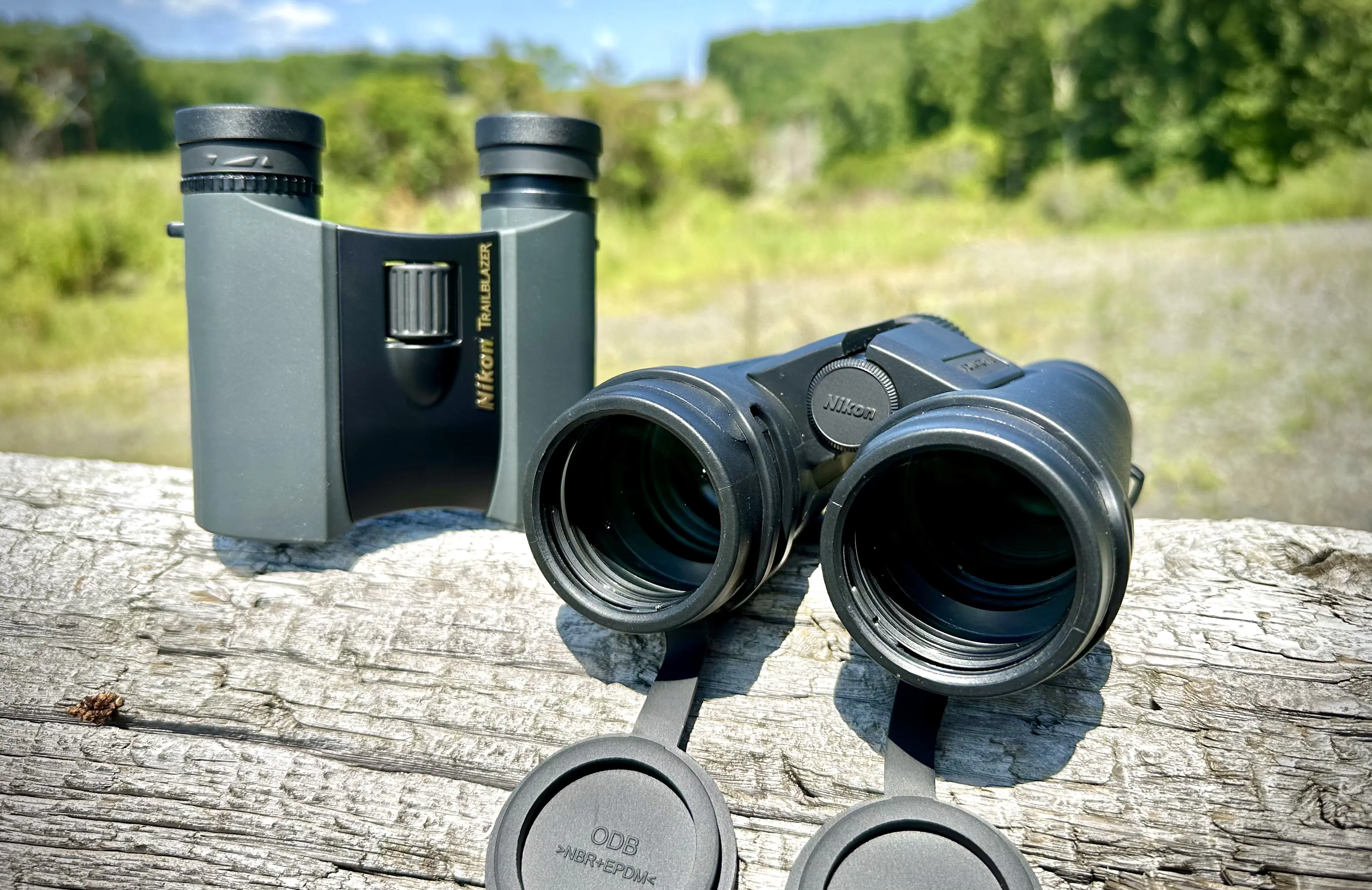
Credit: gearjunkie.com
Eye Relief And Comfort
Eye relief and comfort play a crucial role in choosing binoculars for bird watching. Comfortable binoculars reduce eye strain during long observation sessions. Eye relief is the distance between your eye and the eyepiece where you can still see the full image. This feature matters a lot, especially for those who wear glasses. Proper eye relief ensures a clear, wide view without having to press the binoculars against your face.
Importance For Glasses Wearers
Glasses wearers need binoculars with longer eye relief. This allows them to see the full field of view without removing their glasses. Short eye relief forces glasses wearers to get too close, causing a narrow or dark view. Binoculars with at least 15mm to 20mm of eye relief suit most glasses users. This helps maintain comfort and clarity while bird watching. Without proper eye relief, watching birds becomes tiring and frustrating.
Adjustable Features To Look For
Look for binoculars with adjustable eye cups. These cups twist or fold down to fit glasses users or non-glasses users perfectly. Adjustable interpupillary distance is also important. It lets you align the binoculars to the distance between your eyes. Focus knobs should be easy to turn for quick adjustments in the field. Lightweight models add comfort for long use. Soft rubber coatings improve grip and reduce slipping. These features improve comfort and usability for bird watchers.
Additional Features To Consider
Consider features like waterproofing, fog resistance, and lens coating for clearer views in different weather conditions. Compact size and lightweight design also improve comfort during long bird-watching trips.
When you’re out in the wild, binoculars become your best companion for bird watching. Sure, magnification and lens size are critical, but additional features can significantly enhance your experience. These features can make spotting that elusive bird both easier and more enjoyable. Here’s what you should look out for:Field Of View
A wider field of view allows you to see more of the landscape without moving your binoculars. This is especially useful when tracking fast-moving birds. Imagine observing a flock and being able to capture the entire group in your view. A field of view between 7° to 8° is generally ideal for bird watchers. Does your current pair offer this expansive view?Focus Mechanisms
The focus mechanism can make or break your bird watching experience. Look for binoculars with smooth and precise focus adjustments. Center focus is common and allows quick adjustments, which is crucial when a bird suddenly appears. Some even come with a close focus feature, enabling you to clearly see birds up close. Have you ever missed a perfect shot because your focus was too slow?Lens Coatings
Lens coatings are essential for improving light transmission and reducing glare. Fully multi-coated lenses provide the best clarity and brightness. They minimize reflections and provide clear images even in low light conditions. ED glass coatings are also worth considering, as they reduce chromatic aberration, offering sharper images. Are you getting the most vibrant colors from your current binoculars? Incorporating these features into your binocular selection can elevate your bird watching adventures. Each element plays a role in delivering the best possible view of your feathered friends. So, next time you head out, make sure your binoculars are up to the task.Budgeting For Quality
Choosing the right binoculars for bird watching involves more than just picking the most expensive model. Budgeting for quality means balancing your spending with what features truly enhance your birding experience. Have you considered how much you’re willing to invest for sharper images and better durability?
Price Ranges And What To Expect
Binoculars come in a wide range of prices, from under $50 to over $500. At the lower end, you’ll find basic models suitable for casual use but often lacking in clarity and build quality. Mid-range binoculars, typically between $100 and $300, offer significant improvements in lens coatings and waterproofing.
High-end binoculars, while expensive, provide exceptional image sharpness, light transmission, and ruggedness. However, if you’re new to bird watching, spending several hundred dollars upfront might not be necessary. Think about how often you’ll use your binoculars and what features matter most to you.
Finding Value In Mid-range Options
Mid-range binoculars strike a practical balance between performance and price. Models in this category often include features like multi-coated lenses, good eye relief, and weather resistance. These enhancements make spotting distant birds easier and your overall experience more enjoyable.
From personal experience, upgrading from a basic pair to a mid-range model made a noticeable difference. Colors appeared more vibrant, and details like feather patterns were clearer. Could investing a bit more now save you from frustration later?
- Look for brands with solid reputations and good warranties.
- Test binoculars in natural light to evaluate image quality.
- Consider weight and comfort if you plan long birding trips.
Remember, a well-chosen mid-range pair can serve you well for years without breaking the bank. What features would you prioritize to get the most value out of your binoculars?
Top Binoculars Brands For Bird Watching
Choosing the right brand can make a huge difference in your bird watching experience. Some brands have built a reputation for producing binoculars that combine durability, clarity, and comfort, all crucial for spotting and identifying birds. Knowing which manufacturers consistently deliver quality can save you time and money, ensuring your investment truly enhances your outdoor adventures.
Popular And Trusted Manufacturers
Brands like Nikon, Vortex, and Zeiss have earned respect among birders worldwide. Nikon binoculars offer sharp optics and reliable performance at various price points. Vortex is known for rugged designs and excellent warranty programs, which means you get support long after your purchase.
Zeiss stands out for its premium lenses and exceptional clarity, though it comes with a higher price tag. Swarovski is another name you might hear often; their binoculars deliver stunning image quality and ergonomic design, perfect for serious bird watchers. These brands have proven themselves through years of consistent quality and customer satisfaction.
Specialized Models For Birders
Some binoculars are specifically designed with bird watchers in mind. The Vortex Diamondback HD, for example, balances lightweight design with high-definition optics, making it easy to carry during long hikes. Nikon’s Monarch series offers waterproof and fog-proof features, ideal if you often bird watch in varying weather conditions.
Swarovski’s EL series provides exceptional light transmission, which is crucial for dawn or dusk observations. These specialized models often include features like close focus capabilities and wide fields of view, helping you spot even the most elusive birds. Think about the environments you’ll be in—do you need compact binoculars for travel or something more robust for rugged terrain?
:max_bytes(150000):strip_icc()/tal-opticron-oregon-4-pc-oasis-8x42-binocular-kathryn-braet-5-92012e7d06b945acbff37493422bab6a.jpeg)
Credit: www.travelandleisure.com
Frequently Asked Questions
What Magnification Is Best For Bird Watching Binoculars?
A 8x to 10x magnification is ideal for bird watching. It offers a clear view without shaking, balancing detail and stability well.
Which Binocular Size Is Most Comfortable For Bird Watchers?
Compact to mid-sized binoculars (32mm to 42mm objective lens) are best. They provide brightness and are lightweight for long use.
Are Waterproof Binoculars Necessary For Bird Watching?
Yes, waterproof binoculars are important. They protect your gear from rain and moisture, ensuring durability during outdoor bird watching.
What Is The Field Of View In Bird Watching Binoculars?
Field of view is the width of the visible area. Wider fields help spot birds faster and track them more easily.
Conclusion
Choosing the right binoculars makes bird watching more fun and clear. Small, lightweight models help you carry them easily all day. A good lens size gives bright, sharp views of birds far away. Durability matters, especially outdoors in different weather.
Comfort and ease of use keep your eyes relaxed. Think about where and how often you will watch birds. The best binoculars match your needs and budget well. Enjoy every bird sighting with the perfect pair in your hands.




