
Have you ever wondered where the most stunning and colorful exotic birds live? Knowing the regions where these beautiful creatures thrive can take your birdwatching or nature adventures to a whole new level.
Whether you’re planning a trip, starting a collection, or just curious, understanding their natural habitats helps you connect with nature like never before. Keep reading to discover the top regions where exotic birds call home—and find out how you can experience their vibrant world firsthand.

Credit: www.wildlifenomads.com
Tropical Rainforests
Tropical rainforests are home to many exotic bird species. These lush forests provide shelter, food, and breeding grounds. The dense trees and diverse plants create perfect habitats for colorful birds. Each rainforest region hosts unique bird varieties that attract bird watchers worldwide.
Amazon Basin
The Amazon Basin covers a huge area in South America. It holds thousands of bird species, many found nowhere else. Bright macaws, toucans, and harpy eagles soar above the canopy. The rich ecosystem supports a wide range of birds, from tiny hummingbirds to large raptors.
Southeast Asian Jungles
Southeast Asia’s jungles stretch across countries like Indonesia, Malaysia, and Thailand. These forests have vibrant birdlife including hornbills and pittas. Many species have striking colors and unique calls. The thick foliage hides rare birds that fascinate nature lovers.
Central African Forests
Central Africa’s rainforests are dense and mostly untouched. This region shelters exotic birds like the African grey parrot and great blue turaco. The forests offer diverse food sources and nesting spots. Bird diversity here is high, adding to the forest’s rich wildlife.
Credit: www.moneycontrol.com
Island Paradises
Island paradises hold some of the world’s most unique and colorful exotic birds. These isolated places allow species to evolve in special ways. Many island birds cannot be found anywhere else on Earth. Their vivid feathers and unusual songs attract bird lovers and researchers alike.
Each island group has its own bird stories shaped by nature’s creativity. These birds have adapted to island life with fascinating traits. Exploring these regions reveals the deep connection between birds and their island homes.
Galápagos Islands
The Galápagos Islands are famous for their rare bird species. The islands host finches with different beak shapes. These finches helped Charles Darwin develop his theory of evolution. The flightless cormorant is another unique bird here. It cannot fly but swims well underwater. Blue-footed boobies show off their bright blue feet during mating dances. The islands’ isolation helped these birds develop special features over time.
Madagascar
Madagascar is a treasure chest of bird diversity. Over half of its bird species live nowhere else. The island has colorful vangas with strong, curved beaks. The Madagascar fish eagle is a top predator in coastal areas. Lemur-like ground rollers glide between forest trees. Many birds have evolved to survive in dry forests or rainforests. Madagascar’s rich habitats support these unique creatures perfectly.
Hawaiian Archipelago
Hawaii’s islands shelter many rare native birds. The ‘i‘iwi is known for its bright red feathers and curved bill. Honeycreepers use their bills to feed on nectar. Sadly, many Hawaiian birds face threats from habitat loss and disease. Conservation efforts aim to protect these fragile species. The islands’ remote location helped these birds evolve distinct colors and shapes over millions of years.
Wetlands And Marshes
Wetlands and marshes are vibrant ecosystems that attract a variety of exotic birds. These areas offer abundant food and shelter, making them perfect habitats for species you might not see elsewhere. If you want to spot colorful, rare birds, visiting wetlands is a great choice.
Pantanal, Brazil
The Pantanal is the world’s largest tropical wetland. It’s home to over 650 bird species, including the striking hyacinth macaw and the jabiru stork. Walking through its marshes, you’ll often hear the calls of exotic birds hidden among the reeds.
What’s fascinating is how the Pantanal’s seasonal floods create ever-changing landscapes, encouraging birds to adapt and thrive. Imagine watching a scarlet ibis take flight against a backdrop of shimmering water—that’s an unforgettable experience.
Okavango Delta, Botswana
The Okavango Delta is a lush wetland in the heart of Africa, known for its unique birdlife. You can find the African fish eagle soaring above or the elusive Pel’s fishing owl hiding in the shadows. This delta’s mix of islands and channels provides perfect nesting spots.
Visiting the Okavango Delta challenges you to observe birds closely—you might spot a rare wattled crane or a vibrant malachite kingfisher. How often do you get to see such wildlife thriving in a seemingly wild paradise?
Everglades, Usa
The Everglades wetlands stretch across southern Florida, offering a rich habitat for exotic birds like the roseate spoonbill and the anhinga. Its slow-moving waters and sawgrass marshes create a peaceful setting to watch birds hunt and interact.
One surprising insight is how urban proximity hasn’t stopped the Everglades from being a bird sanctuary. If you visit, try to spot the elusive Florida panther while birdwatching—it’s a thrilling reminder of nature’s resilience.
Mountainous Areas
Mountainous areas host some of the most unique and colorful exotic birds. These regions offer diverse climates and rich vegetation. Birds adapt to steep slopes and cooler temperatures. These habitats support species found nowhere else.
Andes Mountains
The Andes stretch along South America’s western edge. They have many climates from tropical to cold. Exotic birds like the Andean cock-of-the-rock live here. Bright colors and unique calls help them attract mates. High-altitude forests shelter hummingbirds and tanagers. These birds thrive on mountain fruits and insects.
Himalayas
The Himalayas rise across Asia, creating sharp climate zones. This range hosts birds like the Himalayan monal. It has shimmering feathers that change with light. Many birds here migrate seasonally to find food. Rhododendron forests provide shelter and nectar. The steep terrain keeps predators away, helping birds survive.
New Guinea Highlands
New Guinea’s highlands are rich in bird diversity. Birds-of-paradise are famous here for their bright feathers. These birds perform elaborate dances to attract mates. The dense forests offer ample food and protection. Many species are found only in this region. The highlands remain a vital sanctuary for exotic birds.
Desert Oases
Desert oases are unexpected havens of life amid harsh, dry landscapes. These green spots offer water and shelter, attracting a variety of exotic birds that rely on these conditions to survive. You might be surprised to find such vibrant birdlife thriving where you least expect it.
Namib Desert
The Namib Desert’s oases are rare but vital. These water sources support birds like the Rosy-faced Lovebird, which brightens the arid surroundings with its vibrant colors.
Visiting these oases, you’ll notice how birds adapt to extreme heat and scarce water. Spotting a Namaqua Sandgrouse here shows nature’s resilience in action. What strategies do you think these birds use to stay cool and hydrated?
Sonoran Desert
The Sonoran Desert is home to lush oases that attract exotic birds such as the Gila Woodpecker and the Vermilion Flycatcher. These birds depend on the shade and water found in palm-lined oases.
Your chances of seeing unique bird behaviors increase near these water spots. Birds gather here not just to drink, but to socialize and hunt. Have you ever observed how birds interact differently when water is limited?
Atacama Desert
The Atacama Desert, one of the driest places on Earth, surprises visitors with its few oases that host rare bird species. The Chilean Flamingo is one such bird, often found feeding in saltwater lagoons within these desert pockets.
These birds show how life can thrive against the odds. Next time you think deserts are lifeless, imagine the delicate balance these oases maintain. Could protecting these small habitats be key to preserving exotic bird species in desert regions?

Credit: birdsnways.com
Conservation Parks
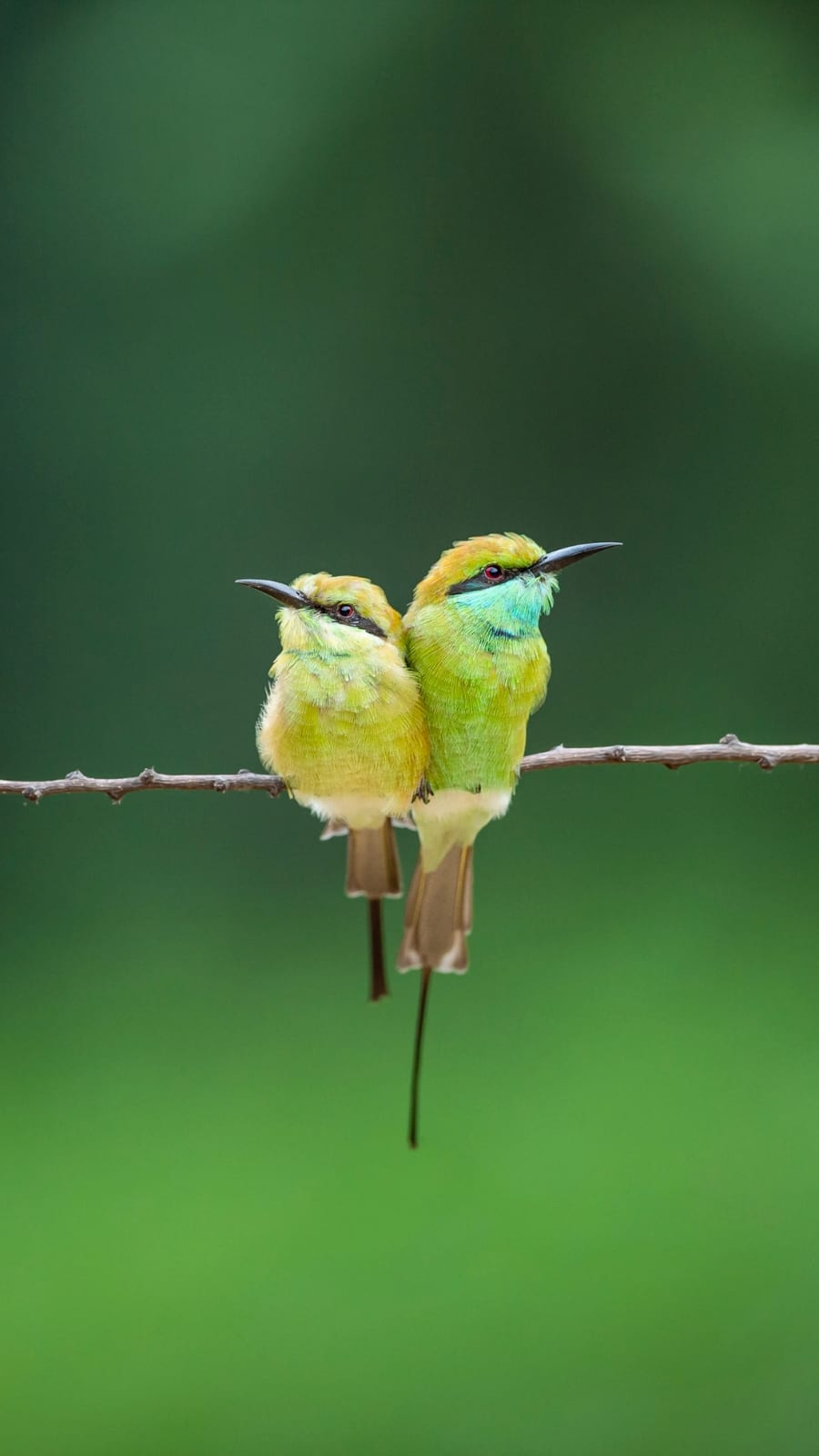
Discover regions where exotic birds thrive in conservation parks. Tropical rainforests host vibrant species like parrots and toucans. Wetlands in South America attract flamingos and unique waterfowl. African savannas support colorful bee-eaters and weavers. Each park offers a unique habitat, perfect for birdwatching enthusiasts.
Conservation parks play a vital role in protecting exotic birds. These parks offer safe habitats for various bird species. They also help in preserving biodiversity. Let’s explore some of the most fascinating conservation parks. Each one is a haven for exotic birds.Kakadu National Park
Kakadu National Park is in Australia. It is a UNESCO World Heritage site. This park is home to over 280 bird species. Visitors can see the Rainbow Bee-eater and the rare Partridge Pigeon. The park’s wetlands are perfect for birdwatching. They provide food and shelter for many birds. Kakadu’s diverse ecosystems support a wide range of birdlife. From woodlands to floodplains, each area is unique.Kruger National Park
Kruger National Park is located in South Africa. It is one of Africa’s largest game reserves. The park hosts over 500 bird species. You can find the Lilac-breasted Roller and the Southern Ground Hornbill. The park’s rivers and savannas attract many birds. Birdwatchers flock to Kruger for its rich avian diversity. The park’s conservation efforts are crucial. They ensure the survival of many bird species.Manu National Park
Manu National Park is in Peru. It is a biodiversity hotspot. The park is home to more than 1,000 bird species. These include the Cock-of-the-rock and the Hoatzin. Manu’s cloud forests and lowland jungles are bird paradises. The park’s remote location helps protect these species. Conservation programs focus on habitat preservation. This ensures a safe environment for birds to thrive.Frequently Asked Questions
What Regions Are Known For Exotic Birds?
Exotic birds are commonly found in tropical regions like the Amazon, Southeast Asia, and Africa. These areas offer rich biodiversity and suitable habitats for diverse bird species.
Where Do Most Exotic Parrots Originate From?
Most exotic parrots come from Central and South America. Countries like Brazil, Peru, and Colombia are hotspots for colorful parrot species.
Which Region Has The Highest Exotic Bird Diversity?
The Amazon rainforest in South America hosts the highest exotic bird diversity. Its vast ecosystem supports thousands of bird species with unique adaptations.
Are Exotic Birds Found In Asia Too?
Yes, Southeast Asia is home to many exotic birds. Countries like Indonesia and Malaysia have rich birdlife with rare and vibrant species.
Conclusion
Exotic birds live in many special regions worldwide. Tropical rainforests and islands hold many colorful species. These areas offer the right climate and food for birds. Bird lovers enjoy spotting unique birds in these places. Protecting these habitats helps keep exotic birds safe.
Nature’s beauty shows through these amazing creatures. Exploring their homes brings joy and wonder. Every region adds to the rich variety of exotic birds. Keep learning and appreciating these wonderful animals.




