
When you’re out bird watching, the right binoculars can make all the difference. But how do you choose the best magnification for your binoculars?
Too much zoom can make the image shaky and hard to follow, while too little might leave you missing important details. Finding the perfect balance helps you see birds clearly and enjoy every moment in nature. You’ll discover exactly what magnification works best for bird watching and how to pick binoculars that fit your needs.
Get ready to upgrade your birding experience and never miss a beautiful feathered friend again!
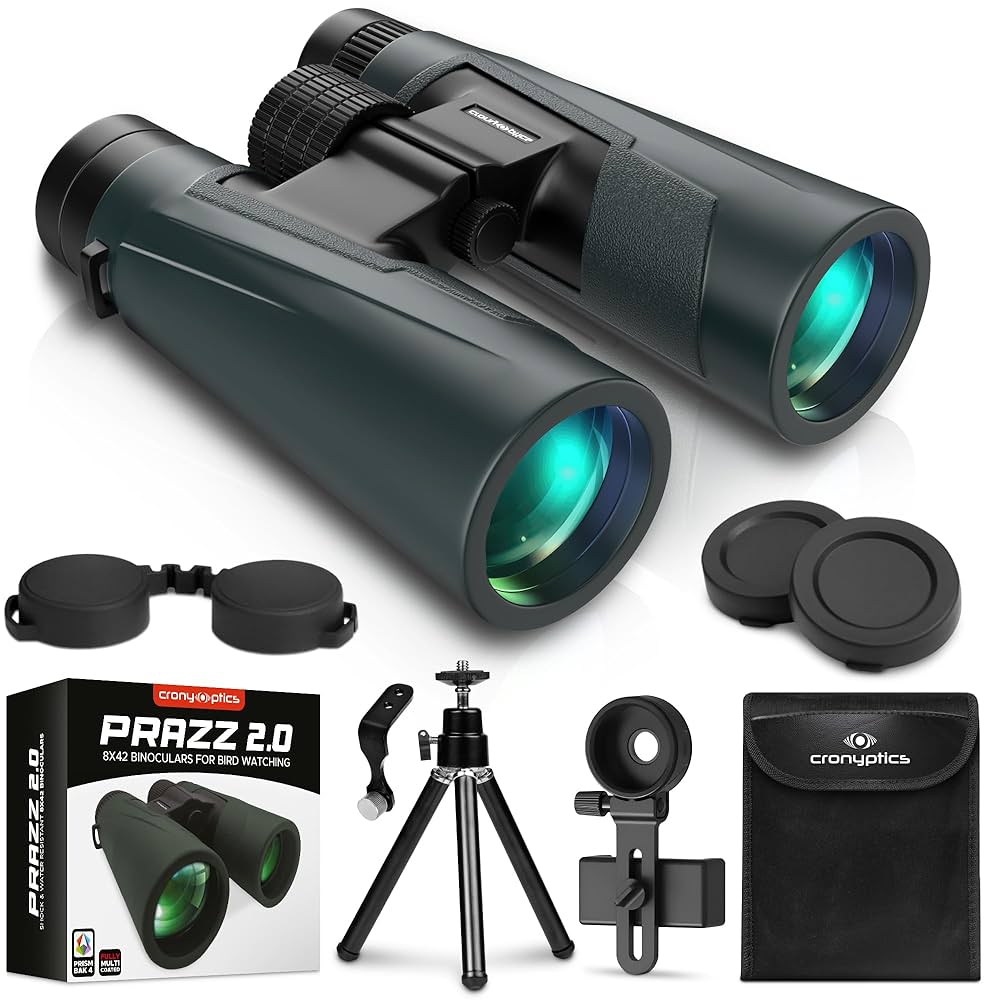
Credit: www.amazon.com
Choosing The Right Magnification
Choosing the right magnification for your bird watching binoculars can make all the difference in your outdoor experience. The right level of zoom helps you see details clearly without losing sight of the bigger picture. It’s about finding a balance that fits the types of birds you want to observe and the environments you explore.
Common Magnification Options
Most bird watchers prefer binoculars with magnifications between 6x and 10x. Lower magnifications like 6x or 7x offer a wider field of view, making it easier to track fast-moving birds or scan large areas. Higher magnifications, such as 10x, bring birds closer but often require steadier hands or a tripod to avoid shaky images.
Here’s a quick look at popular choices:
- 6x to 7x:Great for beginners and wide-open spaces. You’ll spot birds more quickly without losing context.
- 8x:The sweet spot for many birders. It offers a good mix of detail and field of view.
- 10x:Ideal for spotting distant birds but less forgiving on shaky hands.
Balancing Magnification And Field Of View
Higher magnification narrows your field of view, making it harder to locate birds quickly. Imagine trying to find a small bird with a tiny window to look through—it’s frustrating. Lower magnifications give you a broader perspective, helping you spot birds faster and enjoy the surrounding scenery.
Think about your typical birding trips. Are you in dense forests where spotting is challenging? Or are you near open fields or wetlands? Your answer helps decide the magnification that balances zoom and visibility best for your needs.
Also, consider how stable your hands are during use. If you find yourself frequently adjusting or struggling to keep the image steady, a slightly lower magnification might serve you better. What’s more important to you: seeing more detail or tracking birds more easily?
Impact Of Magnification On Image Quality
Magnification plays a key role in bird watching binoculars. It affects how clear and bright the image appears. Choosing the right magnification balances detail and ease of use. High magnification can show more detail but may reduce image quality. Low magnification offers brighter and sharper views but less zoom. Understanding these effects helps pick the best binoculars for your needs.
Effect On Brightness And Clarity
Higher magnification often lowers brightness. The image may look dimmer, especially in low light. Clarity can also suffer as small shakes blur the view. Lower magnification keeps the image brighter and clearer. It allows more light to enter the lens. This helps see birds in early morning or late evening.
Stability And Handheld Use
High magnification makes it harder to hold binoculars steady. Small hand movements cause the image to shake. This can tire your hands quickly. Lower magnification offers a stable view without extra support. It is easier to use for long periods. Tripods or stabilizers may be needed for high magnification binoculars.
Magnification For Different Bird Watching Environments
Magnification choice depends on the bird watching environment. Different places require different binocular strengths. Choosing the right magnification helps you see birds clearly without losing sight of their movement. It also affects how steady the image looks. Below are common environments and the best magnification for each.
Woodlands And Forests
Lower magnification works best in dense woods. Between 6x and 8x is ideal. It gives a wider view to spot birds easily. Higher magnification narrows your vision and makes it hard to find moving birds. These settings also reduce shaking, which happens more in thick trees.
Open Fields And Wetlands
Higher magnification helps in open spaces. A range from 8x to 10x is perfect. Birds are often far away in fields and wetlands. Stronger magnification brings distant birds closer. It helps to see details like colors and behaviors clearly. Steady hands or a tripod may be needed for sharper views.
Urban Birding
Moderate magnification works well in cities. Around 7x to 9x offers a good balance. Birds in urban areas are usually closer but can fly fast. This magnification lets you spot them quickly and follow their movement. It also keeps the image stable while walking or standing on uneven ground.
:max_bytes(150000):strip_icc()/tal-opticron-oregon-4-pc-oasis-8x42-binocular-kathryn-braet-5-92012e7d06b945acbff37493422bab6a.jpeg)
Credit: www.travelandleisure.com
Additional Features To Consider
Choosing the best magnification for bird watching binoculars is important. Yet, other features also affect your experience. These features improve clarity, comfort, and ease of use. Knowing them helps you pick binoculars that suit your needs perfectly.
Lens Diameter And Light Gathering
The lens diameter controls how much light enters the binoculars. Larger lenses collect more light. This results in brighter and clearer images. It is especially useful in low-light conditions like dawn or dusk.
For bird watching, lens sizes between 30mm and 42mm are common. Bigger lenses mean better light, but also add weight. Balance brightness with comfort for long birding sessions.
Weight And Portability
Lightweight binoculars make long walks easier. Heavy binoculars cause fatigue and reduce enjoyment. Compact models fit easily in backpacks or pockets.
Consider your typical bird watching trips. For quick hikes, light and small binoculars work best. For stationary watching, a bit heavier binoculars with better optics are fine.
Expert Recommendations
Experts agree that magnification plays a key role in bird watching binoculars. It affects the clarity, field of view, and ease of use. The right magnification helps you see birds clearly without straining your eyes or missing fast movements.
Choosing the correct magnification depends on your birding style and environment. Experts suggest balancing power and stability for the best experience. Too much magnification makes the image shaky. Too little magnification limits detail.
Top Magnification Choices
- 8x magnification is the most popular choice. It offers a wide field of view and steady images.
- 10x magnification provides more detail. It is great for spotting birds at a distance but may need a tripod.
- 7x magnification is easier to hold and good for beginners. It offers a bright, clear image in forests or close settings.
- 12x or higher magnifications are for advanced birders. They require extra stability and often reduce the field of view.
Tips For Choosing Your Binoculars
- Consider the weight and size for comfortable use during long birding trips.
- Look for waterproof and fog-proof models for outdoor durability.
- Check the field of view to track moving birds easily.
- Test different magnifications to find what suits your needs best.
- Remember, better lenses and coatings improve image brightness and color.
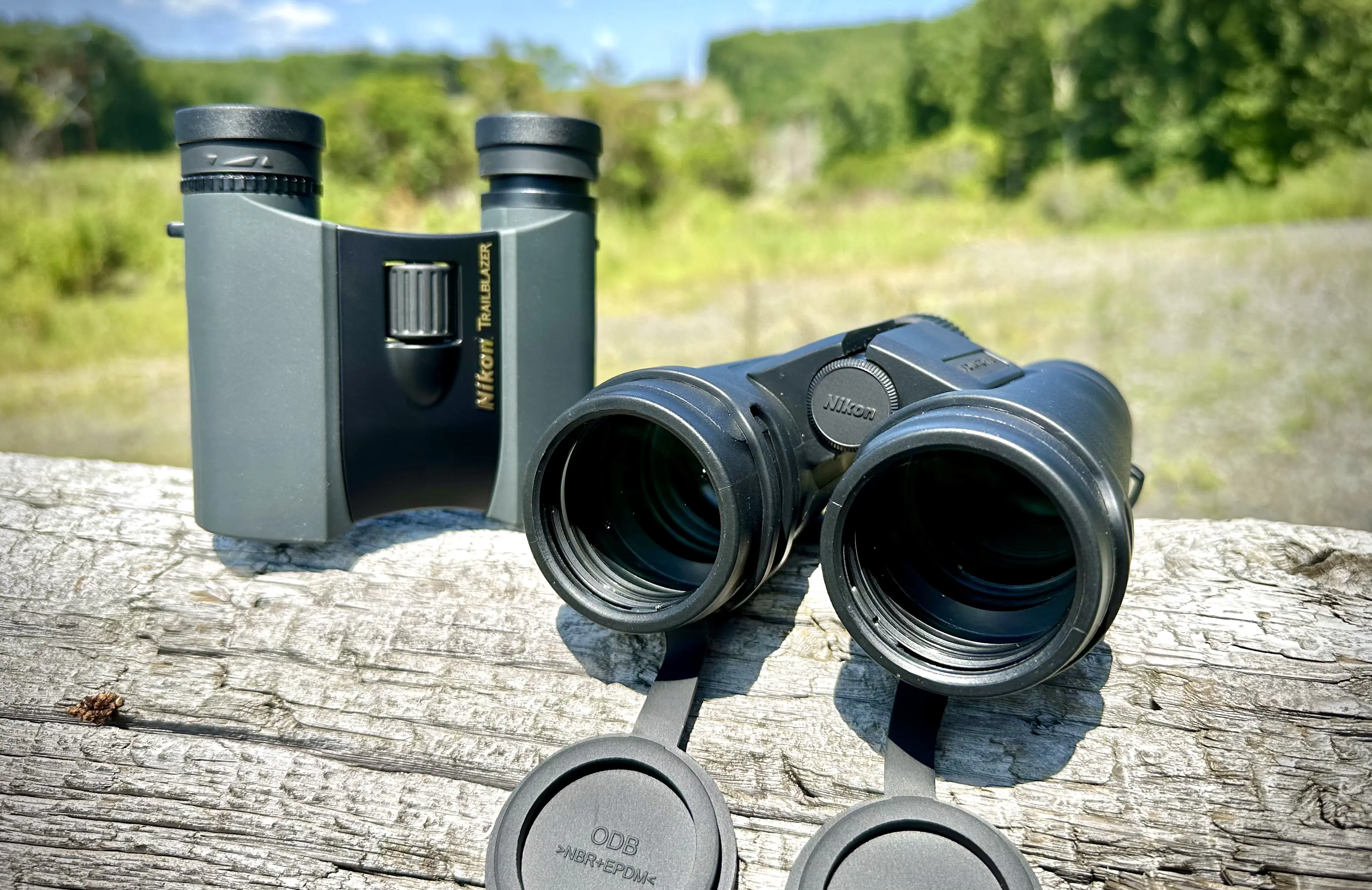
Credit: gearjunkie.com
Frequently Asked Questions
What Magnification Is Best For Bird Watching Binoculars?
A 8x to 10x magnification is ideal for bird watching. It offers a clear, stable view while keeping the image bright and sharp.
Why Not Use Higher Magnification For Bird Watching?
Higher magnification narrows the field of view and makes images shakier. It also reduces brightness, making it harder to spot fast-moving birds.
How Does Magnification Affect Binocular Size And Weight?
Higher magnification usually means larger, heavier binoculars. For comfort and longer use, 8x to 10x models balance magnification with portability.
Can I Use 12x Or More For Bird Watching?
While 12x or higher offers more detail, it’s less stable and harder to use without a tripod. Beginners should stick to 8x-10x.
Conclusion
Choosing the right magnification makes bird watching more fun and clear. Lower magnifications show wider views and steady images. Higher magnifications bring distant birds closer but can shake more. Most bird watchers prefer 8x or 10x for a good balance.
Remember, comfort and ease of use matter a lot. Try different binoculars to see what fits you best. Enjoy the beauty of birds with the right tool in hand. Happy bird watching!




