
Are you ready to capture stunning bird photos that make your friends stop scrolling? Choosing the right camera lens can make all the difference between blurry, distant shots and sharp, vibrant images full of life.
But with so many options out there, how do you find a good camera lens for birding that fits your needs and budget? Keep reading, because we’re about to reveal the key features and best choices that will transform your bird photography and bring you closer to nature than ever before.
Your perfect birding lens is just a few paragraphs away!

Credit: www.reddit.com
Key Features For Birding Lenses
Choosing the right lens is crucial for bird photography. Birding lenses need specific features to capture sharp, clear images from a distance. Each feature plays a role in getting the perfect shot of fast-moving birds. Understanding these key features helps pick a lens that matches your birding style and needs.
Focal Length Importance
Long focal length lenses bring distant birds closer. A lens between 300mm and 600mm works well for most birding. Telephoto lenses capture details without disturbing the bird. Shorter focal lengths are less useful for small or far-away birds.
Aperture And Light Capture
Wide apertures let more light into the lens. This helps in low light, like early morning or dusk. Apertures like f/4 or f/5.6 balance light and lens size. A larger aperture improves background blur, making birds stand out.
Autofocus Speed And Accuracy
Birds move fast and unpredictably. A lens with quick autofocus keeps subjects sharp. Accuracy ensures the bird, not the background, stays in focus. Look for lenses with advanced autofocus systems designed for wildlife.
Image Stabilization Benefits
Image stabilization reduces blur from hand shake. This is vital when using long lenses without a tripod. It allows sharper photos at slower shutter speeds. Stabilization helps capture clear images during flight or quick movements.
Lens Weight And Portability
Heavy lenses can tire you quickly during long birding trips. Lightweight lenses are easier to carry and handle. Compact designs help move quietly and stay steady. Balance weight with features to suit your comfort and style.

Credit: photzy.com
Types Of Lenses Suitable For Birding
Choosing the right lens is key for birding photography. Different lenses offer unique benefits. Some capture distant birds clearly. Others provide sharp images with great detail. Knowing the types helps pick the best lens for your needs.
Telephoto Zoom Lenses
Telephoto zoom lenses cover a range of focal lengths. They let you adjust zoom without changing lenses. Ideal for spotting birds far away or closer. These lenses offer flexibility and convenience in the field. They work well for various birding situations.
Prime Lenses For Sharpness
Prime lenses have one fixed focal length. They often deliver sharper images than zoom lenses. Lightweight and simple to use in many cases. Great for photographers who want high image quality. Best for steady shots and clear, detailed photos.
Super Telephoto Options
Super telephoto lenses have very long focal lengths. Perfect for photographing small birds at great distances. They capture fine details from far away. Usually heavier and more expensive than other lenses. Require a tripod or steady support for best results.
Mirror Lenses Pros And Cons
Mirror lenses use a special design with mirrors instead of glass elements. They are compact and lightweight for their length. Often more affordable than super telephoto lenses. Images may have a unique donut-shaped bokeh effect. Not the sharpest choice but good for casual birding.
Top Camera Lenses For Birding
Choosing the right camera lens is key for capturing sharp bird photos. Birding lenses vary in price, size, and features. Some suit beginners while others fit professionals. This section highlights top lenses for bird photography. Each lens type meets different needs and budgets.
Best Budget-friendly Lens
Affordable lenses offer good reach without high cost. They help beginners enjoy birding photography. Look for lenses with focal lengths around 300mm to 400mm. These lenses provide decent zoom and image quality.
- Canon EF 75-300mm f/4-5.6 III
- Nikon AF-P DX 70-300mm f/4.5-6.3G ED
- Sigma 150-600mm Contemporary
These lenses are lightweight and easy to carry. Perfect for casual bird watchers and hobbyists.
Professional Grade Choices
Pro lenses deliver superior sharpness and fast autofocus. They are ideal for serious bird photographers. Expect weather sealing and excellent image stabilization. These lenses often have long focal lengths of 400mm or more.
- Canon EF 600mm f/4L IS III USM
- Nikon AF-S 500mm f/5.6E PF ED VR
- Sony FE 200-600mm f/5.6-6.3 G OSS
Professional lenses are heavier and pricier but offer unmatched quality. Great for capturing distant or fast-moving birds.
Versatile All-rounders
These lenses balance zoom range and portability. They suit varied birding conditions and other photography types. A versatile lens allows quick framing and easy handling outdoors.
- Tamron 100-400mm f/4.5-6.3 Di VC USD
- Nikon Z 70-200mm f/2.8 VR S
- Canon RF 100-500mm f/4.5-7.1 L IS USM
All-rounders work well for both close and distant shots. Ideal for birders who want flexibility in one lens.
Compact And Lightweight Picks
Compact lenses reduce fatigue during long birding trips. They fit easily into backpacks and camera bags. These lenses trade some reach for easier handling and mobility.
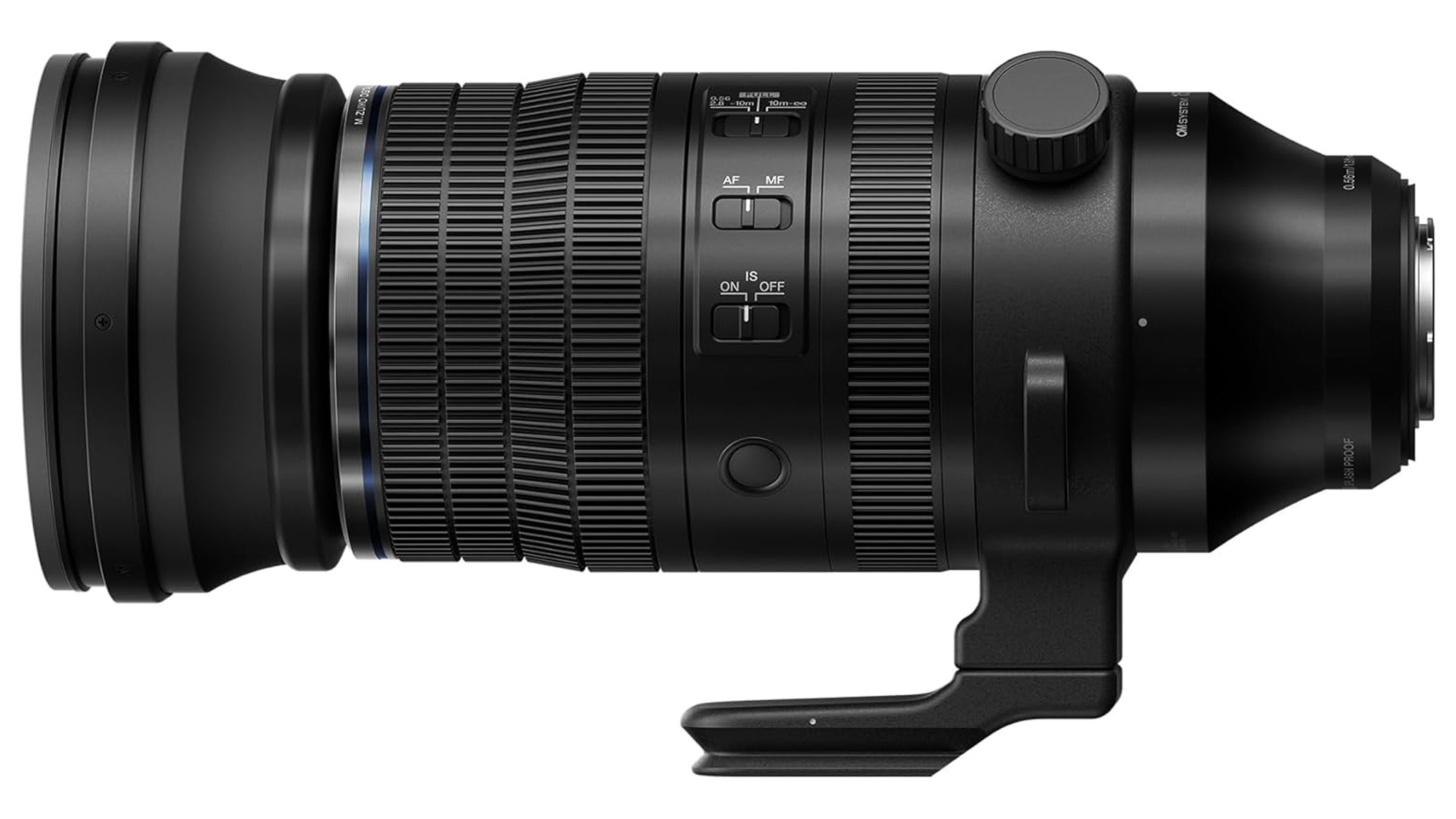
- Olympus M.Zuiko Digital ED 100-400mm f/5.0-6.3 IS
- Fujifilm XF 100-400mm f/4.5-5.6 R LM OIS WR
- Sony E 70-350mm f/4.5-6.3 G OSS
Lightweight lenses work well for hiking or travel birding. They keep gear weight low without losing too much zoom.
Lens Accessories To Enhance Birding
Choosing the right lens is just the beginning of your birding journey. Lens accessories can significantly improve your experience and the quality of your photos. They help you get closer, stabilize your shots, protect your gear, and carry everything conveniently. Let’s look at some must-have accessories that can enhance your birding adventures.
Teleconverters For Extended Reach
If you want to get closer to shy or distant birds without changing your lens, teleconverters are a smart choice. They attach between your camera and lens, increasing the focal length, usually by 1.4x or 2x. This means a 300mm lens can become 420mm or 600mm, giving you extra zoom without the bulk of a longer lens.
However, teleconverters can reduce the amount of light entering the lens, which may affect your shutter speed or ISO settings. Be ready to adjust your camera settings accordingly to maintain sharp images. Have you tried using one to capture a bird perched far away? The results can be surprising!
Tripods And Monopods
Holding a heavy telephoto lens steady for long periods is exhausting and often leads to blurry photos. Tripods and monopods provide the stability you need, especially in low light or when waiting for that perfect shot. While tripods offer full support and stability, monopods give you more mobility and quicker adjustments.
When choosing, consider the weight and height of the tripod or monopod to match your lens and shooting style. I found a lightweight tripod invaluable when hiking to remote birding spots; it made a big difference in both comfort and photo clarity. What’s your current setup for stabilizing shots?
Protective Lens Filters
Lens filters protect your expensive glass from dust, scratches, and moisture during outdoor birding trips. A simple UV filter acts as a shield without affecting image quality. Additionally, polarizing filters can reduce glare from water or leaves, making bird colors pop.
Be careful to choose high-quality filters that won’t degrade your photos. It’s easy to overlook this, but a well-chosen filter can save your lens and improve your shots under tricky lighting. Have you noticed how a polarizer enhances the vividness of feathers on sunny days?
Carrying And Storage Solutions
Carrying your camera gear comfortably is essential for long birding excursions. Specialized camera bags with padded compartments keep your lenses safe and organized. Some bags even have quick-access pockets so you can switch lenses or grab accessories without fumbling.
Consider weather-resistant bags if you often bird in wet or dusty environments. I once missed a rare bird sighting because I struggled with a tangled bag; since upgrading to a proper birding backpack, my gear is always ready. How do you carry your gear on your birding trips?
Tips For Choosing The Right Birding Lens
Choosing the right lens for birding can greatly improve your experience and photos. Different lenses suit different birding styles and environments. Picking the best lens requires careful thought about several key factors. These tips help you find a lens that fits your needs perfectly.
Matching Lens To Birding Style
Think about how you like to watch birds. For close-up shots, a lens with a shorter focal length works well. For distant birds, choose a telephoto lens with a long reach. Fast lenses help capture quick bird movements. Consider the type of birds and places you visit most.
Considering Camera Compatibility
Check if the lens fits your camera body. Some lenses work only with certain camera brands or models. Lens mount type is important. Make sure autofocus and image stabilization features match your camera. This ensures smooth and clear bird photos.
Balancing Budget And Performance
Set a budget before shopping. Expensive lenses offer better image quality and durability. But some affordable lenses also perform well. Look for a good balance between price and features. Remember, a moderate lens can still produce great bird photos.
Testing Lenses Before Purchase
Try lenses in a store or rent them first. Hold the lens to feel its weight and balance. Take sample photos to check image quality. Test autofocus speed and ease of use. Testing helps avoid surprises and finds the best fit for you.
Credit: www.livescience.com
Frequently Asked Questions
What Focal Length Is Best For Birding Lenses?
A focal length between 300mm and 600mm is ideal for birding. It allows clear close-ups from a distance. This range captures detailed images without disturbing birds.
Should I Choose Prime Or Zoom Lenses For Birding?
Both work well, but zoom lenses offer versatility. They allow quick adjustments to different bird sizes and distances. Prime lenses often provide sharper images but lack flexibility.
How Important Is Lens Aperture For Bird Photography?
A wide aperture (f/2. 8 to f/5. 6) helps in low light. It creates a blurred background, making birds stand out. It also improves focus speed and image sharpness.
Are Image Stabilization Features Necessary For Birding Lenses?
Yes, image stabilization reduces blur from hand movements. It helps capture sharp photos, especially at longer focal lengths. This feature is crucial for handheld bird photography.
Conclusion
Choosing the right lens makes birding more fun and rewarding. A good lens helps capture clear, sharp photos from far away. Think about zoom range, weight, and lens speed. These factors affect your experience outdoors. A lens that fits your budget and needs works best.
Enjoy watching birds and taking great pictures with the right gear. Keep practicing and exploring different lenses to find your favorite. Birding becomes easier and more exciting with the right camera lens.




