
Have you ever watched a movie scene that made you feel like you were soaring high above everything? That’s the magic of a birds eye view shot.
This powerful camera angle gives you a unique perspective, showing the world from directly above. It can make you feel small, show the bigger picture, or reveal secrets hidden in plain sight. If you want to understand how filmmakers use this technique to grab your attention and tell their story, keep reading.
You’ll discover why the birds eye view shot is more than just a cool angle—it’s a tool that changes how you see every scene.

Credit: www.youtube.com
Birds Eye View Shot Basics
A Birds Eye View Shot is a camera angle that looks straight down. It shows the scene from above, like a bird flying high in the sky.
This shot helps viewers see the layout of a place or understand the action from a new point of view.
Definition And Characteristics
A Birds Eye View Shot shows a subject from directly above. The camera points down at a 90-degree angle to the ground.
This shot often looks flat and can make people or objects look small. It gives a clear view of shapes and patterns.
- Camera is above the subject
- Looks straight down
- Shows layout and spatial relationships
- Makes subjects appear small or distant
- Can create a sense of overview or control
Historical Use In Film
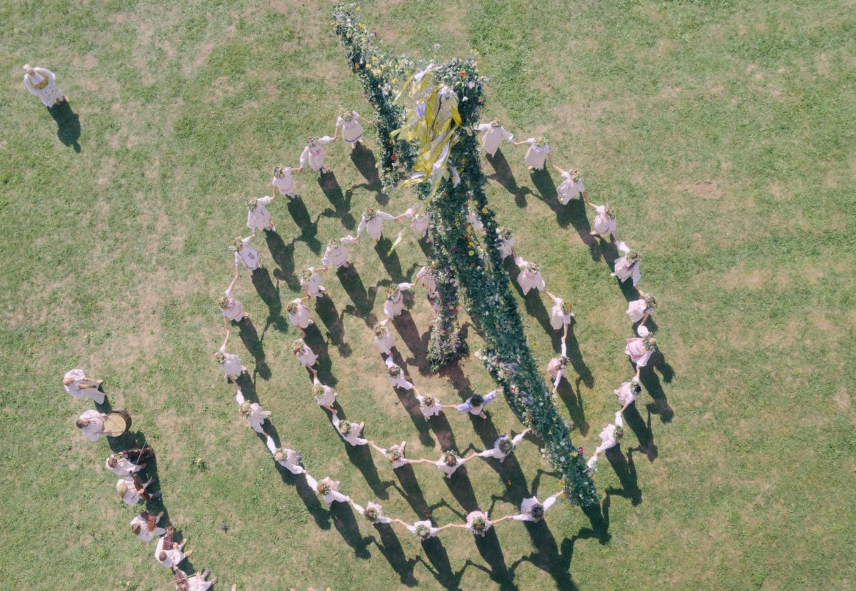
Birds Eye View Shots have been used since the early days of film. Directors use them to show large scenes clearly.
This shot often appears in battle scenes, cityscapes, and chase scenes. It helps viewers understand the setting and action.
- Used in silent films for scene clarity
- Popular in war and action movies
- Shows city layouts in crime films
- Used to create dramatic effects
Credit: fanfare.pub
Visual Impact Of Birds Eye Shots
Birds eye view shots show scenes from high above. They give a new way to see the action.
This angle helps viewers feel the size and space in a scene. It adds a strong visual effect.
Creating Scale And Perspective
Birds eye shots make objects look smaller. This shows how big or small a place really is.
- Shows the layout of a location clearly
- Helps compare sizes of objects or people
- Creates a sense of distance or isolation
- Allows viewers to see patterns and shapes
Enhancing Storytelling
This view guides the audience’s attention to key details. It can show a character’s situation from above.
| Story Element | Effect of Birds Eye Shot |
|---|---|
| Character isolation | Shows loneliness or vulnerability |
| Action scenes | Displays movement clearly and broadly |
| Setting introduction | Establishes place and mood quickly |
Techniques For Capturing Birds Eye Shots
A birds eye view shot shows the scene from directly above. It gives a wide and clear perspective.
Filmmakers use special techniques and tools to capture this shot effectively.
Equipment Choices
Choosing the right equipment is key to getting a sharp and stable birds eye shot. Different tools suit different budgets and needs.
- Drones: Provide high altitude shots with smooth motion.
- Jibs and Cranes: Lift the camera straight up for steady shots.
- Tripods with Extension Poles: Good for low height overhead shots.
- Gimbals: Keep the camera balanced and reduce shake.
- Wide-Angle Lenses: Capture a broad area in the frame.
Camera Angles And Movements
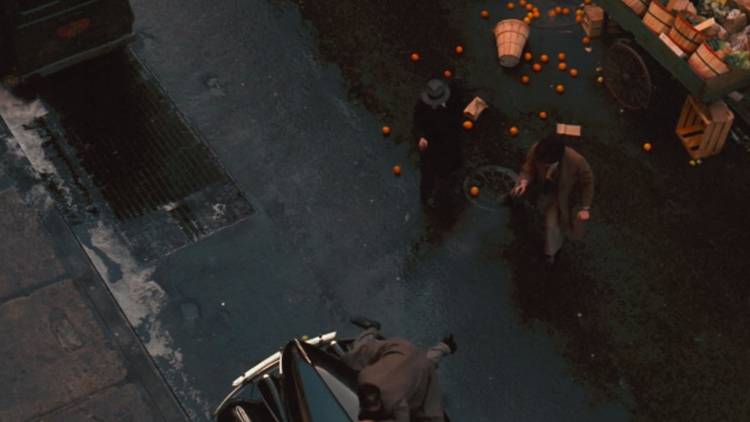
A birds eye shot is usually a vertical angle from above. Movement can add drama and interest.
| Type | Description |
| Static | Camera stays still for a clear overview. |
| Tracking | Camera moves slowly over the scene. |
| Zoom | Camera zooms in or out to focus on details. |
| Rotation | Camera slowly spins to show all sides. |
| Crane Up/Down | Camera moves vertically to reveal or hide parts. |
Credit: screenrant.com
Creative Uses In Different Genres
The birds eye view shot shows a scene from directly above. It gives a clear look at the setting and characters. Filmmakers use this shot in many ways across genres.
This view can make scenes more dramatic or give a sense of scale. It helps tell the story by showing details the audience might miss otherwise.
Action And Adventure
In action films, birds eye shots show battles, chases, or large crowds. They help viewers see the full layout of a scene. This makes the action easier to follow.
- Reveal complex fight scenes
- Show characters running through city streets
- Highlight obstacles in a chase
- Display landscapes or battlefields
Drama And Suspense
Birds eye shots create feelings of loneliness or danger in dramas. They can show a character’s smallness in a big world. This adds to the emotional impact.
| Use | Effect |
|---|---|
| Showing empty rooms | Feels isolated or trapped |
| Viewing a character alone in a crowd | Highlights loneliness |
| Looking down on a tense moment | Builds suspense |
Documentaries And Nature Films
Nature films use birds eye shots to show animal movement or landscapes. Documentaries use them to give context and scale. This helps viewers understand the subject better.
- Track animals in their habitat
- Display vast natural scenes
- Explain geographical or social layouts
- Show changes in environment over time
Common Challenges And Solutions
Birds eye view shots show scenes from high above. These shots give a clear view of the setting. Shooting them needs careful planning and effort.
Two big challenges are lighting and safety. Fixing these problems helps get better results. Let’s look at these key points.
Lighting Considerations
Lighting a birds eye view shot can be hard. The light source might be far or blocked. Shadows can cover important details.
- Use natural light early or late in the day to avoid harsh shadows.
- Bring portable lights to fill in dark areas.
- Adjust camera settings for bright or dim light.
- Use reflectors to spread light evenly.
- Check lighting from the camera’s top view before filming.
Stability And Safety
Keeping the camera stable is vital for clear shots. Safety is also key when filming from high places.
| Challenge | Solution |
| Camera shakes from wind or movement | Use a sturdy tripod or drone with stabilizer |
| Risk of falling equipment or crew | Secure all gear with harnesses and ropes |
| Hard to reach high spots safely | Use cranes, drones, or platforms with safety gear |
| Fatigue from holding or adjusting camera above | Rotate crew and use remote controls |
Tips For Filmmakers
A birds eye view shot shows a scene from directly above. It gives a unique look at the setting and action.
This shot can make scenes feel big or show patterns and movement clearly. Use it carefully for strong effects.
Planning And Storyboarding
Plan your birds eye view shots before filming. Storyboards help you see how the shot fits in the story.
Think about the height and angle needed. Also, decide if you want to show details or a wide area.
- Sketch the scene from above in your storyboard.
- Choose the best camera position for the shot.
- Check lighting to avoid harsh shadows.
- Plan actors’ movements to stay visible from above.
Post-production Enhancements
Use editing tools to improve birds eye view shots after filming. Adjust colors and contrast to add depth.
Add effects like slow motion or zoom to focus on key parts. Crop or stabilize the shot if needed.
- Enhance brightness and shadows for clarity.
- Use slow motion to highlight movement.
- Crop to remove unwanted edges.
- Apply stabilization to reduce shakiness.
Frequently Asked Questions
What Is A Bird’s Eye View Shot?
A bird’s eye view shot captures a scene from directly above. This camera angle creates a unique perspective. It often shows the layout or setting of a scene. Filmmakers use it to provide context or emphasize scale.
Why Use A Bird’s Eye View Shot In Film?
Filmmakers use this shot to show detailed spatial relationships. It helps in highlighting the vastness of a landscape. This perspective can evoke emotions such as detachment. It also allows viewers to see patterns not visible from ground level.
How Is A Bird’s Eye View Shot Achieved?
This shot is typically achieved using drones or cranes. These tools provide the necessary height and stability. Advanced technology ensures smooth and clear shots. Filmmakers can creatively control angles and movements for desired effects.
What Are Examples Of Bird’s Eye View Shots In Movies?
Movies like “The Grand Budapest Hotel” use bird’s eye view shots effectively. These shots emphasize symmetry and design. They often highlight intricate details. Such scenes provide audiences with a fresh perspective on storytelling.
Conclusion
A birds eye view shot shows scenes from high above. It helps viewers see the whole area clearly. This shot adds drama and gives a new angle. Filmmakers use it to tell stories better. It guides the audience’s attention and shows scale.
Next time you watch a movie, spot this shot. It makes scenes feel bigger and more exciting. Understanding it can make watching films more fun. Birds eye shots bring a fresh look to any story. Simple, strong, and powerful in film storytelling.




