
Have you ever wondered what you can feed wild birds that visit your yard? Choosing the right food not only attracts a variety of beautiful birds but also helps keep them healthy and strong.
Feeding wild birds is simple, but the wrong choices can do more harm than good. You’ll discover easy, safe options that will make your outdoor space a favorite spot for feathered friends. Ready to learn how to become the best bird host in your neighborhood?
Keep reading to find out what you should—and shouldn’t—offer these amazing creatures.
Popular Wild Bird Foods
Choosing the right foods can make your backyard a favorite spot for wild birds. Popular wild bird foods are not only nutritious but also attract a variety of species. Knowing what to offer helps you create a lively and diverse feeding area that benefits the birds year-round.
Seeds That Birds Love
Seeds are a staple for many wild birds and easy to supply. Black oil sunflower seeds top the list because their thin shells are easy to crack open. They attract cardinals, chickadees, and finches.
Other favorites include millet, which draws ground-feeding birds like sparrows and doves. Nyjer (thistle) seeds are perfect for small-billed birds such as goldfinches. Offering a mix of these seeds ensures you welcome a wider range of species.
Fruits To Attract Birds
Fresh fruits add natural sweetness and moisture to birds’ diets, especially in colder months. Berries like blueberries, raspberries, and elderberries appeal to thrushes, waxwings, and robins. You can simply place slices or whole berries on a platform feeder.
Apples and oranges also attract orioles and tanagers. Have you noticed how these colorful birds brighten up your garden when fruit is available? Adding fruit can turn your yard into a feeding hotspot.
Nuts As A Nutrient Source
Nuts provide essential fats and proteins that help birds stay energized. Peanuts are a popular choice but should always be offered unsalted and preferably shelled. Woodpeckers, jays, and nuthatches often feast on these.
Other nuts like almonds or walnuts can be chopped and scattered to attract a variety of birds. Keep in mind that freshness is key—moldy nuts can harm wildlife. Do you check your feeders regularly to keep the food safe?
Insects And Protein Options
Protein is vital for birds, especially during nesting season. Mealworms are a fantastic protein source, loved by bluebirds, wrens, and robins. Offering live or dried mealworms can boost your local bird population.
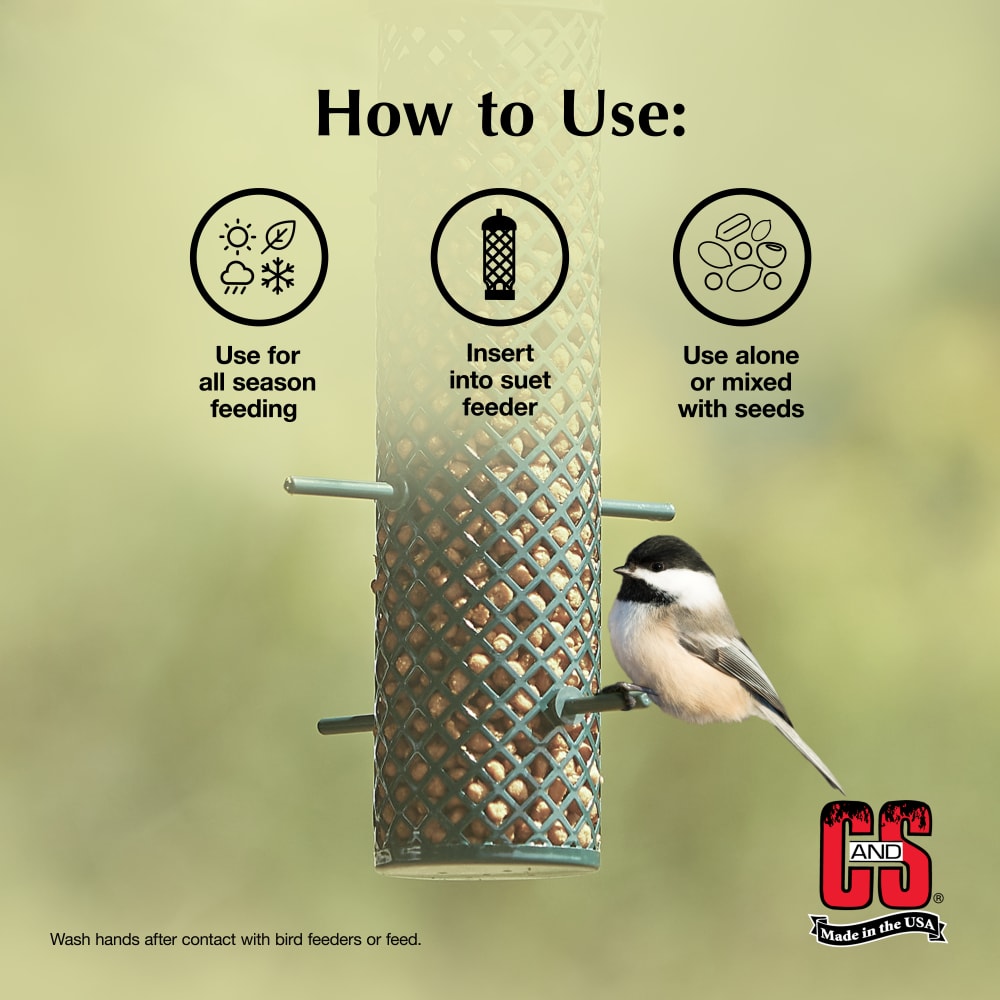
Suet cakes mixed with seeds and insects provide energy-rich meals during winter. You might be surprised how quickly woodpeckers and nuthatches find suet feeders. Are you ready to add these protein options to your feeding station?
Credit: www.homehardware.ca
Choosing Foods For Different Bird Types
Feeding wild birds means understanding their unique tastes and dietary needs. Each bird species thrives on different types of food, so offering the right options can bring more feathered friends to your yard. Knowing what to provide makes your bird feeding efforts more rewarding and helps support local wildlife effectively.
Foods For Seed-eaters
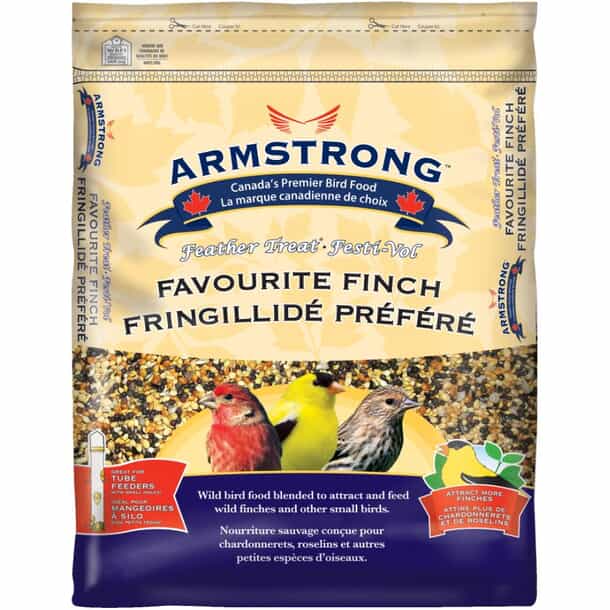
Seed-eaters like finches, sparrows, and chickadees enjoy a variety of seeds. Black oil sunflower seeds are a favorite because they have thin shells and high oil content, which gives birds plenty of energy.
Other great options include millet, safflower, and nyjer seed. You can mix these in a seed feeder to attract a diverse group of seed-eaters. Avoid cheap mixed seeds with too many fillers like wheat or cracked corn, as many birds ignore them.
Meals For Fruit-loving Birds
Birds such as orioles, tanagers, and waxwings prefer fresh fruit. Offering slices of apples, oranges, and berries can invite these colorful visitors to your garden. You might notice how quickly fruit disappears once it’s placed outside—these birds have a true sweet tooth!
Try hanging fruit or placing it on a platform feeder. Avoid fruit that is overly ripe or moldy, as it can be harmful. Have you ever watched a waxwing feast on berries? Their enthusiasm is contagious and shows how rewarding fruit feeding can be.
Options For Insectivores
Insect-eating birds like woodpeckers, bluebirds, and warblers need protein-rich foods. Mealworms are a popular choice and can be bought live or dried. These mimic the insects they find naturally and encourage these birds to stick around.
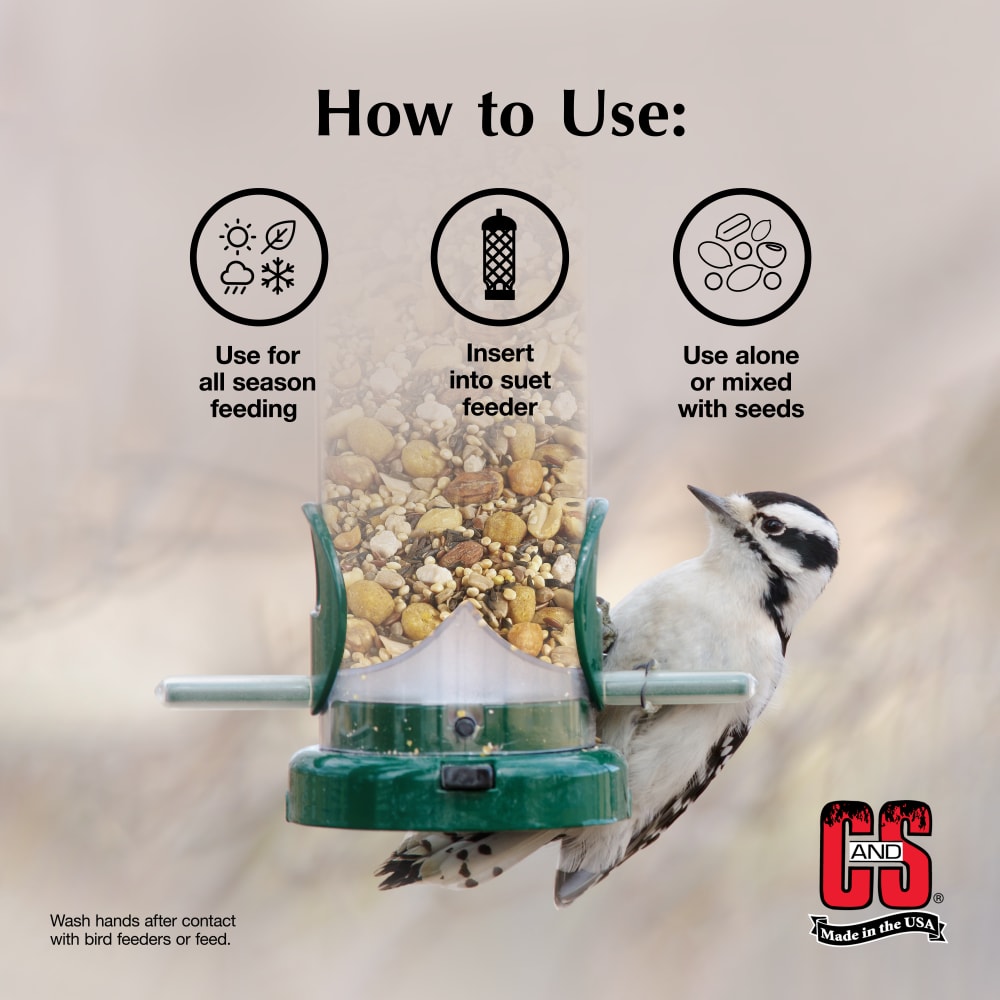
You can also provide suet, which often contains insects or insect parts. Suet cakes hung in a cage feeder attract woodpeckers and nuthatches effectively. If you want to support insectivores, consider planting native shrubs that attract insects—they do the feeding for you.
Safe And Unsafe Foods For Birds
Feeding wild birds requires care and knowledge about what foods are safe. Some foods can harm birds or cause illness. Knowing the difference helps protect their health. This guide explains which foods to avoid and which treats are safe.
Foods To Avoid
- Avocado:Contains toxins harmful to many bird species.
- Chocolate:Poisonous and can cause serious health issues.
- Onions and garlic:Can cause digestive problems and toxicity.
- Salted or processed foods:High salt damages birds’ kidneys.
- Raw beans:Contain harmful substances that affect birds.
- Moldy or spoiled food:Can cause sickness or death.
- Fatty or sugary foods:Lead to obesity and poor health.
Safe Treats And Supplements
- Black oil sunflower seeds:Rich in fat and easy to eat.
- Nyjer seeds:Loved by finches and small birds.
- Suet cakes:Provide energy, especially in cold months.
- Peanuts (unsalted):Great source of protein and fat.
- Mealworms:High in protein and attract insect-eating birds.
- Fresh fruits:Apples, berries, and grapes in small amounts.
- Cooked rice and oats:Easy to digest and nutritious.
Credit: www.wildbirdsuets.com
Tips For Feeding Wild Birds
Seeds like sunflower and millet attract many bird species. Fresh fruits and nuts also provide good nutrition. Avoid bread and processed foods to keep birds healthy.
Feeding wild birds is a delightful way to connect with nature and support your local ecosystem. However, it’s essential to do it right to ensure the birds’ health and safety. By following simple guidelines, you can create a thriving environment for your feathered friends. Ready to enhance your backyard birdwatching experience?Best Feeding Practices
To keep wild birds healthy, use a variety of seeds like sunflower, millet, and cracked corn. You might be surprised how specific birds are about their food. Pay attention to what they prefer and adjust your offerings accordingly. Clean your feeders regularly to prevent mold and bacteria. A dirty feeder can be more harmful than helpful. Make it a routine to wash them with soap and water every few weeks. Offer fresh water in a birdbath or shallow dish. Birds need water for drinking and bathing, which is essential for their plumage care. This small addition can attract even more birds to your yard.Seasonal Feeding Tips
Different seasons call for different feeding strategies. In winter, high-fat foods like suet are vital for birds’ survival. It provides the energy they need to keep warm during colder months. Springtime is when birds are nesting and need protein-rich foods. Offer mealworms or peanuts to support their growing families. Summer feeding can be lighter, focusing on seeds and grains, as natural food is more abundant. Autumn is a time for birds to build up energy reserves before migration. Providing a mix of seeds can help them prepare for their long journey. Consider what birds are in your area during these times and cater to their needs.Setting Up Bird Feeders
Choose the right location for your bird feeders. Place them where birds feel safe, away from predators like cats. A spot near shrubs or trees can provide cover while they eat. Opt for different types of feeders to attract a variety of bird species. Tube feeders, platform feeders, and suet cages each draw different kinds of birds. Experiment and see which ones are most popular in your yard. Keep an eye on your feeders’ condition. A well-maintained feeder can last for years and continue to bring joy to your outdoor space. Are you ready to start your birdwatching adventure right from your backyard?Benefits Of Feeding Wild Birds
Feeding wild birds offers many benefits for both birds and people. It helps birds stay healthy, supports a variety of species, and creates joy for watchers. Understanding these benefits encourages more people to care for wild birds.
Supporting Bird Health
Providing food helps birds survive tough seasons. Seeds, nuts, and fruits give energy and nutrients. This support reduces stress and improves bird strength. Healthy birds can better avoid diseases and raise their young.
Encouraging Bird Diversity
Different foods attract different bird species. Offering a mix of seeds, suet, and berries brings more types of birds. This variety enriches local wildlife and balances nature. Diverse birds also help with insect control and pollination.
Enjoying Birdwatching
Feeding birds creates chances to see them up close. Watching birds can be relaxing and fun. It teaches patience and appreciation for nature. Families and friends can share this peaceful activity together.
Credit: www.wildbirdsuets.com
Frequently Asked Questions
What Foods Are Safe To Feed Wild Birds?
Safe foods include seeds like sunflower, millet, and nyjer. Fresh fruits like apples and berries are also good. Avoid processed or salty foods to keep birds healthy and safe.
Can I Feed Wild Birds Bread Or Leftovers?
Bread and leftovers lack nutrients and can harm birds. It may cause malnutrition or attract pests. Stick to bird-specific foods for their well-being and safety.
Which Seeds Attract The Most Wild Bird Species?
Black oil sunflower seeds attract many bird species. They are high in fat and easy to eat. Millet and cracked corn also draw diverse birds to feeders.
How Often Should I Refill Wild Bird Feeders?
Refill feeders every few days or when empty. Fresh food helps prevent mold and spoilage. Regular refilling keeps birds coming back for reliable feeding.
Conclusion
Feeding wild birds can bring joy and beauty to your outdoor space. Choose seeds and foods that suit local bird species. Keep feeders clean and fresh to help birds stay healthy. Watch different birds visit and enjoy their natural behaviors.
Small efforts make a big difference for wild bird care. Start simple, observe, and learn what your feathered friends like best. Enjoy the peaceful moments that come with bird watching. Helping birds thrive benefits nature and your environment too.




